
Purchasing car insurance is more than just a legal obligation; it’s a critical financial decision that protects you, your assets, and your peace of mind on the road. For many, the process can seem daunting, riddled with jargon and a multitude of options. However, with a clear understanding of what car insurance entails, how to assess your needs, and where to shop, you can navigate the market with confidence and secure the right coverage at a competitive price. This guide will demystify the process, offering a comprehensive roadmap to buying car insurance effectively and intelligently.
Understanding Car Insurance: More Than Just a Legal Requirement
Before diving into the purchasing process, it’s essential to grasp the fundamental concepts of car insurance. Far from being a mere line item in your budget, it’s a robust financial safety net designed to mitigate the potentially catastrophic costs associated with vehicle accidents, theft, and other damages.
What is Car Insurance and Why Do You Need It?
At its core, car insurance is a contract between you and an insurance company. In exchange for regular payments (premiums), the insurer agrees to cover financial losses specified in your policy. These losses can range from property damage and medical expenses resulting from an accident to theft or damage to your own vehicle. In most jurisdictions, carrying a minimum level of car insurance is a legal requirement to operate a vehicle, ensuring that drivers can take financial responsibility for damages or injuries they might cause. Beyond legality, it protects your personal finances from significant out-of-pocket expenses that could otherwise lead to severe financial strain or even bankruptcy. Imagine facing tens or hundreds of thousands of dollars in medical bills or vehicle replacement costs without adequate insurance – the financial implications are staggering. Therefore, car insurance serves as a fundamental pillar of personal financial planning, safeguarding your present and future stability.
Key Types of Coverage: Liability, Collision, Comprehensive, and More
Car insurance policies are rarely one-size-fits-all; they are typically a bundle of various coverage types, each addressing a specific risk. Understanding these components is crucial for building a policy that truly meets your needs:
- Liability Coverage: This is the bedrock of most policies and is legally mandated in nearly every state. It pays for damages and injuries you cause to other people and their property if you are at fault in an accident. It’s typically split into Bodily Injury Liability (BI) and Property Damage Liability (PD).
- Collision Coverage: This pays for damage to your own vehicle resulting from a collision with another car or object, regardless of who is at fault. If your car is financed or leased, this coverage is almost always required by the lender.
- Comprehensive Coverage: Often paired with collision, comprehensive insurance protects your vehicle from non-collision-related incidents. This includes theft, vandalism, fire, natural disasters (like hail or floods), falling objects, and striking an animal.
- Medical Payments (MedPay) / Personal Injury Protection (PIP): These cover medical expenses for you and your passengers, regardless of fault, up to a specified limit. PIP, common in “no-fault” states, can also cover lost wages and other related expenses.
- Uninsured/Underinsured Motorist (UM/UIM) Coverage: This protects you if you’re involved in an accident with a driver who either has no insurance or insufficient insurance to cover your damages and medical bills. Given the prevalence of uninsured drivers, this is a highly recommended coverage.
- Rental Car Reimbursement: Covers the cost of a rental car while your vehicle is being repaired after a covered incident.
- Roadside Assistance: Provides help for common issues like flat tires, dead batteries, or towing services.
Factors Influencing Your Premiums
The cost of your car insurance premium is a dynamic figure, calculated based on a multitude of risk factors. Understanding these can help you anticipate costs and identify areas where you might be able to save:
- Driver Profile: Your age, gender, driving record (tickets, accidents), and years of driving experience are primary determinants. Young, inexperienced drivers with poor records typically pay the highest rates. Your credit score (in most states) can also play a significant role, as insurers often correlate it with a higher likelihood of filing claims.
- Vehicle Information: The make, model, year, safety features, and even the color of your car can impact premiums. Expensive, high-performance, or frequently stolen vehicles generally cost more to insure.
- Location: Where you live and primarily park your car greatly influences rates. Urban areas with higher traffic density, crime rates, and accident statistics typically lead to higher premiums than rural areas.
- Coverage Choices: The types of coverage you select, your liability limits, and your deductibles directly affect your premium. Higher deductibles (the amount you pay out-of-pocket before insurance kicks in) usually result in lower premiums, and vice versa.
- Annual Mileage: Drivers who log fewer miles annually are often seen as lower risk and may qualify for discounts.
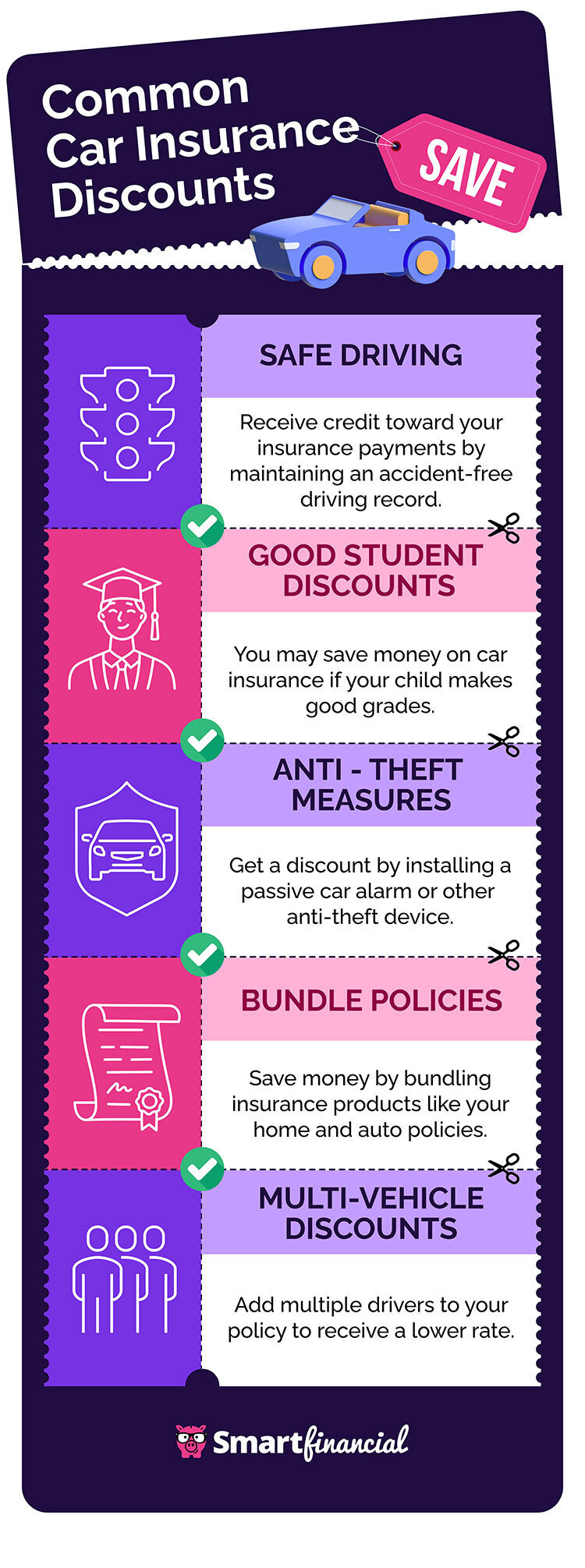
- Discounts: Insurers offer a variety of discounts for everything from bundling policies (home and auto) to good student records, anti-theft devices, safe driver programs, and paying premiums in full.
The Preparation Phase: Knowing What You Need
Before you even begin comparing quotes, thorough preparation is key. This phase involves a self-assessment of your coverage requirements, gathering necessary information, and establishing a realistic budget. Without this groundwork, you risk either overpaying for unnecessary coverage or, more dangerously, being underinsured when you need it most.
Assessing Your Coverage Needs
The state minimum for liability coverage is often insufficient to protect your assets in a serious accident. A crucial step is to objectively evaluate how much financial risk you can afford to take. Consider the following:
- Your Assets: If you own a home, have significant savings, or other valuable assets, you likely need higher liability limits to protect them from potential lawsuits arising from an at-fault accident.
- Your Driving Habits: Do you have a long commute? Do you frequently drive in congested areas? More time on the road generally means a higher risk of accidents, suggesting a need for more robust coverage.
- Value of Your Vehicle: For older cars with low market value, collision and comprehensive coverage might not be economically sensible, as the premium costs could outweigh the potential payout. However, for newer or high-value vehicles, these coverages are usually essential.
- Financial Dependents: If you have family members who rely on your income, consider higher limits for PIP/MedPay and potentially additional life insurance riders available through some auto policies.
Think of it as risk management: you’re evaluating your exposure to financial loss and deciding how much of that risk you want your insurance company to assume.
Gathering Essential Information
To get accurate quotes and streamline the application process, you’ll need to have specific documents and details readily available:
- Personal Information: Your full name, date of birth, driver’s license number, social security number, and occupation. For all drivers on the policy, if applicable.
- Vehicle Information: The Vehicle Identification Number (VIN), make, model, year, odometer reading, and current registration. Also, note any safety features (e.g., anti-lock brakes, airbags) or anti-theft devices (e.g., alarm system, GPS tracker).
- Driving History: Details of any accidents, traffic violations (moving violations, DUI), or claims filed within the last 3-5 years for all drivers.
- Current Insurance Details: Your current insurer, policy number, and expiration date. This helps demonstrate continuous coverage, which can often qualify you for discounts.
- Financial Details: Information about any existing loans or leases on your vehicle, as lenders often have specific insurance requirements.
Having this information at hand will not only speed up the quoting process but also ensure that the quotes you receive are accurate reflections of your specific situation, preventing surprises down the line.
Setting a Budget for Your Premiums
Insurance, like any other recurring expense, needs to fit within your overall financial plan. Before you shop, determine how much you are realistically comfortable spending on car insurance annually or monthly. This budget will guide your coverage choices, helping you find a balance between adequate protection and affordability.
Consider the trade-offs:
- Higher deductibles can lower your premiums, but ensure you have enough savings to cover that deductible should you need to file a claim.
- Reducing certain optional coverages might save money, but assess the risks involved. For instance, skipping rental car reimbursement means you’ll pay out-of-pocket if your car is in the shop for an extended period.
- Exploring various discounts can significantly impact your final premium. Don’t be shy about asking about every possible discount.
Establishing a budget empowers you to make informed decisions rather than being swayed solely by the lowest price or feeling pressured into expensive add-ons you may not need.
Navigating the Market: Where and How to Shop
With your needs assessed and information gathered, the next step is to explore the insurance market. The landscape of car insurance providers is vast, offering numerous avenues to obtain quotes and purchase policies. Strategic shopping is crucial to ensure you’re getting the best value.
Comparing Quotes from Multiple Providers
This is arguably the most critical step in buying car insurance. Never settle for the first quote you receive. Insurance rates can vary wildly between companies for the exact same coverage, sometimes by hundreds or even thousands of dollars annually. Aim to get quotes from at least three to five different insurers. This comparison will allow you to:
- Identify the most competitive rates: Different companies have different risk assessment models and target demographics, leading to diverse pricing strategies.
- Uncover potential discounts: What one insurer considers a standard rate, another might offer at a discount.
- Understand market benchmarks: By seeing a range of prices, you’ll develop a clearer understanding of what a reasonable premium for your profile looks like.
Take detailed notes, ensuring you’re comparing apples to apples – identical coverage types, limits, and deductibles across all quotes.
Understanding Different Distribution Channels (Agents, Brokers, Direct Insurers)
How you shop can be as important as where you shop. Car insurance is available through several distinct channels, each with its own advantages:
- Captive Agents: These agents work exclusively for one insurance company (e.g., State Farm, Allstate, Geico). They are highly knowledgeable about their company’s products and can often offer personalized service and help navigate claims. However, they can only offer policies from their single employer.
- Independent Agents/Brokers: These professionals work with multiple insurance companies. They can shop around on your behalf, providing quotes from several different insurers. This offers convenience and the potential for greater cost savings, as they can often find the best policy for your specific needs across their network of providers. Brokers, in particular, legally represent your interests, not the insurer’s.
- Direct Insurers: Companies like Progressive, GEICO, or Esurance often sell policies directly to consumers online or over the phone, bypassing agents entirely. This can sometimes lead to lower premiums due to reduced overhead. This channel is ideal for those comfortable with self-service and managing their policy digitally.
Each channel offers a different balance of convenience, personalized service, and pricing potential. Consider which approach best suits your preferences and research style.
Leveraging Online Comparison Tools
In the digital age, numerous online comparison websites and aggregators have emerged to simplify the quoting process. These platforms allow you to enter your information once and receive multiple quotes simultaneously from various insurers. Examples include sites like The Zebra, Policygenius, and Compare.com.
Advantages:
- Convenience: Save significant time by avoiding repetitive data entry.
- Broad View: Get a quick overview of different pricing structures across a wide range of companies.
- Anonymity: You can shop without direct sales pressure from agents initially.
Caveats:
- Incompleteness: These tools may not include every insurer or every available discount, so the lowest quote might not always be the absolute best.
- Accuracy: Initial quotes are often estimates. The final premium might adjust once the insurer performs a more detailed review of your driving record and other factors.
- Privacy: Be mindful of the data you share and the potential for follow-up calls or emails from insurance providers.
Use online tools as a starting point, but always verify quotes directly with the insurers or through an independent agent for the most accurate information.
Making the Smart Choice: Evaluating Policies and Providers
Once you have a handful of quotes, the temptation might be to simply pick the cheapest one. However, a truly smart financial decision requires a deeper evaluation that goes beyond price alone. The right policy offers a delicate balance of cost, comprehensive coverage, and reliable service.
Beyond Price: Considering Deductibles, Limits, and Exclusions
While price is a significant factor, it’s merely one piece of the puzzle. You must scrutinize the details of each policy:
- Deductibles: The higher your deductible, the lower your premium. However, ensure you can comfortably afford your chosen deductible amount if you need to file a claim. A $1,000 deductible might save you money monthly, but if you only have $500 in emergency savings, it could be a significant financial strain after an accident.
- Coverage Limits: Understand the maximum amount the insurer will pay for each type of coverage. For liability, state minimums are often too low. Consider limits like 100/300/100 (which means $100,000 for bodily injury per person, $300,000 for bodily injury per accident, and $100,000 for property damage per accident) or even higher if you have substantial assets. Underinsured/Uninsured Motorist coverage limits should ideally match your liability limits.
- Exclusions: Every policy has situations or damages it will not cover. For example, some policies might exclude damage from intentional acts, racing, or using your personal vehicle for commercial purposes without specific endorsement. Be sure you understand what you’re not getting coverage for to avoid nasty surprises.
A cheaper premium might come with higher deductibles, lower limits, or more exclusions, ultimately leaving you more exposed financially.
The Importance of Insurer Reputation and Customer Service
An insurance policy is only as good as the company backing it. In the event of an accident or claim, you want an insurer that is financially stable and provides excellent customer service.
- Financial Strength Ratings: Look for ratings from independent agencies like A.M. Best, Standard & Poor’s, Moody’s, or Fitch. A strong financial rating indicates the company’s ability to pay out claims, even during widespread disasters.
- Customer Reviews and Complaints: Research online reviews and consumer complaint databases (e.g., your state’s Department of Insurance website, the Better Business Bureau). While no company is perfect, a pattern of poor claims handling, slow response times, or unfair practices is a red flag.
- Claims Process: Inquire about the claims process. Is it easy to file a claim? How quickly are claims typically processed? Do they offer 24/7 support? A smooth and efficient claims process can significantly reduce stress during an already difficult time.
Choosing a reputable insurer means you’re investing in reliability and peace of mind, not just a policy document.
Reading the Fine Print: Understanding Policy Terms and Conditions
Before you sign on the dotted line, meticulously review the actual policy documents. The declarations page summarizes your coverages, limits, and deductibles, while the policy booklet details the complete terms, conditions, definitions, and exclusions.
- Verify Accuracy: Double-check that all personal and vehicle information is correct and that the coverages and limits match what you discussed and agreed upon. Even a small error could impact a future claim.
- Understand Your Responsibilities: The policy will outline your responsibilities, such as reporting accidents promptly, cooperating with investigations, and maintaining your vehicle. Failure to adhere to these terms could jeopardize your coverage.
- Ask Questions: If anything is unclear, don’t hesitate to ask your agent or the insurer directly for clarification. It’s better to understand everything upfront than to face misunderstandings later.
This step, though often overlooked, is your final safeguard to ensure the policy you purchase truly aligns with your expectations and provides the protection you anticipate.
Finalizing Your Policy and Ongoing Management
Once you’ve made your selection, the process isn’t quite over. Finalizing the policy and understanding how to manage it going forward are crucial for long-term financial protection and potentially further savings.
The Application Process and Policy Issuance
After selecting your preferred policy, you’ll complete a formal application. This typically involves:
- Final Verification: The insurer will conduct final checks on your driving record, credit history (where applicable), and vehicle details.
- Payment: You’ll make your first premium payment, which could be for one month, six months, or a full year, depending on your payment plan.
- Policy Documents: Once payment is received and the application approved, you’ll receive your official policy documents, typically via mail or email. These will include your insurance ID cards, declarations page, and the complete policy booklet. Keep these documents accessible, especially your ID cards, which are legally required to be carried in your vehicle.
Ensure you understand the effective date of your policy, as you are not covered until that date.
Strategies for Lowering Your Premiums Over Time
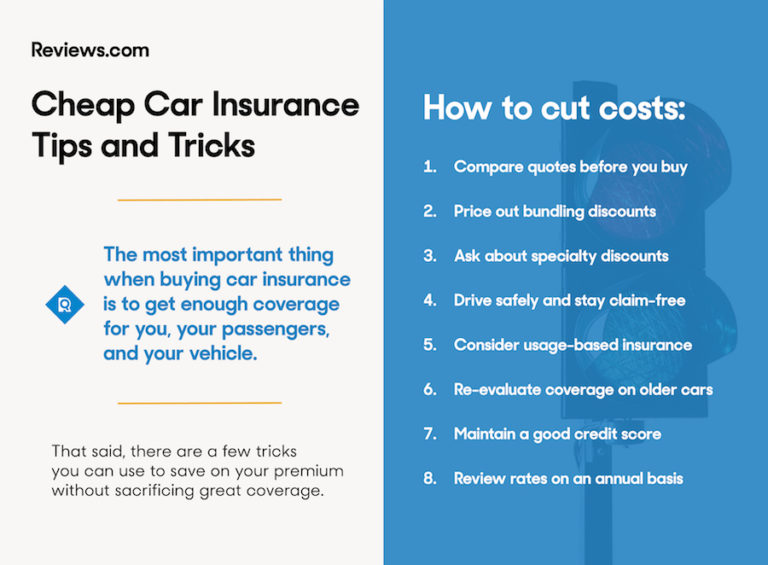
Car insurance isn’t a static expense; there are several proactive steps you can take to potentially reduce your premiums over time:
- Maintain a Clean Driving Record: This is the most significant factor. Avoiding accidents and traffic violations can lead to lower rates and qualification for good driver discounts.
- Improve Your Credit Score: As credit scores are often used in rating, improving yours can lead to lower premiums in many states.
- Utilize Available Discounts: Regularly inquire about new discounts. These can include multi-policy (bundling home and auto), multi-car, good student, defensive driving course completion, low mileage, anti-theft device, telematics (usage-based insurance), and paying in full.
- Increase Deductibles (Strategically): If your financial situation improves and you build a robust emergency fund, increasing your deductibles can lower premiums.
- Review Coverage Annually: As your car ages, its value depreciates. You might consider dropping collision and comprehensive coverage on older vehicles when the cost of the premium outweighs the potential payout.
- Shop Around Periodically: Your circumstances and insurer rates change. Re-shop for quotes every 1-2 years to ensure you’re still getting the best deal.
Being proactive about your insurance coverage can translate into significant financial savings without compromising essential protection.

When to Review and Adjust Your Coverage
Life events can impact your insurance needs and rates. It’s wise to review and potentially adjust your policy in the following scenarios:
- Major Life Changes: Getting married, moving to a new address, having a new driver in the household (e.g., a teen getting their license), or changing jobs can all affect your risk profile and coverage needs.
- Purchasing a New Vehicle: A new car almost always requires an adjustment to your policy, especially if it’s significantly different in value or type from your previous vehicle.
- Changes in Vehicle Usage: If you start using your car for ride-sharing or other commercial purposes, you’ll need specialized coverage. If your commute changes or you start working from home, your mileage might decrease, qualifying you for a low-mileage discount.
- After an Accident or Claim: Review your policy after an incident to understand how it was applied and if any adjustments are needed for the future.
- Annually at Renewal: Even without major life changes, your annual renewal is an excellent opportunity to review your policy against your current needs and market rates.
Car insurance is not a set-it-and-forget-it expense. By understanding how to buy it, what influences its cost, and how to manage it over time, you can ensure your financial well-being is continually protected, making it a truly smart financial decision.
aViewFromTheCave is a participant in the Amazon Services LLC Associates Program, an affiliate advertising program designed to provide a means for sites to earn advertising fees by advertising and linking to Amazon.com. Amazon, the Amazon logo, AmazonSupply, and the AmazonSupply logo are trademarks of Amazon.com, Inc. or its affiliates. As an Amazon Associate we earn affiliate commissions from qualifying purchases.