
Entering the stock market can seem daunting, a complex world of charts, jargon, and fast-paced trading. Yet, for millions worldwide, it’s a fundamental pathway to building wealth, achieving financial independence, and participating in the growth of leading companies. Understanding how to buy and sell stocks is a critical skill for anyone looking to take control of their financial future. This guide will demystify the process, breaking down the essential steps from understanding what a stock is to executing trades and managing your investments effectively.
Understanding the Fundamentals of Stock Investing
Before you even consider placing your first trade, it’s crucial to grasp the basic concepts that underpin the stock market. Investing without this foundational knowledge is akin to sailing without a map.

What Exactly Is a Stock?
At its core, a stock (also known as equity or shares) represents a fractional ownership in a company. When you buy a company’s stock, you become a part-owner, albeit a very small one in most cases. This ownership entitles you to a claim on the company’s assets and earnings. Companies issue stocks to raise capital, which they then use to fund operations, expand, and innovate. As the company grows and its value increases, the value of its shares typically rises, benefiting shareholders. Some companies also distribute a portion of their profits to shareholders in the form of dividends.
Why Invest in Stocks?
The primary reason individuals invest in stocks is for wealth creation. Historically, stocks have outperformed other asset classes like bonds and cash over the long term, offering a powerful hedge against inflation. By investing in stocks, you’re putting your money to work, allowing it to grow over time through capital appreciation (the increase in the stock’s price) and, in some cases, dividend income. It allows you to participate in the success of innovative businesses and industries, aligning your financial interests with economic growth.
Key Terminology to Know
Navigating the stock market requires familiarity with a specific lexicon. Here are a few essential terms:
- Shares: Units of ownership in a company.
- Dividend: A payment made by a company to its shareholders, usually out of its profits.
- Market Capitalization (Market Cap): The total value of a company’s outstanding shares (share price × number of shares).
- Bid Price: The highest price a buyer is willing to pay for a stock.
- Ask Price: The lowest price a seller is willing to accept for a stock.
- Market Order: An order to buy or sell a stock immediately at the best available current price.
- Limit Order: An order to buy or sell a stock at a specific price or better.
- P/E Ratio (Price-to-Earnings Ratio): A valuation measure that compares a company’s current share price to its per-share earnings.
Setting Up Your Investment Account
With a basic understanding of stocks in hand, the next practical step is to establish the necessary accounts through which you will execute trades.
Choosing the Right Brokerage Account
To buy and sell stocks, you need a brokerage account. These accounts act as an intermediary between you and the stock exchanges. There are primarily two types:
- Full-Service Brokers: Offer a wide range of services including financial advice, research, and personalized portfolio management. They typically charge higher fees, suitable for investors who prefer hands-on guidance.
- Discount Brokers (Online Brokers): Provide a platform for you to manage your own investments with minimal to no advisory services. They offer low commissions (often zero for stock trades) and are ideal for self-directed investors. Examples include Fidelity, Charles Schwab, E*TRADE, Vanguard, and Robinhood.
- Robo-Advisors: These are automated, algorithm-driven financial planning services that manage portfolios with little human intervention. They typically build diversified portfolios of ETFs (Exchange Traded Funds) based on your risk tolerance and financial goals, offering a good starting point for hands-off investors.
When choosing a broker, consider factors like fees, available investment products, research tools, customer service, and ease of use of their platform.
Types of Investment Accounts
Beyond the broker type, you’ll also choose the type of account:
- Taxable Brokerage Account: A standard investment account where your capital gains and dividends are taxed annually. There are no contribution limits.
- Individual Retirement Accounts (IRAs): Tax-advantaged accounts designed for retirement savings.
- Traditional IRA: Contributions may be tax-deductible, and taxes are paid upon withdrawal in retirement.
- Roth IRA: Contributions are made with after-tax money, but qualified withdrawals in retirement are tax-free.
- 401(k) / 403(b): Employer-sponsored retirement plans. While you typically can’t directly buy/sell individual stocks within these plans, you often have a selection of mutual funds or ETFs that invest in stocks. These are important to mention as they are common vehicles for stock market exposure.
For beginners, a standard taxable brokerage account or a Roth IRA (if eligible) are common starting points for direct stock investing.
Funding Your Account
Once your brokerage account is open and verified, you’ll need to deposit funds. Common methods include:
- Electronic Funds Transfer (ACH): Linking your bank account for convenient, often free, transfers. This is the most common method.
- Wire Transfer: Faster but usually comes with a fee.
- Check Deposit: Slower and less common for initial funding, but an option for some.
- Recurring Deposits: Many brokers allow you to set up automatic, regular transfers from your bank account, which is an excellent strategy for dollar-cost averaging.
The Mechanics of Buying Stocks
With your account funded, you’re ready to make your first purchase. This involves research and understanding how to place orders.
Researching Potential Investments
Successful investing starts with diligent research. Don’t buy a stock just because you heard a tip from a friend or saw it trending online.
- Fundamental Analysis: This involves evaluating a company’s financial health, management, industry position, and competitive advantages. Look at financial statements (income statement, balance sheet, cash flow statement), earnings reports, and analyst ratings. Consider factors like revenue growth, profit margins, debt levels, and market share.
- Technical Analysis: Focuses on analyzing price charts and trading volumes to identify patterns and predict future price movements. This is often used by short-term traders but can offer insights for long-term investors too.
- Industry Trends: Understand the broader industry in which the company operates. Is it growing? Facing disruption? What are the regulatory challenges or opportunities?
- Company News: Stay updated on company announcements, product launches, mergers, acquisitions, and any news that could impact its future performance.
- Diversification: Before buying, consider how this stock fits into your overall portfolio. Does it add to or detract from your diversification goals?
Placing a Buy Order
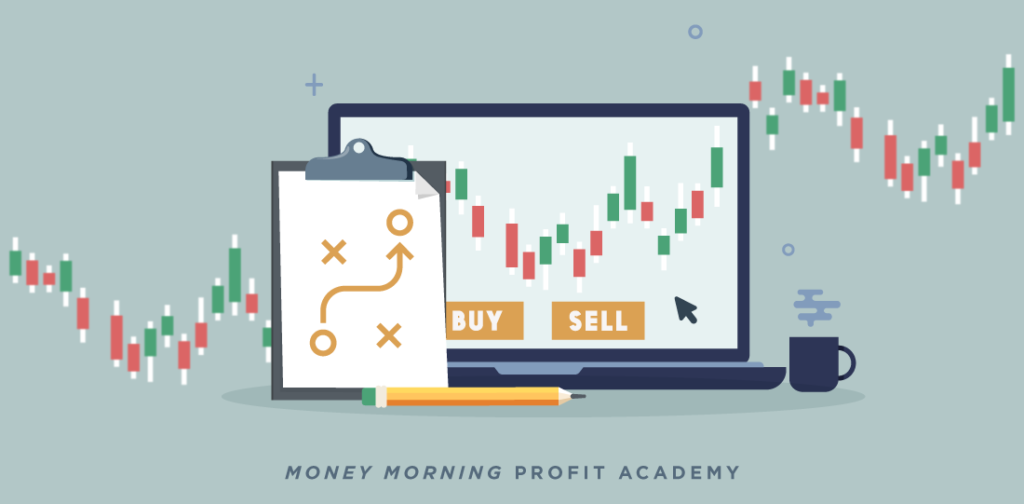
Once you’ve identified a stock you want to buy, you’ll use your broker’s platform to place an order. Key decisions here involve the number of shares and the order type.
Understanding Order Types and Their Implications
The two most common order types are crucial to understand:
- Market Order: This tells your broker to buy (or sell) your shares immediately at the best available price. While it guarantees execution, you don’t know the exact price until the order is filled, which can be problematic in volatile markets where prices can move quickly. Generally suitable for highly liquid stocks where price fluctuations are minimal.
- Limit Order: This allows you to specify the maximum price you’re willing to pay for a stock (or the minimum price you’re willing to sell for). If the stock’s price doesn’t reach your specified limit, the order won’t be executed. This gives you more control over the price, but there’s no guarantee your order will be filled. Limit orders are generally preferred for less liquid stocks or when you have a specific price target in mind.
- Stop Order (Stop-Loss Order): This becomes a market order once a specified “stop price” is reached. It’s primarily used to limit potential losses on an existing position. For example, if you own a stock trading at $100 and set a stop-loss at $90, if the price drops to $90, a market order to sell is triggered.
When placing a buy order, you’ll typically input the stock ticker symbol, the number of shares, and the order type. Review all details carefully before confirming.
The Process of Selling Stocks
Selling stocks is as important as buying them, dictating when you realize your gains or cut your losses.
When to Consider Selling
Deciding when to sell is often more challenging than deciding when to buy. Key reasons include:
- Achieving Financial Goals: If a stock has performed exceptionally well and met your initial investment objective (e.g., funding a down payment for a house), it might be time to sell.
- Portfolio Rebalancing: Over time, some investments may grow to represent a larger portion of your portfolio than you intended, increasing risk. Selling some shares helps restore your desired asset allocation.
- Company Performance Decline: If the fundamental reasons you invested in a company have deteriorated (e.g., declining earnings, loss of market share, poor management decisions), it might be wise to exit.
- Better Opportunities: Sometimes, a new investment opportunity arises that you believe offers better potential returns, requiring you to free up capital from existing holdings.
- Tax Considerations: Selling at year-end might involve tax-loss harvesting, where you sell losing investments to offset capital gains and reduce your tax liability.
Executing a Sell Order
The process for selling is very similar to buying. You’ll log into your brokerage account, select the stock you wish to sell, enter the number of shares, and choose your order type (market, limit, or stop-loss).
- Market Sell: Sells immediately at the best available price.
- Limit Sell: Specifies the minimum price you’re willing to accept.
- Stop-Loss Order: As mentioned, this is a crucial risk management tool that converts to a market order to sell if the stock price drops to a predetermined level, helping to limit potential losses.
Tax Implications of Selling
Selling stocks can have significant tax implications, which vary depending on your account type and how long you’ve held the shares.
- Capital Gains/Losses: When you sell a stock for a profit, you realize a capital gain. If you sell for a loss, it’s a capital loss.
- Short-Term vs. Long-Term:
- Short-term capital gains: Apply to investments held for one year or less and are taxed at your ordinary income tax rate, which can be higher.
- Long-term capital gains: Apply to investments held for more than one year and are typically taxed at preferential, lower rates.
Understanding this distinction is vital for tax planning.
Strategies for Success and Risk Management
Investing in stocks carries inherent risks, but strategic planning and discipline can significantly improve your chances of success and mitigate potential downsides.
Diversification: Don’t Put All Your Eggs in One Basket
One of the most fundamental principles of investing is diversification. Spreading your investments across different assets, industries, and geographies reduces the impact of a poor performance in any single investment.
- Asset Allocation: Dividing your portfolio among different asset classes like stocks, bonds, and cash based on your risk tolerance and time horizon.
- Sector Diversification: Investing in companies across various economic sectors (tech, healthcare, finance, consumer staples, etc.) to avoid overexposure to one industry.
- Geographic Diversification: Investing in companies from different countries to reduce reliance on a single economy.
ETFs and mutual funds are excellent tools for instant diversification, as they hold a basket of many different stocks.
Long-Term vs. Short-Term Trading
Your investment horizon significantly influences your strategy:
- Long-Term Investing: This involves holding stocks for several years, often decades, focusing on a company’s fundamental growth. It leverages the power of compounding and tends to be less stressful and more forgiving of short-term market fluctuations. This is generally recommended for most individual investors.
- Short-Term Trading (Day Trading, Swing Trading): Involves buying and selling stocks within a short period (minutes, hours, or days) to capitalize on small price movements. This is highly speculative, requires significant time commitment, advanced knowledge, and carries substantial risk. It’s generally not recommended for beginners.
The Importance of Continuous Learning
The financial markets are dynamic and constantly evolving. Successful investors commit to lifelong learning.
- Stay Informed: Read financial news, company reports, and reputable investment analyses.
- Understand Economic Indicators: Learn how factors like interest rates, inflation, and unemployment can impact the market.
- Review Your Portfolio: Regularly assess your investments and adjust them as your financial goals, risk tolerance, or market conditions change.
Managing Emotions and Avoiding Common Pitfalls
Emotions are arguably the biggest enemy of rational investing.
- Fear and Greed: These two emotions drive many irrational decisions, leading to panic selling during market downturns or chasing hot stocks at their peak.
- FOMO (Fear Of Missing Out): Don’t let the success of others or the hype around a particular stock pressure you into making impulsive investments.
- Confirmation Bias: Actively seek out information that challenges your investment thesis, rather than just reinforcing it.
- Don’t Time the Market: Consistently buying at the lowest point and selling at the highest is virtually impossible. A disciplined approach, such as dollar-cost averaging (investing a fixed amount regularly), is more effective.

Conclusion
Buying and selling stocks is a fundamental aspect of personal finance and wealth building. While it requires diligence, research, and a clear understanding of the underlying principles, the process itself is made accessible through modern brokerage platforms. By understanding what stocks are, how to set up an investment account, the mechanics of placing orders, and the critical importance of risk management through diversification and emotional discipline, you can confidently navigate the market. Start small, commit to continuous learning, and always align your investment decisions with your long-term financial goals and risk tolerance. The journey to becoming a successful investor is a marathon, not a sprint.
aViewFromTheCave is a participant in the Amazon Services LLC Associates Program, an affiliate advertising program designed to provide a means for sites to earn advertising fees by advertising and linking to Amazon.com. Amazon, the Amazon logo, AmazonSupply, and the AmazonSupply logo are trademarks of Amazon.com, Inc. or its affiliates. As an Amazon Associate we earn affiliate commissions from qualifying purchases.