
Starting or scaling a business is an exhilarating journey, fraught with both immense potential and significant challenges. While the passion for an idea or product fuels the initial spark, it is a meticulously crafted business plan that serves as the steadfast engine driving a venture toward sustainable financial success. Far from being a mere formality, a business plan is an indispensable financial roadmap, a detailed blueprint that illuminates every monetary aspect of your enterprise, from initial investment to projected profitability and beyond. In the realm of business finance, it is the foundational document that articulates your venture’s financial viability, guides strategic investment decisions, and ultimately underpins every step toward fiscal longevity.
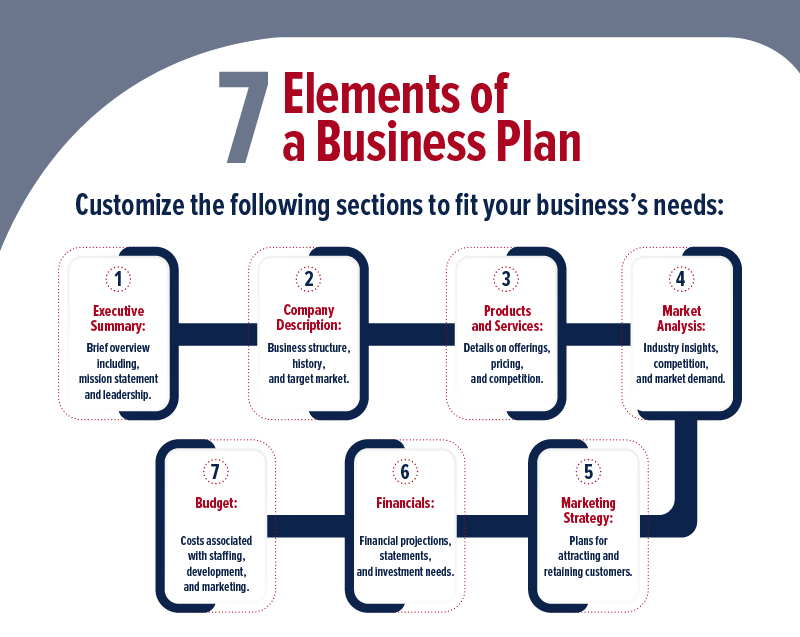
This comprehensive guide delves into the critical elements of constructing a robust business plan, viewed primarily through the lens of financial strategy and management. We will explore how to quantify your vision, secure necessary capital, optimize resource allocation, and continuously monitor financial performance, ensuring that your business not only survives but thrives economically.
The Financial Imperative: Why a Business Plan is Your Monetary Compass
In the complex landscape of entrepreneurship, a business plan acts as your most reliable financial compass, guiding decisions and mitigating risks. It transforms abstract ideas into concrete, measurable financial objectives, allowing for a clear understanding of potential returns, necessary investments, and critical expenditure controls. Without this financial foresight, even the most innovative concept is vulnerable to the volatile currents of the market.
Beyond the Idea: Proving Financial Viability
An excellent business idea is only as good as its capacity to generate revenue and profit. The primary role of a business plan, from a financial perspective, is to meticulously prove this viability. It compels you to move past optimistic assumptions and engage with hard numbers. This involves a thorough market assessment to quantify potential revenue streams, estimating customer acquisition costs, and accurately projecting sales volumes. More critically, it demands a detailed breakdown of all anticipated expenses – fixed and variable – ensuring that the business model can realistically support itself and generate a return on investment. It also forces a critical evaluation of potential financial risks, such as market downturns, unforeseen cost increases, or slower-than-expected revenue growth, and encourages the development of contingency plans to safeguard against them.
Attracting Capital: Speaking the Language of Investors
Whether you’re seeking a bank loan, courting angel investors, or pitching to venture capitalists, the ability to articulate a clear and compelling financial story is paramount. Investors are primarily concerned with the return on their capital, the level of risk involved, and the potential for long-term growth. A well-structured business plan speaks directly to these concerns. It presents detailed financial projections—including income statements, cash flow statements, and balance sheets—that demonstrate how their investment will be utilized, when they can expect to see returns, and the projected valuation of the company. It’s a testament to your understanding of fiscal responsibility and your commitment to maximizing shareholder value, providing the transparency and credibility essential for securing crucial funding.
Operational Efficiency and Resource Allocation
Once funding is secured and operations commence, the business plan transitions into an active tool for managing resources and ensuring financial discipline. It establishes a framework for budgeting and expenditure control, helping to prevent unnecessary spending and ensuring that every dollar spent aligns with strategic objectives. Effective cash flow management, often highlighted within the plan, becomes the lifeblood of day-to-day operations, ensuring liquidity and the ability to meet financial obligations. By systematically outlining how resources—human, technological, and financial—will be allocated and utilized, the business plan directly contributes to operational efficiency, reduces waste, and ultimately enhances the financial health and profitability of the enterprise.
Dissecting the Financial Core: Key Components of Your Business Plan
While a business plan encompasses various sections, its true heart, for the money-focused entrepreneur, lies in its financial components. Each section, from the executive summary to the operational plan, must be infused with a clear understanding of its financial implications.
Executive Summary: The Financial Snapshot
The executive summary is often the first, and sometimes only, part of your plan that potential investors or lenders will read. Therefore, it must encapsulate the financial essence of your venture in a concise, compelling manner. It should clearly state the funding request, if any, and precisely outline how that capital will be deployed to achieve specific financial milestones. Key financial projections, such as anticipated revenue within the first three to five years, projected profit margins, and a brief overview of the expected return on investment (ROI), must be prominently featured. This summary serves as a financial elevator pitch, designed to immediately grab attention and demonstrate the lucrative potential of your business.
Company Description & Market Analysis (from a Financial Lens)
Even seemingly non-financial sections carry significant monetary weight. The company description, for instance, should detail the legal structure (e.g., sole proprietorship, LLC, corporation) due to its implications for taxation, liability, and capital raising. The market analysis delves deep into the financial dynamics of your target market. What is the total addressable market’s spending power? How are competitors priced, and what are their estimated market shares and profitability? Understanding these elements allows you to define your pricing strategy, forecast sales volumes more accurately, and assess the financial viability of your position within the market. Your value proposition must translate directly into customer willingness to pay and, consequently, into your revenue potential and competitive advantage in terms of cost.
Service or Product Line (Financial Implications)
Every product or service offered must be analyzed for its financial contribution. This section requires a thorough breakdown of the pricing strategy, whether it’s cost-plus, value-based, competitive pricing, or a combination. Crucially, you must calculate the Cost of Goods Sold (COGS) for products or the direct cost of providing services, enabling you to determine the gross profit margin for each offering. This granular financial understanding allows for strategic decisions regarding product development, inventory management, and promotional activities, all aimed at maximizing profitability per unit and overall revenue.
Marketing and Sales Strategy (Budget & ROI)
Marketing and sales are not just about brand visibility; they are significant investments that demand a measurable return. This part of your plan details your proposed marketing budget, allocating funds across various channels such as digital advertising, social media, content marketing, and public relations. Crucially, it must project the expected return on marketing investment (ROMI) – how much revenue do you anticipate generating for every dollar spent on marketing? Similarly, the sales strategy should include detailed sales forecasts, outlining expected sales volumes and the revenue they will generate, broken down by product, service, or customer segment. This financial analysis ensures that marketing and sales efforts are not just effective, but also fiscally responsible and profitable.
The Engine of Insight: Crafting Robust Financial Projections
The financial projections are the cornerstone of your business plan, offering a glimpse into your company’s potential future monetary performance. These are not mere guesses, but meticulously calculated estimates based on market research, operational plans, and realistic assumptions.
Startup Costs and Funding Request

For a new venture, this section meticulously details every single expense required to get the business off the ground. This includes legal fees, licenses, equipment purchases, initial inventory, marketing launch costs, leasehold improvements, and working capital to cover early operational expenses before revenue streams stabilize. If seeking funding, this section transparently outlines the exact amount needed and provides a clear justification for how every dollar will be used, demonstrating financial discipline and strategic allocation of capital.
Income Statement (Profit & Loss Statement)
The income statement provides a clear picture of your company’s profitability over a specific period (e.g., quarterly, annually). It begins with revenue forecasts, projected meticulously based on market analysis and sales strategy. From this, you deduct the Cost of Goods Sold (COGS) to arrive at gross profit. Subsequent deductions include operating expenses (e.g., salaries, rent, utilities, marketing, administrative costs), leading to operating profit. Finally, accounting for taxes and interest yields the net profit. Most business plans include multi-year income statements (typically 3-5 years) with detailed assumptions for growth, pricing, and cost structures, allowing stakeholders to assess long-term profitability and sustainability.
Cash Flow Statement
Often considered more critical than the income statement, the cash flow statement tracks the actual movement of cash into and out of your business over a period. It highlights cash generated from operations, investments, and financing activities. A business can be profitable on paper but still run out of cash due to timing differences between revenue collection and expense payments. This statement is vital for ensuring liquidity, managing working capital, and projecting the business’s ability to meet its short-term financial obligations, thereby preventing insolvency. It’s the ultimate arbiter of a company’s ability to pay its bills.
Balance Sheet
The balance sheet offers a snapshot of your company’s financial health at a specific point in time. It adheres to the fundamental accounting equation: Assets = Liabilities + Equity. Assets include everything the company owns (cash, accounts receivable, inventory, property, equipment). Liabilities represent what the company owes (accounts payable, loans, deferred revenue). Equity is the owners’ stake in the company, representing invested capital and retained earnings. The balance sheet provides crucial insights into a company’s financial structure, solvency, and overall financial stability, indicating how resources are financed and deployed.
Break-Even Analysis
A break-even analysis calculates the point at which your total revenue equals your total costs, meaning your business is neither making a profit nor incurring a loss. This critical calculation helps you understand the minimum sales volume required to cover all expenses (both fixed and variable). It’s an invaluable tool for setting sales targets, assessing pricing strategies, and understanding the inherent risk of the business model. Reaching the break-even point is a primary early financial milestone for any new venture.
Operationalizing Financial Success: Management, Resources, and Risk
While financial projections paint a picture of potential, it is the operational plan and the management team that translate these figures into reality. Their effectiveness directly influences the financial outcomes of the business.
Key Personnel and Their Financial Roles
The management team section introduces the individuals responsible for executing the business plan. From a financial perspective, it’s crucial to detail their relevant experience in finance, operations, sales, or any area critical to revenue generation and cost control. Include their proposed salaries and benefits, which will be a significant line item in your expense forecasts. Demonstrating that you have a competent and experienced team with a strong grasp of financial management enhances investor confidence and signals a reduced risk of financial missteps.
Operational Plan and Financial Efficiency
The operational plan details how the business will function day-to-day, and every aspect has financial implications. This includes the supply chain management (optimizing costs of sourcing, production, and distribution), technology investments (e.g., accounting software, CRM systems that improve efficiency and reduce manual errors), and inventory management strategies (minimizing holding costs while preventing stockouts). Contingency planning for operational disruptions, such as supply chain failures or unexpected equipment breakdowns, should also be addressed from a financial perspective – e.g., identifying emergency funds or insurance coverages to mitigate potential losses. Efficient operations directly translate into reduced costs and improved profit margins.
The Living Document: Continuous Financial Planning and Strategic Adaptation
A business plan is not a static document to be filed away once created. It is a dynamic, living tool that requires continuous review, adaptation, and integration into the ongoing financial management of your business.
Monitoring and Performance Measurement
Regularly tracking Key Performance Indicators (KPIs) is crucial for assessing your financial health against the projections in your business plan. Relevant financial KPIs might include gross profit margin, net profit margin, customer acquisition cost (CAC), customer lifetime value (CLTV), return on investment (ROI), and cash conversion cycle. By continuously monitoring these metrics, you can identify deviations from your plan early, understand underlying causes, and take corrective action before minor issues escalate into major financial problems. This iterative process of measurement and evaluation is fundamental to agile financial management.
Adapting to Economic Realities
The business world is rarely predictable. Economic downturns, technological shifts, new competitors, or changes in consumer behavior can all impact your financial outlook. A good business plan incorporates flexibility and encourages scenario planning. What if sales are 20% lower than projected? What if a key raw material cost increases significantly? By developing best-case, worst-case, and most likely financial scenarios, you can anticipate potential challenges and pre-plan responses, ensuring your financial models are robust and adaptable. Continuous budgeting and forecasting, often on a rolling basis, allow you to adjust your financial strategy to reflect current realities and future expectations.

Exit Strategy (Financial Perspective)
Even if an exit is years away, outlining a potential exit strategy adds significant financial credibility to your business plan. It demonstrates a long-term vision for investor returns and provides a framework for future financial valuation. Whether it’s an acquisition by a larger company, an initial public offering (IPO), or a management buyout, the chosen exit strategy influences early financial decisions, such as growth targets, debt management, and profitability metrics. Understanding how your company will eventually generate a substantial financial return for its founders and investors reinforces the plan’s overall financial purpose.
In conclusion, “how do you business plan” is fundamentally a question of financial strategy and foresight. It’s about meticulously charting your monetary course, from the seed of an idea to the harvest of sustained profitability. A comprehensive business plan, steeped in robust financial analysis, not only validates your vision but also serves as an indispensable tool for securing capital, optimizing operations, making informed financial decisions, and navigating the ever-changing economic landscape. By treating your business plan as a dynamic financial blueprint, continually monitoring its performance, and adapting it to new realities, you lay the strongest possible foundation for enduring fiscal success.
aViewFromTheCave is a participant in the Amazon Services LLC Associates Program, an affiliate advertising program designed to provide a means for sites to earn advertising fees by advertising and linking to Amazon.com. Amazon, the Amazon logo, AmazonSupply, and the AmazonSupply logo are trademarks of Amazon.com, Inc. or its affiliates. As an Amazon Associate we earn affiliate commissions from qualifying purchases.