
In an increasingly complex financial world, the role of a bookkeeper remains as critical as ever, serving as the bedrock of sound financial management for businesses of all sizes. Far from being a mere data entry clerk, a modern bookkeeper is a meticulous financial guardian, ensuring accuracy, compliance, and clarity in an organization’s fiscal health. For those with a keen eye for detail, a passion for organization, and an aptitude for numbers, a career in bookkeeping offers stability, demand, and the potential for significant professional growth. Achieving certification elevates this profession, signaling expertise, trustworthiness, and a commitment to best practices. This guide delves into the journey of becoming a certified bookkeeper, illuminating the pathways, requirements, and rewarding opportunities awaiting those who embark on this essential financial career.
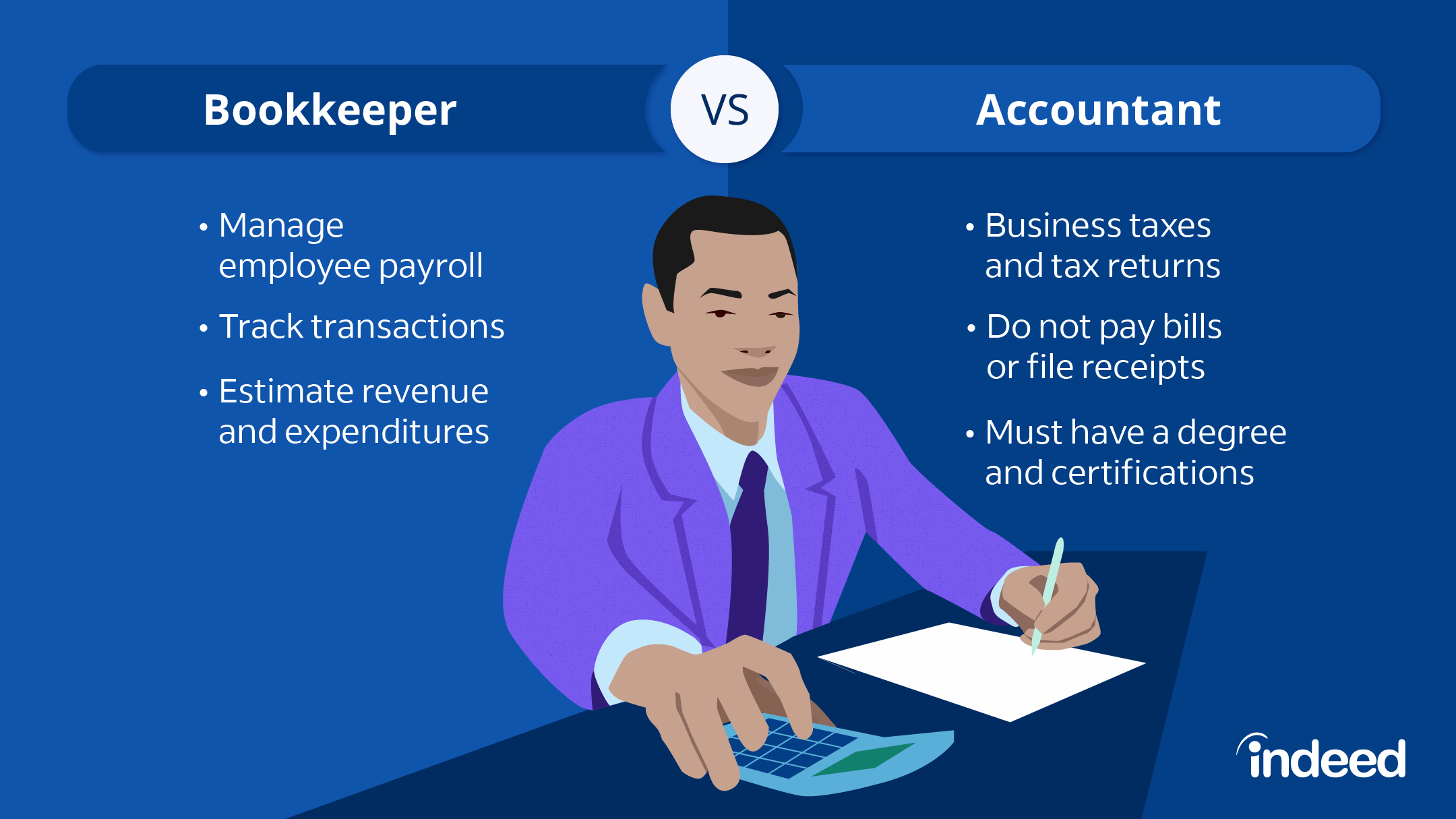
The Indispensable Role of a Bookkeeper in Business Finance
The financial well-being of any enterprise, from a burgeoning startup to a multinational corporation, hinges on accurate record-keeping. Bookkeepers are the unsung heroes who maintain this vital financial infrastructure, providing the raw data upon which all other financial decisions and analyses are built. Their work directly impacts a business’s operational efficiency, compliance with financial regulations, and ultimately, its profitability.
What Exactly Does a Bookkeeper Do?
At its core, bookkeeping involves the systematic recording of financial transactions. This includes managing accounts payable and receivable, reconciling bank statements, processing payroll, tracking inventory, and preparing financial reports like income statements and balance sheets. While often confused with accounting, bookkeeping is distinct; bookkeepers record transactions, while accountants interpret and analyze those records, often providing strategic financial advice. However, in smaller businesses, a bookkeeper might perform some basic accounting functions. Their daily tasks ensure that a company’s financial records are always up-to-date, organized, and ready for review by management, investors, or tax authorities. This foundational work is crucial for budgeting, forecasting, and making informed business decisions, directly impacting the bottom line and demonstrating robust business finance practices.
Why Certification Matters: Trust, Credibility, and Opportunity
In a field where trust and precision are paramount, certification acts as a powerful differentiator. It’s not merely a piece of paper; it’s a verified testament to an individual’s knowledge, skills, and adherence to professional standards. For employers and clients, a certified bookkeeper represents a lower risk, promising a higher level of competency and ethical conduct. Certification often opens doors to better job opportunities, higher earning potential, and the chance to work on more complex and challenging financial assignments. It signifies a commitment to the profession, continuous learning, and a deeper understanding of financial principles, giving certified professionals a competitive edge in a demanding market. This stamp of approval is particularly valuable for those looking to build an online income stream through freelance bookkeeping, as it immediately establishes credibility with potential clients.
Essential Skills for Aspiring Bookkeepers
Beyond technical knowledge, successful bookkeepers possess a unique blend of personal attributes. Accuracy and meticulous attention to detail are non-negotiable, as even minor errors can lead to significant financial discrepancies. Strong organizational skills are vital for managing multiple accounts and deadlines efficiently. A solid understanding of basic mathematics and an aptitude for numbers are fundamental. Furthermore, as technology increasingly integrates into finance, proficiency with financial software and digital tools is crucial. Finally, ethical conduct and discretion are paramount, given access to sensitive financial information. Bookkeepers must maintain confidentiality and uphold the highest standards of integrity.
Navigating the Certification Landscape
The path to becoming a certified bookkeeper involves understanding the various certification options available, meeting educational prerequisites, and successfully passing a comprehensive examination. This journey validates your expertise and prepares you for the realities of modern financial management.
Understanding Different Certification Bodies
Several reputable organizations offer bookkeeping certifications, each with its own focus and requirements. The American Institute of Professional Bookkeepers (AIPB) offers the Certified Bookkeeper (CB) designation, widely recognized for its comprehensive coverage of core bookkeeping principles. Another prominent body is the National Association of Certified Public Bookkeepers (NACPB), which offers the Certified Public Bookkeeper (CPB) license, emphasizing public bookkeeping and client services. Some state-specific organizations may also offer certifications, and certain software vendors, like QuickBooks, provide their own user certifications that can complement general bookkeeping credentials. Choosing the right certification often depends on your career aspirations, whether you plan to work in-house, freelance, or specialize in a particular niche. Researching the specific requirements and recognition of each certification body is a crucial first step.
Educational Pathways to Certification
While a bachelor’s degree in accounting or finance certainly provides a strong foundation, it’s not always a mandatory prerequisite for bookkeeping certification. Many certified bookkeepers begin with a high school diploma followed by specialized bookkeeping courses, often available through community colleges, vocational schools, or online learning platforms. An associate’s degree in accounting or business administration is also a common and effective pathway, providing a broader understanding of business finance. These programs typically cover essential topics such as debits and credits, general ledger management, payroll processing, tax principles, and the use of common accounting software. Self-study programs combined with practical experience can also prepare candidates for certification exams, demonstrating that the field is accessible to individuals from diverse educational backgrounds committed to mastering financial tools.
The Certification Exam: What to Expect
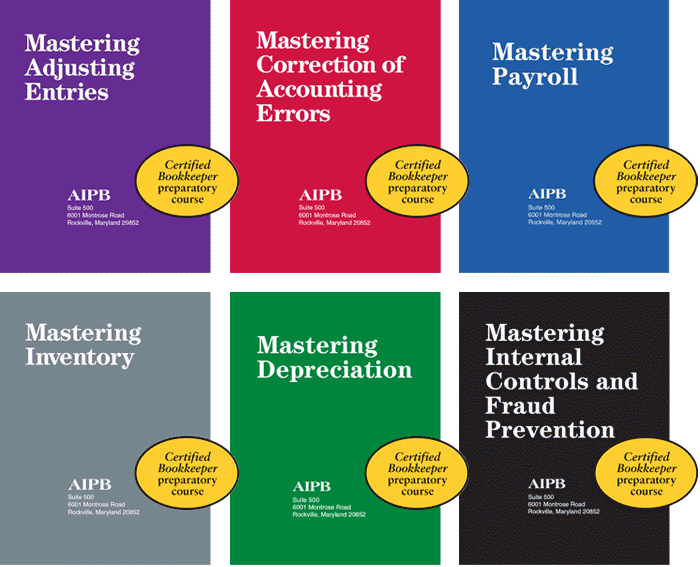
The certification exam is the gatekeeper to professional recognition. While the specific format and content vary by certifying body, most exams test knowledge across several key domains: adjusting entries, error correction, inventory, internal controls, fraud prevention, payroll, and depreciation. Exams typically involve multiple-choice questions, and some may include practical simulations using bookkeeping software. Preparation usually involves reviewing textbooks, practice questions, and taking mock exams. Many certification bodies also offer study guides, online courses, and workshops to help candidates prepare. Passing the exam demonstrates not only theoretical knowledge but also the practical application of bookkeeping principles crucial for effective financial management.
Building Your Expertise and Gaining Practical Experience
Formal education and certification lay the groundwork, but true mastery in bookkeeping comes from hands-on application and continuous adaptation to evolving financial tools and practices. Practical experience solidifies theoretical knowledge and hones the skills necessary for success.
Mastering Bookkeeping Software and Financial Tools

In today’s digital age, manual ledgers are largely a thing of the past. Proficiency in various bookkeeping and accounting software is no longer an advantage but a necessity. Platforms like QuickBooks, Xero, and Sage dominate the market, offering features for invoicing, expense tracking, payroll, and financial reporting. Certified bookkeepers must be adept at navigating these systems, understanding their capabilities, and troubleshooting common issues. Beyond core accounting software, familiarity with spreadsheet programs (e.g., Microsoft Excel), payroll systems, and even basic data analytics tools enhances a bookkeeper’s value. Many software companies offer their own certification programs, which can complement professional bookkeeping certifications and further demonstrate expertise in handling modern financial tools.
Gaining Real-World Experience: Internships and Entry-Level Roles
While theoretical knowledge is essential, practical application brings the curriculum to life. Internships provide invaluable exposure to real-world financial scenarios, allowing aspiring bookkeepers to work alongside experienced professionals, observe best practices, and contribute to actual financial processes. Entry-level positions, such as accounting clerks or junior bookkeepers, offer similar opportunities to gain hands-on experience, manage daily transactions, and interact with various stakeholders within a business. These roles help bridge the gap between academic learning and the practical demands of the profession, building confidence and refining skills like problem-solving and critical thinking under real business finance pressures. Building a portfolio of practical experience is just as important as accumulating certifications.
Continuous Learning and Professional Development
The financial landscape is dynamic, with constant changes in tax laws, accounting standards, and technological advancements. A certified bookkeeper’s journey doesn’t end with passing an exam; it’s a commitment to lifelong learning. Staying current requires ongoing professional development through workshops, webinars, industry conferences, and subscribing to financial publications. Many certification bodies mandate continuing professional education (CPE) credits to maintain certification, ensuring that professionals remain up-to-date with the latest trends and regulations. This continuous pursuit of knowledge ensures that bookkeepers can always provide accurate, compliant, and insightful financial services, adapting to new financial tools and methodologies.
Career Prospects and Earning Potential
Becoming a certified bookkeeper opens a wide array of career opportunities across various industries, offering competitive salaries and diverse paths for professional growth, including online income generation and entrepreneurship.
Diverse Career Paths for Certified Bookkeepers
The demand for skilled bookkeepers is pervasive across almost every sector. Certified professionals can find roles in small businesses, large corporations, non-profit organizations, and government agencies. Many certified bookkeepers choose to work remotely, offering their services to multiple clients, which provides flexibility and the potential for a higher income ceiling. Specialization is also a growing trend; some bookkeepers focus on specific industries (e.g., healthcare, real estate), while others become experts in areas like forensic bookkeeping, payroll management, or virtual bookkeeping services. This versatility means a certified bookkeeper can tailor their career to match their interests and lifestyle, leveraging their expertise in business finance across various platforms.
Understanding Salary Expectations and Growth
Salary expectations for certified bookkeepers vary depending on factors such as location, experience, industry, and the scope of responsibilities. Entry-level positions might start in the mid-$30,000s, while experienced and certified bookkeepers in supervisory roles or specialized niches can earn upwards of $60,000 to $80,000 annually. Those who operate their own bookkeeping businesses often have the potential for even higher earnings, limited only by their client base and service offerings. Certification generally correlates with higher earning potential compared to uncertified professionals, reflecting the added value and trust it brings. As bookkeepers gain more experience and take on advisory roles, their value to businesses continues to increase, leading to further salary growth.
Transitioning to Entrepreneurship: Starting Your Own Bookkeeping Business
One of the most appealing aspects of becoming a certified bookkeeper is the potential to launch your own business. The demand for meticulous financial management among small to medium-sized businesses, many of whom cannot afford a full-time accountant, is immense. As a freelance or virtual bookkeeper, you can set your own hours, choose your clients, and work from anywhere, effectively creating an online income stream or a lucrative side hustle that can evolve into a full-time venture. This entrepreneurial path requires not only bookkeeping expertise but also business acumen, marketing skills, and the ability to manage client relationships. With the right strategies and a strong professional network, a certified bookkeeper can build a thriving independent practice, offering specialized financial tools and insights to a diverse clientele.
The Future of Bookkeeping: Adapting to Technological Advancements
The bookkeeping profession is not immune to technological shifts; in fact, it’s being transformed by them. Certified bookkeepers must embrace these changes to remain relevant and indispensable.
The Impact of Automation and AI on Bookkeeping
Automation and artificial intelligence (AI) are revolutionizing how financial transactions are processed. Routine tasks such as data entry, reconciliation, and expense categorization are increasingly being handled by intelligent software. This shift means that the bookkeeper’s role is evolving from transactional processing to one of oversight, analysis, and strategic input. Instead of fearing these advancements, certified bookkeepers should view them as opportunities to enhance efficiency, reduce errors, and free up time for more complex, value-added activities. Understanding how to leverage AI-powered financial tools is becoming a core competency.
Developing Advisory Skills for a Changing Landscape
As automation handles the mundane, the modern bookkeeper’s value increasingly lies in their ability to analyze financial data and provide insights. This means developing advisory skills: helping clients understand their financial reports, identifying trends, advising on cost-saving measures, and assisting with financial planning. Certified bookkeepers who can move beyond basic record-keeping to offer strategic guidance will be highly sought after. This transformation positions them as trusted financial advisors, providing critical support that goes beyond mere numbers, directly impacting business finance strategies.
Embracing Cloud-Based Solutions for Remote Work
Cloud computing has made remote bookkeeping not just possible, but highly efficient. Cloud-based accounting software allows bookkeepers to access client data from anywhere, collaborate seamlessly with clients and accountants, and maintain real-time financial records. This flexibility is a significant advantage for those seeking work-life balance or looking to build a remote client base, contributing to the growth of online income opportunities. Embracing these cloud solutions is essential for efficiency, scalability, and staying competitive in a globalized market, leveraging financial tools that offer unparalleled access and collaboration capabilities.
Becoming a certified bookkeeper is a strategic career choice for anyone passionate about precision, organization, and the financial health of businesses. It’s a journey that demands dedication to education, commitment to continuous learning, and adaptability to technological advancements. Yet, the rewards are substantial: a stable and in-demand profession, diverse career opportunities, competitive earning potential, and the chance to contribute meaningfully to the success of individuals and organizations. With the right certification and a proactive approach to professional development, aspiring bookkeepers can carve out a successful and fulfilling career in the dynamic world of money management.
aViewFromTheCave is a participant in the Amazon Services LLC Associates Program, an affiliate advertising program designed to provide a means for sites to earn advertising fees by advertising and linking to Amazon.com. Amazon, the Amazon logo, AmazonSupply, and the AmazonSupply logo are trademarks of Amazon.com, Inc. or its affiliates. As an Amazon Associate we earn affiliate commissions from qualifying purchases.