
Applying for a credit card is more than just a simple administrative task; it is a significant step toward establishing financial independence and building a robust credit profile. In today’s modern economy, a credit card is an essential financial tool that offers convenience, security, and the opportunity to earn rewards. However, the process can often feel daunting for those who are unfamiliar with the nuances of the financial industry. From understanding your credit score to choosing the right product for your lifestyle, the journey requires careful planning and strategic decision-making.
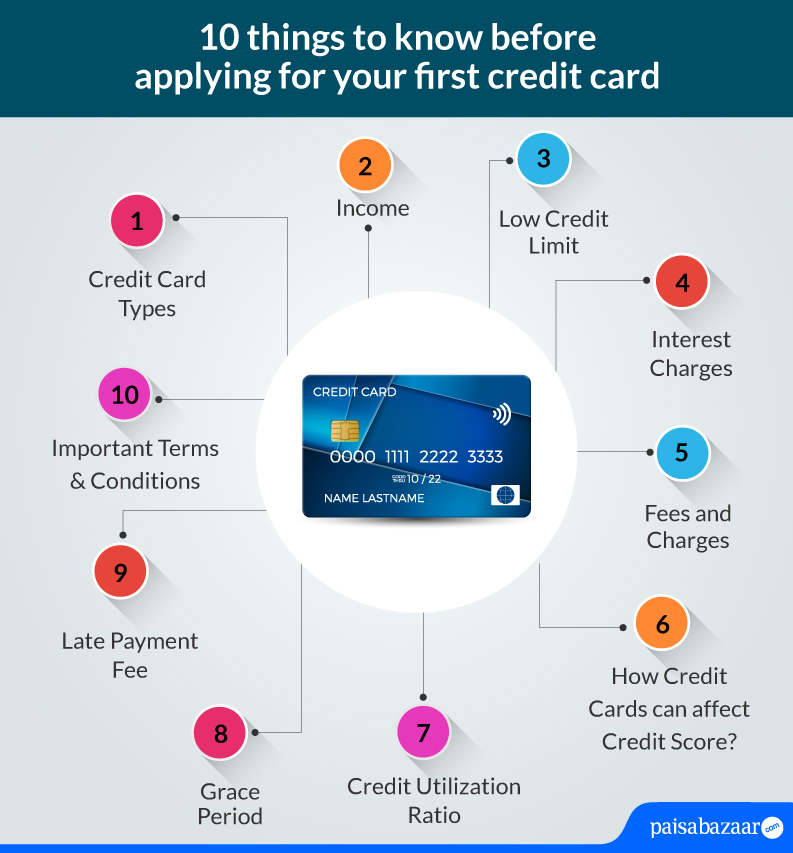
This guide provides an in-depth exploration of how to apply for a credit card, ensuring you are equipped with the knowledge to navigate the application process successfully and leverage your new line of credit for long-term financial health.
1. Understanding Your Financial Profile Before You Apply
Before you ever click the “Apply Now” button, you must have a clear understanding of your current financial standing. Lenders use specific metrics to determine your creditworthiness, and knowing these numbers beforehand will help you target cards you are likely to be approved for.
Assessing Your Credit Score
Your credit score is the most critical factor in the application process. Most lenders use the FICO score model, which ranges from 300 to 850. A score above 670 is generally considered “good,” while scores above 800 are “exceptional.” If you are a first-time applicant or have a “thin” credit file, you may need to look into specialized products like student cards or secured cards. Checking your credit report through services like AnnualCreditReport.com or your bank’s mobile app allows you to identify any errors that might negatively impact your application.
Evaluating Your Income and Debt-to-Income Ratio
Credit card issuers are legally required to ensure that a borrower has the “ability to pay.” During the application, you will be asked for your gross annual income. This includes not just your salary, but also bonuses, investment income, and, in some cases, household income if you have reasonable access to it. Additionally, lenders look at your Debt-to-Income (DTI) ratio. If a large portion of your monthly income is already allocated to student loans, car payments, or rent, a lender may view you as a higher risk, even if your credit score is high.
Identifying Your Financial Goals
Why do you want a credit card? Your answer should dictate which card you apply for. If you are looking to save money on existing debt, a balance transfer card with a 0% introductory APR is the right choice. If you travel frequently, a card that offers airline miles or lounge access would be more beneficial. Conversely, if you are simply looking to build credit, a basic card with no annual fee should be your primary focus.
2. Choosing the Right Credit Card for Your Needs
The market is saturated with hundreds of credit card offers, each promising different perks. To make an informed choice, you must look beyond the marketing glitz and examine the underlying terms and conditions.
Rewards vs. Low Interest
Financial tools generally fall into two categories: those that reward spending and those that minimize the cost of borrowing. Rewards cards (cash back, points, or miles) are ideal for those who plan to pay their balance in full every month. However, these cards often come with higher interest rates (APR). If you anticipate carrying a balance from month to month, a low-interest card is a much more economical choice, as the interest charges on a rewards card will quickly outweigh any benefits earned.
Comparing Fees and APRs
The “Schumer Box” is a standardized table found in credit card agreements that discloses all interest rates and fees. When comparing cards, pay close attention to the following:
- Annual Fees: Some premium cards charge $95 to $695 per year. Ensure the benefits outweigh this cost.
- APR (Annual Percentage Rate): This is the cost of borrowing. Note that many cards offer a variable APR based on the Prime Rate.
- Foreign Transaction Fees: If you plan to use the card abroad, look for one that waives these fees (usually 3%).
- Penalty Fees: Understand the costs associated with late payments or going over your limit.
Secured vs. Unsecured Cards
For individuals with no credit history or a history of financial missteps, an unsecured card may be out of reach. In this case, a secured credit card is an excellent stepping stone. With a secured card, you provide a refundable security deposit (often $200–$500) that serves as your credit limit. This minimizes the risk for the bank while allowing you to report positive payment history to the credit bureaus. After a period of responsible use, most issuers will “graduate” you to an unsecured card and return your deposit.
3. The Step-by-Step Application Process
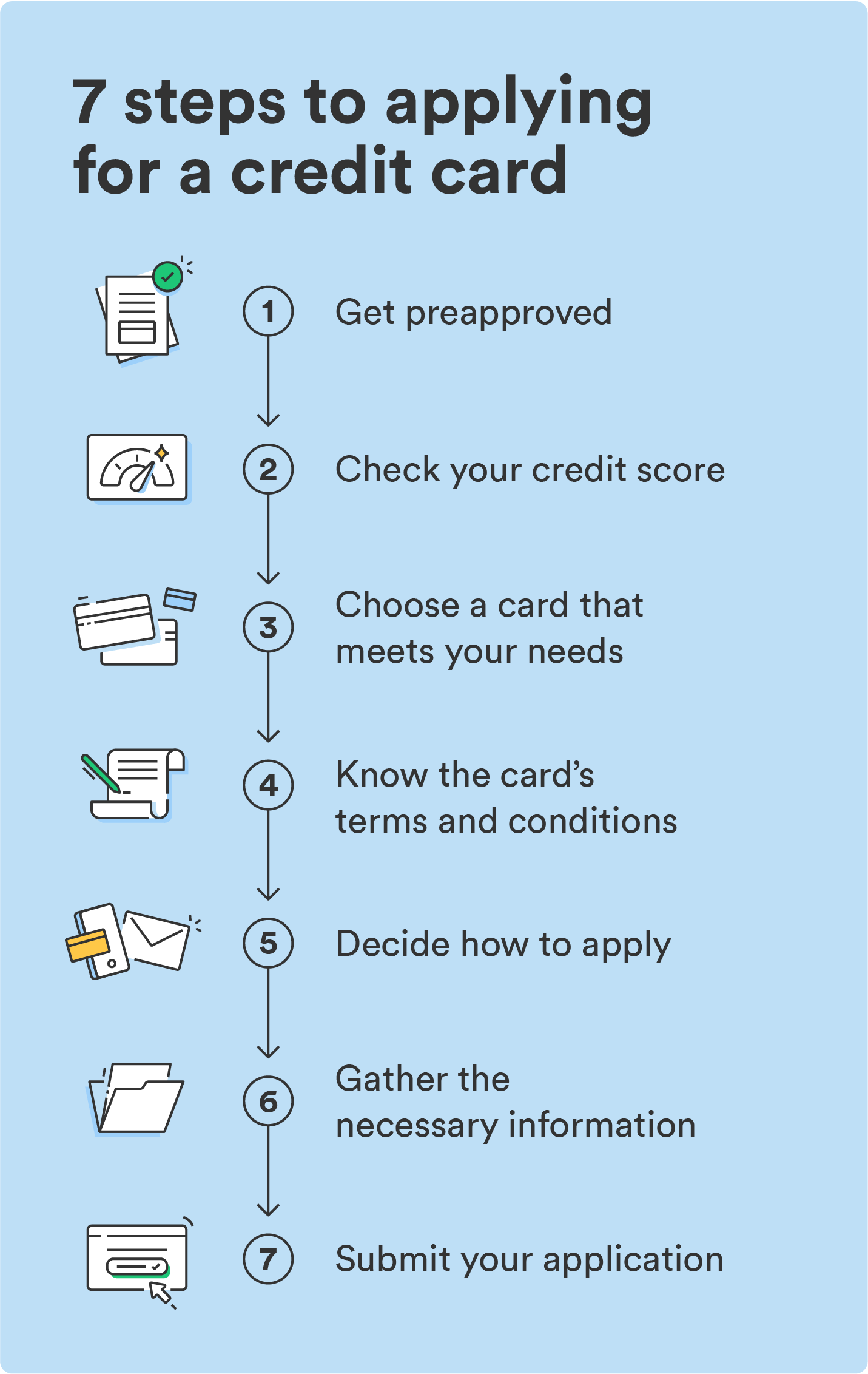
Once you have identified the right card, the actual application process is relatively straightforward, but it requires precision to avoid unnecessary delays or denials.
Gathering Necessary Documentation
To complete an application, you will need several pieces of personal information. Having these ready will streamline the process:
- Personal Identification: Your full legal name, Social Security Number (SSN) or Individual Taxpayer Identification Number (ITIN), and date of birth.
- Contact Information: Your physical residential address (not a P.O. Box), email address, and phone number.
- Financial Details: Total annual gross income and your monthly housing payment (rent or mortgage).
Navigating Pre-Approval and Hard Inquiries
Many issuers offer a “pre-approval” or “pre-qualification” tool on their website. This is a highly recommended first step because it uses a “soft pull” on your credit, which does not impact your credit score. It gives you a strong indication of your chances of approval. However, once you officially submit the application, the lender will perform a “hard inquiry.” This will cause a temporary dip in your credit score (usually five points or less) and will remain on your credit report for two years.
Completing the Online Application
Most credit card applications today are completed online and take less than ten minutes. Ensure you are on a secure, private Wi-Fi connection—never apply over public Wi-Fi due to the sensitive nature of the data involved. Double-check all entries for accuracy; a simple typo in your SSN or address can lead to an automatic rejection or a lengthy verification process. Once you click “Submit,” the issuer’s algorithm will often provide a decision within 60 seconds.
4. What to Do After Submitting Your Application
The period following your submission can result in an instant “Yes,” an instant “No,” or a “Pending” status. Each outcome requires a specific set of next steps.
Handling Approval or Pending Status
If you are approved, congratulations! You will typically receive your physical card in the mail within 7–10 business days. Some issuers may provide a virtual card number immediately for online shopping. If your status is “pending” or “under review,” do not panic. This often means the issuer needs to verify your identity or income manually. You can call the issuer’s “reconsideration line” to ask if there is any additional information you can provide to speed up the process.
Managing Rejection: The Adverse Action Notice
If your application is denied, the lender is legally required by the Equal Credit Opportunity Act (ECOA) to send you an “Adverse Action Notice.” This document will explain exactly why you were turned down (e.g., “credit score too low” or “too many recent inquiries”). Use this as a roadmap for improvement. Furthermore, a rejection entitles you to a free copy of the credit report the lender used, allowing you to check for inaccuracies that might have caused the denial.
Activating and Securing Your New Card
Upon receiving your card, you must activate it via the issuer’s website, mobile app, or by calling the number on the sticker. Immediately set up your online account and enable two-factor authentication (2FA) for security. This is also the best time to set up “Auto-pay” for at least the minimum balance to ensure you never miss a payment, which is the single most important factor in maintaining a healthy credit score.
5. Best Practices for Long-Term Credit Success
Applying for the card is only the beginning. The way you manage the card in the months following approval will determine whether it becomes a financial asset or a liability.
Maintaining a Low Credit Utilization Ratio
Credit utilization—the amount of credit you use compared to your total limit—accounts for 30% of your FICO score. Financial experts recommend keeping this ratio below 30%, and ideally below 10%. For example, if your new card has a $1,000 limit, try not to let your reported balance exceed $300. You can manage this by making multiple small payments throughout the month rather than waiting for the due date.
The Importance of On-Time Payments
Payment history is the most significant component of your credit score, accounting for 35%. Even one payment that is 30 days late can cause a massive drop in your score and stay on your record for seven years. To maximize the benefits of your new card, treat it like a debit card: only spend what you can afford to pay off in full every month. This strategy allows you to build credit and earn rewards without ever paying a cent in interest.

Conclusion
Applying for a credit card is a strategic financial move that requires preparation, research, and disciplined follow-through. By understanding your credit profile, choosing the right product, and following a methodical application process, you can secure a powerful tool that enhances your purchasing power and financial security. Remember that a credit card is a reflection of your financial habits; used wisely, it is a bridge to future goals like homeownership and investment; used recklessly, it can become a barrier. Approach your application with a plan, and you will set the stage for a lifetime of financial success.
aViewFromTheCave is a participant in the Amazon Services LLC Associates Program, an affiliate advertising program designed to provide a means for sites to earn advertising fees by advertising and linking to Amazon.com. Amazon, the Amazon logo, AmazonSupply, and the AmazonSupply logo are trademarks of Amazon.com, Inc. or its affiliates. As an Amazon Associate we earn affiliate commissions from qualifying purchases.