
In the rapidly evolving landscape of personal finance, the bridge between traditional banking and digital ecosystems has become a focal point for consumers seeking convenience and speed. Cash App, developed by Block, Inc., has emerged as a cornerstone of this transition, evolving from a simple peer-to-peer (P2P) payment tool into a multifaceted financial platform. Understanding how to efficiently add money to your Cash App balance is more than just a technical necessity; it is a fundamental skill for managing modern liquidity, facilitating instant investments, and navigating a cashless economy.
To maximize the utility of your digital wallet, you must understand the various channels through which capital can flow into the ecosystem. Whether you are transitioning physical currency into a digital format or moving funds between institutional accounts, the process is designed to be seamless yet secure. This guide explores the diverse methods of funding your account, the strategic advantages of each, and the security protocols necessary to protect your assets.
Linking Traditional Bank Accounts and Debit Cards
The most common and efficient way to fund a Cash App account is by establishing a connection with a traditional financial institution. This link acts as a primary artery for your capital, allowing for the near-instantaneous transfer of funds from a standard checking account to your digital balance.
The Importance of Verifying Your External Accounts
Before you can move significant sums of money, Cash App requires a verification process to ensure the integrity of the transaction. This is typically handled through a secure third-party integration, such as Plaid, which allows the app to communicate with your bank without exposing your sensitive login credentials directly to the platform.
From a personal finance perspective, linking a verified bank account is the most cost-effective method of adding funds. Unlike certain credit card transactions that may incur cash advance fees from your provider, standard ACH transfers or debit card “Add Cash” actions are generally free within the Cash App ecosystem. This ensures that your principal remains intact as it moves through different stages of your financial workflow.
Step-by-Step Guide to Adding a Debit Card
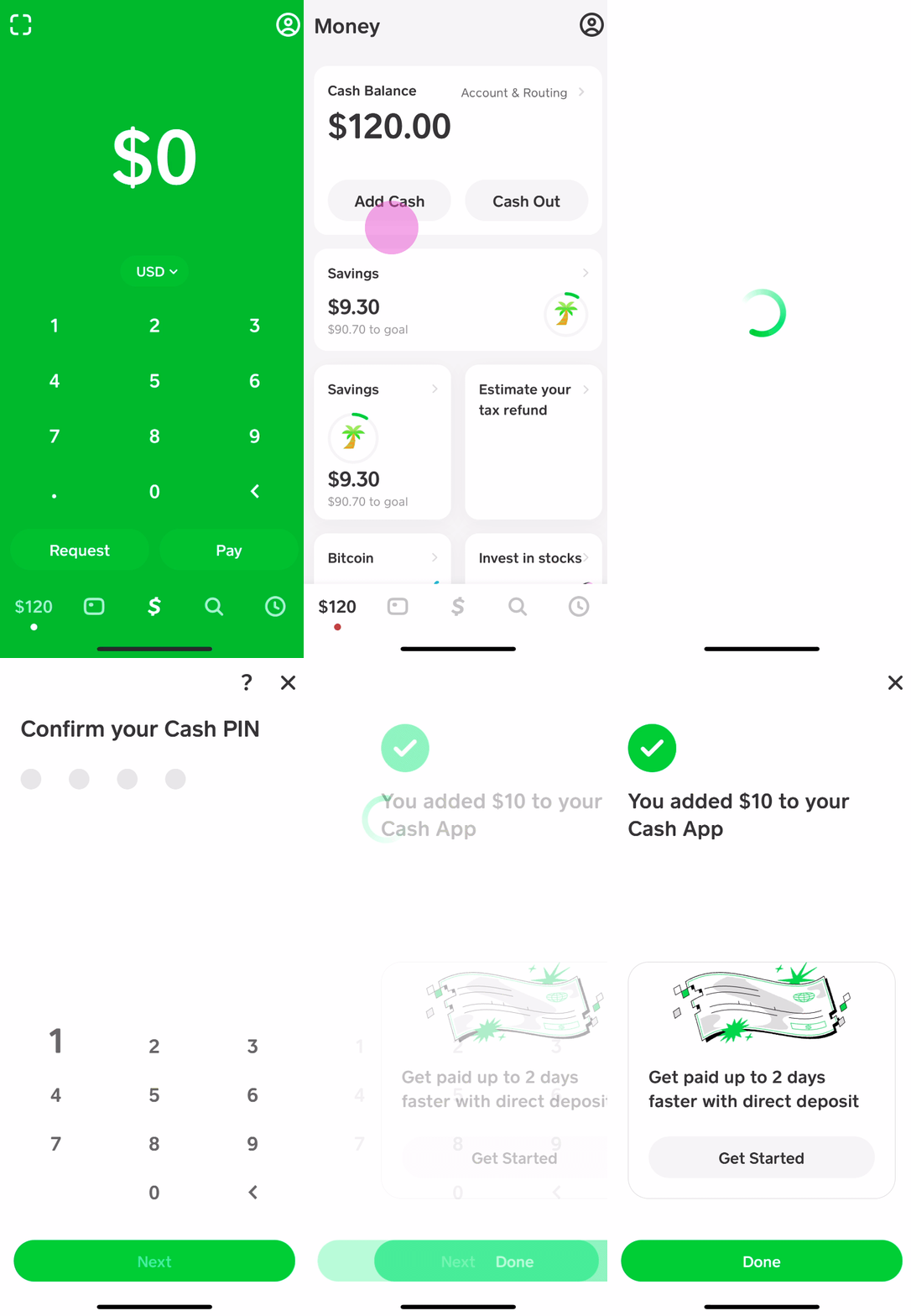
Linking a debit card is the preferred method for users who require immediate access to their funds. To initiate this, you navigate to the “Banking” or “Money” tab on the home screen and select the option to link a bank account. By entering your debit card information, you create a real-time bridge.
Once the card is linked, the “Add Cash” feature becomes available. You simply enter the desired amount, confirm the transaction with your PIN or biometric authentication, and the funds are moved instantly from your bank’s ledger to your Cash App balance. This immediate availability is crucial for individuals who use Cash App for time-sensitive payments or to capitalize on sudden investment opportunities in the app’s stock or Bitcoin features.
Utilizing Physical Cash Deposits at Retail Locations
Despite the surge in digital transactions, physical currency remains a significant part of the global economy. Cash App bridges the gap for “unbanked” or “underbanked” individuals—or simply those with physical cash on hand—by allowing for deposits at major retail chains.
Participating Retailers and Convenience Fees
Cash App has partnered with a vast network of national retailers to serve as physical “branches” for your digital account. This includes major brands such as 7-Eleven, Walgreens, Duane Reade, Walmart, and Family Dollar. This network effectively turns thousands of storefronts into deposit centers, providing a level of physical accessibility that many traditional banks cannot match.
However, from a financial management standpoint, it is important to note that these transactions often come with a small convenience fee, typically around $1 per deposit. While this is a minor cost, frequent small deposits can erode your capital over time. For optimal financial efficiency, it is often better to deposit larger lump sums rather than multiple small increments to minimize the impact of these service fees.
Generating the Paper Money Deposit Barcode
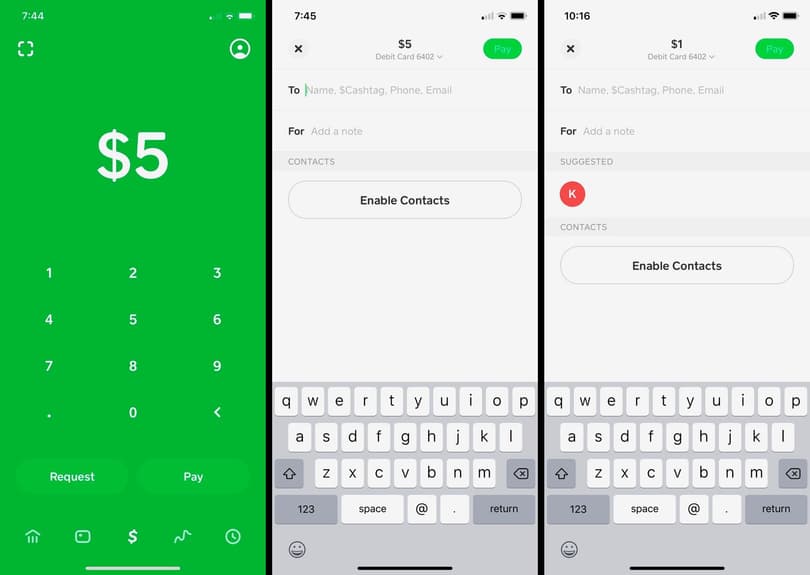
To deposit physical cash, the user must utilize the “Paper Money” feature within the app. This generates a unique, time-sensitive barcode that the retail cashier scans at the point of sale. Once the cashier scans the code and accepts the physical currency, the funds are electronically transmitted to your account.
It is vital to retain the physical receipt from the retailer until the funds appear in your digital balance, which usually occurs within minutes. This method provides a critical entry point for capital that would otherwise remain outside the digital financial system, allowing users to pay bills online or send money to others using their physical earnings.
Direct Deposits and Peer-to-Peer Transfers
For many users, Cash App has transcended its role as a secondary wallet to become a primary financial hub. This shift is largely driven by the ability to receive direct deposits and peer-to-peer transfers, which serve as passive or active ways to grow your balance.
Setting Up Direct Deposit for Faster Paychecks
One of the most powerful features for managing personal cash flow is Cash App’s direct deposit functionality. By providing a routing and account number—similar to a traditional bank—the app allows users to have their paychecks, tax refunds, and government stimulus payments deposited directly into their balance.
The strategic advantage here is speed. Cash App often makes these funds available up to two days earlier than traditional banks, which may hold deposits for verification. For individuals managing tight monthly budgets, this 48-hour window can be the difference between paying a bill on time and incurring a late fee. To set this up, users can find their account and routing numbers in the “Banking” tab and provide them to their employer’s payroll department.
Receiving Money from Other Cash App Users
The “velocity of money” is a concept that refers to how quickly capital moves through an economy. In the Cash App ecosystem, the velocity is extremely high due to peer-to-peer transfers. Whether you are splitting a dinner bill, receiving payment for a side hustle, or getting a gift from a family member, receiving funds from another user is the most organic way to add money to your account.
These transfers are instantaneous and generally free of charge. From an income-tracking perspective, these transfers are logged in your activity feed, providing a transparent audit trail of your digital income. For those using the app for business purposes, it is important to distinguish between personal transfers and business payments to ensure compliance with tax regulations and to take advantage of business-specific account features.
Security Protocols and Managing Your Digital Wallet
As you increase the amount of capital held within your Cash App account, the importance of financial security cannot be overstated. Managing a digital balance requires a proactive approach to protecting your assets from unauthorized access and fraudulent activity.
Protecting Your Balance with Security Locks
Cash App offers several layers of defense designed to protect your liquidity. The “Security Lock” feature is perhaps the most important; it requires a PIN or biometric scan (such as FaceID or TouchID) for every outgoing payment or “Add Cash” request. This ensures that even if your mobile device is compromised, your funds remain inaccessible to third parties.
Furthermore, users should enable “Notification” settings to receive real-time alerts for every transaction. This immediate feedback loop allows you to spot and report suspicious activity the moment it occurs. In the world of digital finance, the speed of your response is often the deciding factor in whether or not lost funds can be recovered.

Best Practices for Avoiding Scams and Fraud
Financial literacy in the digital age involves recognizing the tactics used by bad actors. Because Cash App transactions are often instantaneous and irreversible, they are a target for “authorized push payment” scams. Users should never add money to their account or send funds to individuals promising “cash flips” or claiming to be representatives from government agencies or tech support.
A professional approach to using Cash App involves treating your “Cashtag” and account information with the same level of confidentiality as your social security number or traditional bank login. By maintaining a disciplined approach to security and utilizing the diverse funding methods available, you can ensure that Cash App serves as a robust, flexible, and secure pillar of your personal financial strategy.
In conclusion, adding money to Cash App is a gateway to a broader world of digital financial services. Whether you choose the speed of a debit card, the accessibility of a retail deposit, or the consistency of a direct deposit, each method offers unique advantages designed to suit different lifestyle needs. By mastering these tools, you take a significant step toward total control over your digital assets and financial future.
aViewFromTheCave is a participant in the Amazon Services LLC Associates Program, an affiliate advertising program designed to provide a means for sites to earn advertising fees by advertising and linking to Amazon.com. Amazon, the Amazon logo, AmazonSupply, and the AmazonSupply logo are trademarks of Amazon.com, Inc. or its affiliates. As an Amazon Associate we earn affiliate commissions from qualifying purchases.