
The modern financial landscape has seen a significant shift toward the use of prepaid instruments as versatile tools for both gifting and personal budgeting. Among these, the American Express Gift Card stands out as a premium option, offering the prestige of the Amex brand with the flexibility of a debit-style card. However, the utility of these cards is entirely contingent upon a successful activation process. While many retail-purchased cards are activated at the point of sale, others—specifically those ordered online or received through corporate incentive programs—require a manual initiation to unlock their purchasing power. Understanding the nuances of this process is essential for ensuring financial security and immediate access to funds.
The Initial Steps: Streamlining the Activation Workflow
Activating an American Express Gift Card is a straightforward procedure designed with consumer convenience in mind. The process typically branches into two primary methods: digital activation through the official portal and telephonic activation via an automated system. Both pathways serve the same purpose—verifying that the card is in the hands of the rightful owner and syncing the card’s unique identification numbers with the American Express global payment network.
Online Activation via the Official Portal
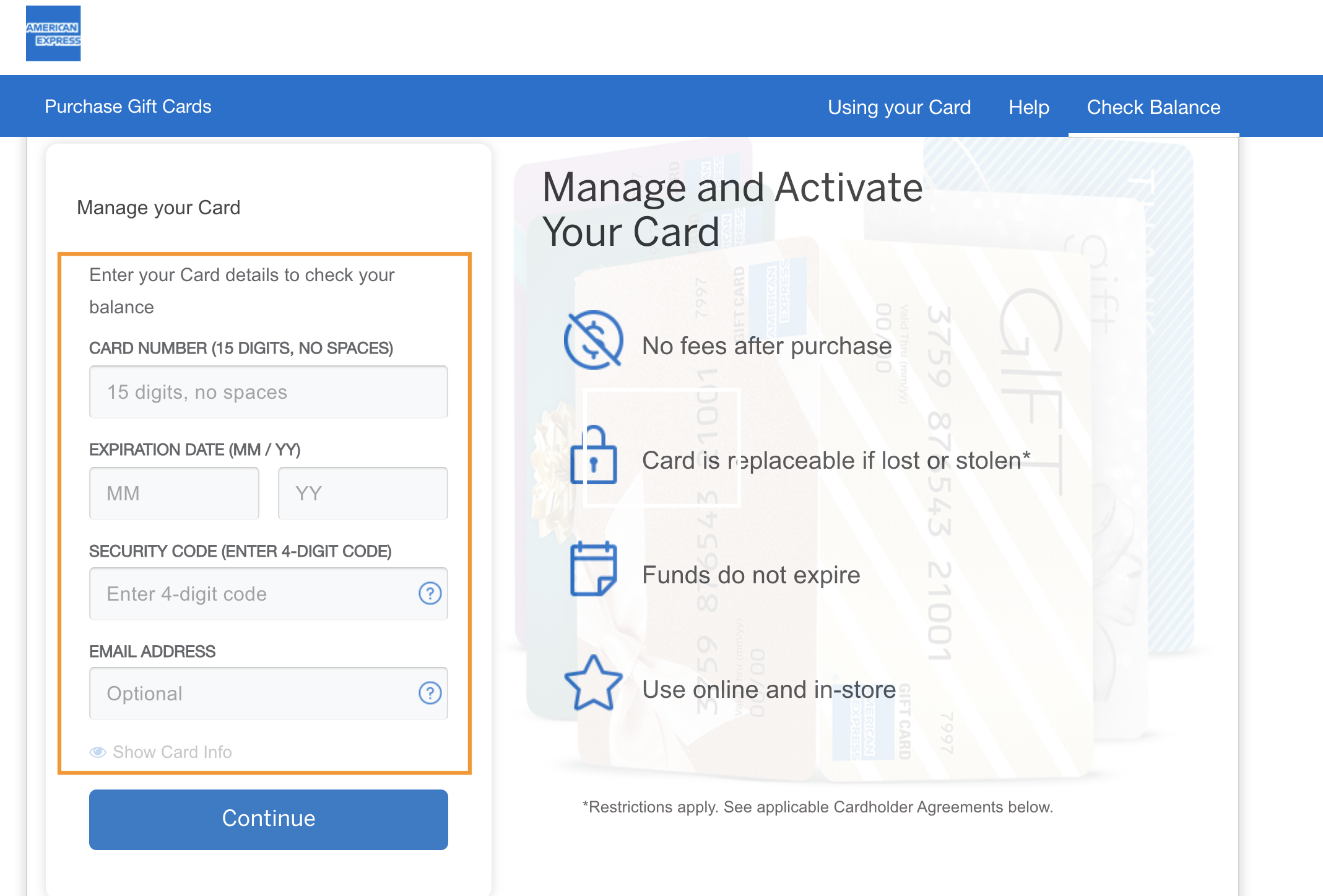
For the majority of users, the most efficient route is the American Express online activation center. Upon receiving your card, the first step is to locate the specific URL provided on the packaging or the sticker affixed to the front of the plastic. Navigating directly to the official American Express website ensures that you are operating within a secure financial environment, protecting your card data from phishing attempts.
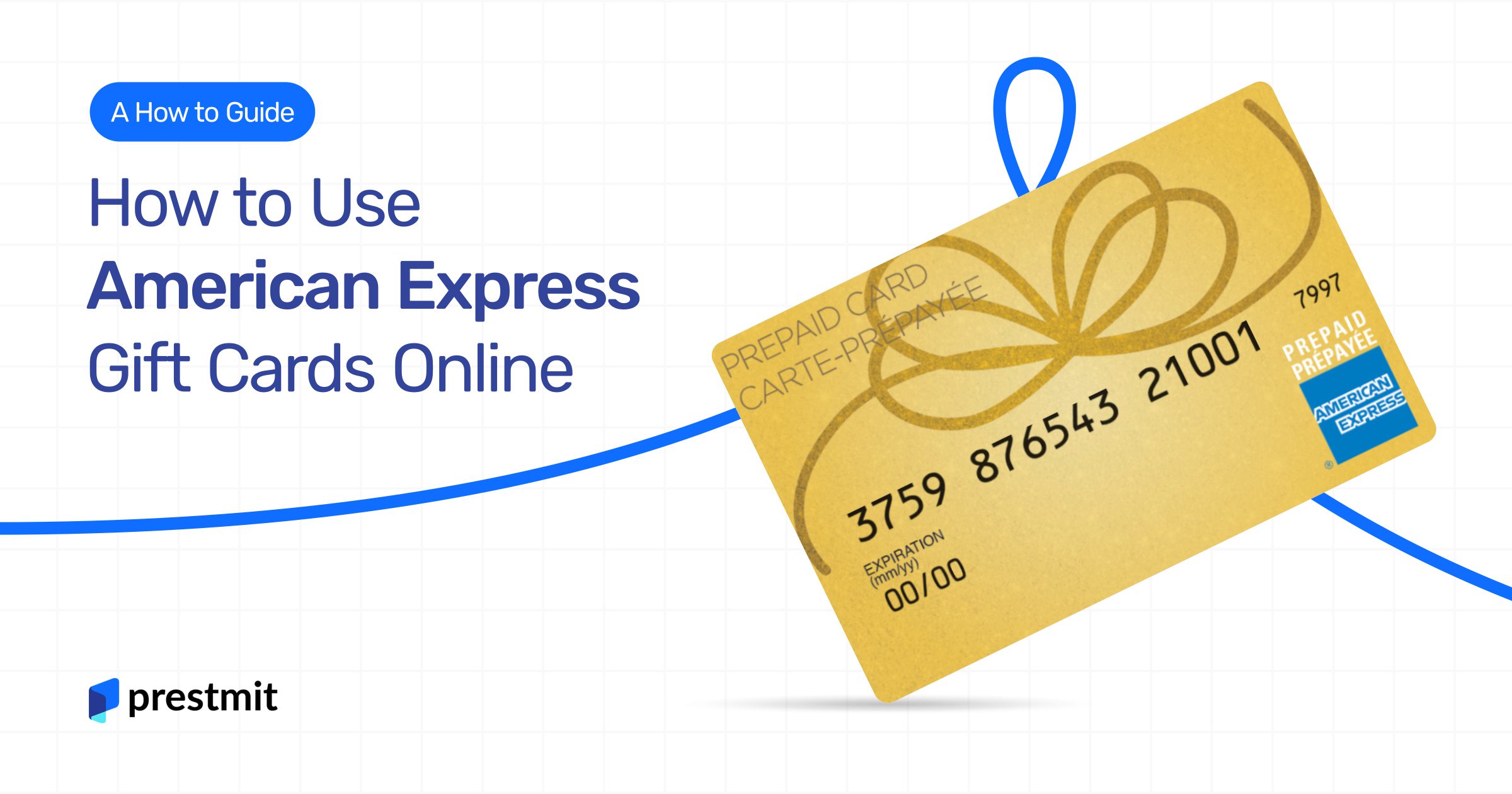
Once on the site, you will be prompted to enter the 15-digit card number found on the front of the card. Unlike Visa or Mastercard, which typically use 16-digit sequences, American Express utilizes a unique 15-digit configuration. Following this, you must provide the 4-digit Security Code (CID) located on the front of the card, usually positioned above the 15-digit number on the right-hand side. Finally, the system will ask for the valid-thru date. Once this information is submitted, the system performs a real-time validation, and the funds become available for use across millions of merchant locations.
Telephonic Activation and In-Store Validation
For individuals who prefer a more traditional approach or those without immediate internet access, American Express provides a dedicated toll-free number for card services. This number is embossed on the back of the card. When calling, you will interact with an Interactive Voice Response (IVR) system. You will need to have your card information ready, as the system will request the same identifiers required by the website: the 15-digit card number, the 4-digit CID, and the expiration date.
It is also important to note the distinction between cards purchased at retail locations and those received via mail. In most retail scenarios, such as at a grocery store or pharmacy, the cashier activates the card at the register the moment the transaction is finalized. In these cases, your receipt serves as proof of activation. If you find that a retail-purchased card is not working, the first step should be checking the receipt to ensure the “Activation Successful” message was printed.
Security Protocols and Fraud Prevention for Prepaid Instruments
In the realm of personal finance, the security of prepaid assets is just as critical as the security of a primary checking account. Because American Express Gift Cards are not linked to a personal bank account, they offer a layer of anonymity that many consumers find appealing. However, this same feature means that once the funds are gone, they are often difficult to recover. Activation is the first line of defense in establishing a secure link between the user and the asset.
Protecting Your Card Information
The moment your card is activated, it becomes “live” and functionally equivalent to cash. It is imperative to treat the 15-digit number and the 4-code CID with the highest level of confidentiality. Fraudsters often use sophisticated “card-testing” bots to guess valid card combinations. By keeping your card information stored in a secure location and only entering it into reputable merchant websites, you mitigate the risk of balance depletion through unauthorized transactions.
One of the most effective security measures you can take post-activation is signing the back of the card immediately. While many online transactions do not require a physical signature, brick-and-mortar merchants may use the signature to verify the user’s identity. Furthermore, keeping a record of the card’s serial number and the customer service number separately from the physical card is a vital step in financial contingency planning.
Registering Your Card for Online Purchases
While activation makes the card usable, “registration” is a secondary, highly recommended step for modern consumers. Most online retailers utilize an Address Verification System (AVS) to prevent fraud. This system checks whether the billing address provided during checkout matches the address on file with the card issuer.
Since Amex Gift Cards are typically “non-personalized,” they do not automatically have an address associated with them. By visiting the American Express Gift Card website and registering your card with your zip code and name, you ensure that your card will be accepted by major e-commerce platforms like Amazon, Walmart, or eBay. This simple administrative task significantly reduces the frequency of declined transactions during the digital checkout process.

Strategic Financial Management: Using Your Amex Gift Card Effectively
An American Express Gift Card is more than just a convenient way to shop; it is a financial tool that, when used strategically, can assist in budgeting and expense tracking. Unlike a credit card, which facilitates debt, a prepaid card limits spending to the exact amount loaded onto the card, providing a hard ceiling that is beneficial for disciplined financial management.
Understanding Merchant Acceptance and Limitations
American Express is accepted globally at millions of locations, but it is important to recognize that prepaid cards function differently than standard credit cards in certain commercial environments. For instance, some automated fuel dispensers (gas pumps) may place a temporary “hold” on the card that exceeds the actual purchase amount. To avoid a declined transaction, it is often better to pay the attendant inside the station for a specific dollar amount.
Similarly, restaurants often apply an automatic 20% “buffer” to the authorization request to account for a potential tip. If your card has a $50 balance and your bill is $45, the card may be declined because the total authorized amount (including the 20% buffer) exceeds the available balance. Understanding these industry-specific protocols allows you to manage your card’s liquidity more effectively and avoid the frustration of unnecessary declines.
Managing Remaining Balances and “Split-Tender” Transactions
One of the most common challenges in using gift cards is exhausting the final few dollars of the balance. Many consumers leave small amounts—ranging from $0.50 to $5.00—on their cards, which effectively results in a loss of capital over time. To capture the full value of the card, you can utilize “split-tender” transactions.
In a split-tender transaction, you ask the merchant to charge the exact remaining balance of the gift card and then pay the difference with another form of payment, such as cash or a debit card. While most physical retailers can process this easily, not all online platforms support split-tender. For online shopping, a common strategy to drain a card’s balance is to purchase a digital store gift card (like an Amazon Reload) for the exact amount remaining on your Amex card. This transfers the value to a platform you use frequently, ensuring no cent is wasted.
Troubleshooting Technical and Financial Discrepancies
Even with a clear understanding of the activation process, users may occasionally encounter hurdles. These issues are rarely insurmountable and usually stem from timing delays or data entry errors.
Addressing Activation Delays and System Syncing
In some instances, there may be a lag between the physical purchase of a card and its availability for activation in the American Express system. If you attempt to activate a card immediately after buying it and receive an “invalid card” error, it is likely that the retailer’s system has not yet communicated the sale to Amex. In the financial industry, this is known as a synchronization delay. It is recommended to wait at least 24 hours before escalating the issue to customer service if a new card fails to activate instantly.
Lost, Stolen, or Damaged Cards
If a card is lost or stolen after activation, your financial recourse depends on whether you have the card’s identifying information. American Express can often replace a lost card and transfer the remaining balance to a new one, but they will require the card number, CID, and potentially the original purchase receipt. This highlights the importance of the documentation mentioned earlier. Note that a replacement fee may apply, which is deducted from the card’s balance, so it is always fiscally prudent to treat the card with the same care as a high-value banknote.
The Broader Impact of Prepaid Cards on Personal Liquidity
The American Express Gift Card represents a specific niche in the broader ecosystem of “stored value” products. From a personal finance perspective, these cards offer a way to compartmentalize spending. For example, a consumer might use a gift card specifically for “discretionary spending” or “entertainment,” keeping those funds separate from their primary checking account intended for rent and utilities.
Furthermore, these cards provide a safe way to conduct transactions on unfamiliar websites. By using a prepaid card with a fixed limit, you protect your primary bank accounts from exposure in the event of a merchant data breach. This “firewall” effect is a sophisticated way to manage digital risk while maintaining the convenience of online commerce.
In conclusion, the activation of an American Express Gift Card is the critical gateway to a secure and flexible financial tool. By following the prescribed online or telephonic steps, registering for AVS, and understanding the nuances of merchant holds and split-tender transactions, you can maximize the utility of the card. Whether used for personal budgeting or as a versatile gift, the Amex Gift Card remains a benchmark for quality and security in the prepaid market, provided the user navigates the activation and management process with diligence and financial savvy.
aViewFromTheCave is a participant in the Amazon Services LLC Associates Program, an affiliate advertising program designed to provide a means for sites to earn advertising fees by advertising and linking to Amazon.com. Amazon, the Amazon logo, AmazonSupply, and the AmazonSupply logo are trademarks of Amazon.com, Inc. or its affiliates. As an Amazon Associate we earn affiliate commissions from qualifying purchases.