
Investing in the stock market can seem daunting to the uninitiated, conjuring images of frantic traders on Wall Street, complex charts, and volatile swings. However, at its core, stock market investing is a powerful and accessible avenue for building wealth over time. It allows individuals to participate in the growth of leading companies and economies, potentially outpacing inflation and other investment options. This guide aims to demystify the process, providing a professional, insightful, and engaging roadmap for anyone looking to embark on their investment journey. From understanding the basics to executing sophisticated strategies, we’ll explore the essential steps to confidently invest in the stock market.
Understanding the Fundamentals Before You Begin
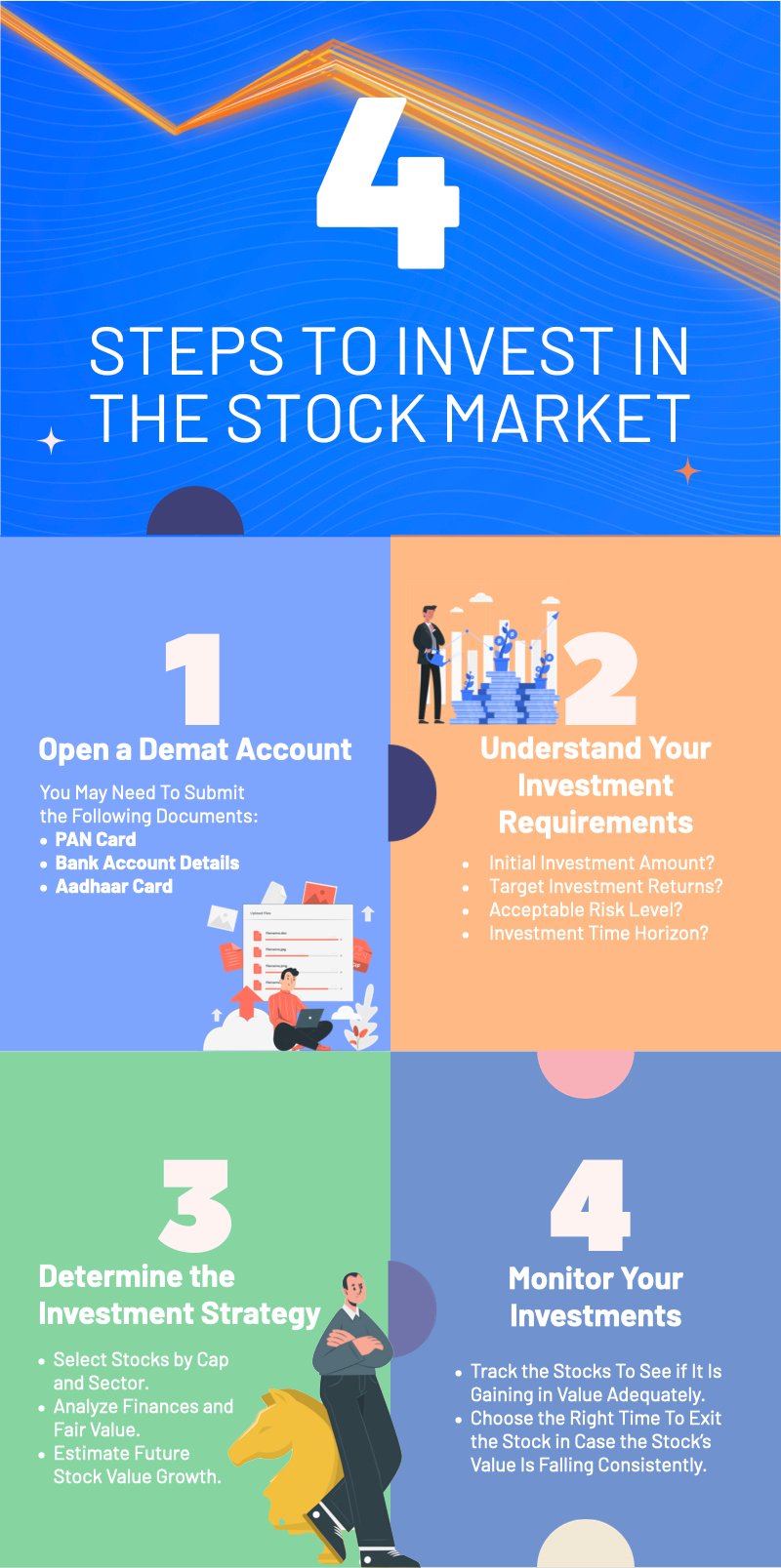
Before you even consider placing your first trade, it’s crucial to grasp the foundational concepts of the stock market. A solid understanding of what you’re getting into, why you’re doing it, and the inherent risks involved will serve as your bedrock.
What is the Stock Market?
At its simplest, the stock market is a global network of exchanges and markets where publicly traded companies’ shares are bought and sold. When you buy a stock, you’re purchasing a small piece of ownership in that company. Companies issue stocks to raise capital, which they then use to fund operations, expand, or develop new products. Investors, in turn, buy these stocks with the expectation that their value will increase over time, allowing them to sell for a profit or receive dividend payments.
Key players in this ecosystem include:
- Exchanges: Like the New York Stock Exchange (NYSE) or NASDAQ, these are the venues where stocks are traded.
- Brokers: Intermediaries (often online platforms today) who execute buy and sell orders on behalf of investors.
- Investors: Individuals or institutions who buy and sell stocks.
Why Invest in Stocks?
There are several compelling reasons why stock market investing remains a popular choice for wealth creation:
- Potential for Long-Term Growth: Historically, the stock market has offered superior returns compared to other asset classes like bonds or savings accounts over extended periods. This growth potential helps combat the erosive effects of inflation.
- Compounding Returns: Reinvesting your earnings (dividends and capital gains) allows your money to grow exponentially. This phenomenon, known as compounding, is often called the “eighth wonder of the world” for its ability to accelerate wealth accumulation.
- Ownership in Companies: Investing in stocks gives you a tangible stake in successful companies. As these companies prosper, so does your investment.
- Dividend Income: Many mature companies share a portion of their profits with shareholders in the form of dividends, providing a regular income stream.
Inherent Risks of Stock Market Investing
While the allure of high returns is strong, it’s vital to acknowledge that investing in stocks carries inherent risks:
- Market Volatility: Stock prices can fluctuate dramatically in the short term due due to economic news, company performance, geopolitical events, or even investor sentiment.
- Company-Specific Risks: A particular company’s stock might perform poorly due to bad management, failed products, or industry disruption, even if the broader market is doing well.
- Loss of Capital: It is possible to lose some or even all of your invested capital, especially if you invest in individual, high-risk stocks or don’t diversify properly.
- Inflation Risk: While stocks can beat inflation, there’s always a risk that your returns won’t keep pace, diminishing your purchasing power.
Understanding your personal risk tolerance—how much potential loss you can stomach financially and emotionally—is paramount before committing any capital.
Laying the Groundwork: Preparing for Your Investment Journey
Successful investing isn’t just about picking the right stocks; it’s about a well-thought-out strategy built on personal financial readiness and continuous learning.
Define Your Financial Goals and Time Horizon
Before you buy your first share, ask yourself: What am I investing for?
- Short-term goals (e.g., buying a car in 2-3 years) generally aren’t suitable for stock market investing due to volatility.
- Long-term goals (e.g., retirement, down payment for a house in 10+ years, child’s education) align perfectly with the stock market’s ability to generate significant returns over time. Your time horizon will heavily influence your investment strategy, dictating how aggressive or conservative you should be.
Assess Your Risk Tolerance
As mentioned earlier, understanding your risk tolerance is critical. Are you comfortable with significant market fluctuations for potentially higher returns, or do you prefer a more stable, albeit slower, growth trajectory? Factors like age, income stability, and financial dependents also play a role. Many online questionnaires can help you assess your risk profile, providing a clearer picture of what kind of investments suit you best.
Build a Solid Financial Foundation
Never invest money you can’t afford to lose, especially if it means compromising your immediate financial security.
- Emergency Fund: Prioritize building an emergency fund covering 3-6 months of living expenses in an easily accessible savings account. This protects you from having to sell investments at a loss during unforeseen circumstances.
- Debt Management: Pay off high-interest debt (e.g., credit card debt) before investing. The guaranteed return from eliminating high-interest debt often outperforms potential market returns.
- Budgeting and Saving: Implement a clear budget that allows for consistent saving and investing. “Paying yourself first” by automating transfers to your investment account is a highly effective strategy.
Educate Yourself Continually
The financial world is dynamic, and continuous learning is key.
- Books and Reputable Websites: Immerse yourself in financial literature from credible sources. Understand key terms like P/E ratio, market capitalization, diversification, and asset allocation.
- Financial Advisors: For complex situations or if you lack the time and confidence to manage your investments, consider consulting a qualified financial advisor. They can offer personalized advice and guidance.
Choosing Your Investment Path and Platforms
Once your financial groundwork is solid, it’s time to decide how you want to invest and where you’ll do it.
Active vs. Passive Investing
Your approach to stock selection will largely fall into one of two categories:
- Active Investing: This involves actively buying and selling individual stocks, attempting to “beat the market” by identifying undervalued companies or timing market movements. It requires significant research, time, and a high degree of confidence, and generally carries higher risk and potential for fees.
- Passive Investing: This strategy involves investing in diversified funds that aim to mirror the performance of a broad market index (e.g., S&P 500) rather than trying to outperform it. It’s often characterized by lower fees, less active management, and a long-term buy-and-hold approach. For most individual investors, passive investing is generally recommended due to its simplicity, diversification, and historical track record.
Types of Investment Vehicles Beyond Individual Stocks
While you can buy individual company stocks, many investors prefer diversified funds for their inherent risk mitigation.
- Exchange-Traded Funds (ETFs): These are baskets of securities (stocks, bonds, commodities) that trade like individual stocks on an exchange. ETFs offer instant diversification, often with low expense ratios, and can be bought and sold throughout the day.
- Mutual Funds: Professionally managed portfolios of stocks, bonds, or other investments. You buy shares in the fund, and a fund manager makes the investment decisions. Mutual funds can be actively or passively managed.
- Index Funds: A type of mutual fund or ETF that specifically tracks a market index. They are a cornerstone of passive investing, offering broad market exposure and typically very low fees.
- Bonds: While not stocks, bonds are debt instruments issued by governments or corporations. They are often included in a diversified portfolio to provide stability and income, especially for investors with lower risk tolerance or closer to retirement.
Selecting a Brokerage Account
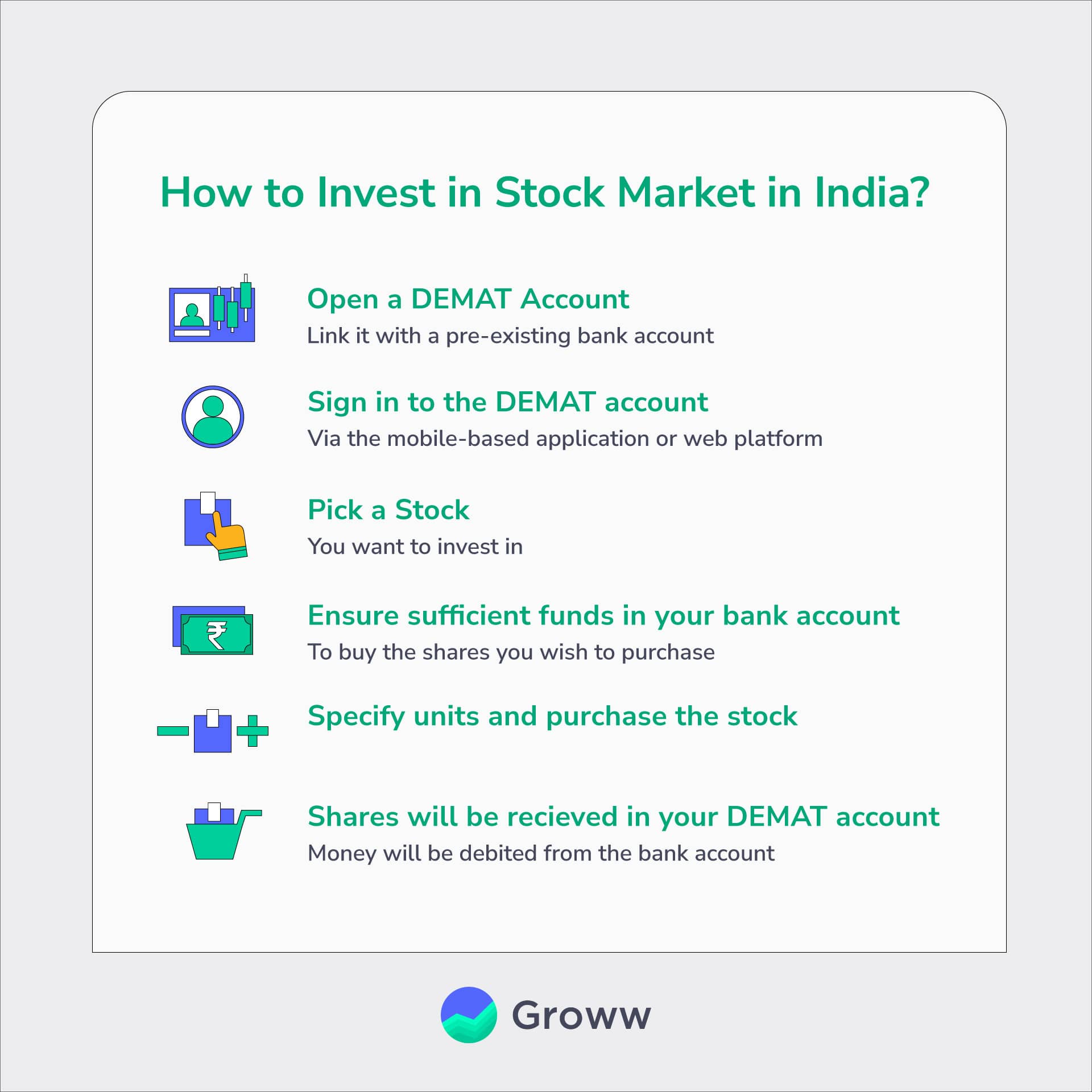
To invest in the stock market, you’ll need a brokerage account.
- Online Brokers: These platforms have democratized investing, offering low commissions (often zero for stock and ETF trades), a wide range of investment products, and extensive research tools. Examples include Fidelity, Charles Schwab, Vanguard, E*TRADE, and Robinhood.
- Traditional Brokers: Offer more personalized service, including financial advisors, but typically come with higher fees.
When choosing a brokerage, consider:
- Fees and Commissions: Look for low or zero trading fees and reasonable expense ratios for funds.
- Investment Options: Ensure they offer the types of investments you’re interested in (stocks, ETFs, mutual funds, options).
- Research Tools and Education: Good platforms provide robust research resources and educational content.
- Customer Service: Responsive and helpful customer support is invaluable.
- Account Types: Decide which type of account suits your needs:
- Taxable Brokerage Account: A standard investment account with no contribution limits, but gains are taxed.
- Individual Retirement Account (IRA): Tax-advantaged accounts for retirement savings (Traditional and Roth IRAs).
- 401(k) / 403(b): Employer-sponsored retirement plans, often with matching contributions.
Executing Your Investment Strategy and Portfolio Management
With your account set up and your strategy defined, the next step is to execute and manage your investments responsibly.
Diversification: The Golden Rule of Investing
Never put all your eggs in one basket. Diversification involves spreading your investments across various assets, industries, company sizes, and geographical regions. This strategy minimizes unsystematic risk—the risk specific to a single company or industry. If one investment performs poorly, others may perform well, cushioning the impact on your overall portfolio. ETFs and mutual funds are excellent tools for achieving instant diversification.
Dollar-Cost Averaging
Dollar-cost averaging (DCA) is a powerful strategy, especially for beginners. It involves investing a fixed amount of money at regular intervals (e.g., $100 every month), regardless of whether the market is up or down.
- When prices are high, your fixed amount buys fewer shares.
- When prices are low, your fixed amount buys more shares.
Over time, this averages out your purchase price and reduces the risk of trying to “time the market”—a notoriously difficult feat even for seasoned professionals.
Rebalancing Your Portfolio
Over time, your initial asset allocation (the mix of stocks, bonds, and other investments) can shift as some investments grow faster than others. Rebalancing means periodically adjusting your portfolio back to your target allocation. For instance, if stocks have outperformed bonds, you might sell some stocks and buy more bonds to restore your desired risk level. This disciplined approach helps you stick to your long-term strategy and can implicitly involve selling high and buying low.
Monitoring and Adjusting
While a “set it and forget it” approach has merits, especially for passive investors, it doesn’t mean ignoring your investments entirely.
- Regular Review: Periodically review your portfolio’s performance (perhaps once a quarter or once a year). Don’t overreact to short-term market noise.
- Life Changes: Adjust your strategy as your financial goals, risk tolerance, or life circumstances change (e.g., marriage, children, nearing retirement).
- Avoid Emotional Decision-Making: The biggest enemy of investors is often themselves. Fear and greed can lead to poor decisions, such as selling during a market downturn or buying into speculative bubbles. Stick to your well-researched plan.
Common Pitfalls and Best Practices
Navigating the stock market successfully also means being aware of common mistakes and adopting best practices.
Avoiding Emotional Investing
The market’s ups and downs can trigger powerful emotions. Fear can lead you to sell valuable assets at a loss during a correction, while greed can push you into speculative investments or cause you to hold onto losing positions too long. Develop a disciplined, logical approach, stick to your investment plan, and resist the urge to make rash decisions based on news headlines or social media hype.
Don’t Put All Your Eggs in One Basket
This reiterates the importance of diversification. A concentrated portfolio, while potentially offering higher returns if you pick a winner, also carries significantly higher risk. A single bad performer can wipe out a large portion of your wealth.
Beware of Get-Rich-Quick Schemes
Sustainable wealth building through the stock market is a marathon, not a sprint. Be wary of promises of exceptionally high, guaranteed returns with little to no risk. These are almost always scams. Focus on long-term, consistent growth through sound investing principles.
Seek Professional Advice When Needed
While this guide provides a solid starting point, complex financial situations, estate planning, or significant wealth management may warrant the expertise of a certified financial planner. They can offer tailored advice, help with tax planning, and guide you through intricate financial decisions.
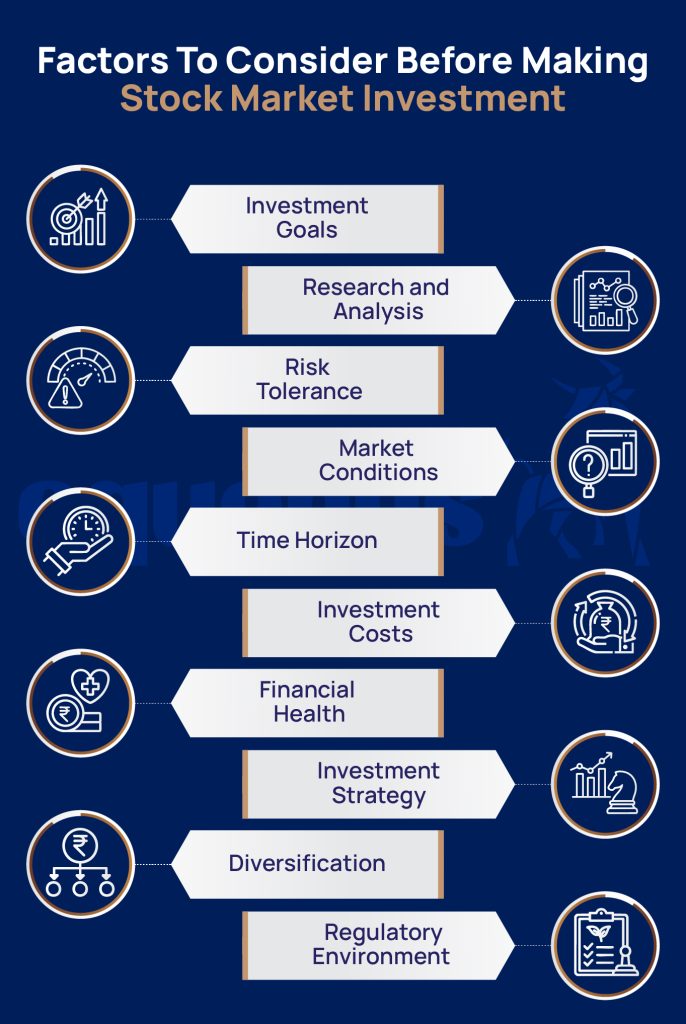
In conclusion, investing in the stock market is a powerful tool for building financial security and achieving long-term goals. It requires preparation, continuous education, a disciplined approach to risk management and diversification, and a steadfast commitment to your long-term strategy. Start small, stay consistent, and remember that patience is one of the most valuable assets an investor can possess. By understanding these principles and applying them diligently, you can confidently navigate the stock market and work towards your financial aspirations.
aViewFromTheCave is a participant in the Amazon Services LLC Associates Program, an affiliate advertising program designed to provide a means for sites to earn advertising fees by advertising and linking to Amazon.com. Amazon, the Amazon logo, AmazonSupply, and the AmazonSupply logo are trademarks of Amazon.com, Inc. or its affiliates. As an Amazon Associate we earn affiliate commissions from qualifying purchases.