
Purchasing a car is one of the most significant financial decisions many individuals make, often second only to buying a home. While the excitement of a new vehicle can be intoxicating, understanding the underlying financial mechanics of car payments is crucial for responsible ownership and long-term financial health. Far more intricate than simply handing over cash for a product, car payments typically involve a complex interplay of loans, interest, terms, and various fees. This comprehensive guide aims to demystify the process, providing a professional, insightful, and engaging exploration of how car payments function, empowering you to navigate the automotive financing landscape with confidence.
The Fundamentals of Auto Loan Financing
At its core, a car payment system is built around an auto loan – a secured loan where the car itself serves as collateral. When you finance a vehicle, you’re essentially borrowing money from a lender to cover the purchase price, agreeing to repay that amount, plus interest, over a predetermined period.
Understanding the Loan Agreement
Every auto loan is governed by a loan agreement, a legally binding contract that outlines the terms and conditions of your borrowing. Key components of this agreement include:
- Principal: This is the initial amount of money you borrow to buy the car. It’s the selling price of the vehicle minus any down payment, trade-in value, and sometimes taxes or fees that are rolled into the loan.
- Interest: This is the cost of borrowing money, expressed as a percentage of the principal. Lenders charge interest to make a profit and to compensate for the risk they take in lending you money.
- Annual Percentage Rate (APR): The APR represents the total cost of your loan, expressed as an annual percentage. It includes not only the interest rate but also certain fees charged by the lender, giving you a more complete picture of the loan’s true cost. A lower APR means lower overall borrowing costs.
- Loan Term: This is the duration over which you agree to repay the loan, typically measured in months (e.g., 36, 48, 60, 72, or even 84 months). The loan term directly influences your monthly payment amount and the total interest you’ll pay over the life of the loan.
Key Players in the Process
Understanding who does what can clarify the financing journey:
- The Borrower (You): The individual or entity receiving the loan and responsible for repayment.
- The Lender: A financial institution (bank, credit union, online lender, or the financing arm of an auto manufacturer) that provides the funds for the car purchase.
- The Dealership: While primarily responsible for selling the vehicle, dealerships often facilitate financing by working with multiple lenders to offer various loan options to customers.
Types of Auto Loans
Broadly, auto loans fall into two main categories:
- Direct Loans: These are loans you secure directly from a bank, credit union, or online lender before you visit a dealership. Getting pre-approved for a direct loan gives you a clear budget and allows you to negotiate the car price more effectively, as your financing is already in place.
- Dealership Financing: This involves obtaining a loan through the car dealership itself. Dealerships often partner with a network of lenders and can offer competitive rates, sometimes even special promotional rates from the manufacturer’s captive finance company. While convenient, it’s always wise to compare dealership offers with pre-approved direct loans.
Deconstructing Your Monthly Car Payment
Your single monthly car payment is not just a random figure; it’s a carefully calculated sum derived from several contributing factors. Understanding these components is key to grasping how your money is being allocated and identifying opportunities for savings.
The Principal Amount
This is the base amount you’ve borrowed to finance the vehicle. The larger the principal, the higher your monthly payments will be, assuming all other factors remain constant. A significant down payment or trade-in value directly reduces the principal, thereby lowering your monthly obligation and the total interest you’ll pay over time.
The Impact of Interest Rates
Interest rates are perhaps the most critical factor influencing your total borrowing cost. Even a seemingly small difference in APR can translate into hundreds or thousands of dollars over the loan’s term. Lenders determine your interest rate based on several factors, primarily your credit score, the loan term, the age and value of the car, and current market interest rates. A higher credit score typically qualifies you for a lower APR, as you are perceived as a lower risk to the lender.
Loan Term and Its Ramifications
The loan term dictates how long you have to repay the loan.
- Shorter Terms (e.g., 36-48 months): These typically result in higher monthly payments but lower total interest paid over the life of the loan. You pay off the car faster and build equity more quickly.
- Longer Terms (e.g., 60-84 months): These offer lower monthly payments, making cars more “affordable” on a monthly basis. However, you’ll pay significantly more in total interest over the longer period, and you risk owing more on the car than it’s worth (being “underwater” or “upside down”) for a longer duration, especially with depreciation.
Additional Costs and Fees
Beyond the principal and interest, several other items can be rolled into your car loan, increasing the overall financed amount and, consequently, your monthly payment. These can include:
- Sales Tax: Varies by state and is usually calculated on the purchase price of the vehicle.
- Registration and Licensing Fees: Costs associated with titling and registering the car with your state’s Department of Motor Vehicles.
- Dealership Fees: Administrative, documentation, or “prep” fees charged by the dealer.
- Extended Warranties/Service Contracts: Optional plans that cover certain repairs beyond the manufacturer’s warranty.
- GAP Insurance (Guaranteed Asset Protection): This optional insurance covers the difference between what you owe on your loan and the car’s actual cash value if your vehicle is totaled or stolen. It’s particularly useful if you make a small down payment or have a long loan term, as depreciation can quickly make your car worth less than what you owe.
Navigating the Payment Process
Once your loan is secured and you’ve driven off the lot, the focus shifts to consistent and timely repayment.
Setting Up Your Payments
Most lenders offer multiple convenient ways to make your monthly payments:
- Automatic Payments (Auto-Pay): Setting up automatic deductions from your checking or savings account is often the most reliable method, ensuring payments are never missed and sometimes even qualifying you for a small interest rate discount.
- Online Portals: Most lenders provide online platforms where you can make one-time payments, set up recurring payments, and view your account details.
- Physical Checks/Mail: The traditional method of mailing a check is still available, though less common due to processing times.
- Phone Payments: Some lenders allow payments over the phone, sometimes with an additional fee.
Understanding Your Statements
Your monthly statement from the lender provides a detailed breakdown of your payment. It typically shows:
- Payment Due Date: The date by which your payment must be received.
- Amount Due: Your required minimum payment.
- Principal Paid: How much of your payment went towards reducing the loan balance.
- Interest Paid: How much of your payment went towards the cost of borrowing.
- Remaining Balance: The outstanding amount you still owe on the loan.
- Year-to-Date Totals: Often shows cumulative principal and interest paid for tax or informational purposes.
Making Extra Payments and Early Payoffs
Paying more than your minimum monthly payment, or paying off your loan early, can yield significant financial benefits. Any extra money you pay typically goes directly towards the principal balance (unless your loan has a prepayment penalty, which is rare for auto loans but worth checking). By reducing the principal, you reduce the amount of interest that accrues over the remaining term, leading to substantial savings. Before making extra payments, ensure your loan doesn’t have prepayment penalties, although these are uncommon for auto loans.
What Happens if You Miss a Payment?
Missing a car payment can have severe repercussions:
- Late Fees: Lenders typically charge a late fee if payment is not received by a grace period deadline.
- Credit Score Impact: Missed payments are reported to credit bureaus and can significantly damage your credit score, making it harder and more expensive to borrow money in the future.
- Default and Repossession Risk: If you consistently miss payments, your loan can go into default. As a secured loan, this gives the lender the right to repossess your vehicle to recover their losses. This has a catastrophic impact on your credit and future borrowing ability.
- Collections: Your account may be sent to a collections agency, further escalating the issue.
Strategic Considerations for Car Payments
Beyond the mechanical aspects of payments, strategic planning can significantly improve your car ownership experience and financial outcomes.
The Importance of a Down Payment
A down payment is a lump sum of money you pay upfront towards the car’s purchase price. Its importance cannot be overstated:
- Reduces Principal: A larger down payment means you borrow less, which directly translates to lower monthly payments and less interest paid over the life of the loan.
- Builds Equity Faster: You start with more equity in the car, reducing the risk of being “underwater.”
- Better Loan Terms: Lenders view borrowers with substantial down payments as lower risk, potentially qualifying you for better interest rates.
Credit Score and Loan Eligibility
Your credit score is a crucial determinant of the loan terms you’ll receive. Lenders use it as a primary indicator of your creditworthiness. A higher credit score (e.g., above 700-720) signals to lenders that you are a reliable borrower, leading to lower APRs and more favorable loan terms. Conversely, a lower credit score will likely result in higher interest rates, as lenders perceive a greater risk of default. It’s always advisable to check and improve your credit score before applying for an auto loan.
Refinancing Your Auto Loan
Refinancing involves taking out a new loan to pay off your existing auto loan, often with a different lender. This can be a smart move if:
- Interest Rates Have Dropped: If market rates have fallen since you took out your original loan.
- Your Credit Score Has Improved: A significantly better credit score can qualify you for a lower APR.
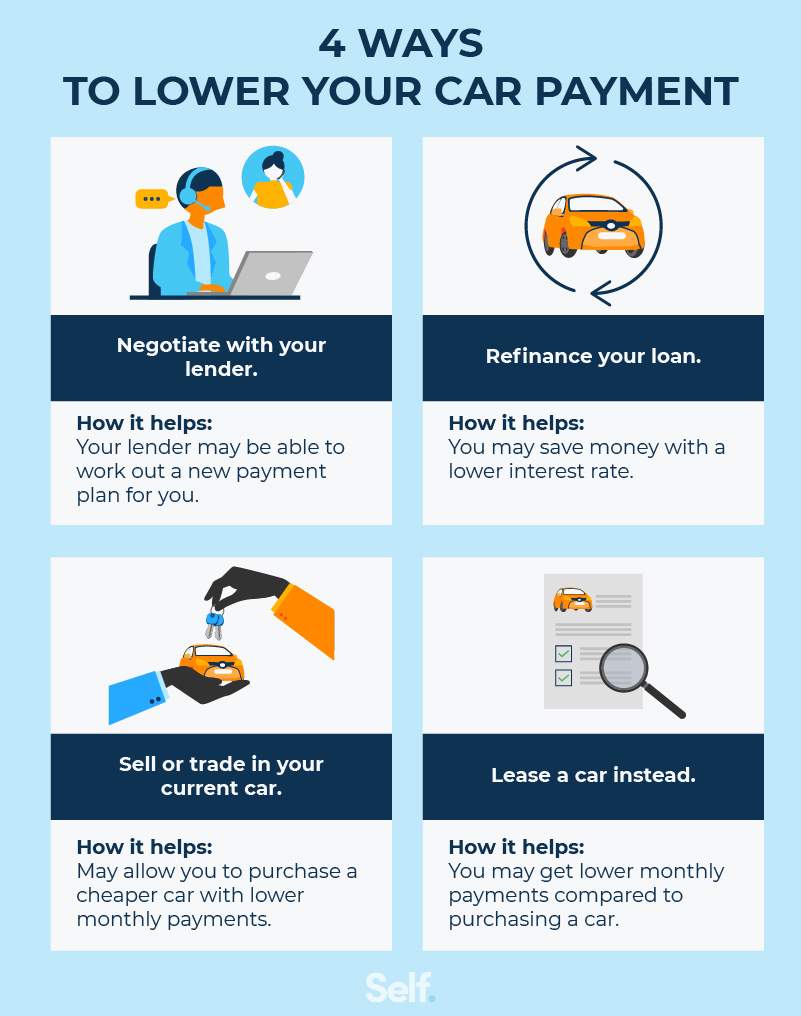
- You Want a Shorter/Longer Term: You might refinance to reduce your monthly payment (by extending the term) or pay off the loan faster (by shortening the term).
- You Want to Remove a Co-signer: If your financial situation has improved, you might be able to qualify on your own.
Budgeting for Your Car Payment
Your car payment should seamlessly integrate into your overall financial budget. Financial experts often recommend that your total car-related expenses (payment, insurance, fuel, maintenance) should not exceed 10-20% of your net monthly income. Overstretching your budget for a car can lead to financial strain and make it difficult to save for other important goals.
Beyond Traditional Financing: Leasing and Cash Purchases
While auto loans are the most common way to get a car, two other methods offer distinct financial structures.
How Car Leases Work
Leasing is essentially long-term renting. Instead of borrowing money to buy the car, you pay to use it for a set period (typically 2-4 years) and a predetermined number of miles.
- Lower Monthly Payments: Lease payments are usually lower than loan payments because you’re only paying for the car’s depreciation during your lease term, plus interest and fees, not its full purchase price.
- Newer Cars More Often: Leasing allows you to drive a new car every few years.
- Mileage Limits: Leases come with strict mileage caps, and exceeding them results in hefty per-mile penalties.
- End-of-Lease Options: At the end of the lease, you can return the car, buy it for a predetermined residual value, or lease another new vehicle.
The Simplicity of Cash Purchases
Buying a car with cash is the most straightforward approach.
- No Interest: You avoid all interest charges, saving a significant amount of money over the long run.
- Immediate Ownership: The car is yours outright, with no monthly payments or loan obligations.
- Freedom to Sell/Modify: You have complete freedom to sell, trade, or modify the car as you wish without lender restrictions.
- Requires Significant Savings: This option is only viable if you have substantial cash reserves that you’re comfortable tying up in a depreciating asset.
Ultimately, understanding how payments on a car work is not just about making a monthly payment; it’s about making informed financial decisions that align with your broader monetary goals. By comprehending the interplay of principal, interest, term, and additional costs, you can secure favorable loan terms, manage your budget effectively, and make car ownership a financially sustainable and rewarding experience.
aViewFromTheCave is a participant in the Amazon Services LLC Associates Program, an affiliate advertising program designed to provide a means for sites to earn advertising fees by advertising and linking to Amazon.com. Amazon, the Amazon logo, AmazonSupply, and the AmazonSupply logo are trademarks of Amazon.com, Inc. or its affiliates. As an Amazon Associate we earn affiliate commissions from qualifying purchases.