
In an increasingly globalized and interconnected financial world, the need to move money swiftly and securely across distances is a common requirement for individuals and businesses alike. Among the various methods available for transferring funds, a wire transfer stands out for its speed, reliability, and security, especially when dealing with significant sums or international recipients. As one of the largest financial institutions, Chase Bank provides robust services for initiating wire transfers, catering to both domestic and international needs.
However, the process of wiring money, while streamlined, requires meticulous attention to detail due to its irrevocable nature. A single error in recipient information can lead to significant complications, potential loss of funds, and delays. This comprehensive guide is designed to demystify the process for Chase customers, offering a step-by-step walkthrough, highlighting essential prerequisites, outlining associated costs, and emphasizing crucial security considerations. Whether you’re funding a major purchase, sending money to family abroad, or conducting a critical business transaction, understanding how to effectively navigate Chase’s wire transfer system is paramount to a successful and stress-free experience.
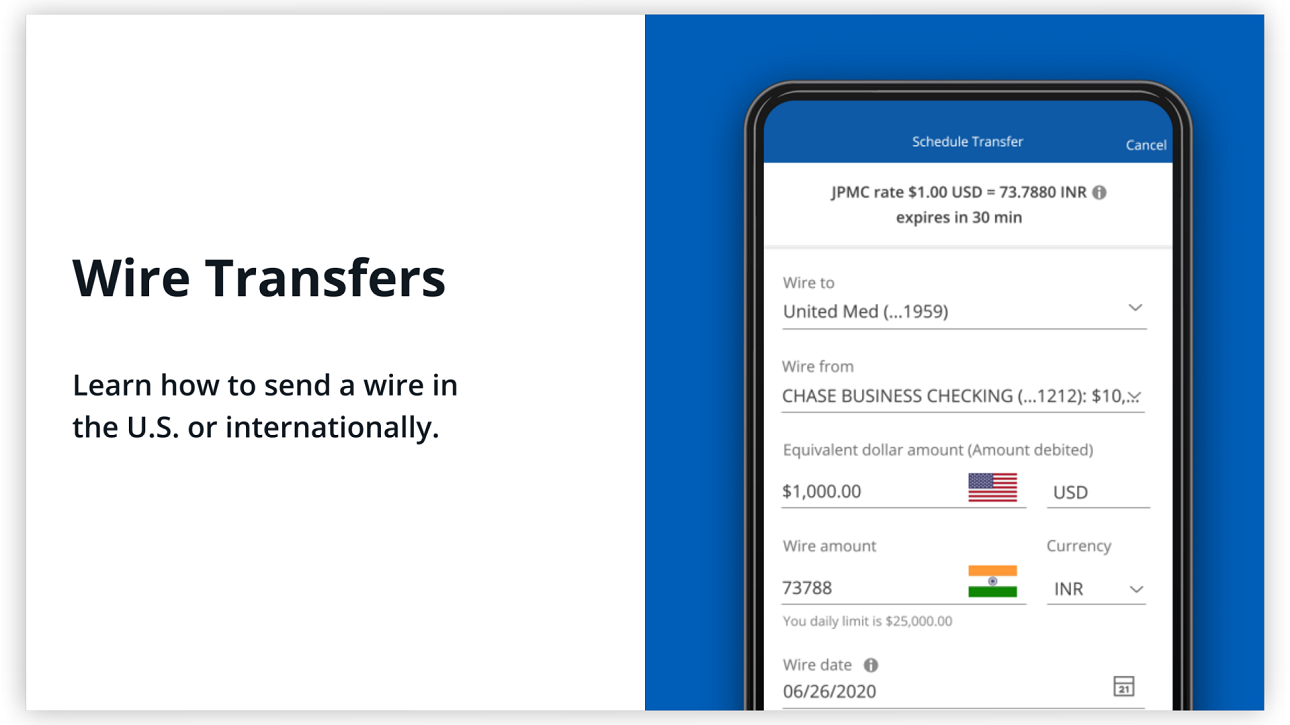
Understanding Wire Transfers: What They Are and When to Use Them
Before diving into the specifics of initiating a transfer with Chase, it’s crucial to grasp the fundamental nature of wire transfers and their distinct advantages and applications compared to other financial tools. This understanding forms the bedrock for making informed decisions about when and how to utilize this powerful money movement mechanism.
What is a Wire Transfer?
At its core, a wire transfer is an electronic transfer of funds from one person or entity to another through a network of banks or transfer agencies. Unlike a physical check or a digital payment platform that might hold funds temporarily, a wire transfer moves money directly from the sender’s bank account to the recipient’s bank account. This direct, bank-to-bank communication is what makes wire transfers remarkably fast and secure. Once initiated and processed, wire transfers are generally considered irrevocable, meaning that reversing them is extremely difficult, if not impossible, without the explicit consent of the recipient. This irrevocability underscores the importance of accuracy and verification throughout the process. The system relies on unique identifiers like routing numbers (for domestic transfers) or SWIFT/BIC codes and IBANs (for international transfers) to ensure funds reach the precise intended destination.
When Are Wire Transfers Necessary?
While numerous digital payment options exist today, wire transfers remain indispensable for specific scenarios where speed, security, and the movement of substantial amounts are critical. They are particularly necessary in situations such as:
- Large Purchases: When buying real estate, a vehicle, or other high-value assets, sellers often require funds via wire transfer because it guarantees cleared funds quickly and securely, unlike checks which can bounce or take days to clear.
- International Transactions: For sending money across borders, wire transfers are a standard and reliable method, facilitating payments to individuals, businesses, or for investments in foreign countries. They navigate different banking systems effectively.
- Urgent Transfers: When time is of the essence, and funds need to arrive on the same day or within a day or two, wire transfers are often the fastest available option, especially compared to ACH transfers or mailed checks.
- Transactions with Unknown Parties (with Caution): In certain legitimate business contexts where other payment methods might be too slow or risky, wires are used. However, extreme caution is advised when wiring money to individuals you don’t personally know, as this is a common target for scams.
Key Differences: Wire Transfers vs. Other Payment Methods
It’s helpful to distinguish wire transfers from other common payment methods to understand their unique position in the financial ecosystem:
- Zelle/Venmo/PayPal (P2P Apps): These are designed for smaller, person-to-person transfers, often with lower limits, and while fast, they typically lack the robust security protocols and global reach for large or international transactions that banks provide for wires. Some P2P apps also have an element of irrevocability once funds are received.
- ACH Transfers (Automated Clearing House): ACH transfers are electronic payments processed in batches (e.g., direct deposit, bill pay, external bank transfers). They are generally cheaper or free but take 1-3 business days to clear, lack the immediacy of a wire, and have lower individual transaction limits than wires.
- Checks: Physical checks are slow, susceptible to fraud (bouncing), and require manual processing. Funds can take several business days to fully clear, making them unsuitable for urgent or large transactions where immediate clear funds are required.
- Bill Pay: Typically an ACH-based service offered by banks, used for recurring or one-off payments to known vendors. It lacks the speed and direct control of a wire transfer.
In essence, while other methods offer convenience for everyday transactions, wire transfers serve as a specialized tool for critical, high-value, or time-sensitive fund movements, particularly across international borders.
Preparing for Your Chase Wire Transfer: Essential Information
The success of a wire transfer hinges entirely on the accuracy and completeness of the information provided. Because wire transfers are generally irrevocable, any error can result in significant delays, rerouting fees, or even the loss of funds if sent to an incorrect account. Before you initiate any transfer, gathering all necessary details is a non-negotiable step.
Sender Information (Your Details)
As the originator of the transfer, Chase will require specific information to identify you and debit the correct account. This is also crucial for regulatory compliance and security verification.
- Full Legal Name and Address: Your name as it appears on your Chase account and your current residential address.
- Chase Account Number: The specific account from which you wish to send the funds.
- Contact Information: A reliable phone number and email address for any necessary follow-up or verification.
- Security Verification: Be prepared to provide your Chase Online credentials (username, password), answers to security questions, or biometric verification (fingerprint, facial recognition) if initiating online or via the mobile app. If in-branch, you’ll need a valid, government-issued photo ID (driver’s license, passport).
Recipient Information (Beneficiary Details)
This is arguably the most critical section, as errors here directly impact whether the money reaches its intended destination. Double-checking every digit and letter is paramount.
- Recipient’s Full Legal Name and Address: The name should match exactly as it appears on their bank account. For businesses, the full legal business name. The address should be their physical residential or business address, not a P.O. Box.
- Recipient’s Bank Name and Address: The full legal name of the recipient’s bank and its physical address (branch address if specified, or the main address).
- Recipient’s Account Number: The exact account number where the funds should be deposited.
- Bank Identification Codes: This is where domestic and international transfers differ:
- For Domestic Transfers (within the U.S.): You’ll need the ABA Routing Number of the recipient’s bank. This nine-digit code uniquely identifies U.S. financial institutions.
- For International Transfers: You’ll need the SWIFT/BIC (Society for Worldwide Interbank Financial Telecommunication / Bank Identifier Code) of the recipient’s bank. This is an 8- or 11-character code that identifies banks globally. Some countries, particularly in Europe, also require an IBAN (International Bank Account Number), which is a standardized international account number that includes country, bank, and account details.
- Intermediary Bank Details (if applicable): For some international transfers, particularly to smaller banks or less common currencies, an intermediary bank might be required to facilitate the transfer. If so, you’ll need the intermediary bank’s name, SWIFT/BIC, and potentially its routing number (if within the U.S.). The recipient’s bank should provide these details if necessary.
Transaction Details
Beyond the sender and recipient details, you’ll need to specify the parameters of the transfer itself.
- Amount to be Sent: The exact sum you wish to wire.
- Currency: For international transfers, specify the currency in which the funds should be sent (e.g., USD, EUR, GBP, CAD). Be aware of exchange rates and potential currency conversion fees.
- Purpose of Transfer: Many banks and regulatory bodies require a brief description of the purpose of the transfer (e.g., “Purchase of Real Estate,” “Family Support,” “Business Invoice Payment”). This aids in compliance and can sometimes help expedite the transfer.
- Any Special Instructions: Rarely needed for standard personal wires, but in some complex business scenarios, there might be specific messages or references required by the recipient.
Always obtain recipient bank details directly from the recipient through a verified, secondary communication channel (e.g., a phone call to a known number, not just an email that could be compromised) to prevent fraud.
Step-by-Step Guide: Initiating a Wire Transfer with Chase
Chase offers multiple convenient ways to send a wire transfer, catering to different preferences and needs. The most common methods are online, in-person at a branch, and, in specific cases, by phone. Understanding each option allows you to choose the most suitable path for your transaction.
Option 1: Online via Chase.com or Chase Mobile App
For many Chase customers, initiating a wire transfer online offers the highest level of convenience and speed. This method is generally available for domestic transfers and some international transfers, though limits may apply.
- Log In Securely: Go to Chase.com or open the Chase Mobile App and log in to your account using your username and password. You may be prompted for two-factor authentication (e.g., a code sent to your phone).
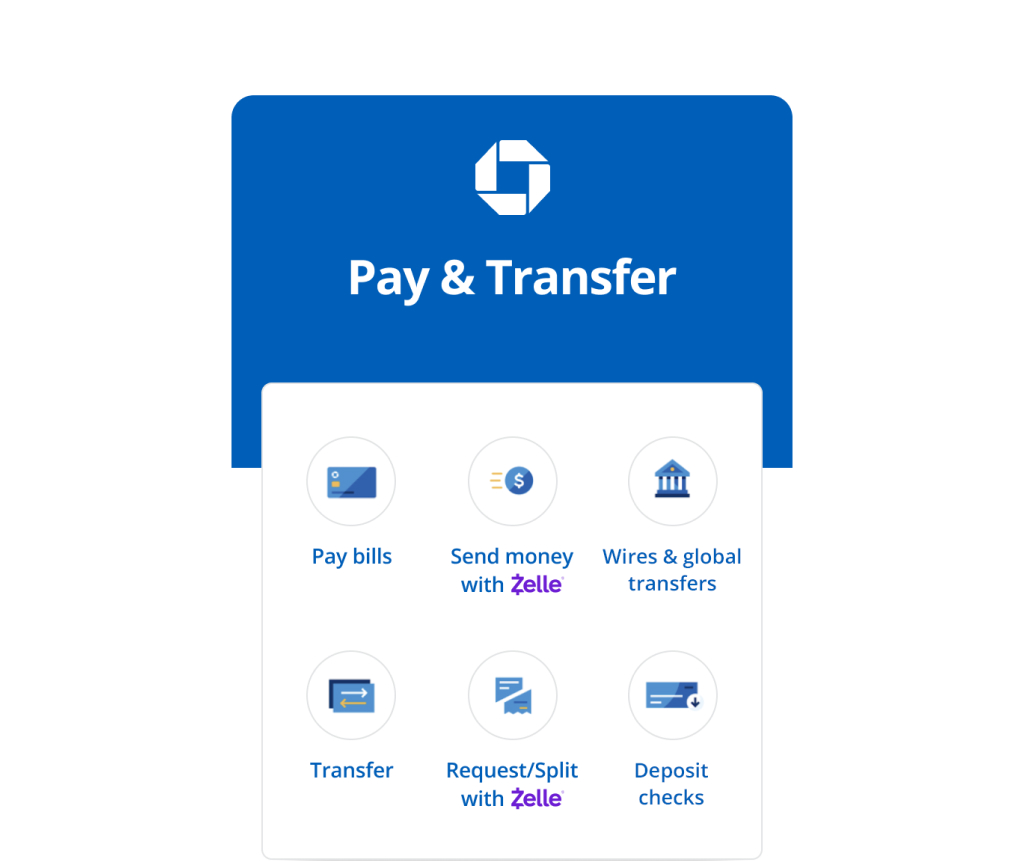
- Navigate to Transfers: Once logged in, look for a section typically labeled “Pay & Transfer,” “Send Money,” or “Wire Money.” The exact navigation might vary slightly between the website and the app but is usually prominent.
- Select “Wire Money”: Within the transfer options, choose “Wire Money” or a similar option for initiating a wire transfer.
- Add or Select Recipient: If you’ve wired money to this recipient before, you might be able to select them from a saved list. Otherwise, you’ll need to add a new recipient.
- New Recipient Setup: This is where you’ll input all the meticulously gathered recipient information: their full name, address, bank name, bank address, account number, and the appropriate routing number (for domestic) or SWIFT/BIC and IBAN (for international).
- Verification: Chase typically has a robust verification process for adding new recipients, which might include confirming details through a phone call or additional security questions.
- Enter Transaction Details: Specify the exact amount you wish to send, the currency (for international transfers), and the purpose of the transfer.
- Review and Confirm: Carefully review all the entered details on the confirmation screen. This is your last chance to catch any errors. Pay particular attention to the recipient’s account number and routing/SWIFT code.
- Authorize the Transfer: If everything is correct, authorize the transfer. You may receive a confirmation number or email. Keep this for your records.
- Security Measures: Chase employs various security measures, including encryption and multi-factor authentication, to protect your online transactions. Be aware of your daily online wire limits, which can be lower than in-branch limits.
Option 2: In-Person at a Chase Branch
For larger amounts, complex international transfers, first-time wire senders, or simply if you prefer direct assistance, initiating a wire transfer at a Chase branch is an excellent option.
- Gather Documents: Before heading to the branch, ensure you have:
- A valid, government-issued photo ID (driver’s license, passport).
- Your Chase debit card or account details.
- ALL the recipient and transaction information meticulously written down.
- Visit a Branch: Go to your nearest Chase branch during business hours.
- Speak with a Banker: Inform the banker that you wish to send a wire transfer. They will guide you through the process.
- Complete Wire Transfer Form: You’ll typically be asked to fill out a physical wire transfer request form, providing all the sender, recipient, and transaction details.
- Verification and Funding: The banker will verify your identity, review the form for completeness, and confirm the amount to be debited from your account, along with any applicable fees.
- Sign and Confirm: You will sign the form to authorize the transfer. The banker will provide you with a confirmation receipt. This method often allows for higher transfer limits than online options.
Option 3: By Phone (for select customers/situations)
While less common for standard personal wire transfers, some Chase business accounts or specific customer service scenarios might allow for wire transfers to be initiated by phone. This usually requires prior setup, specific authorization, and rigorous security verification. If you believe this applies to your situation, contact Chase customer service or your business banker directly for guidance.
Regardless of the method chosen, always double-check every piece of information before authorizing the transfer. Once a wire transfer is sent, reversing it is exceptionally challenging.
Understanding Fees, Limits, and Processing Times
Successfully executing a wire transfer with Chase involves more than just providing accurate details; it also requires an understanding of the associated financial implications and timeframes. Being aware of fees, transfer limits, and processing times will help you plan your transaction effectively and avoid unexpected costs or delays.
Chase Wire Transfer Fees
Wire transfers, due to their expedited nature and the secure banking networks they utilize, typically incur fees. These fees can vary based on several factors:
- Outgoing Domestic Wires: For transfers sent within the United States, Chase generally charges a flat fee per transaction. This fee is debited from your account at the time of the transfer.
- Outgoing International Wires: Sending money internationally usually comes with a higher fee compared to domestic transfers. Additionally, if the transfer involves currency conversion, Chase will apply an exchange rate, which includes a margin for the bank. It’s crucial to understand this rate, as it can significantly impact the final amount received by the beneficiary.
- Incoming Wires: While sending a wire has a fee, receiving one can also incur a charge, especially for international incoming wires. Chase typically charges a smaller fee for incoming wires, which is deducted from the received amount before it’s credited to your account.
- Intermediary Bank Fees: For international transfers, especially to certain regions or currencies, an intermediary bank might be involved to facilitate the transfer. These banks may also levy their own fees, which can be deducted from the transferred amount, reducing what the recipient ultimately receives. You might have the option to pay these “OUR” fees upfront (sender pays all fees) or choose “BEN” (beneficiary pays all fees) or “SHA” (shared fees).
It is highly recommended to check Chase’s most current fee schedule directly on their website or by consulting a banker before initiating a transfer, as fees are subject to change and may vary by account type.
Transfer Limits
Chase implements limits on wire transfer amounts, which can vary depending on whether the transfer is initiated online, through the mobile app, or in person at a branch.
- Online/Mobile App Limits: Generally, online and mobile wire transfer limits are lower than those available for in-branch transactions. These limits are in place as a security measure to protect customers from potential fraud. They can be daily or per-transaction limits.
- In-Branch Limits: Initiating a wire transfer at a Chase branch typically allows for higher maximum transfer amounts. This is because the in-person verification process provides an added layer of security.
- Account-Specific Limits: Limits can also be influenced by your account type, banking relationship with Chase, and your transaction history. For very large transfers that exceed standard limits, it’s advisable to speak with a Chase representative or your private banker in advance to make arrangements.
Processing and Delivery Times
The speed at which a wire transfer is processed and delivered is a key advantage, but it’s not always instantaneous, especially for international transactions.
- Domestic Wires (within the U.S.): Most domestic wire transfers are processed and delivered on the same business day if initiated before Chase’s daily cut-off time (typically early to late afternoon, depending on the branch or online system). Wires sent after the cut-off time will usually be processed the next business day.
- International Wires: International wire transfers generally take longer, typically ranging from 1 to 5 business days. The exact timeframe depends on several factors:
- Destination Country: Different countries have varying banking systems and regulations.
- Currency Conversion: If the transfer involves converting currency, this can add to the processing time.
- Intermediary Banks: The involvement of one or more intermediary banks can extend the delivery period.
- Time Zones: Differences in time zones between the sender’s and recipient’s banks can affect when the transfer is processed.
- Cut-off Times: Similar to domestic wires, international transfers initiated after the daily cut-off time will begin processing on the next business day.
- Tracking Wires: Once a wire transfer is sent, Chase will provide a confirmation number or reference number. While true “real-time tracking” like a package isn’t typically available, this number can be used to inquire about the status of your transfer with Chase customer service if there are unusual delays. The recipient can also provide this number to their bank to inquire about an incoming wire.
Understanding these aspects of fees, limits, and processing times is essential for planning your financial transactions effectively and ensuring a smooth experience when wiring money through Chase.
Best Practices and Security Considerations
Wiring money is a powerful financial tool, but its power comes with significant responsibility. The irrevocability of wire transfers makes them a prime target for fraudsters and means that errors can be difficult, if not impossible, to correct. Adhering to best practices and prioritizing security is paramount to protect your funds and financial well-being.
Verify and Double-Check Everything
This cannot be stressed enough: due to the irrevocable nature of wire transfers, accuracy is your greatest defense against loss.
- Confirm Recipient Details: Before you even begin the transfer process, contact your recipient directly, using a trusted and established communication channel (e.g., a phone number you know to be theirs, not one from an unexpected email). Verify their full name, bank name, bank address, account number, and the correct routing/SWIFT/IBAN code. Do not rely solely on email instructions, as email accounts can be compromised, leading to “business email compromise” (BEC) scams where fraudsters provide altered banking details.
- Review All Input: During the online or in-branch process, meticulously review every field before confirming the transfer. Check spelling, numbers, and codes multiple times. A single incorrect digit in an account number or routing code can send your money to the wrong person, or at best, delay the transfer indefinitely until it’s returned (often with fees).
- Understand Currency and Amount: Ensure the amount is correct and, for international wires, that you understand the currency conversion rate and the exact amount the recipient is expected to receive after all deductions.
Guard Against Scams and Fraud
Wire transfers are a favored method for fraudsters because of their speed and difficulty to reverse. Be perpetually vigilant.
- Be Skeptical of Urgency: Fraudsters often create a sense of urgency, pressuring you to act quickly before you have time to think or verify. “Act now or lose out” is a major red flag.
- Never Wire to Strangers: Do not wire money to someone you don’t know personally or haven’t thoroughly vetted. This includes online acquaintances, lottery winnings, secret shopper schemes, or “mystery shopper” assignments.
- Beware of Impersonation Scams:
- Grandparent Scams: A scammer impersonates a grandchild in distress, needing immediate funds for an emergency.
- Romance Scams: A fraudster develops a relationship online, then requests money for fabricated emergencies or travel.
- Business Email Compromise (BEC): Scammers hack into a company’s or individual’s email and send fake invoices or payment instructions to redirect funds to their accounts. Always verify payment instructions with a phone call to a known number, especially for new or changed bank details.
- Tech Support Scams: Someone claiming to be from tech support says your computer is infected and asks you to wire money for “fixes.”
- Online Purchases: Be very cautious when wiring money for online purchases, especially from unknown sellers. Once the money is sent, you have little recourse if the item isn’t delivered or is not as described.
- “Too Good to Be True” Offers: If an offer sounds incredibly generous or promises significant returns for a small upfront wire transfer, it’s almost certainly a scam.
Keep Records
Maintain thorough records of your wire transfer for personal reference, potential disputes, or tax purposes.
- Confirmation Numbers: Always save the confirmation number or reference code provided by Chase.
- Recipient Information: Keep a copy of all the recipient’s bank details you used for the transfer.
- Transaction Details: Note the date, amount, purpose, and any fees associated with the transfer.
- Communication: If you communicated with Chase or the recipient regarding the transfer, retain relevant emails or notes from phone calls.
Contacting Chase Support
If you encounter any issues or have concerns, prompt communication with Chase is crucial.
- Error Made: If you realize you’ve made an error immediately after sending a wire, contact Chase customer service or visit a branch immediately. While reversals are rare, acting quickly offers the best (though still slim) chance of intercepting the funds before they are credited to an incorrect account.
- Suspected Fraud: If you suspect you’ve been a victim of fraud or have sent money to a scammer, contact Chase immediately to report the incident. They can advise on potential steps, though recovery of funds is not guaranteed.
- Transfer Status: If a wire transfer is significantly delayed beyond the expected timeframe, you can contact Chase with your confirmation number to inquire about its status.
By diligently following these best practices and remaining vigilant against fraudulent schemes, you can leverage the efficiency of Chase’s wire transfer services while safeguarding your financial assets.
Conclusion
Wiring money from Chase, whether domestically or internationally, is a robust and efficient method for transferring funds, particularly for high-value or time-sensitive transactions. While the process itself is designed for security and speed, its irrevocable nature places a significant emphasis on the sender’s diligence and attention to detail. From meticulously gathering all necessary recipient and bank information to understanding the associated fees, limits, and processing times, each step plays a crucial role in ensuring a successful transfer.
Above all, safeguarding yourself against fraud and scams must be your highest priority. The prevalence of sophisticated scams targeting wire transfers underscores the importance of verifying every detail, questioning urgent requests, and never sending money to unverified individuals or for suspicious reasons. Utilizing Chase’s secure online platform, seeking assistance at a local branch, or contacting customer support are all viable avenues for initiating and managing your wire transfers, each with its own advantages.
By arming yourself with knowledge, exercising caution, and adhering to the best practices outlined in this guide, you can confidently navigate the process of wiring money from Chase, ensuring your funds reach their intended destination securely and efficiently. Always remember: when in doubt, verify, and if something feels wrong, don’t proceed without speaking to a trusted Chase representative.
aViewFromTheCave is a participant in the Amazon Services LLC Associates Program, an affiliate advertising program designed to provide a means for sites to earn advertising fees by advertising and linking to Amazon.com. Amazon, the Amazon logo, AmazonSupply, and the AmazonSupply logo are trademarks of Amazon.com, Inc. or its affiliates. As an Amazon Associate we earn affiliate commissions from qualifying purchases.