
In the rapidly evolving landscape of personal finance, the way we exchange value has shifted from physical currency to digital ledger entries. At the forefront of this revolution is Venmo, a peer-to-peer (P2P) payment platform that has transformed from a simple mobile app into a multifaceted financial tool. For the modern consumer, understanding how to use Venmo is no longer just about splitting a dinner bill; it is about managing a digital wallet, navigating tax implications for side hustles, and integrating social commerce into a broader financial strategy. This guide explores the depths of Venmo through the lens of personal finance, ensuring you can leverage the platform for maximum efficiency and security.
1. Getting Started with Your Digital Wallet
Before you can effectively use Venmo as a financial tool, you must understand its architecture as a digital wallet. Unlike a traditional bank account, Venmo acts as an intermediary, holding a balance that can be used for immediate transactions or transferred to a regulated financial institution.
Setting Up Your Account for Financial Success
The initial setup of your Venmo account dictates your transaction limits and security protocols. When you first register, you are required to provide basic information, but to unlock the full utility of the platform—such as higher weekly spending limits and the ability to hold a balance—you must complete the identity verification process. From a financial perspective, this is a critical step. Verified accounts are better protected against fraud and are compliant with “Know Your Customer” (KYC) regulations, which are standard across the financial services industry.
Linking Banks vs. Credit Cards: Understanding the Fee Structures
One of the most important financial decisions you will make within the app is choosing your funding source. Venmo allows you to link bank accounts, debit cards, and credit cards. However, these choices come with different costs:
- Bank Accounts and Debit Cards: Generally, sending money using your bank account or debit card is free of charge. This is the most cost-effective way to use the platform for everyday P2P transfers.
- Credit Cards: Using a credit card to fund a Venmo payment typically incurs a 3% fee. While this might be tempting if you are chasing credit card rewards or need short-term liquidity, the 3% surcharge often outweighs the value of any points or miles earned. From a wealth-management perspective, using a credit card on Venmo should be reserved for emergencies to avoid eroding your capital through unnecessary fees.
2. Mastering P2P Payments and Transfers
The core functionality of Venmo lies in its ability to move money between individuals with minimal friction. However, managing these flows requires a disciplined approach to personal accounting.
Sending and Requesting Funds
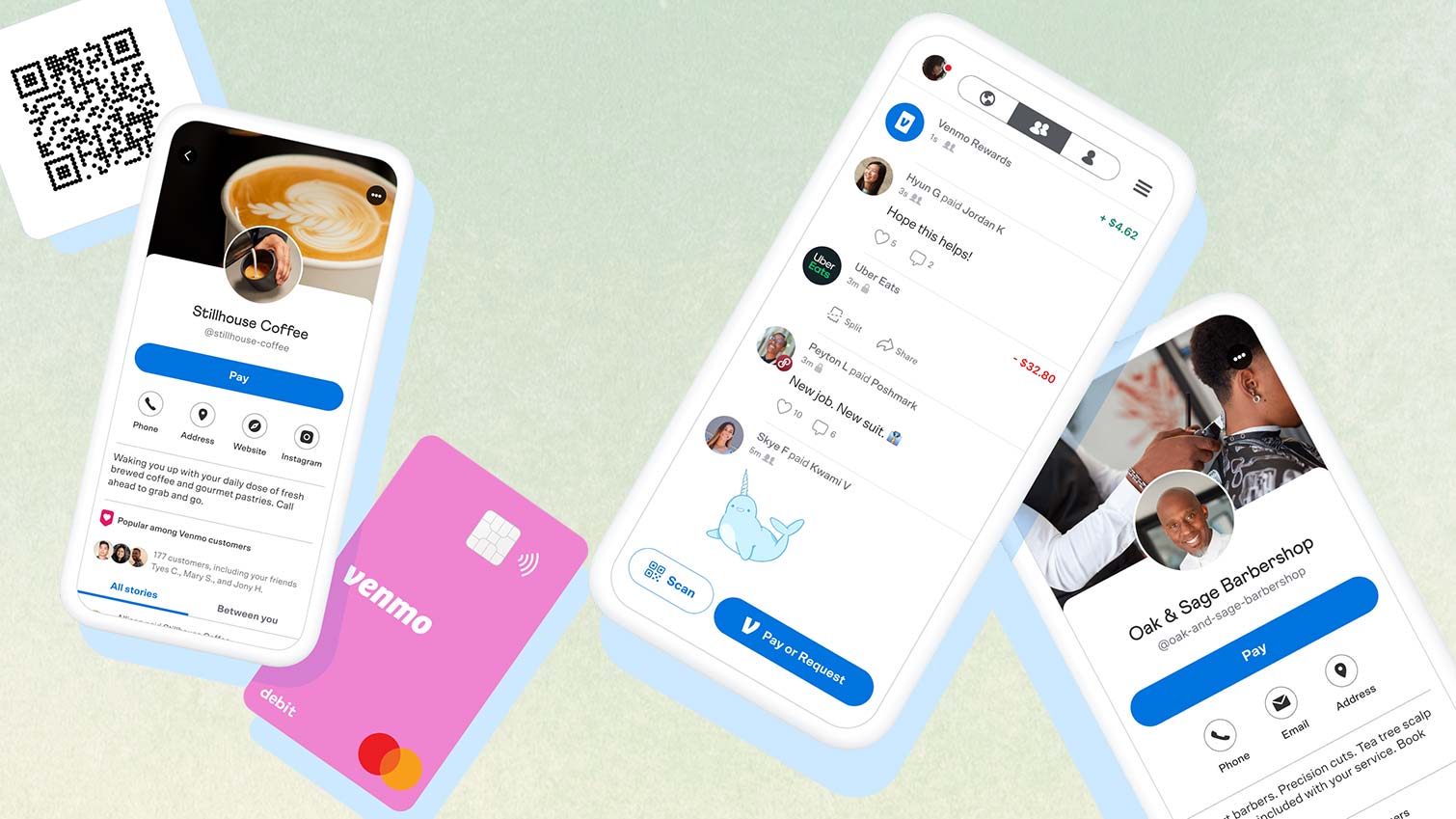
Sending a payment is straightforward: you select a recipient, enter the amount, and add a note. Conversely, the “Request” feature is a powerful tool for personal budgeting. If you have fronted money for a group expense, sending a request immediately ensures your cash flow remains stable. From a financial psychology standpoint, prompt requests and payments prevent “social debt,” ensuring that your personal relationships do not interfere with your financial goals.
Managing Your Venmo Balance: Transferring to Your Bank Account
When you receive money on Venmo, it sits in your Venmo balance. You then have two primary options for moving that money into your traditional bank account:
- Standard Transfer: This is a free service that typically takes one to three business days. For those who plan their finances in advance, this is the preferred method.
- Instant Transfer: For a small fee (typically 1.75% with a minimum and maximum cap), you can move money to your debit card or bank account within minutes. While convenient, these fees can add up over time. If you are using Venmo for a side hustle or frequent transactions, relying on Instant Transfers can significantly reduce your net income. Strategic financial planning suggests using the Standard Transfer whenever possible to keep your money working for you, rather than paying for speed.
3. Venmo for Modern Business and Side Hustles

As the gig economy grows, Venmo has expanded its services to accommodate entrepreneurs and freelancers. Distinguishing between personal use and business use is vital for legal and financial health.
Leveraging Business Profiles for Freelancers
If you are using Venmo to receive payments for goods or services—whether you’re a freelance designer or selling handmade crafts—you should use a Venmo Business Profile. While personal accounts are free, business transactions incur a small seller fee (typically 1.9% plus a fixed fee). This fee is a necessary cost of doing business, as it provides you with a professional appearance, allows you to accept payments from customers who aren’t on Venmo, and ensures you are in compliance with Venmo’s Terms of Service.
Understanding IRS Reporting and Tax Implications (1099-K)
Perhaps the most significant financial shift for Venmo users in recent years involves tax reporting. Under current tax laws, P2P payment processors are required to report gross payments for goods and services that exceed a certain threshold to the IRS via Form 1099-K.
It is crucial to understand that this applies to business transactions, not personal gifts or reimbursements between friends. By maintaining a clear distinction between personal and business profiles, you simplify your year-end tax preparation and ensure you are not paying taxes on non-taxable personal transfers. Keeping meticulous records of your Venmo business income is a cornerstone of responsible business finance.
4. Advanced Financial Tools Within the App
Venmo has transitioned from a simple payment app to a comprehensive financial ecosystem, offering products that compete with traditional banking services.
The Venmo Credit and Debit Cards: Rewards and Cash Back
The Venmo Debit Card allows you to spend your Venmo balance anywhere Mastercard is accepted, providing liquidity without needing to transfer funds to a bank. Even more robust is the Venmo Credit Card, which offers a unique rewards structure. It automatically calculates your top spending category each month and awards 3% cash back on that category, 2% on the next, and 1% on everything else. For a savvy spender, this “auto-optimizing” feature can be a low-maintenance way to maximize cash-back rewards on fluctuating monthly expenses like groceries or gas.
Cryptocurrency Integration: A Gateway to Digital Assets
In an effort to remain competitive in the fintech space, Venmo now allows users to buy, hold, and sell cryptocurrencies like Bitcoin and Ethereum directly within the app. For those looking to diversify their investment portfolio with digital assets, Venmo offers an accessible entry point. However, from an investing perspective, users should be aware of the volatility associated with crypto. Venmo’s interface makes it easy to invest small amounts (even using cash-back rewards from the credit card), which can be a prudent way to “dollar-cost average” into a high-risk asset class without over-leveraging your main savings.
5. Security and Best Practices for Financial Integrity
No financial tool is useful if it isn’t secure. Because Venmo is linked directly to your liquid assets, maintaining high-level security is paramount to your financial well-being.
Protecting Your Capital from Fraud
As Venmo’s popularity has grown, so have the tactics used by scammers. One of the most common “Money” mistakes users make is sending funds to strangers for items purchased on unverified marketplaces. Venmo’s P2P service is designed for people who know and trust each other. To protect your capital, never use the personal payment feature for transactions with strangers. Additionally, enable multi-factor authentication (MFA) and biometric locks (FaceID or Fingerprint) to ensure that even if your phone is lost, your digital wallet remains inaccessible to unauthorized users.

Privacy Settings and Social Finance
Venmo is unique because of its social feed, where transaction notes are often made public by default. From a privacy and security standpoint, it is highly recommended to set your transaction visibility to “Private.” Sharing your financial habits—who you are paying and when—can provide bad actors with information that could be used for social engineering or phishing attacks. In the world of finance, discretion is often a form of protection. By keeping your transaction history private, you maintain control over your financial data and reduce your profile as a target for potential fraud.
In conclusion, mastering Venmo is an essential skill in the modern financial toolkit. By understanding the nuances of fee structures, leveraging business profiles for income generation, and utilizing integrated rewards and investment features, you can turn a simple app into a powerful engine for personal financial management. Treat your Venmo account with the same diligence as you would a traditional bank account, and it will serve as a secure, efficient, and rewarding component of your broader financial life.
aViewFromTheCave is a participant in the Amazon Services LLC Associates Program, an affiliate advertising program designed to provide a means for sites to earn advertising fees by advertising and linking to Amazon.com. Amazon, the Amazon logo, AmazonSupply, and the AmazonSupply logo are trademarks of Amazon.com, Inc. or its affiliates. As an Amazon Associate we earn affiliate commissions from qualifying purchases.