
In an increasingly digital world, managing your finances often means navigating a blend of traditional banking and innovative fintech solutions. The Cash App Card stands out as a prime example of the latter – a free, customizable debit card linked directly to your Cash App balance, designed to simplify everyday spending and access to your funds. Far more than just a payment method, the Cash App Card serves as a crucial tool for personal financial management, empowering users to spend, save, and track their money with unprecedented ease. This guide delves into the multifaceted ways you can leverage your Cash App Card, integrating it seamlessly into your broader financial strategy to enhance control and convenience.
Understanding Your Cash App Card: Beyond the Basics
Before diving into its practical applications, it’s essential to grasp the fundamental nature and operational aspects of the Cash App Card. This foundational understanding is key to maximizing its benefits and ensuring secure usage within your personal finance ecosystem.
What is the Cash App Card?
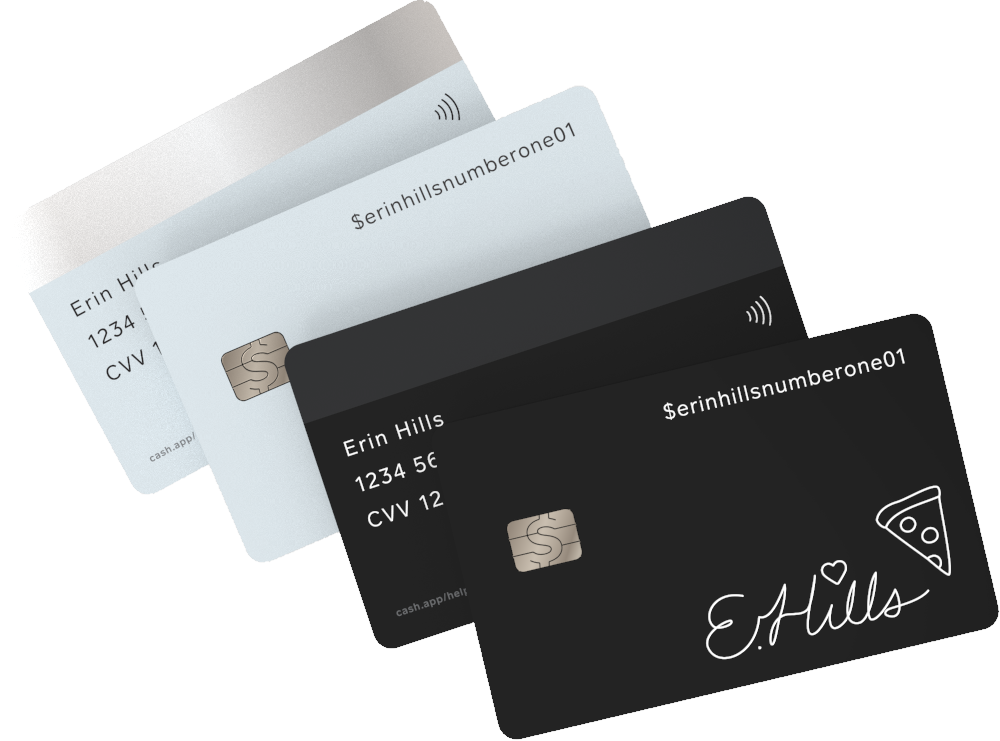
The Cash App Card is a Visa debit card directly tied to your Cash App balance. Unlike a credit card, it only allows you to spend funds you already have loaded into your account, making it an excellent tool for budgeting and avoiding debt. It features a sleek, customizable design, allowing users to personalize their card through the app before it’s mailed to them. Essentially, it transforms your digital Cash App balance into a tangible form, enabling you to use it wherever Visa debit cards are accepted – both online and in physical stores. The funds held within your Cash App are generally protected by FDIC insurance through Cash App’s partner banks, offering a layer of security comparable to traditional banking accounts. This makes it a reliable medium for holding and transacting your funds, blurring the lines between a conventional bank account and a mobile payment application. Its primary purpose is to provide immediate, convenient access to your money, bridging the gap between digital wealth and real-world spending needs.
Activating and Securing Your Card
Receiving your physical Cash App Card is just the first step; proper activation and robust security measures are paramount. Activating your card is a straightforward process conducted entirely within the Cash App. Once your card arrives, open the app, navigate to the “Card” tab (the card icon at the bottom), and follow the prompts to link the physical card to your account, typically by scanning the QR code on the card packaging or manually entering the card details. During this process, you will also set a Personal Identification Number (PIN), which is crucial for ATM withdrawals and certain in-store purchases.
Security is not just an option but a necessity. Cash App provides several features to safeguard your funds. The most significant is the ability to instantly lock your card from within the app. If you misplace your card or suspect unauthorized activity, a single tap can prevent any further transactions. You can unlock it just as easily if you find it again. Furthermore, enabling transaction notifications ensures you receive real-time alerts for every purchase or withdrawal, allowing you to quickly spot and dispute any suspicious activity. Connecting your Cash App Card to mobile wallets like Apple Pay or Google Pay adds another layer of security, as these services use tokenization to protect your card details during transactions, meaning your actual card number is never shared with merchants. Regularly reviewing your transaction history within the app also serves as an effective security measure, allowing you to monitor your spending and identify any discrepancies promptly.
Everyday Financial Transactions with Your Card
The true utility of the Cash App Card shines in its ability to facilitate a wide array of everyday financial transactions, making your digital funds accessible and versatile for various spending needs.
Making Purchases: Online and In-Store
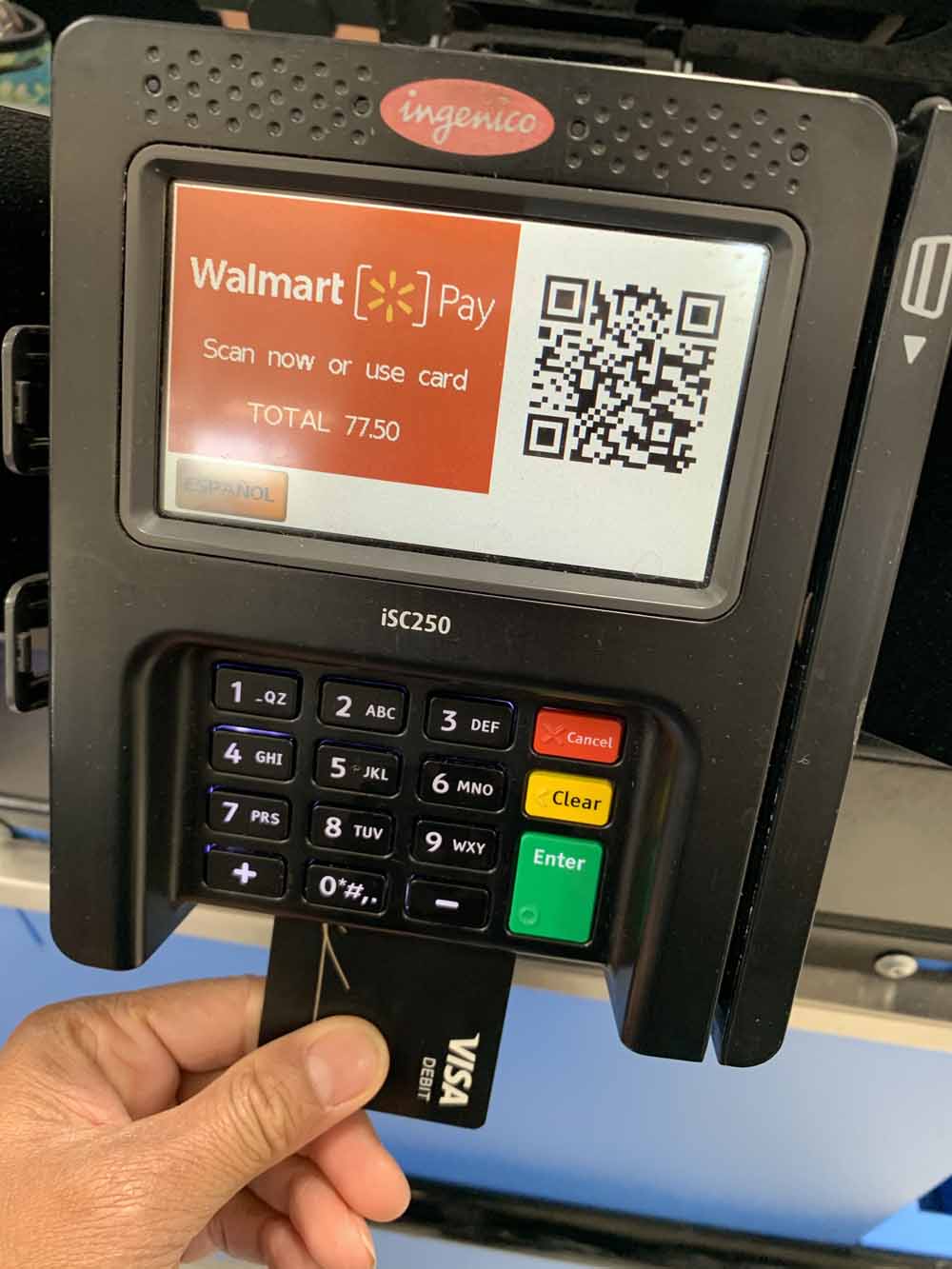
Using your Cash App Card for purchases is remarkably similar to using any other debit card. For in-store transactions, you can swipe, insert, or tap your card at any point-of-sale terminal that accepts Visa. For purchases requiring a PIN, simply enter the one you set during activation. Online, you’ll enter your card number, expiration date, and CVV (the three-digit code on the back) at checkout, just as you would with a traditional bank card. This seamless integration into the existing payment infrastructure means you can use your Cash App balance to pay for groceries, gas, restaurant meals, online shopping, and virtually any other expense. The convenience of having a dedicated card for your Cash App balance allows for easy tracking of these specific expenditures within the app’s activity feed. This immediate visibility into your spending helps in managing your budget and keeping tabs on where your money is going, especially if you use your Cash App Card for a specific category of expenses or discretionary spending.
ATM Withdrawals: Accessing Cash
While the Cash App Card excels in digital transactions, it also provides crucial access to physical cash when needed. You can use your Cash App Card to withdraw money from any ATM that accepts Visa. To do this, simply insert your card, enter your PIN, and select the “withdrawal” option. It’s important to be aware of the fees associated with ATM withdrawals. While Cash App charges a small fee for withdrawals, you may also incur fees from the ATM operator itself. However, Cash App offers an excellent way to waive their own ATM fees: by setting up direct deposits of $300 or more into your Cash App account each month. This perk makes the card even more attractive for users who regularly receive their paychecks or other income directly into their Cash App, effectively giving them free access to their cash balance. Always check for both Cash App’s fees and any third-party ATM fees before making a withdrawal to avoid unexpected costs.
Direct Deposits and Loading Funds
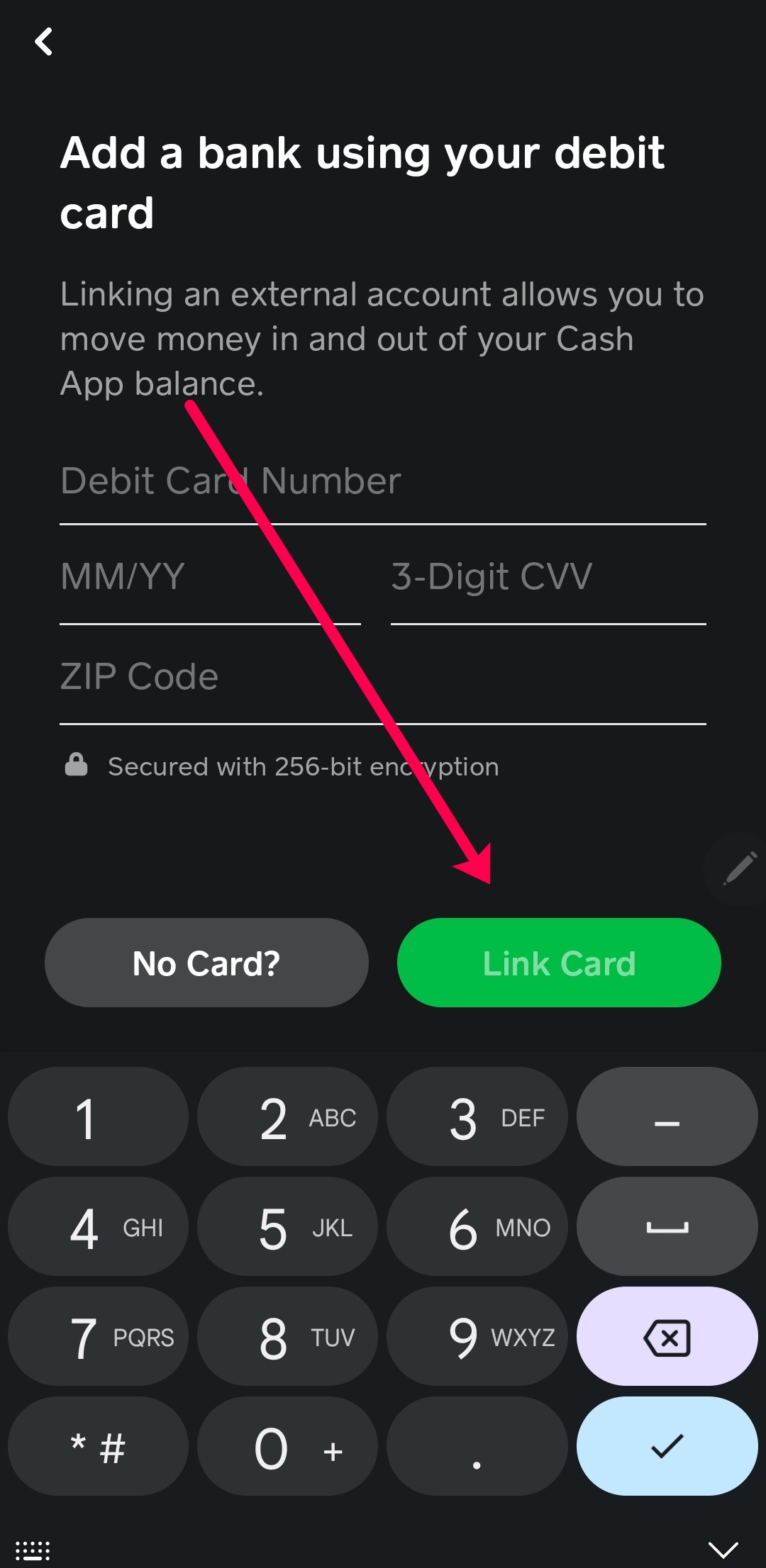
One of the most powerful features of the Cash App Card ecosystem is its robust support for direct deposits. You can receive paychecks, government benefits, tax refunds, and other regular income directly into your Cash App account, just like with a traditional bank account. This is facilitated by providing your employer or payer with your unique Cash App routing and account numbers, which can be found in the “Banking” or “Money” tab of your app. Setting up direct deposit not only provides a convenient way to manage your primary income but also unlocks benefits like fee-free ATM withdrawals. Beyond direct deposits, you can load funds onto your Cash App Card in several ways. You can instantly transfer money from a linked bank account or debit card within the app. For those who prefer cash, many retail locations like Walmart, 7-Eleven, and Dollar General allow you to add cash to your Cash App balance by scanning a barcode within your app and handing over the cash to the cashier. These diverse loading options ensure that keeping your Cash App Card funded is always convenient, regardless of your preferred method of money management.
Leveraging Your Cash App Card for Financial Management
Beyond mere transactions, the Cash App Card can be a strategic asset in your personal finance toolkit, offering features that actively help you manage and optimize your spending.
Budgeting and Expense Tracking
The Cash App Card, by virtue of being linked to a single, easily monitored balance, is an excellent tool for budgeting, especially for specific categories of spending or discretionary funds. Every transaction made with your card is immediately reflected in your in-app activity feed. This real-time tracking allows for quick and effortless expense monitoring. While Cash App doesn’t offer sophisticated budgeting categories like some dedicated personal finance apps, the clear, chronological list of transactions provides a transparent overview of your spending habits. Many users find it effective to use their Cash App Card for a particular segment of their budget – for instance, dining out, entertainment, or a weekly allowance. By keeping these funds separate from their primary bank account, they can easily see how much they have left for that specific category, promoting disciplined spending and preventing overspending in certain areas. This focused approach to tracking makes the Cash App Card a practical component of a broader, more comprehensive budgeting strategy.
Boosts: Saving Money on Purchases
A standout feature that directly translates into savings for Cash App Card users is “Boosts.” Boosts are instant, one-time discounts or cashback offers applied directly to your purchases when you use your Cash App Card at specific merchants. These can range from a percentage off your entire purchase at a coffee shop to a fixed dollar amount off at a grocery store or even discounts on online subscriptions. The beauty of Boosts is their immediate nature; the discount is applied at the point of sale, so you see the savings instantly rather than waiting for cashback to accrue.
To use Boosts, you simply select the desired Boost within the Cash App before making your purchase. You can change your active Boost as often as you like, allowing you to tailor your savings to your immediate shopping plans. Strategically using Boosts can lead to significant savings over time, especially on regular expenses. For instance, if you frequently shop at a grocery store that offers a 10% Boost, activating it each time you shop effectively reduces your grocery bill. Regularly checking the available Boosts and aligning them with your spending habits is a smart financial move that enhances the value proposition of the Cash App Card.
Sending and Receiving Money with Ease
The Cash App Card is inherently integrated into the broader Cash App ecosystem, which is renowned for its peer-to-peer payment capabilities. While the card facilitates spending from your balance, it also plays a crucial role in the fluidity of sending and receiving money. When someone sends you money via Cash App, those funds immediately appear in your Cash App balance and are instantly available for use with your Cash App Card. This means you can receive money from friends, family, or clients and almost immediately use it to make purchases, pay bills, or withdraw cash.
Conversely, while the card itself doesn’t “send” money, it’s the gateway to your balance, from which you can easily send funds to other Cash App users. This seamless integration between peer-to-peer transfers and card spending makes Cash App a highly versatile financial tool. For individuals involved in side hustles, online income, or shared expenses with housemates, the ability to quickly move money in and out of an immediately spendable balance is incredibly valuable, streamlining the flow of funds and simplifying financial interactions.
Advanced Tips and Financial Considerations
To fully optimize your use of the Cash App Card, it’s beneficial to consider some advanced tips and financial best practices that ensure both efficiency and security.
Managing Your Balance and Overdrafts
Effective management of your Cash App balance is critical, as the card operates on a “spend what you have” principle. Unlike traditional bank accounts, Cash App typically does not offer overdraft protection. If you attempt to make a purchase that exceeds your available balance, the transaction will simply be declined. This feature, while potentially inconvenient in the moment, can be a powerful budgeting tool, preventing you from spending money you don’t have and accumulating overdraft fees. To avoid declines, it’s crucial to regularly check your balance within the app before making significant purchases. Setting up low balance alerts, if available or manually checking frequently, can help ensure you always have sufficient funds. Furthermore, being aware of any pending transactions that haven’t yet cleared can prevent unexpected shortfalls, allowing you to maintain a healthy balance for all your anticipated spending.
Security Best Practices for Your Card
Maintaining the security of your Cash App Card is paramount. Beyond the in-app lock feature, there are several best practices to adopt. Always guard your PIN carefully and never share it with anyone. Be vigilant about your physical card; treat it like cash and report it lost or stolen immediately using the in-app lock and replacement request features. Regularly review your transaction history to spot any unfamiliar activity, even small charges. Be wary of phishing scams that try to trick you into revealing your login credentials or card details. Cash App will never ask for your PIN, sign-in code, or full card number via phone, email, or social media. Always ensure you are interacting directly with the official Cash App support channels through the app. Keeping your phone secure with strong passwords or biometric locks is also essential, as your Cash App is tied to your device. These diligent security habits are your first line of defense against fraud and unauthorized access to your funds.
The Cash App Card in Your Broader Financial Strategy
The Cash App Card can play a distinct role within a diversified financial strategy. It serves as an excellent complement to traditional banking services, rather than a full replacement. For instance, many users find it ideal for managing a dedicated portion of their discretionary income, an emergency fund for small, immediate needs, or as a tool for online income generated through side hustles. Its simplicity and instant transaction capabilities make it perfectly suited for these purposes, allowing you to keep these specific funds separate from your main banking account for clearer financial delineation.
For international travel, while Visa is widely accepted globally, it’s important to note potential foreign transaction fees that Cash App or the merchant might impose. It’s always wise to check Cash App’s current fee structure and consider having a backup payment method when traveling abroad. Integrating the Cash App Card intelligently means understanding its strengths – speed, convenience, peer-to-peer transfers, and Boosts – and deploying it where it offers the most advantage, while still leveraging traditional banks for more complex financial needs like large savings, loans, or extensive investment portfolios.
Conclusion
The Cash App Card has emerged as a versatile and potent financial tool, redefining how many individuals access and manage their money in the digital age. From simplifying everyday purchases and providing convenient access to cash to offering strategic savings through Boosts and streamlining peer-to-peer transactions, its functionalities extend far beyond those of a basic debit card. By understanding its features, embracing security best practices, and thoughtfully integrating it into your personal financial strategy, you can unlock the full potential of your Cash App Card. It represents more than just a piece of plastic; it’s a gateway to empowered financial management, offering convenience, control, and efficiency in the palm of your hand.
aViewFromTheCave is a participant in the Amazon Services LLC Associates Program, an affiliate advertising program designed to provide a means for sites to earn advertising fees by advertising and linking to Amazon.com. Amazon, the Amazon logo, AmazonSupply, and the AmazonSupply logo are trademarks of Amazon.com, Inc. or its affiliates. As an Amazon Associate we earn affiliate commissions from qualifying purchases.