
Entering the stock market can seem like an intimidating venture, fraught with complex jargon and the perception of high risk. Yet, for many, it represents a powerful pathway to wealth creation, financial independence, and achieving long-term financial goals. The good news is that starting to buy stocks is more accessible than ever, with a wealth of resources and platforms designed for beginners. This comprehensive guide will demystify the process, providing a structured approach to help you confidently take your first steps into the world of investing.
1. Laying the Foundation: Understanding Stock Market Basics
Before you dive in, it’s crucial to grasp the fundamental concepts that govern the stock market. A solid understanding will empower you to make informed decisions and build a resilient investment strategy.
What Exactly is a Stock?
At its core, a stock (also known as equity) represents a small ownership stake in a company. When you buy a stock, you become a shareholder, meaning you own a tiny fraction of that company’s assets and earnings. Publicly traded companies issue stocks to raise capital for their operations, expansion, or debt repayment. As a shareholder, your potential returns come from two main sources: capital appreciation (when the stock price rises and you sell it for more than you paid) and dividends (a portion of the company’s profits distributed to shareholders).
Why Invest in Stocks?
Investing in stocks offers several compelling advantages. Historically, stocks have provided higher long-term returns compared to other asset classes like bonds or savings accounts, making them a powerful tool for outpacing inflation and growing your wealth. They offer the potential for significant capital appreciation as companies grow and innovate. Furthermore, many companies pay dividends, providing a regular income stream that can be reinvested to accelerate growth through compounding. While risks are inherent, a well-diversified stock portfolio can be a cornerstone of a robust financial plan.
Understanding Risk and Reward
Investing in stocks inherently involves risk. Stock prices can be volatile, fluctuating daily, weekly, or yearly due to company performance, industry trends, economic conditions, or global events. The value of your investments can go down as well as up, and you could potentially lose money. However, this risk is balanced by the potential for significant rewards. The key is to understand your own risk tolerance and to adopt strategies, like diversification and long-term investing, to mitigate unnecessary risk. Generally, the longer your investment horizon, the more time your portfolio has to recover from downturns and benefit from market uptrends.
Essential Terminology
Navigating the stock market requires familiarity with common terms:
- Brokerage Account: An investment account through which you buy and sell stocks.
- Portfolio: The collection of all investments you own.
- Diversification: Spreading your investments across various assets, industries, and geographies to reduce risk.
- **Market Cap: The total value of a company’s outstanding shares (share price multiplied by the number of shares), indicating company size.
- Bull Market/Bear Market: A bull market signifies a period of rising stock prices and investor optimism; a bear market is characterized by falling prices and pessimism.
2. Preparing for Your Investment Journey
Before committing any capital, it’s vital to ensure your personal finances are in order and that you have a clear strategy. This preparatory phase is just as important as the act of investing itself.
Assess Your Financial Health
Before you even think about buying stocks, take an honest look at your financial situation. Do you have high-interest debt (like credit card debt)? If so, prioritize paying that down, as the interest rates often far outweigh potential stock market returns. Do you have an emergency fund? This is crucial – ideally, three to six months’ worth of living expenses saved in an easily accessible account. This fund acts as a financial safety net, preventing you from having to sell investments at an inopportune time should an unexpected expense arise. Create a budget to understand your income and expenses, identifying how much disposable income you genuinely have available for investing without compromising your financial stability.
Define Your Investment Goals
What are you hoping to achieve by investing in stocks? Are you saving for retirement decades away, a down payment on a house in five years, or perhaps your children’s education? Your goals will dictate your investment timeline, the amount of risk you can comfortably take, and the types of investments you choose. Long-term goals generally allow for more aggressive strategies, while short-term goals might call for more conservative approaches. Clearly defining your goals provides direction and helps you stay disciplined, especially during market volatility.
Determine Your Risk Tolerance
How comfortable are you with the idea of your investments fluctuating in value, potentially significantly? Your risk tolerance is a crucial factor. Are you an aggressive investor, willing to stomach large drops for the chance of higher returns? Or are you conservative, preferring lower, more stable growth with less volatility? Factors like your age, financial situation, personality, and investment horizon all play a role. A younger investor with decades until retirement might tolerate more risk, while someone nearing retirement might prefer less. Be honest with yourself about how you’d react to a market downturn – panic selling is a common pitfall for those who over-estimate their risk tolerance.
Start Small and Learn
You don’t need a fortune to start investing. Many brokerage firms now offer fractional shares, allowing you to buy portions of expensive stocks with as little as a few dollars. This enables you to start building a diversified portfolio even with a modest initial investment. Beginning with smaller amounts allows you to learn the ropes, understand market dynamics, and gain experience without putting significant capital at risk. Think of it as an ongoing educational journey where practical experience reinforces theoretical knowledge.
3. Choosing Your Investment Path and Platform
Once you’re financially prepared, the next step is to decide how you’ll invest and which platform will facilitate your transactions.
Self-Directed vs. Managed Investing
You essentially have two main paths:
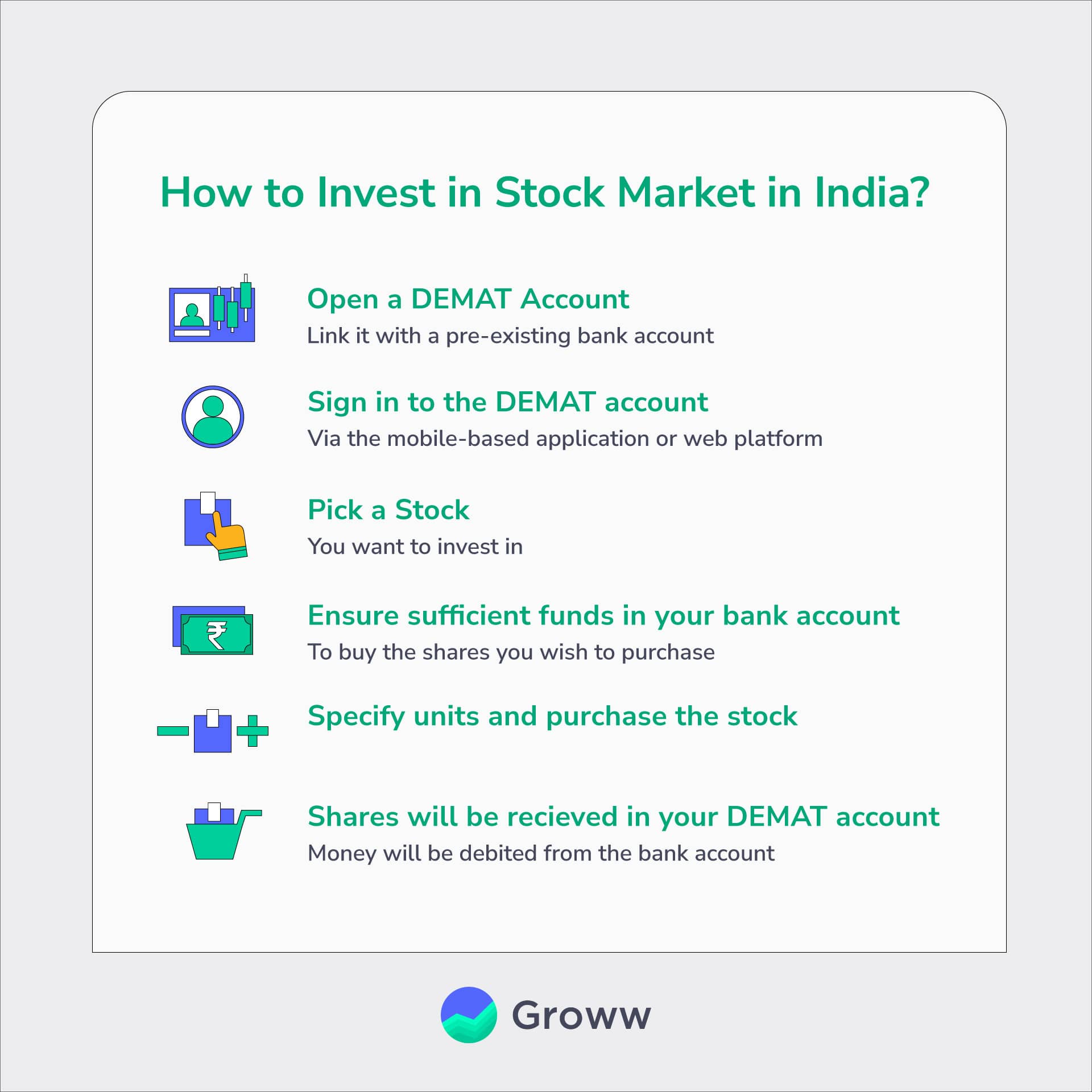
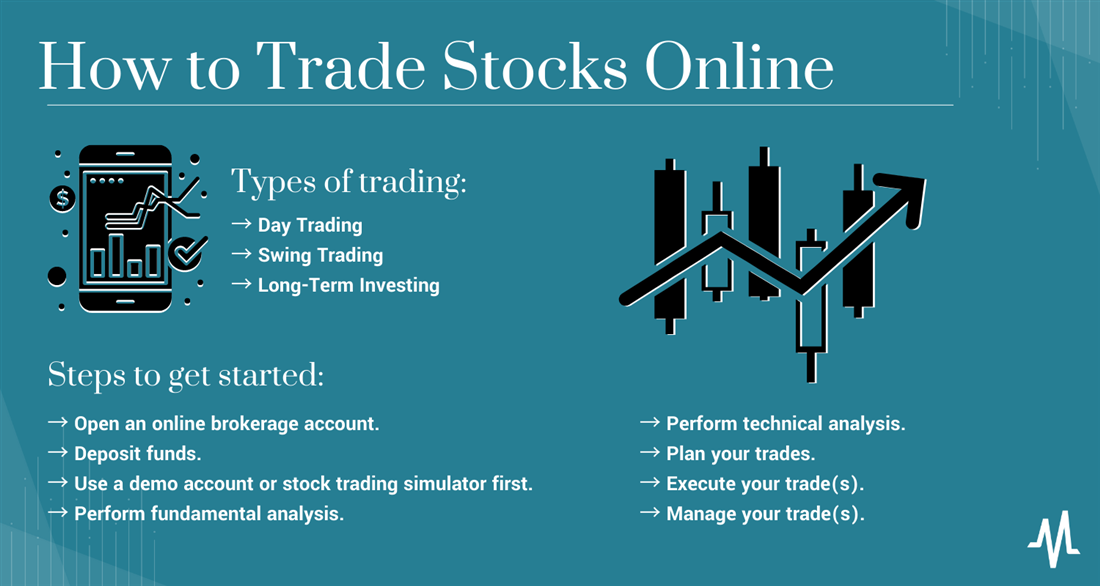
- Self-Directed Investing: This involves opening a brokerage account and making all investment decisions yourself. It offers maximum control and typically lower fees but requires time, research, and a willingness to learn. It’s ideal for those who enjoy autonomy and are committed to educating themselves.
- Managed Investing: This involves entrusting your investments to professionals. This can be through a robo-advisor (automated, algorithm-driven platforms that build and manage diversified portfolios based on your goals and risk tolerance, often with low fees) or a human financial advisor (provides personalized advice, portfolio management, and financial planning, usually for a higher fee). Managed options are great for those who prefer a hands-off approach or need comprehensive financial guidance. For beginners, robo-advisors often strike a good balance between cost and guidance.
Selecting a Brokerage Account
If you opt for self-directed investing, choosing the right brokerage firm is key. Consider these factors:
- Fees: Look for commission-free stock and ETF trading. Be aware of other potential fees like account maintenance, inactivity, or transfer fees.
- Minimum Deposit: Many brokers have no minimum to open an account, but some may require a certain amount to start investing or access premium features.
- Research Tools & Educational Resources: Especially important for beginners, look for platforms offering robust research, analytical tools, stock screeners, and educational content (articles, webinars).
- User Experience: An intuitive, easy-to-navigate platform (web and mobile app) can significantly enhance your experience.
- Customer Service: Good customer support can be invaluable when you have questions or encounter issues.
Understanding Different Account Types
Beyond the choice of brokerage, you’ll need to select an account type:
- Taxable Brokerage Account: A standard investment account where capital gains and dividends are taxed annually. There are no contribution limits.
- Individual Retirement Accounts (IRAs): These are tax-advantaged accounts designed for retirement savings.
- Traditional IRA: Contributions may be tax-deductible, and taxes are paid upon withdrawal in retirement.
- Roth IRA: Contributions are made with after-tax money, but qualified withdrawals in retirement are tax-free. Roth IRAs are particularly attractive for younger investors expecting to be in a higher tax bracket in retirement.
The tax benefits of IRAs make them excellent choices for long-term investing.
Exploring Investment Vehicles Beyond Individual Stocks
While the title focuses on “buying stocks,” it’s important for beginners to know that individual stocks aren’t your only, or even necessarily your best, starting point.
- Exchange-Traded Funds (ETFs): These are funds that hold a basket of stocks (or other assets) and trade like individual stocks on an exchange. They offer instant diversification across industries, sectors, or market indices (like the S&P 500) at a low cost.
- Mutual Funds: Similar to ETFs, these professionally managed funds pool money from many investors to buy a diversified portfolio. They are typically bought and sold once per day at the closing net asset value (NAV).
For most beginners, investing in diversified ETFs or mutual funds is often a safer and more effective way to start than picking individual stocks, as it immediately reduces company-specific risk.
4. Making Your First Investment and Beyond
With your preparations complete and your platform chosen, you’re ready to make your first investment. But the journey doesn’t end there – successful investing is an ongoing process.
Researching Potential Stocks
If you decide to pick individual stocks, thorough research is paramount. Don’t simply buy a stock because a friend recommended it or it’s trending on social media.
- Understand the Business: Invest in companies whose business models you understand. What do they do? How do they make money?
- Analyze Financials: Look at key financial statements (income statement, balance sheet, cash flow statement). Key metrics include revenue growth, profit margins, debt levels, and cash flow.
- Industry Trends: Is the company operating in a growing industry? What are its competitive advantages?
- Management Team: Who is leading the company? Do they have a good track record?
- Valuation: Is the stock price reasonable compared to its earnings, assets, and future growth potential? Don’t overpay for a good company.
Placing Your First Order
When you’re ready to buy, you’ll typically have options for placing an order:
- Market Order: This tells your broker to buy or sell shares immediately at the best available current market price. It guarantees execution but not a specific price.
- Limit Order: This specifies the maximum price you’re willing to pay (for buying) or the minimum price you’re willing to accept (for selling). It guarantees the price but not necessarily execution if the market doesn’t reach your specified limit.
For beginners, a market order is often sufficient for highly liquid stocks, but a limit order can be useful for volatile stocks or if you have a specific price target. Many platforms also offer fractional shares, allowing you to invest a specific dollar amount rather than buying whole shares.
The Power of Diversification
This cannot be stressed enough: do not put all your eggs in one basket. Diversification is the cornerstone of risk management. By spreading your investments across various companies, industries, asset classes (e.g., stocks and bonds), and geographies, you reduce the impact of a poor performance by any single investment. If one stock or sector underperforms, others in your portfolio might perform well, balancing out your overall returns. This is why ETFs and mutual funds are often recommended for beginners, as they inherently provide diversification.
Regular Investing (Dollar-Cost Averaging)
One of the most effective strategies for long-term investors is dollar-cost averaging. This involves investing a fixed amount of money at regular intervals (e.g., $100 every month), regardless of whether the market is up or down. When prices are high, your fixed amount buys fewer shares; when prices are low, it buys more shares. Over time, this averages out your purchase price, reduces the impact of market timing, and eliminates the emotional temptation to “buy low and sell high” – a feat even seasoned professionals struggle with consistently. Automating these investments makes the process effortless and builds consistent discipline.
5. Long-Term Strategies and Continuous Learning
Investing is not a sprint; it’s a marathon. Maintaining a long-term perspective and committing to continuous learning are vital for sustained success.
Monitoring Your Portfolio (Without Obsessing)
While it’s important to stay informed about your investments, resist the urge to check your portfolio’s value daily. Daily fluctuations are normal and often meaningless in the long run. Instead, commit to periodic reviews – perhaps quarterly or semi-annually. Use these reviews to check if your portfolio still aligns with your goals and risk tolerance, and to rebalance if necessary (selling some assets that have grown significantly and buying more of those that have lagged to maintain your target allocation).
Reinvesting Dividends
Many companies pay dividends, distributing a portion of their profits to shareholders. Many brokerage accounts offer the option to automatically reinvest these dividends, meaning the cash payout is used to buy more shares of the same stock (or ETF). This strategy supercharges the power of compounding, allowing your investment to grow exponentially over time as your earnings start to earn their own returns.
Staying Informed and Adapting
The financial world is constantly evolving. Stay informed about economic trends, market news, and developments in the companies or industries you’re invested in. Read reputable financial news sources, listen to expert analysis, and continue educating yourself about investing principles. Your personal financial situation may also change over time – a new job, marriage, children, or approaching retirement – requiring you to adapt your investment strategy accordingly. Flexibility and a willingness to learn are hallmarks of successful investors.

Avoiding Common Pitfalls
As a beginner, be mindful of common mistakes:
- Emotional Trading: Don’t let fear or greed dictate your decisions. Panic selling during downturns or chasing hot stocks during upturns are recipes for poor returns.
- Lack of Diversification: As discussed, putting all your capital into one or two stocks is extremely risky.
- Ignoring Fees: High fees can significantly erode your long-term returns.
- Lack of Patience: The stock market rewards long-term commitment. Don’t expect to get rich quick.
- Not Having a Plan: Investing without clear goals and a strategy is like sailing without a map.
Starting to buy stocks is a journey that begins with education, careful preparation, and a commitment to long-term discipline. By understanding the basics, assessing your financial health, choosing the right platform, and adopting sound strategies like diversification and dollar-cost averaging, you can confidently build a portfolio that works towards your financial future. Remember, every expert was once a beginner. Take your first thoughtful steps today, and embark on a rewarding path to financial growth.
aViewFromTheCave is a participant in the Amazon Services LLC Associates Program, an affiliate advertising program designed to provide a means for sites to earn advertising fees by advertising and linking to Amazon.com. Amazon, the Amazon logo, AmazonSupply, and the AmazonSupply logo are trademarks of Amazon.com, Inc. or its affiliates. As an Amazon Associate we earn affiliate commissions from qualifying purchases.