
Starting a small business from the comfort of your home is an increasingly popular and accessible path to entrepreneurship. It offers unparalleled flexibility, significantly lower overhead costs compared to traditional brick-and-mortar setups, and the potential to build a venture perfectly aligned with your lifestyle and passions. However, while the allure of working in your pajamas is strong, the foundation of any successful home-based enterprise, like any business, rests firmly on sound financial planning and astute money management. This isn’t just about having enough cash to get started; it’s about understanding the financial ecosystem of your business, from initial funding and daily cash flow to profitability, tax obligations, and long-term financial growth.
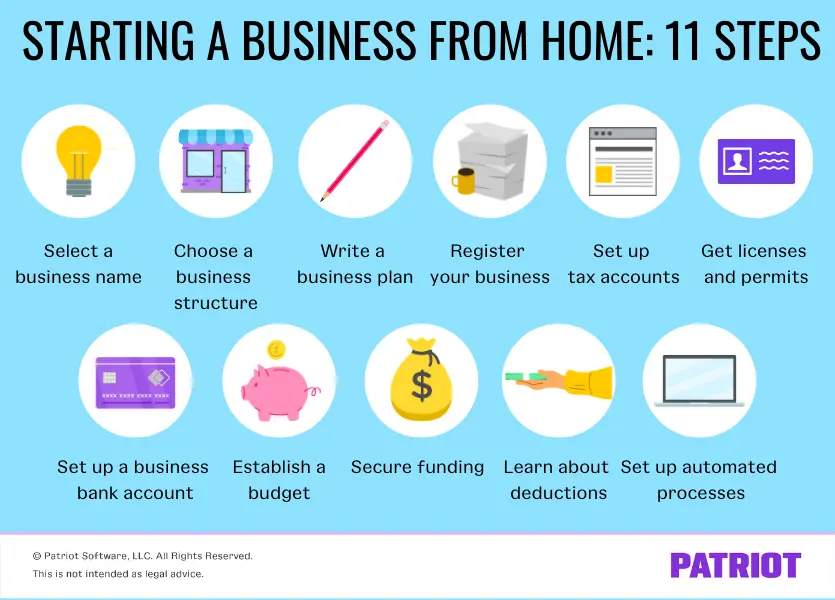
This comprehensive guide will delve exclusively into the financial considerations crucial for launching and sustaining a thriving home-based business. We will explore how to financially prepare yourself, fund your venture, manage its finances effectively, leverage the right financial tools, and ultimately optimize your home business for sustained online income and robust financial health. For aspiring home entrepreneurs, grasping these financial principles isn’t merely beneficial—it’s absolutely essential for turning a dream into a financially viable reality.
Laying the Financial Foundation for Your Home Business
Before you even think about business names or marketing strategies, the first crucial step for any home-based entrepreneur is to establish a solid financial foundation. This involves honestly assessing your current personal financial standing, identifying viable funding avenues, and meticulously crafting a startup budget that reflects the unique economics of a home-based operation.
Assessing Your Personal Financial Readiness
Your personal finances are inextricably linked to your business’s early days. Many home-based entrepreneurs initially bootstrap their ventures, meaning personal savings or existing income streams will likely bear the brunt of startup costs. Therefore, it’s vital to ensure your personal financial house is in order. Do you have an adequate emergency fund (typically 3-6 months of living expenses) separate from any business capital? Are you carrying high-interest personal debt that could become a burden? Starting a business can be stressful enough without the added pressure of personal financial instability. Create a personal budget that accounts for the potential decrease or inconsistency of income during your business’s infancy. Understand how much you can realistically afford to invest or lose without jeopardizing your household’s financial security. This introspection provides a clear picture of your risk tolerance and the financial runway you possess, which directly impacts the pace at which your business can grow.
Initial Capital and Funding Options
One of the significant advantages of a home-based business is the often-lower barrier to entry regarding capital. However, even the leanest operations require some initial investment. Identifying your funding sources is critical.
- Bootstrapping and Personal Savings: This is the most common route for home businesses. Leveraging personal savings allows you to maintain full ownership and control without debt obligations. However, it requires careful budgeting to ensure these savings are not depleted prematurely.
- Small Business Loans: While traditionally harder for brand-new, home-based ventures without collateral or established revenue, microloans from community development financial institutions (CDFIs) or SBA-backed microloan programs might be accessible. Prepare a solid business plan and financial projections to demonstrate viability.
- Grants: Less common for general home businesses but potentially available for specific niches (e.g., women-owned businesses, businesses in certain industries or geographic areas). Research local and national grant opportunities thoroughly, understanding that they are highly competitive and often come with strict criteria.
- Friends and Family: This can be a viable option, but treat it with the same professionalism as any other investor. Draft clear agreements outlining repayment terms, equity stakes (if any), and expectations to avoid future misunderstandings and preserve relationships.
- Crowdfunding: Platforms like Kickstarter or Indiegogo can be effective for product-based businesses or those with a compelling story that resonates with a broad audience. This method not only raises capital but can also validate your product/service and build a community around your brand.
The choice of funding will impact your business’s financial structure, your repayment obligations, and ultimately, your profitability. Consider a blend of options to minimize risk and maximize flexibility.
Crafting a Realistic Startup Budget
A detailed startup budget is your financial roadmap. For a home business, it must clearly distinguish between essential investments and recurring operational costs.
- Essential Startup Expenses: This includes one-time purchases like a dedicated computer or software, initial inventory, specialized tools, legal fees for business registration, website development, and initial marketing efforts.
- Recurring Operational Costs: These are the ongoing expenses you’ll incur monthly or annually. For a home business, this might include internet and phone bills (a portion of which may be deductible), software subscriptions, website hosting fees, marketing budget, professional memberships, and potentially utility costs for a dedicated home office space.
- Contingency Fund: Always allocate a percentage (10-20%) of your total startup budget for unexpected expenses. Things rarely go exactly as planned, and a contingency fund prevents small setbacks from becoming major financial crises.
Be meticulously honest and conservative when estimating costs, and conversely, realistic (not overly optimistic) when projecting early revenues. A well-thought-out budget prevents overspending, highlights potential cash flow issues, and informs your pricing strategies.
Navigating the Business Finance Landscape
Once your financial foundation is set, the ongoing management of your business finances becomes paramount. This involves a deep understanding of how money flows in and out of your business, how to price your offerings for profitability, and how to effectively forecast your financial future.
Understanding Revenue Streams and Pricing Strategies
The core of any business finance strategy is generating revenue. For home businesses, this often means identifying primary income sources and structuring your pricing effectively.
-
Identifying Revenue Streams:
- Service-Based: If you’re a consultant, freelancer, coach, or offering creative services, your revenue comes directly from client work. Consider hourly rates, project-based fees, retainer agreements, or package deals.
- Product-Based: If you sell physical or digital products (e.g., handmade goods, printables, software, courses), revenue comes from individual sales.
- Subscription Models: Offering ongoing access to content, services, or products for a recurring fee can provide predictable income.
- Affiliate Marketing: Earning commissions by promoting other companies’ products or services.
-
Pricing Strategies: Your pricing isn’t just a number; it reflects your value, covers your costs, and determines your profit margins.
- Cost-Plus Pricing: Calculate all costs (materials, labor, overhead) and add a desired profit margin. Simple but might not reflect market value.
- Value-Based Pricing: Price your product or service based on the perceived value it delivers to the customer, rather than just your costs. Often used by consultants and high-value service providers.
- Competitive Pricing: Research what competitors charge and position your prices accordingly. Be careful not to undervalue your offering simply to compete on price.
- Tiered Pricing: Offer different packages or levels of service at varying price points to cater to different customer needs and budgets.
Regularly review and adjust your pricing based on market demand, competitor analysis, and your own increasing expertise or product enhancements. Underpricing is a common pitfall for new home businesses and can severely hinder long-term profitability.
Managing Business Expenses and Cash Flow
Effective expense management and robust cash flow are the lifeblood of any business, especially those operating from home. Without a clear handle on these, even profitable businesses can fail due to a lack of liquidity.
- Separate Finances: This is non-negotiable. Open a dedicated business bank account and, if credit is needed, a business credit card. This simplifies accounting, tax preparation, and presents a professional image. Commingling personal and business funds creates an accounting nightmare and can jeopardize liability protection.
- Track Everything: Implement a meticulous system for tracking all income and expenses. Every receipt, every invoice, every transaction needs to be recorded. This is crucial for understanding where your money is going, identifying areas for cost-cutting, and for accurate tax filing.
- Optimize Spending: For a home business, look for cost-effective solutions. Can you use free or freemium software versions initially? Are there bulk discounts available for supplies? Can you negotiate better terms with suppliers? Regularly review your subscriptions and recurring expenses to ensure they are still necessary and providing value.
- Monitor Cash Flow: Understand the difference between profit and cash. A business can be profitable on paper but experience cash shortages if clients pay slowly or large expenses are due. Forecast your cash inflows and outflows regularly. Use invoicing software that sends reminders for overdue payments to improve collection times. Building a small cash reserve for your business can also cushion against unexpected dips in income.
Financial Projections and Profitability Analysis
Looking ahead financially is as important as managing the present. Developing financial projections and routinely analyzing your profitability helps guide strategic decisions and indicates the long-term viability of your home business.
- Sales Forecasting: Estimate future sales based on market research, your pricing strategy, and initial performance data. Be conservative initially, but allow for growth. This feeds into your overall revenue projections.
- Break-Even Analysis: Calculate the point at which your total revenues equal your total expenses, meaning you are neither making nor losing money. Understanding your break-even point helps you determine the minimum number of products you need to sell or services you need to provide to cover your costs.
- Profitability Ratios: Understand key metrics like gross profit margin (revenue minus cost of goods sold, divided by revenue) and net profit margin (the percentage of revenue left after all expenses, including taxes, are deducted). These ratios tell you how efficiently your business is converting sales into actual profit and where there might be room for improvement in pricing or cost control.
- Scenario Planning: Consider different financial scenarios (e.g., best-case, worst-case, most likely) to prepare for various outcomes. This builds resilience into your financial planning.

Regularly compare your actual financial performance against your projections. This helps you identify trends, make necessary adjustments, and refine your financial planning for the future.
Leveraging Financial Tools and Systems for Success
In the digital age, numerous financial tools and systems are available to simplify money management for home-based entrepreneurs. Utilizing the right technology can save countless hours, reduce errors, and provide invaluable insights into your business’s financial health.
Essential Accounting and Bookkeeping Software
Automating your accounting is one of the smartest investments a home business owner can make. These platforms simplify expense tracking, invoicing, and financial reporting.
- QuickBooks Self-Employed: Tailored for freelancers and sole proprietors, it makes tracking income and expenses, mileage, and estimating quarterly taxes straightforward.
- FreshBooks: Known for its intuitive invoicing and expense tracking, ideal for service-based businesses.
- Xero: Offers a more robust suite of features suitable for growing home businesses that might eventually hire contractors or employees.
These tools integrate with bank accounts, categorize transactions, and generate financial reports like profit and loss statements, making tax season significantly less daunting. They also provide a clear, real-time overview of your financial performance.
Payment Processing and Invoicing Solutions
Efficiently collecting payments is crucial for healthy cash flow. A seamless payment system enhances customer experience and reduces administrative burden.
- Stripe: A powerful platform for online payments, credit card processing, and subscriptions, highly customizable for e-commerce.
- PayPal: Widely recognized and trusted, easy for clients to use, suitable for invoicing and online sales.
- Square: Excellent for businesses that might occasionally sell in person (e.g., at markets) alongside online sales, offering point-of-sale hardware and online payment solutions.
Choose a solution that aligns with your business model, consider transaction fees, and ensure it integrates well with your accounting software. Professional invoicing software (often built into accounting platforms) allows you to create branded invoices, track payment statuses, and send automated reminders.
Budgeting and Expense Tracking Tools
Beyond your primary accounting software, dedicated tools can provide granular control over your spending and budgeting.
- Spreadsheets (Excel/Google Sheets): Powerful and customizable for detailed budgeting and expense tracking, especially if you have unique needs or prefer a manual approach.
- Budgeting Apps (e.g., Mint, YNAB): While often geared towards personal finance, their principles of setting spending limits and tracking every dollar can be adapted for business use, especially for solopreneurs in the early stages.
- Receipt Scanning Apps (e.g., Expensify): Automatically capture and categorize receipts, reducing manual entry and ensuring you have digital records for all expenses, which is critical for tax deductions.
The key is consistency. Regularly inputting data, reviewing budgets, and analyzing spending patterns will provide the insights needed to make informed financial decisions and identify areas for efficiency.
Optimizing for Online Income and Long-Term Financial Growth
A home business, particularly one with an online component, offers unique opportunities for diversifying income and building substantial long-term financial wealth. Strategic financial planning extends beyond daily operations to encompass growth, expansion, and future financial security.
Diversifying Online Income Streams
Relying on a single source of income for your home business can be risky. Diversifying creates resilience and opens new avenues for financial growth.
- Multiple Service/Product Offerings: Expand your service menu or product line to cater to a broader audience or different customer needs. For example, a freelance writer might also offer editing services, create a paid course on writing, or sell digital templates.
- Digital Products: Low overhead and high-profit margins make digital products (e-books, templates, online courses, stock photos/videos, software) an excellent addition. They can generate passive income once created.
- Affiliate Marketing: Partner with complementary businesses to promote their products/services for a commission. This can be a significant passive income stream if your audience trusts your recommendations.
- Advertising/Sponsorships: If you build an audience through a blog, podcast, or social media, consider offering advertising space or sponsored content.
By building multiple, interconnected income streams, you reduce reliance on any single source and create a more robust financial model for your home business.
Financial Planning for Business Growth and Expansion
As your home business grows, your financial planning needs to evolve. This involves strategic thinking about reinvestment, scaling, and your personal financial future as an entrepreneur.
- Reinvesting Profits: Decide how much profit to reinvest back into the business for growth (e.g., new equipment, marketing campaigns, hiring contractors, expanding product lines) versus how much to take as personal income. A balanced approach supports sustainable expansion.
- Scaling Your Operations: Growth often means increased operational costs. Plan for these by updating your financial projections. Will you need to outsource tasks, hire virtual assistants, or invest in more powerful software? Understand the financial implications of each scaling decision.
- Building Business Reserves: Just as you have a personal emergency fund, aim to build a financial reserve for your business. This buffer can cover lean months, unexpected expenses, or fund future investments without resorting to debt.
- Entrepreneurial Retirement Planning: As a self-employed individual, you are responsible for your own retirement. Explore options like a SEP IRA or Solo 401(k), which offer significant tax advantages and allow you to save for retirement through your business. Integrate this into your overall financial strategy.

Tax Implications and Financial Compliance for Home Businesses
Understanding and fulfilling your tax obligations is a critical aspect of home business finance. Missteps here can lead to penalties and significant financial stress.
- Self-Employment Tax: As a sole proprietor or partner, you are responsible for both the employer and employee portions of Social Security and Medicare taxes. This is often a surprise for new entrepreneurs.
- Estimated Taxes: Most home business owners will need to pay estimated taxes quarterly, rather than annually. Failure to do so can result in penalties.
- Deductible Expenses: One of the benefits of a home business is the ability to deduct legitimate business expenses, which reduces your taxable income. Keep meticulous records for categories like home office deductions (simplified or actual expenses), business equipment, software, supplies, travel, training, and a portion of utility bills.
- Record-Keeping: Maintain immaculate financial records for at least seven years. This includes all income statements, expense receipts, bank statements, and tax documents. Good record-keeping is your best defense in case of an audit.
- Consult a Professional: Especially as your business grows, working with a qualified accountant or tax professional specializing in small businesses is invaluable. They can ensure compliance, identify potential deductions, and help with strategic tax planning.
Starting a small business from home is an exciting journey brimming with potential. By prioritizing robust financial planning, diligently managing your money, leveraging appropriate tools, and strategically planning for growth, you can transform your home-based venture into a financially secure and immensely rewarding enterprise. Remember, a well-managed financial backbone is the true engine of sustainable business success.
aViewFromTheCave is a participant in the Amazon Services LLC Associates Program, an affiliate advertising program designed to provide a means for sites to earn advertising fees by advertising and linking to Amazon.com. Amazon, the Amazon logo, AmazonSupply, and the AmazonSupply logo are trademarks of Amazon.com, Inc. or its affiliates. As an Amazon Associate we earn affiliate commissions from qualifying purchases.