
In an increasingly digital economy, establishing a reliable method for sending and receiving money online is no longer a luxury but a fundamental necessity. For many, PayPal stands as the cornerstone of this digital financial landscape, serving as a versatile tool for personal finance management, facilitating online income, supporting side hustles, and streamlining business operations. Understanding how to initiate a PayPal account is therefore a crucial first step toward leveraging its extensive capabilities for financial growth and convenience.
The Foundation of Digital Transactions: Why PayPal Matters
PayPal has evolved beyond a simple payment processor into a comprehensive financial ecosystem. Its significance spans various facets of modern money management, offering solutions that bridge traditional banking with the demands of the digital age.

Bridging Traditional and Digital Finance
At its core, PayPal acts as a digital wallet that allows users to link their bank accounts, debit cards, and credit cards, providing a secure intermediary for online transactions. This integration means you can fund purchases, send money to friends and family, or receive payments without directly exposing your sensitive banking details to every online vendor or individual. It simplifies cross-platform transactions and provides a layer of security that traditional methods often lack in a purely online context. For individuals managing personal budgets, it offers a consolidated view of certain online expenditures and income, helping to track where money flows digitally.
Essential for Online Income and Side Hustles
For anyone looking to earn money online, whether through freelancing, e-commerce, or creative side hustles, a PayPal account is virtually indispensable. Platforms like Upwork, Fiverr, eBay, Etsy, and countless others rely heavily on PayPal for payouts. It enables freelancers to receive payments from international clients without the complexities of cross-border bank transfers, often incurring lower fees and faster processing times. Similarly, small business owners and sole proprietors can use PayPal to accept payments from customers worldwide, facilitating global market access without the overhead of traditional merchant accounts. This makes it a critical tool for generating and managing income outside of conventional employment.
Streamlining Personal Finance Management
Beyond income generation, PayPal offers robust features for everyday personal finance. It allows for quick, secure payments for online shopping, subscriptions, and bill payments. The ability to send money to family and friends for splitting bills, contributing to group gifts, or offering financial support is a common use case that simplifies interpersonal money transfers. Its transaction history provides a clear record of digital financial activities, which can be useful for budgeting, tax preparation, and general financial oversight, contributing to more organized and efficient personal financial management.
Your Step-by-Step Guide to Opening a PayPal Account
The process of opening a PayPal account is designed to be straightforward, ensuring accessibility for a wide range of users. However, understanding the nuances of account types and verification steps is key to a smooth setup.
Choosing the Right Account Type: Personal vs. Business
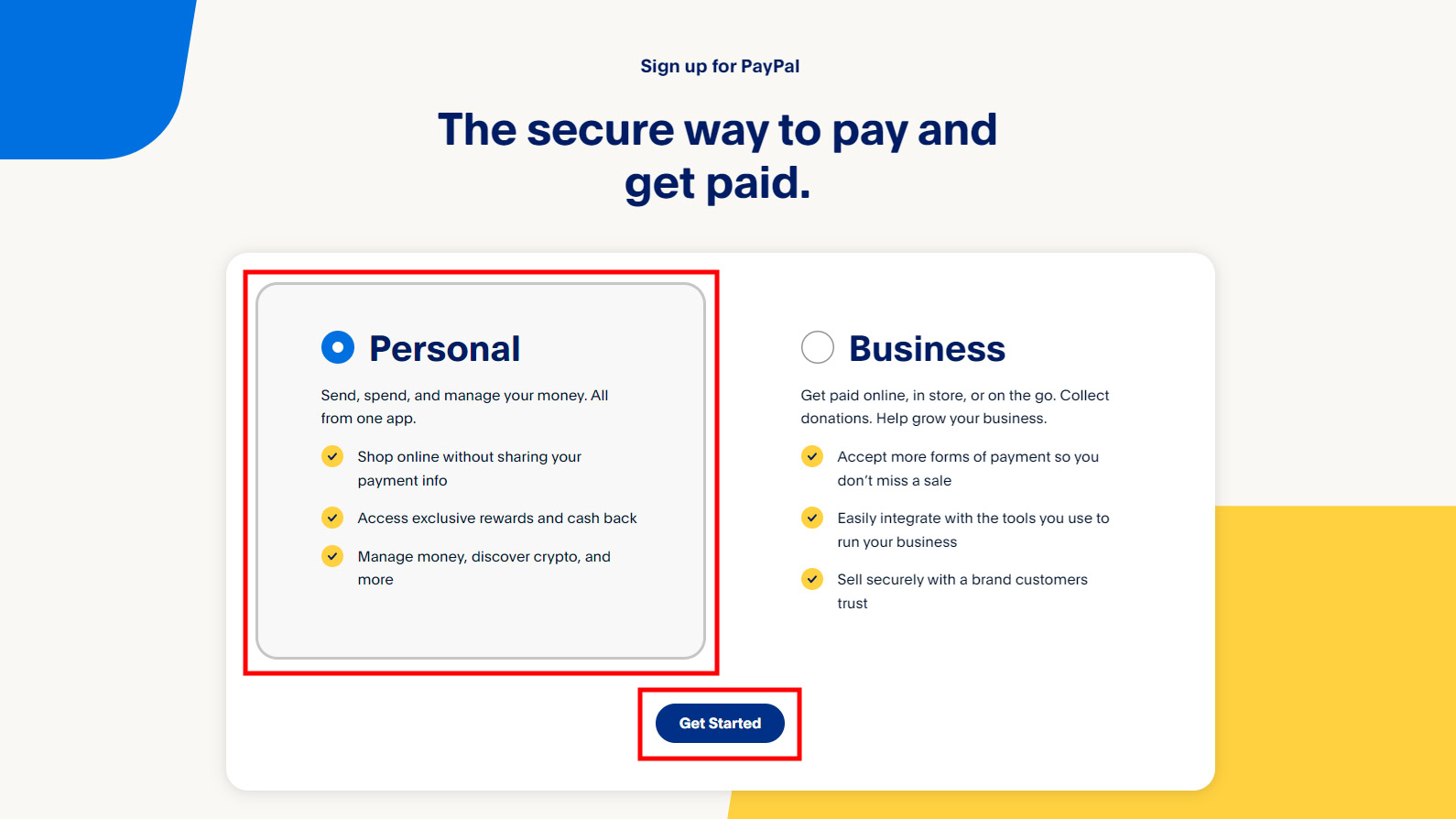
PayPal offers two primary account types: Personal and Business. Your choice should align with your financial activities and goals.
- Personal Account: Ideal for individuals who want to shop online, send money to friends and family, or receive occasional payments. This account type is suitable for most users not conducting significant commercial activities. It’s perfect for managing your personal spending and receiving payments from side gigs that aren’t formal businesses.
- Business Account: Designed for merchants, freelancers, and businesses of all sizes. A Business account allows you to accept a wider range of payment types, operate under a company name, manage multiple users, and access business-specific tools like invoicing and reporting. If you’re running an e-commerce store, providing professional services, or have a registered business, this is the appropriate choice. Even if you’re a serious freelancer, a Business account can provide a more professional appearance and better financial tracking.
To start, visit the PayPal website or download the mobile app and click “Sign Up.” You’ll be prompted to choose between Personal and Business.
The Initial Setup: Information and Verification
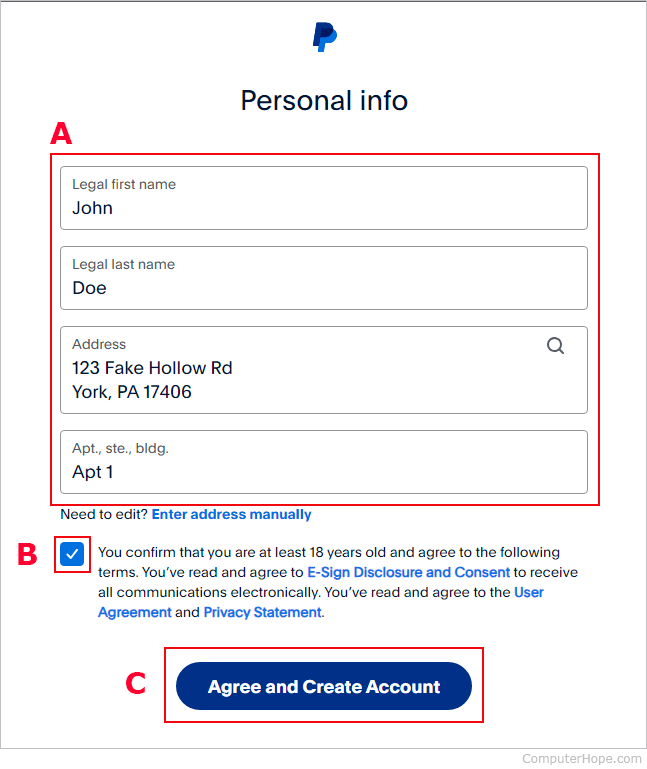
Once you’ve selected your account type, PayPal will guide you through providing essential information. This typically includes:
- Email Address: This will be your primary identifier for logging in and receiving notifications.
- Mobile Phone Number: For security purposes, including two-factor authentication and account recovery.
- Personal Details: Your full legal name, date of birth, and address. For Business accounts, you’ll also need your business name, type, and relevant tax identification numbers (EIN for US businesses, for example).
- Creating a Password: Choose a strong, unique password to protect your account.
After providing this information, PayPal will require you to verify your email address by clicking a link sent to your inbox. You may also need to verify your phone number via a text message code. These verification steps are critical for account security and compliance with financial regulations, ensuring that you are the legitimate owner of the account.
Linking Your Financial Instruments: Banks and Cards
To fully utilize your PayPal account for sending and receiving money, you must link it to external financial instruments.
- Linking a Bank Account: This is often the most cost-effective way to fund your PayPal transactions and withdraw funds. PayPal typically verifies bank accounts by making two small deposits (a few cents) into your bank account. You’ll then need to confirm these amounts on the PayPal website, proving ownership. This process can take a few business days but is crucial for seamless financial transfers.
- Linking a Debit or Credit Card: Linking cards allows for instant payments, as funds are drawn directly from the card. This is convenient for quick online purchases or when your PayPal balance is low. PayPal will often make a small, temporary authorization charge to verify the card, which is then refunded.
Linking both a bank account and at least one card provides flexibility and ensures you always have a payment method available, whether for personal use or business transactions.
Maximizing PayPal for Financial Growth and Convenience
Once your account is set up, PayPal offers a suite of features that can significantly enhance your financial operations, from earning income to managing international transfers.
Receiving Payments for Online Work and Sales
PayPal’s robust payment reception capabilities are a cornerstone for online earners. As a freelancer, you can provide clients with your PayPal email address, allowing them to send payments directly. For sellers on e-commerce platforms, PayPal integrates seamlessly, enabling customers to pay instantly. Business account holders can generate professional invoices directly from PayPal, track payment statuses, and even set up recurring billing for subscription services. This centralizes income streams, making it easier to track earnings and reconcile accounts.
Managing Funds and Tracking Transactions
The PayPal dashboard serves as a central hub for managing your digital finances. You can view your current PayPal balance, transfer funds to your linked bank account, or use the balance for future online purchases. The detailed transaction history allows you to categorize expenses, monitor incoming payments, and keep a clear record of all financial movements. This transparency is invaluable for budgeting, financial planning, and preparing for tax season, ensuring you have an accurate snapshot of your digital financial footprint.
Leveraging PayPal for International Transfers
One of PayPal’s most compelling advantages for financial users is its ability to facilitate international money transfers. It simplifies sending and receiving funds across borders, often at more competitive exchange rates and lower fees compared to traditional wire transfers. This feature is particularly beneficial for freelancers working with international clients, individuals supporting family abroad, or businesses engaging in global trade. It removes many of the complexities and delays associated with international banking, making global financial interactions more accessible and efficient.
Securing Your Digital Wallet: Best Practices for PayPal Users
While PayPal employs advanced security measures, user vigilance is paramount to protecting your financial assets and personal information.
Understanding PayPal’s Security Measures
PayPal utilizes encryption technology to protect your transactions and stores your financial information on highly secure servers. It also offers purchase protection for eligible items, safeguarding buyers against fraudulent sellers, and seller protection, providing a defense against unauthorized transactions and claims of items not received. Fraud monitoring systems continuously analyze transactions for suspicious activity, and users are often notified immediately if unusual patterns are detected. These measures collectively aim to create a secure environment for your digital finances.
Your Role in Account Protection
Despite PayPal’s efforts, the user plays a crucial role in maintaining account security.
- Strong, Unique Passwords: Always use a complex password that is unique to your PayPal account. Avoid using easily guessable information or reusing passwords from other online services.
- Two-Factor Authentication (2FA): Enable 2FA for an added layer of security. This requires a second form of verification (like a code sent to your phone) in addition to your password, making it much harder for unauthorized users to access your account.
- Phishing Awareness: Be extremely cautious of suspicious emails or messages claiming to be from PayPal. PayPal will never ask for your password or sensitive financial details via email. Always log in directly through the official website or app to check messages or update information.
- Regular Monitoring: Periodically review your transaction history for any unauthorized activity. Report any suspicious transactions to PayPal immediately.
- Secure Devices: Only access your PayPal account from secure, trusted devices and networks. Avoid public Wi-Fi networks for financial transactions unless using a Virtual Private Network (VPN).
By adhering to these best practices, you can significantly reduce the risk of fraud and ensure the integrity of your PayPal account and the funds within it.
Expanding Your Financial Horizons with PayPal’s Features
Beyond basic transactions, PayPal continues to innovate, offering features that further extend its utility as a comprehensive financial tool.
PayPal Credit and Pay Later Options
PayPal offers credit options like PayPal Credit (in some regions) and “Pay in 4” or “Pay Later,” which allow eligible users to finance purchases over time. These options can be valuable for managing larger expenses, offering flexibility in personal budgeting, or for businesses making significant purchases without upfront capital. Understanding the terms and conditions is essential, but these features can be powerful financial tools when used responsibly.
Donations and Community Support
PayPal makes it incredibly easy to contribute to charitable causes or support community initiatives. Many non-profit organizations and crowdfunding platforms use PayPal for accepting donations, providing a secure and convenient way for individuals to financially support causes they care about. This feature simplifies philanthropic efforts, enabling swift financial contributions to a wide array of organizations globally.
Integrating with E-commerce and Business Platforms
For businesses and serious side hustlers, PayPal’s integration capabilities with various e-commerce platforms (like Shopify, WooCommerce) and accounting software are invaluable. These integrations streamline payment processing, automate invoicing, and simplify financial reconciliation. By connecting PayPal to your business ecosystem, you can automate many back-office tasks, allowing you to focus more on growth and customer engagement rather than manual financial administration.
In conclusion, opening a PayPal account is a strategic move for anyone navigating the modern financial landscape. It’s not just about setting up a payment method; it’s about gaining access to a powerful financial tool that can support your personal finance goals, drive your online income, secure your transactions, and expand your economic opportunities in an interconnected world.
aViewFromTheCave is a participant in the Amazon Services LLC Associates Program, an affiliate advertising program designed to provide a means for sites to earn advertising fees by advertising and linking to Amazon.com. Amazon, the Amazon logo, AmazonSupply, and the AmazonSupply logo are trademarks of Amazon.com, Inc. or its affiliates. As an Amazon Associate we earn affiliate commissions from qualifying purchases.