
Embarking on the entrepreneurial journey is both exhilarating and daunting. The dream of independence, innovation, and impact often fuels this ambition, but the practicalities, particularly the financial ones, can feel like a labyrinth. “How do I start a new business?” isn’t just a question about a product or service; it’s fundamentally a question about resources, revenue, and sustained financial viability. This article delves into the critical monetary considerations, strategies, and tools necessary to transform a nascent idea into a thriving, profitable enterprise. From initial funding to long-term financial management, understanding the money aspect is paramount to laying a robust foundation for your entrepreneurial success.
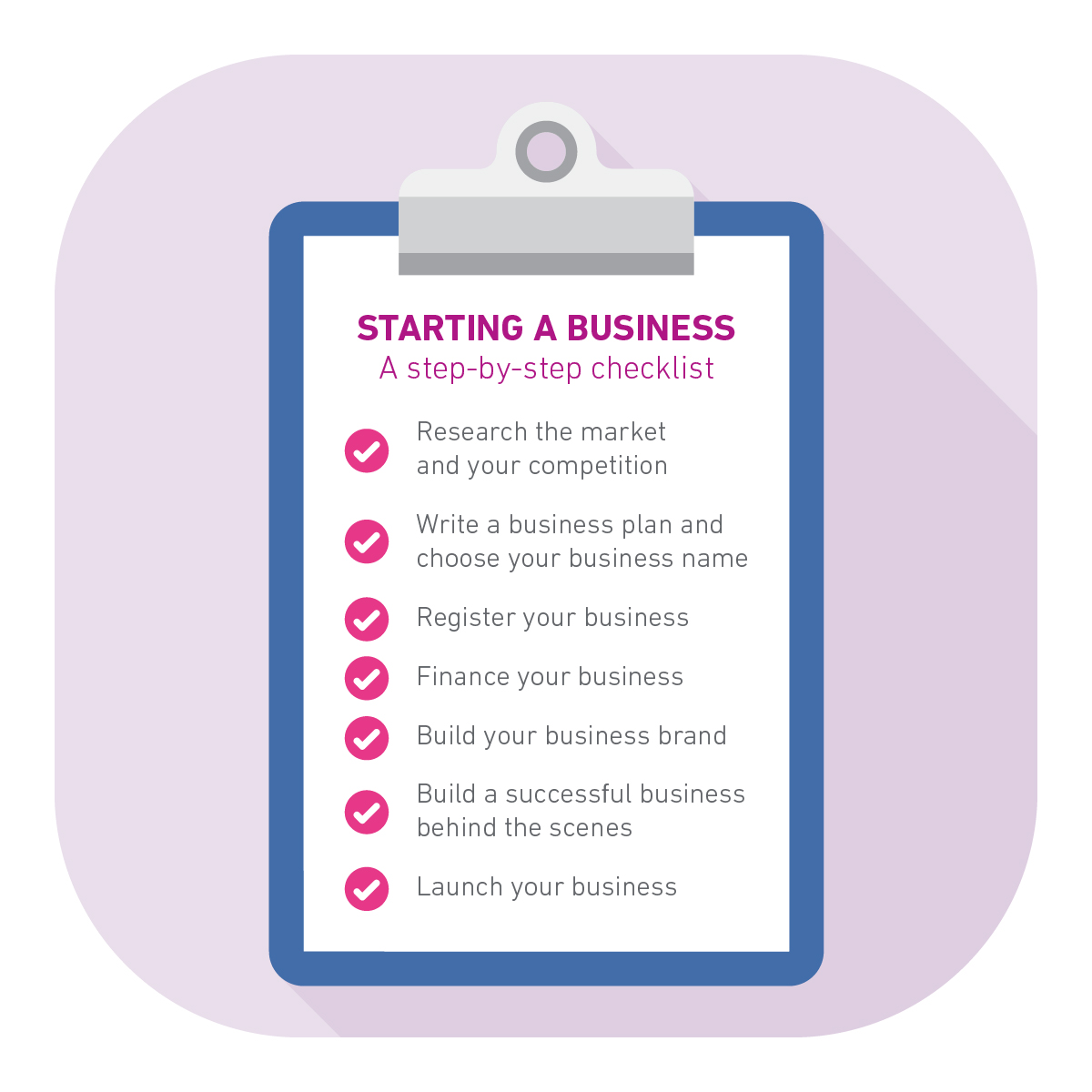
Laying the Financial Foundation: From Idea to Viability
Before any grand launch, a business must prove its financial potential. This initial phase is less about making money and more about meticulously planning how money will be made, spent, and managed. It requires a deep dive into market realities and a sober assessment of financial requirements.
Validating Your Business Concept with Market Data
The first step in any new business venture, particularly from a financial lens, is to validate your idea. This means answering critical questions about demand, pricing, and potential revenue streams. Is there a genuine need or desire for your product or service? More importantly, are people willing to pay for it, and at what price point?
Conduct thorough market research to identify your target audience, analyze competitors, and understand pricing dynamics. Look for market gaps or underserved niches where your business can thrive. Financial viability isn’t just about having customers; it’s about having profitable customers. Assess the size of the addressable market and estimate your potential market share to project realistic revenue forecasts. Consider different pricing strategies—cost-plus, value-based, competitive—and understand how each will impact your profit margins. A seemingly brilliant idea without a financially receptive market is merely a hobby.
Crafting a Robust Business Plan: The Financial Blueprint
A business plan is more than just a document; it’s your strategic roadmap, and its financial section is the most critical component. This blueprint articulates not only what your business will do but, crucially, how it will generate profit and sustain itself financially. Lenders, investors, and even your own strategic decisions will heavily rely on the robustness of this financial outline.
Your financial projections should include detailed breakdowns of anticipated revenue, operating expenses, and profit and loss statements for at least the first three to five years. Project your cash flow, showing how money moves in and out of the business, as this is vital for day-to-day operations. Conduct a break-even analysis to determine the sales volume required to cover all costs, indicating when your business will start turning a profit. Calculate the Return on Investment (ROI) for various initiatives and identify key performance indicators (KPIs) that will signal financial health. A well-constructed financial plan demonstrates foresight, mitigates risks, and provides a compelling case for investment.
Understanding Startup Costs and Ongoing Expenses
Before you can earn, you must spend. Gaining a clear and comprehensive understanding of both your one-time startup costs and your ongoing operational expenses is fundamental. Startup costs are the initial investments required to get your business off the ground. These can include legal fees for entity formation, licenses and permits, equipment purchases, initial inventory, website development, brand design, and office setup. Often, entrepreneurs underestimate these initial outlays, leading to early financial strain.
Beyond the initial push, ongoing expenses are the recurring costs necessary to keep the business running. This category encompasses rent, utilities, salaries and wages, marketing and advertising, insurance premiums, raw materials, software subscriptions, and maintenance. Create a detailed budget for these expenses, distinguishing between fixed costs (which remain constant regardless of sales volume) and variable costs (which fluctuate with production or sales). Accurately estimating these costs is crucial for setting appropriate pricing, managing cash flow, and avoiding the dreaded “runway problem” – running out of money before achieving profitability.
Securing Capital: Funding Your Entrepreneurial Dream
Once you have a clear financial blueprint, the next major hurdle is securing the capital needed to bring your vision to life. The funding landscape is diverse, offering various avenues each with its own advantages and disadvantages. Choosing the right financing strategy depends on your business model, growth potential, and personal risk tolerance.
Bootstrapping and Self-Funding Strategies
For many entrepreneurs, the journey begins with bootstrapping – funding the business primarily through personal savings, credit cards, or early sales revenue. This approach allows founders to maintain full ownership and control, avoiding dilution of equity. Strategies for effective bootstrapping include starting lean, minimizing overhead, seeking early customer payments, and leveraging existing resources. Many successful companies began in garages or spare rooms, proving that innovation and resourcefulness can often substitute for large initial capital injections. Side hustles or part-time work can provide a bridge income, allowing you to gradually invest in your business without taking on significant debt or surrendering equity too soon. While challenging, bootstrapping forces financial discipline and validates market acceptance without external pressure.
Exploring Debt Financing Options
Debt financing involves borrowing money that must be repaid, typically with interest, over a set period. This can be a viable option for businesses with predictable cash flows or significant assets that can serve as collateral.
- Traditional Bank Loans: Banks offer various loan products for small businesses, often requiring a solid business plan, collateral, and a good personal credit score.
- SBA Loans: The U.S. Small Business Administration (SBA) guarantees a portion of loans made by commercial lenders, making it easier for small businesses to qualify for financing. These loans often come with favorable terms and lower interest rates.
- Lines of Credit: A flexible option that allows businesses to borrow up to a certain limit as needed, repaying and re-borrowing as cash flow permits. Ideal for managing short-term cash flow gaps or financing working capital.
- Microloans: Smaller loans (typically under $50,000) offered by non-profit organizations, often aimed at startups and underserved entrepreneurs who may not qualify for traditional bank loans.
While debt financing doesn’t dilute ownership, it does create a repayment obligation that must be factored into your financial projections.
Attracting Equity Investors: Angel Investors and Venture Capital
Equity financing involves selling a percentage of your company’s ownership in exchange for capital. This route is often pursued by businesses with high growth potential, disruptive ideas, and a clear exit strategy (e.g., acquisition or IPO).
- Angel Investors: High-net-worth individuals who invest their own money into early-stage companies, often in exchange for equity. They typically provide not just capital but also mentorship and industry connections.
- Venture Capital (VC) Firms: Professional investment firms that manage funds from institutional investors and provide significant capital to high-growth startups in exchange for substantial equity. VCs usually invest in later stages than angels and often demand a seat on the board and a more active role in strategic direction.
Attracting equity investors requires a compelling pitch, a detailed financial model demonstrating significant ROI potential, and a clear understanding of your company’s valuation. While equity financing provides capital without repayment obligations, it means relinquishing a portion of your ownership and control.

Alternative Funding Avenues: Grants and Crowdfunding
Beyond traditional debt and equity, alternative funding sources can provide capital, often with unique benefits.
- Business Grants: Funds provided by government agencies, foundations, or corporations, typically for specific purposes (e.g., research and development, community development, minority-owned businesses). Grants do not need to be repaid and do not require equity, making them highly attractive. However, they are often highly competitive and come with stringent application processes and reporting requirements.
- Crowdfunding: Platforms like Kickstarter, Indiegogo, and GoFundMe allow businesses to raise small amounts of money from a large number of individuals, often in exchange for rewards, pre-orders, or even small equity stakes (equity crowdfunding). This method not only provides capital but also serves as a powerful marketing tool and a way to validate market interest. Crowdfunding campaigns require strong storytelling, clear communication of value, and effective promotion.
Establishing a Sound Financial Structure and Management
Once funding is secured, establishing robust financial systems and adhering to sound management practices is non-negotiable. This phase moves beyond planning into the meticulous execution of financial operations, ensuring compliance, efficiency, and ongoing profitability.
Choosing the Right Business Entity for Tax Efficiency
The legal structure of your business has significant implications for liability, taxation, and administrative burden. Selecting the right entity from the outset is a critical financial decision.
- Sole Proprietorship: Simple to set up, but offers no personal liability protection, and business income is taxed on your personal return.
- Partnership: Similar to a sole proprietorship for multiple owners, with shared liability and pass-through taxation.
- Limited Liability Company (LLC): Offers personal liability protection for owners while allowing for pass-through taxation (profits/losses reported on personal income tax). It’s a popular choice for flexibility and simplified administration compared to corporations.
- S Corporation (S-Corp): A special tax status that allows corporations to pass income, losses, deductions, and credits directly to their shareholders’ personal income without being subject to corporate tax rates. It can provide tax savings on self-employment taxes.
- C Corporation (C-Corp): A separate legal entity with its own tax liability (corporate income tax). This structure is preferred for businesses planning to raise significant capital from investors or go public, but it can lead to “double taxation” (corporate profits taxed, and then dividends to shareholders taxed again).
Consulting with a tax advisor and a legal professional is highly recommended to choose the structure that best aligns with your business goals, risk profile, and financial strategy.
Setting Up Essential Financial Systems and Tools
Efficient financial management relies on well-organized systems and appropriate tools. Investing in the right infrastructure early on will save countless hours, prevent errors, and provide actionable insights.
- Accounting Software: Tools like QuickBooks, Xero, or FreshBooks are indispensable for tracking income and expenses, generating financial reports (P&L, balance sheet, cash flow), and simplifying tax preparation.
- Payment Processing: Set up reliable and secure methods for accepting payments from customers, whether online (Stripe, PayPal, Square) or in-person (POS systems). Understand transaction fees and choose options that are cost-effective for your business model.
- Budgeting and Expense Tracking Tools: Beyond accounting software, dedicated apps or spreadsheets can help you monitor spending against your budget in real-time. Separate business and personal finances rigorously from day one.
- Payroll Systems: If you plan to hire employees, a dedicated payroll service ensures compliance with tax regulations and streamlines salary payments.
Proper financial systems provide clarity, reduce stress, and empower you to make data-driven decisions.
Mastering Cash Flow Management and Pricing Strategies
Cash flow is the lifeblood of any business. Even profitable businesses can fail if they don’t have enough cash on hand to meet their obligations. Mastering cash flow management involves monitoring money entering (receivables) and leaving (payables) your business. Strategies include invoicing promptly, managing inventory efficiently to avoid tying up capital, negotiating favorable payment terms with suppliers, and maintaining a healthy cash reserve.
Your pricing strategy is directly linked to cash flow and overall profitability. It must cover your costs (both fixed and variable) and generate a sufficient profit margin. Consider various models:
- Value-Based Pricing: Pricing based on the perceived value to the customer, rather than just cost.
- Competitive Pricing: Setting prices based on what competitors charge.
- Cost-Plus Pricing: Adding a markup percentage to your total cost.
- Subscription Models: For recurring revenue, which greatly improves cash flow predictability.
Regularly review and adjust your pricing based on market conditions, customer feedback, and your financial performance. Effective cash flow and pricing strategies are paramount for sustaining operations and fostering growth.
Navigating Growth and Profitability
Achieving profitability is a significant milestone, but it’s not the end of the journey. Sustainable growth requires continuous financial vigilance, strategic reinvestment, and proactive planning for future challenges and opportunities.
Reinvesting Profits for Sustainable Expansion
Once your business starts generating profits, a key decision arises: how to allocate these funds. While some profits may be distributed to owners, strategically reinvesting a portion back into the business is crucial for sustainable expansion. This could involve funding research and development for new products, expanding into new markets, upgrading equipment, investing in marketing campaigns to acquire more customers, or hiring additional talent to scale operations. Reinvestment isn’t just about spending money; it’s about allocating capital to initiatives that promise the highest return and contribute to long-term value creation. A balanced approach to profit allocation ensures both owner satisfaction and robust future growth.
Monitoring Key Financial Metrics for Performance
To effectively navigate growth, you must continuously monitor your financial health. Key financial metrics (KPIs) serve as vital indicators of performance, helping you identify areas for improvement and capitalize on strengths.
- Profit Margins (Gross and Net): Indicate how much profit you make from sales after deducting costs.
- Customer Acquisition Cost (CAC): The average cost to acquire a new customer.
- Customer Lifetime Value (LTV): The total revenue a customer is expected to generate over their relationship with your business. Comparing LTV to CAC is crucial for marketing efficiency.
- Burn Rate: The rate at which your business is spending its cash reserves. Essential for startups relying on external funding.
- Return on Investment (ROI): Measures the profitability of various investments or projects.
Regularly tracking these and other relevant metrics allows for data-driven adjustments to your strategy, ensuring resources are allocated effectively and growth is profitable rather than just revenue-driven.

Planning for Future Financial Challenges and Opportunities
The business landscape is dynamic, with unforeseen challenges and emerging opportunities always on the horizon. Proactive financial planning involves anticipating these shifts and building resilience into your business model. This includes building financial reserves (an emergency fund) to weather economic downturns, unexpected expenses, or market disruptions.
Consider potential scenarios: what if a major supplier fails? What if a competitor enters the market? What if there’s a sudden surge in demand? Develop contingency plans and stress-test your financial projections against various outcomes. Simultaneously, remain open to new opportunities, such as expanding product lines, entering international markets, or exploring strategic partnerships. Financial planning for the future isn’t about predicting every event but about fostering flexibility, adaptability, and a strong financial core that can absorb shocks and seize growth opportunities as they arise.
Starting a new business is an intricate dance between innovation and financial prudence. By meticulously planning your financial foundation, strategically securing capital, establishing robust management systems, and continuously monitoring your performance, you transform the abstract question “how do I start a new business?” into a tangible, achievable roadmap for success. The journey is challenging, but with a keen focus on the money, your entrepreneurial dream stands a far greater chance of flourishing into a profitable and sustainable reality.
aViewFromTheCave is a participant in the Amazon Services LLC Associates Program, an affiliate advertising program designed to provide a means for sites to earn advertising fees by advertising and linking to Amazon.com. Amazon, the Amazon logo, AmazonSupply, and the AmazonSupply logo are trademarks of Amazon.com, Inc. or its affiliates. As an Amazon Associate we earn affiliate commissions from qualifying purchases.