
In the contemporary financial landscape, the transition from physical currency to digital assets is nearly complete. As the global economy becomes increasingly interconnected, the need for a reliable, secure, and versatile financial intermediary has never been more pressing. PayPal stands as the titan of this industry, serving as a bridge between traditional banking and the limitless world of e-commerce. Whether you are a freelancer looking to receive international payments, a savvy shopper seeking purchase protection, or a budding entrepreneur launching a side hustle, understanding how to effectively set up and manage a PayPal account is a fundamental pillar of modern personal finance.
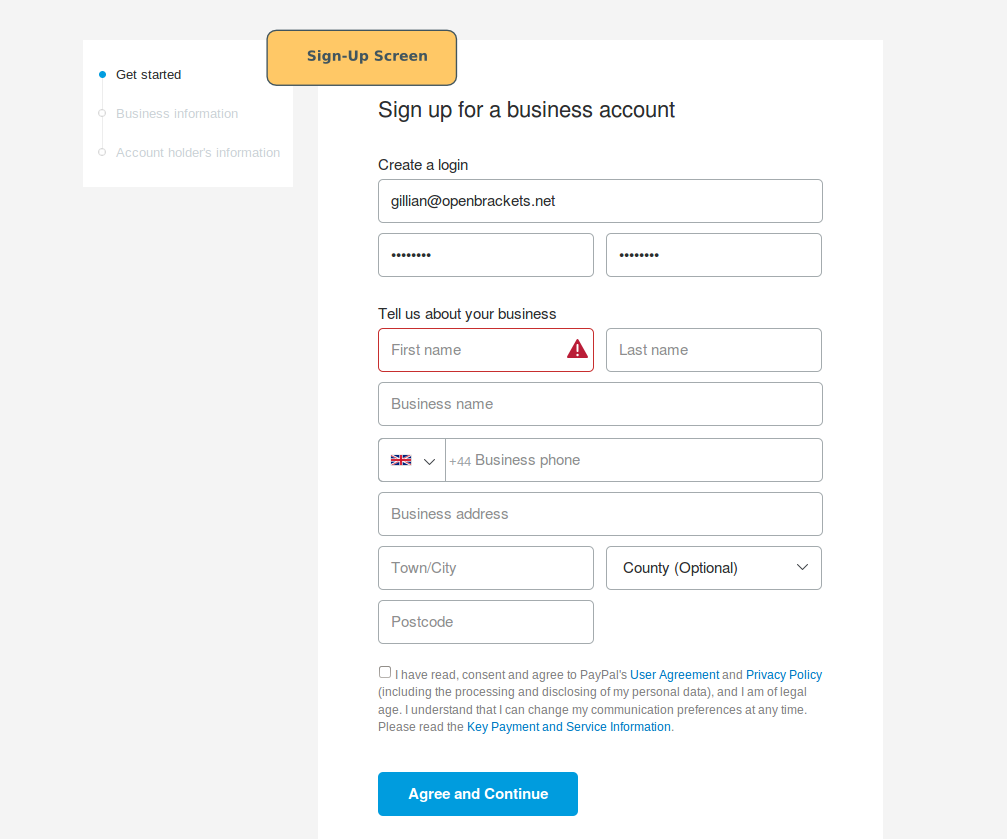
This guide provides a strategic walkthrough of the PayPal registration process, viewed through the lens of financial optimization and security.
Navigating the PayPal Ecosystem: Choosing the Right Financial Profile
Before diving into the technicalities of registration, it is imperative to align your account type with your specific financial goals. PayPal offers two primary categories of accounts, each designed with distinct economic utility in mind. Choosing incorrectly can lead to unnecessary fees or a lack of essential features down the road.
Personal vs. Business Accounts
The Personal Account is the gold standard for the average consumer. It is optimized for individuals who primary use the platform to shop online, send money to friends and family, or receive occasional payments for casual sales. From a personal finance perspective, this account is ideal for tracking discretionary spending and ensuring that your primary bank details are never directly exposed to third-party merchants.
The Business Account, conversely, is a robust financial tool for entities operating under a company name or freelancers who require professional invoicing capabilities. This account allows you to accept credit cards, debit cards, and bank transfers for a nominal fee per transaction. For those focused on “Online Income” and “Business Finance,” the Business account offers the advantage of multi-user access, allowing you to delegate financial tasks to employees without compromising your master credentials.
Identifying Your Financial Objectives
Ask yourself: Is this account for budgeting and spending, or for wealth generation? If you intend to use PayPal as a central hub for a side hustle, starting with a Business account—or upgrading a personal one—provides access to detailed financial reporting and tax documentation that is invaluable during fiscal year-end audits. Understanding your trajectory within the digital economy ensures that your initial setup supports your long-term financial growth.
The Step-by-Step Blueprint for Creating Your Digital Wallet
The registration process is designed to be streamlined, yet it requires a high degree of accuracy to ensure your funds remain accessible and secure. Every piece of data you provide acts as a layer of your financial identity.
Initial Registration and Email Verification
To begin, navigate to the PayPal website or download the mobile application. You will be prompted to enter a valid email address and create a password. From a security standpoint, your PayPal password should be unique—never reused from social media or less secure platforms.
Once the initial form is submitted, PayPal will send a verification link to your email. This step is non-negotiable; an unverified email address is a red flag to the platform’s fraud detection algorithms and can lead to immediate account limitations. By confirming your email, you establish a primary channel for financial notifications and transaction receipts.
Linking Bank Accounts and Credit Cards
The true power of PayPal lies in its ability to act as a secure vault for your liquid assets. You will be prompted to link a funding source. You can choose to link a credit card for its reward points and fraud protection, or a bank account for direct transfers.
For those focusing on “Financial Tools,” linking a bank account often involves a process called “Micro-Deposits.” PayPal will send two small amounts (usually a few cents) to your bank account. You must then log into PayPal and enter these exact amounts to prove ownership of the account. This meticulous verification process is what makes PayPal one of the most trusted financial tools in the world.
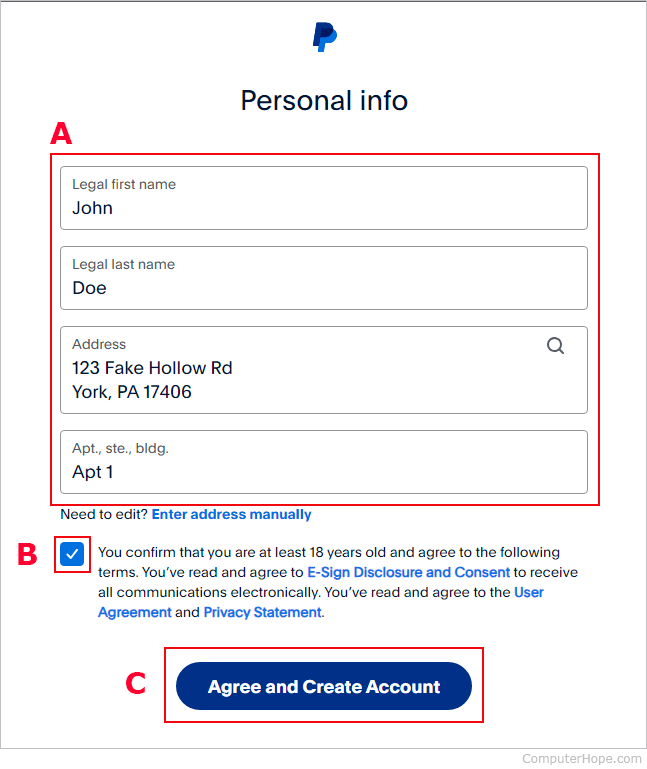
Completing the KYC (Know Your Customer) Requirements
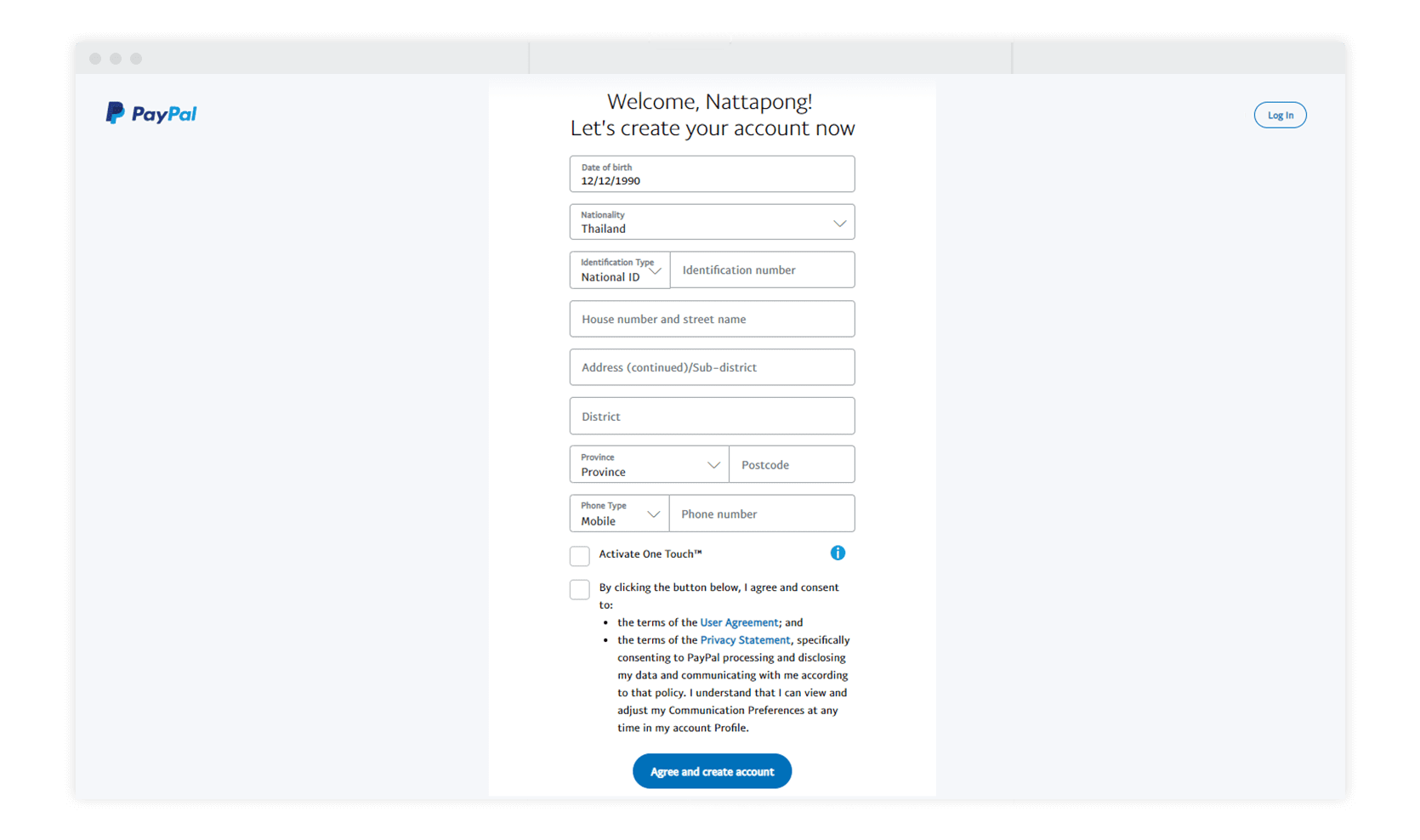
In compliance with global anti-money laundering (AML) regulations, PayPal requires users to verify their identity. This typically involves providing your full legal name, physical address, and in many regions, a Tax Identification Number or Social Security Number. While some users may be hesitant to share this data, it is a prerequisite for increasing your transaction limits and ensuring that your account remains in good standing with international financial authorities.
Optimizing Your PayPal Experience for Personal Finance and Growth
Once your account is active, the focus shifts from setup to optimization. Using PayPal as a static payment method is a missed opportunity; it should be integrated into your broader personal finance strategy.
Managing Daily Transactions and Bill Payments
PayPal can function as a secondary budgeting tool. By maintaining a specific “PayPal Balance,” you can allocate funds for online subscriptions or recurring monthly expenses. This creates a firewall between your primary savings and your digital spending, making it easier to track leaks in your monthly budget. Furthermore, many service providers now allow for “Auto-Pay” via PayPal, ensuring you never miss a deadline and protect your credit score.
Utilizing PayPal for Global Freelancing and Side Hustles
For those pursuing “Online Income,” PayPal is the industry standard for cross-border payments. It supports dozens of currencies, allowing you to invoice clients in London while sitting in New York. However, savvy users must be mindful of currency conversion fees. By strategically choosing when to withdraw funds—perhaps waiting for a favorable exchange rate—you can maximize the net profit of your side hustle.
Leveraging the PayPal App for Real-Time Budgeting
The PayPal mobile app provides real-time push notifications for every transaction. In the world of personal finance, immediate feedback is the best deterrent for overspending. Every time you tap to pay or receive a transfer, the app logs the data, providing a searchable history that can be exported into accounting software or personal spreadsheets.
Security Protocols: Safeguarding Your Financial Integrity
In the digital age, your financial security is only as strong as your weakest link. Because PayPal is a gateway to your bank accounts, maintaining rigorous security hygiene is paramount.
Two-Factor Authentication (2FA) and Biometric Security
The single most effective way to protect your money is to enable Two-Factor Authentication. This requires a secondary code—usually sent via SMS or generated by an authenticator app—to log in. Even if a malicious actor obtains your password, they cannot access your funds without the secondary device. Additionally, if you use the mobile app, enabling biometric login (FaceID or Fingerprint) adds a layer of physical security to your digital assets.
Recognizing and Avoiding Phishing Scams
As a PayPal user, you will likely be targeted by “phishing” emails. These are fraudulent messages designed to look like official PayPal communications, often claiming there is a “problem with your account.” A key rule of digital financial management is to never click links in an email to log in. Always navigate directly to the official website or use the app. PayPal will never ask for your password or full credit card number via email.
Dispute Resolution and Purchase Protection
One of the primary reasons to use PayPal for personal finance is its “Purchase Protection” program. If you buy an item that never arrives or is significantly different from the description, PayPal can facilitate a refund. This acts as an insurance policy for your money. Understanding the “Dispute Resolution” process—how to file a claim and provide evidence—is essential for any consumer looking to mitigate financial risk in the digital marketplace.
The Future of Your Digital Wealth
Signing up for PayPal is more than just a convenience; it is a strategic move to digitize your financial life. By following the correct setup procedures, choosing the appropriate account type, and implementing high-level security measures, you position yourself to take full advantage of the global economy.
As you grow more comfortable with the platform, you may explore its more advanced “Money” features, such as cryptocurrency integration, high-yield savings accounts (in certain regions), or credit lines. Regardless of your starting point, your PayPal account serves as a foundation for a more organized, secure, and productive financial future. In the world of personal finance, the tools you use are just as important as the money you make; make sure you are using yours to their full potential.
aViewFromTheCave is a participant in the Amazon Services LLC Associates Program, an affiliate advertising program designed to provide a means for sites to earn advertising fees by advertising and linking to Amazon.com. Amazon, the Amazon logo, AmazonSupply, and the AmazonSupply logo are trademarks of Amazon.com, Inc. or its affiliates. As an Amazon Associate we earn affiliate commissions from qualifying purchases.