
In an increasingly complex and financially uncertain world, the question “How do I save?” resonates deeply with individuals across all demographics. Whether you’re just starting your financial journey, looking to recover from past missteps, or aiming to accelerate your wealth accumulation, the principles of saving remain fundamental. Saving isn’t merely about accumulating money; it’s about building resilience, achieving dreams, and securing a future where you have the freedom to make choices. This comprehensive guide will demystify the saving process, offering actionable strategies and insights to empower you on your path to financial security.

Understanding the ‘Why’ and Setting Your Goals
Before diving into the mechanics of saving, it’s crucial to understand the driving force behind your efforts: your “why.” Without clear objectives, saving can feel like a chore, a deprivation rather than an empowerment. Defining your financial goals transforms abstract saving into a purposeful journey.
Defining Your Savings Objectives
Savings objectives typically fall into three broad categories:
- Short-term Goals (1-3 years): These are immediate needs or desires. Examples include building an emergency fund (3-6 months of living expenses), saving for a down payment on a car, a significant vacation, or purchasing new electronics. These require readily accessible, low-risk savings vehicles.
- Mid-term Goals (3-10 years): These goals often involve larger sums and a slightly longer time horizon. Think a down payment on a house, funding a child’s education, or saving for a significant career change or sabbatical. For these, a blend of saving and conservative investing might be appropriate.
- Long-term Goals (10+ years): This category is predominantly about retirement planning, significant wealth accumulation, or leaving a legacy. These goals are best served by consistent, disciplined investing, leveraging the power of compound interest over decades.
Articulating these goals specifically (e.g., “I want to save $15,000 for a house down payment in three years”) makes them tangible and measurable.
The Power of Financial Goal Setting
Setting clear, measurable, achievable, relevant, and time-bound (SMART) goals is a cornerstone of effective financial planning. They provide direction, motivation, and a benchmark against which to measure progress. When you know precisely what you’re saving for, and by when, you can reverse-engineer the required monthly or weekly savings amount, making the task less daunting and more manageable. Regularly reviewing and adjusting your goals ensures they remain aligned with your life’s evolving circumstances.
Overcoming Psychological Barriers to Saving
Many people struggle with saving not due to a lack of income, but due to psychological hurdles. Instant gratification, the fear of missing out (FOMO), and lifestyle creep are potent adversaries. To overcome these:
- Visualize Success: Regularly imagine achieving your financial goals. This reinforces motivation.
- Small Wins: Celebrate incremental progress. Saving your first $1,000, for instance, is a significant milestone.
- Automate: Remove the decision-making process by setting up automatic transfers, which is discussed in detail below.
- Understand Opportunity Cost: Recognize that every discretionary purchase today might be sacrificing a greater future gain.
Mastering Your Cash Flow: Budgeting and Expense Management
The foundation of any successful savings strategy lies in understanding and controlling your cash flow. This means knowing exactly how much money comes in and where every dollar goes out.
The Foundation: Creating a Realistic Budget
A budget is not a straitjacket; it’s a financial roadmap. It helps you allocate your income purposefully. Several popular budgeting methods exist:
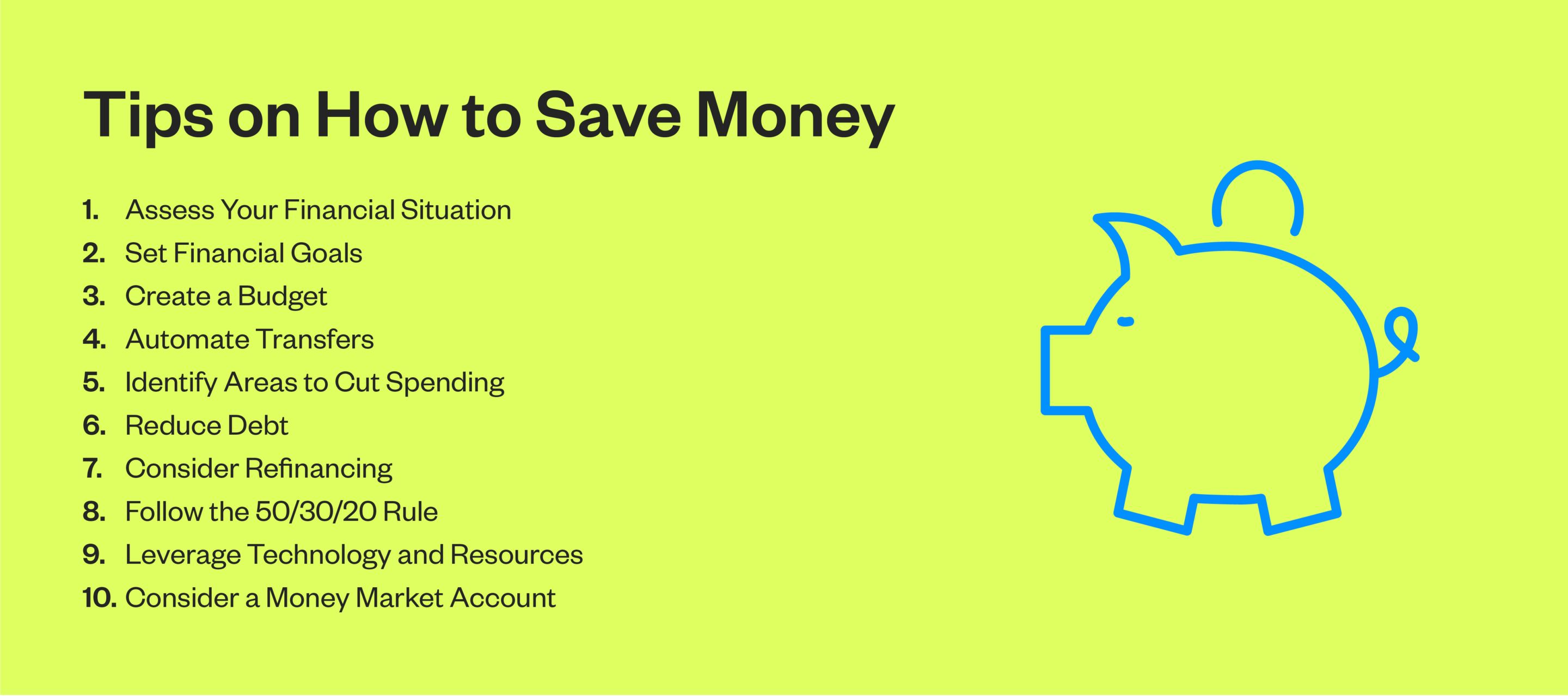
- The 50/30/20 Rule: Allocate 50% of your after-tax income to Needs (housing, utilities, groceries), 30% to Wants (entertainment, dining out, hobbies), and 20% to Savings and Debt Repayment. This is a straightforward, balanced approach.
- Zero-Based Budgeting: Every dollar of income is assigned a “job” (spending, saving, debt repayment) until your income minus your expenses equals zero. This method offers granular control and ensures no money is unaccounted for.
- Envelope System: A tactile method where cash for different categories is placed into physical envelopes. Once an envelope is empty, you stop spending in that category. Best for those who prefer cash over digital transactions.
Whichever method you choose, consistency is key. A budget is a living document that should be reviewed and adjusted periodically.
Identifying and Cutting Unnecessary Expenses
Once you have a budget, the next critical step is to scrutinize your spending. Often, there are “leakages” – recurring expenses or habits that subtly erode your savings potential.
- Subscription Audit: Review all your monthly subscriptions (streaming services, apps, gym memberships). Are you using them all? Can any be paused or canceled?
- Dining Out/Takeaway: This is a common budget buster. Cooking at home significantly reduces food costs.
- Impulse Purchases: Implement a “24-hour rule” for non-essential items: if you still want it after a day, consider the purchase.
- Transportation Costs: Can you carpool, use public transport, or cycle more often?
- Negotiate Bills: Call your internet, cable, and insurance providers annually to negotiate lower rates or better plans.
Even small cuts, compounded over time, can free up substantial funds for saving.
Automating Your Savings for Consistency
One of the most powerful strategies for consistent saving is automation. By setting up automatic transfers from your checking account to your savings or investment accounts immediately after payday, you effectively “pay yourself first.”
- Direct Deposit Split: Many employers allow you to split your direct deposit, sending a portion directly to a savings account.
- Recurring Transfers: Set up automatic weekly or bi-weekly transfers from your checking account to your savings/investment accounts.
- Round-Up Programs: Many banking apps and fintech tools offer features that round up your purchases to the nearest dollar and transfer the difference to savings.
Automation removes the temptation to spend the money first and eliminates the need for willpower in saving.
Tracking Your Spending: Tools and Methods
Effective budgeting relies on accurate spending tracking.
- Spreadsheets: Simple yet powerful for manual tracking and analysis.
- Budgeting Apps: Apps like Mint, YNAB (You Need A Budget), Personal Capital, and PocketGuard link to your bank accounts, categorize transactions, and provide real-time insights into your spending patterns. They offer powerful visualizations and alerts.
- Bank/Credit Card Statements: Periodically review these to identify where your money is going and catch any discrepancies.
Regularly reviewing your spending helps you identify areas for improvement and ensures you stay on track with your budget.
Strategies for Boosting Your Savings Rate
While cutting expenses is vital, increasing your income and optimizing other financial areas can significantly accelerate your savings.
Increasing Your Income: Side Hustles and Skill Development
More income directly translates to a higher capacity for saving.
- Side Hustles: Explore opportunities like freelancing (writing, graphic design, web development), ride-sharing, food delivery, pet sitting, tutoring, or selling crafts online. The gig economy offers numerous ways to earn extra cash in your spare time.
- Skill Development: Invest in yourself. Acquiring new, in-demand skills through online courses, certifications, or workshops can lead to promotions, raises, or new career opportunities.
- Negotiate Your Salary: Don’t shy away from negotiating your starting salary or asking for a raise based on your performance and market value.
Even dedicating a small portion of your extra income specifically to savings can make a big difference.
Smart Debt Management: Freeing Up Cash
High-interest debt (e.g., credit card debt, personal loans) acts as an anchor on your financial progress. Paying it down strategically frees up cash flow that can then be redirected to savings.
- Debt Snowball: Pay off the smallest debt first, then apply that payment to the next smallest, gaining psychological momentum.
- Debt Avalanche: Focus on paying off debts with the highest interest rates first, saving you more money in the long run.
- Consolidation/Refinancing: Explore options to consolidate high-interest debts into a single loan with a lower interest rate, simplifying payments and reducing overall interest paid.
Prioritizing debt reduction alongside saving is often a dual strategy that yields excellent results.
Leveraging Windfalls and Bonuses Wisely
Unexpected money – a tax refund, work bonus, inheritance, or gift – presents a golden opportunity to boost your savings. Instead of treating it as an excuse to splurge, consider allocating a significant portion (e.g., 50-75%) towards your financial goals:
- Emergency Fund: Top up your emergency savings.
- Debt Repayment: Make a lump-sum payment on high-interest debt.
- Investment: Contribute to your retirement or investment accounts.
- Large Purchase: Put it towards a down payment for a car or house.
Even a small treat is acceptable, but the focus should be on accelerating your financial progress.
Mindful Consumption and Delayed Gratification
Cultivating a mindset of mindful consumption involves being intentional about your purchases and differentiating between needs and wants. Delayed gratification is the ability to resist the temptation for an immediate reward in favor of a later, greater reward.
- Value Alignment: Only purchase items that truly align with your values and bring lasting satisfaction, rather than fleeting pleasure.
- Quality over Quantity: Invest in durable, high-quality items that last, reducing the need for frequent replacements.
- Experiences over Things: Often, experiences provide more lasting happiness and memories than material possessions.
- Waiting Periods: Implement self-imposed waiting periods for non-essential purchases, giving you time to evaluate if you truly need the item.
Beyond the Piggy Bank: Investing for Growth
Saving is the act of setting money aside; investing is the act of putting that money to work so it can grow. To truly build wealth and achieve long-term financial security, you must move beyond a simple savings account.
The Importance of Investing: Beating Inflation and Compounding
Inflation erodes the purchasing power of money over time. Money held only in a traditional savings account, with minimal interest, will lose value. Investing allows your money to grow, ideally at a rate that outpaces inflation. The magic of compound interest – earning returns on your initial investment and on the accumulated interest – means that consistent investing over long periods can lead to exponential growth. The earlier you start, the more powerful compounding becomes.
Demystifying Investment Vehicles
There’s a wide array of investment options, each with different risk and return profiles:
- Stocks: Represent ownership in a company. High potential returns but also higher risk. Best for long-term growth.
- Bonds: Loans made to governments or corporations. Generally lower risk than stocks, offering fixed interest payments.
- Mutual Funds: Professionally managed portfolios of stocks, bonds, or other investments. Diversification built-in.
- Exchange-Traded Funds (ETFs): Similar to mutual funds but trade like stocks on an exchange. Often have lower fees.
- Real Estate: Can include purchasing physical property for rental income or appreciation, or investing in Real Estate Investment Trusts (REITs).
- High-Yield Savings Accounts (HYSAs): While not traditional investments, HYSAs offer significantly higher interest rates than standard savings accounts, making them ideal for emergency funds and short-term goals.
Diversification and Risk Management
“Don’t put all your eggs in one basket” is a cardinal rule of investing. Diversification means spreading your investments across different asset classes, industries, and geographies to minimize risk. If one investment performs poorly, others might perform well, balancing your overall portfolio. Understanding your personal risk tolerance is crucial; a financial advisor can help assess this and create a suitable investment strategy.
Understanding Retirement Accounts and Other Investment Accounts
- Employer-Sponsored Retirement Plans (e.g., 401(k), 403(b)): These plans offer tax advantages and often include employer matching contributions, which is essentially “free money.” Maximize these contributions, especially if there’s a match.
- Individual Retirement Accounts (IRAs):
- Traditional IRA: Contributions may be tax-deductible, and taxes are paid upon withdrawal in retirement.
- Roth IRA: Contributions are made with after-tax money, but qualified withdrawals in retirement are tax-free.
- Taxable Brokerage Accounts: For investments beyond retirement accounts, these offer flexibility but don’t have the same tax advantages.
- Health Savings Accounts (HSAs): A triple-tax-advantaged account (tax-deductible contributions, tax-free growth, tax-free withdrawals for qualified medical expenses) for those with high-deductible health plans. Can be a powerful long-term investment vehicle if not fully used for medical expenses.
Prioritize tax-advantaged accounts first to maximize your long-term returns.
Tools and Resources for Your Savings Journey
The digital age has brought forth an abundance of tools and resources to simplify and enhance your saving and investing efforts.
Budgeting Apps and Software
As mentioned earlier, apps like Mint, YNAB, Personal Capital, and PocketGuard can automate the tracking of your income and expenses, categorize transactions, and provide visual summaries of your financial health. They often offer goal-setting features and alerts to keep you on track. Choosing one that fits your budgeting style can make a significant difference in consistency.
High-Yield Savings Accounts (HYSAs)
For your emergency fund and short-term savings goals, HYSAs are superior to traditional bank savings accounts. Online banks typically offer much higher interest rates because they have lower overhead costs. Shop around for the best rates and ensure the bank is FDIC-insured.
Robo-Advisors and Investment Platforms
- Robo-Advisors (e.g., Betterment, Wealthfront, Fidelity Go): These platforms use algorithms to build and manage diversified investment portfolios based on your risk tolerance and goals, often at a lower cost than traditional financial advisors. They’re excellent for beginners or those who prefer a hands-off approach.
- Traditional Brokerage Platforms (e.g., Fidelity, Vanguard, Schwab): These platforms allow you to open various investment accounts and self-manage your portfolio. They offer a wide range of investment products and educational resources for more experienced investors.

Financial Advisors: When to Seek Professional Guidance
While this guide provides a solid framework, complex financial situations, significant life changes (marriage, divorce, inheritance), or a desire for personalized, in-depth planning might warrant professional assistance.
- Fee-Only Fiduciaries: Look for advisors who are “fee-only” (paid directly by you, not by commissions from selling products) and who act as a “fiduciary” (legally obligated to act in your best interest).
- Specialized Advice: An advisor can help with estate planning, advanced tax strategies, retirement income planning, or business financial management.
Don’t hesitate to consult a professional if you feel overwhelmed or need expert guidance tailored to your unique circumstances.
In conclusion, “How do I save?” is a question with a multi-faceted answer, encompassing goal setting, diligent budgeting, strategic expense reduction, income enhancement, and smart investing. By adopting a disciplined approach, leveraging available tools, and continuously educating yourself, you can transform your financial future and build the security and freedom you desire. The journey begins with a single step, and every dollar saved or invested is a step towards a more empowered financial life.
aViewFromTheCave is a participant in the Amazon Services LLC Associates Program, an affiliate advertising program designed to provide a means for sites to earn advertising fees by advertising and linking to Amazon.com. Amazon, the Amazon logo, AmazonSupply, and the AmazonSupply logo are trademarks of Amazon.com, Inc. or its affiliates. As an Amazon Associate we earn affiliate commissions from qualifying purchases.