
Running a small business is often romanticized as an act of creative freedom or leadership, but at its core, successful business management is an exercise in financial discipline. To transition from a mere idea to a sustainable enterprise, an entrepreneur must move beyond the product or service and master the mechanics of money. Understanding how to manage capital, optimize cash flow, and leverage financial tools is what separates the businesses that thrive from those that merely survive.
Establishing a Robust Financial Foundation
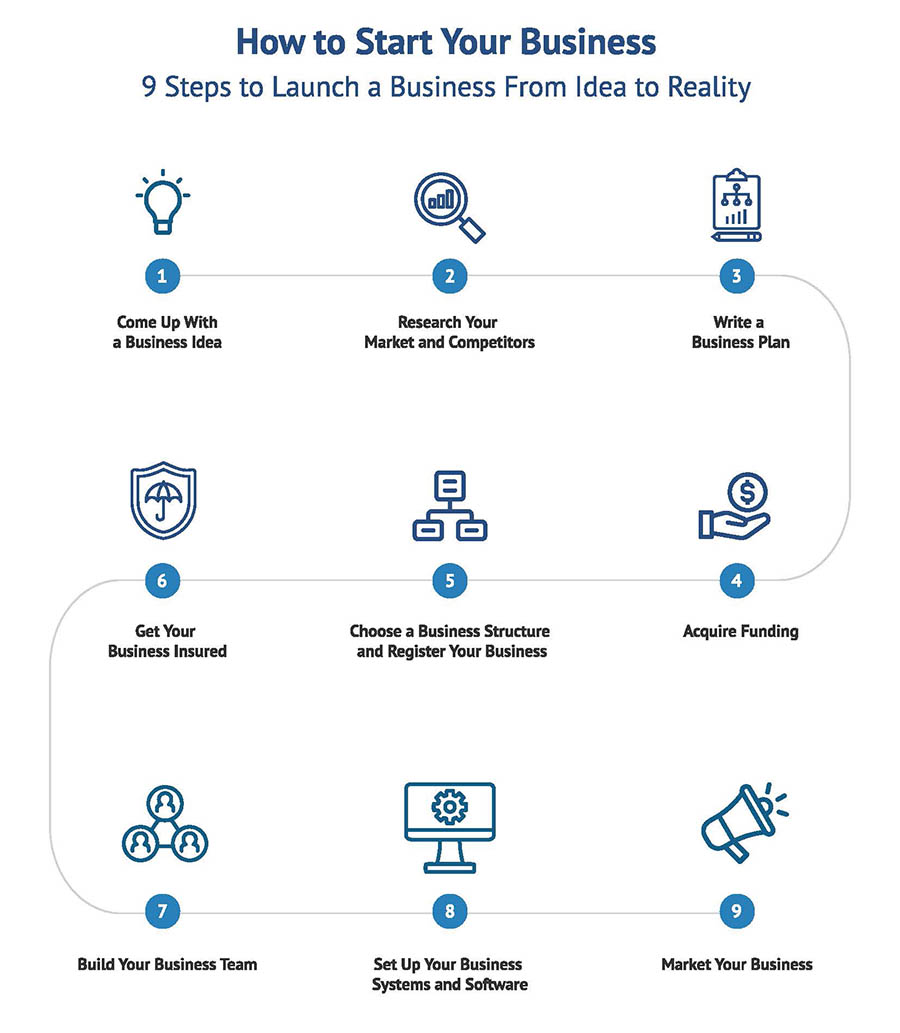
The initial phase of running a small business is defined by how you structure your capital and your legal entity. Without a solid financial bedrock, even the most innovative business models can crumble under the weight of unforeseen liabilities or tax inefficiencies.
Capitalization and Funding Strategies
The first question every owner must answer is how the business will be funded. Bootstrapping—using personal savings and initial revenue to grow—offers the highest level of control but limits the speed of expansion. Conversely, seeking external debt or equity financing can accelerate growth but introduces obligations to lenders or investors.
When running a business through the lens of financial stability, it is essential to calculate your “burn rate”—the amount of money you spend each month before turning a profit. Ensuring you have at least six to twelve months of operating capital in reserve is a hallmark of professional financial management. Whether you utilize a Small Business Administration (SBA) loan, a line of credit, or venture capital, the cost of that capital (interest rates or equity dilution) must be weighed against the projected return on investment (ROI).
Separation of Personal and Business Finances
One of the most common mistakes in small business management is “commingling” funds. To run a business professionally, you must establish a hard line between personal assets and business liabilities. This begins with opening a dedicated business bank account and obtaining a Federal Tax ID (EIN).
Separating finances is not just about organized bookkeeping; it is a vital legal shield. In many jurisdictions, commingling funds can lead to “piercing the corporate veil,” a legal situation where a business owner becomes personally liable for business debts and lawsuits. By maintaining separate accounts, you ensure clear financial reporting and simplify the process of tax filing.
Choosing the Right Business Structure for Tax Efficiency
The legal structure you choose—be it a Sole Proprietorship, LLC, S-Corp, or C-Corp—dictates your tax obligations. For instance, an S-Corp allows owners to be treated as employees, potentially saving thousands in self-employment taxes by taking a portion of income as a distribution. Understanding the tax implications of each structure is a fundamental part of running a business, as tax drag is often the largest avoidable expense a small company faces.
Navigating Cash Flow Management and Operational Liquidity
Cash flow is the lifeblood of a small business. A company can be profitable on paper but still go bankrupt because its wealth is tied up in accounts receivable or inventory, leaving no liquid cash to pay employees or rent.
Mastering the Cash Flow Forecast
A cash flow forecast is a forward-looking document that predicts when money will enter and leave your bank account. To run a business effectively, you must update this weekly. It allows you to anticipate “dry spells” and plan for large expenditures, such as annual insurance premiums or quarterly tax payments. By identifying potential shortfalls months in advance, you can secure a line of credit while your financials are strong, rather than waiting until a crisis hits.
Managing Accounts Receivable and Payable
Liquidity management often comes down to the timing of payments. To optimize cash flow, a business owner should aim to collect payments as quickly as possible while negotiating longer payment terms with suppliers.
Implementing “Net-15” or “Payment upon Receipt” terms for clients, offering small discounts for early payment, and utilizing automated invoicing are strategies that keep cash moving. On the flip side, maintaining “Net-30” or “Net-60” terms with vendors allows you to keep cash in your high-yield business savings account longer, earning interest and maintaining a buffer for operations.
Building an Emergency Reserve
Financial volatility is a certainty in business. Economic downturns, supply chain disruptions, or the loss of a major client can happen at any time. A disciplined business owner treats a “Business Emergency Fund” as a non-negotiable operating expense. Aiming for a reserve that covers three to six months of fixed operating costs provides the psychological and financial “breathing room” necessary to make rational decisions during a crisis rather than acting out of desperation.
Strategic Budgeting and Profit Margin Optimization

To run a business that grows, you must move from “reactive” spending to “proactive” budgeting. This involves a deep dive into the unit economics of what you sell.
Zero-Based Budgeting for Lean Operations
Zero-based budgeting is a method where every expense must be justified for each new period, starting from a “zero base.” This prevents “budget creep,” where recurring subscriptions, underutilized services, and inefficient processes drain the bottom line over time. By scrutinizing every dollar spent, you ensure that capital is being allocated toward activities that generate the highest ROI.
Analyzing Unit Economics and Pricing Models
Many small business owners fail because they do not truly understand their margins. To run a profitable business, you must calculate the Gross Margin on every product or service sold. This is the revenue minus the Cost of Goods Sold (COGS). If your margin is too thin, no amount of sales volume will make the business sustainable.
Pricing should not be based solely on what competitors charge; it must be based on your internal financial requirements. This includes factoring in overhead, labor, and the desired net profit. Regularly reviewing and adjusting prices in response to inflation and rising supplier costs is a necessity for maintaining financial health.
Leveraging Financial Ratios for Growth
Professional business management requires tracking key performance indicators (KPIs) through financial ratios. The “Current Ratio” (current assets divided by current liabilities) measures your ability to pay short-term obligations. The “Net Profit Margin” indicates how much of every dollar earned actually stays in the business. By benchmarking these ratios against industry standards, you can identify if your business is becoming more or less efficient over time.
Utilizing Financial Tools and Fintech for Scalability
In the modern era, running a small business efficiently is impossible without the right financial technology. These tools automate the mundane aspects of money management, allowing the owner to focus on high-level strategy.
Cloud-Based Accounting and Real-Time Reporting
Gone are the days of shoe-box receipts. Modern cloud accounting software provides real-time visibility into your financial position. These platforms sync with your bank accounts, categorize expenses automatically using AI, and generate Balance Sheets and Profit & Loss (P&L) statements with a single click. Having access to real-time data allows you to make “data-driven” decisions rather than “gut-feeling” guesses.
Payroll Systems and Tax Compliance Automation
Payroll is often the largest expense and the most significant regulatory headache for a small business. Utilizing a dedicated payroll service ensures that federal, state, and local taxes are calculated, withheld, and paid automatically. This mitigates the risk of costly IRS penalties and ensures that employees are paid accurately and on time, which is crucial for maintaining morale and operational stability.
Digital Payment Processing and Merchant Services
The ease with which a customer can pay you directly impacts your conversion rate and cash flow. Integrated payment processors allow for seamless transactions via credit card, ACH, and digital wallets. While these services charge a percentage fee, the reduction in administrative labor and the increase in payment speed usually justify the cost.
Long-Term Financial Planning and Exit Strategies
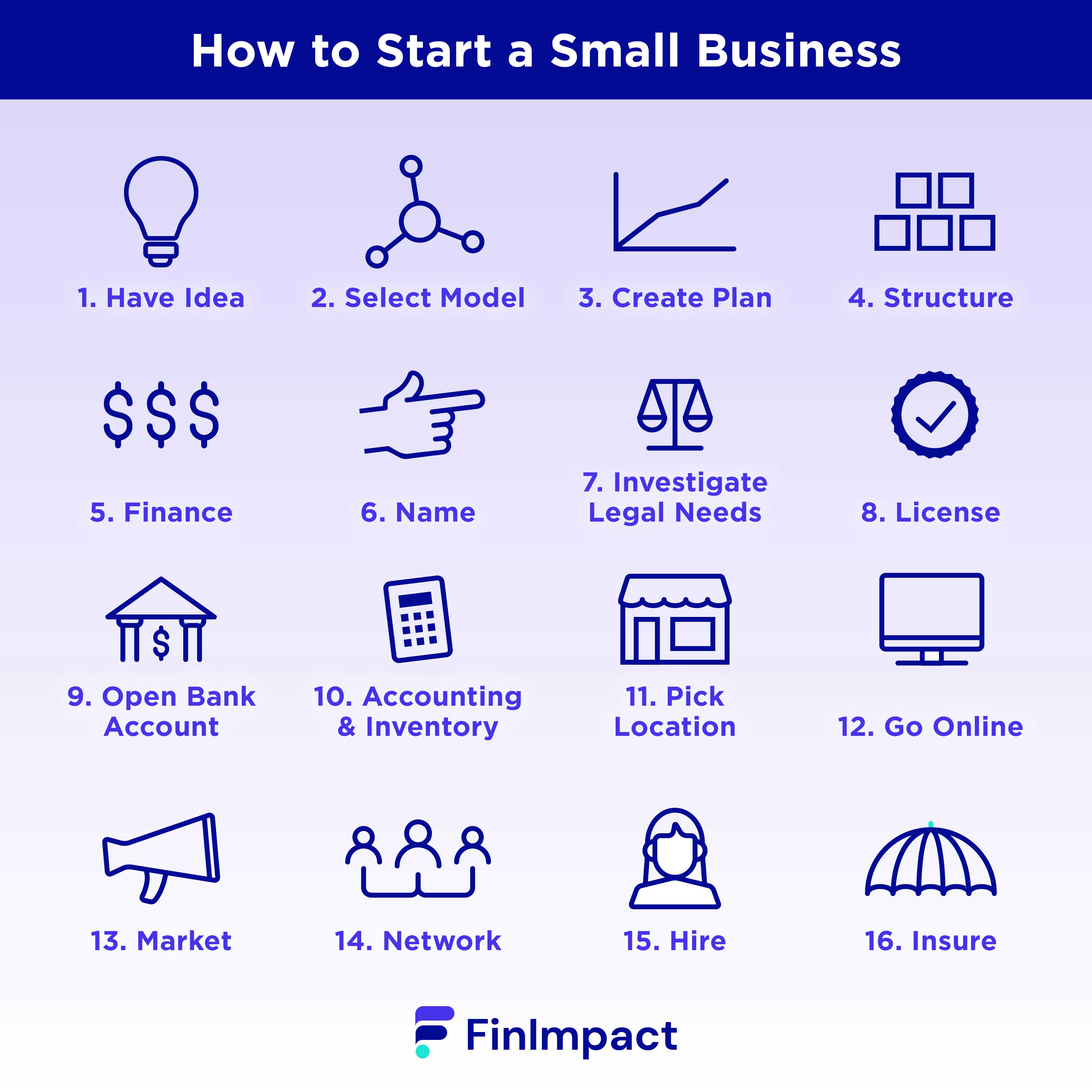
Finally, running a business requires an end-game. Whether you plan to pass the business to family, sell it to a competitor, or operate it as a “lifestyle business” for decades, your financial decisions today must align with your long-term wealth goals.
Reinvesting Profits vs. Personal Wealth Accumulation
There is a delicate balance between reinvesting every penny back into the business for growth and taking a “draw” to build personal wealth. A prudent business owner pays themselves a fair market salary. This ensures that the business’s profitability is “real”—if the business cannot afford to pay an owner-manager, it isn’t truly profitable; it is merely subsidizing its existence with free labor.
Preparing for Valuation and Future Sale
Even if you have no immediate plans to sell, you should run your business as if it were for sale tomorrow. This means maintaining pristine financial records, ensuring diversified revenue streams (so no single client represents more than 10-20% of income), and building “owner-independent” systems. A business that relies entirely on the owner’s personal involvement is worth significantly less than one that functions as a turnkey financial asset. By focusing on “EBITDA” (Earnings Before Interest, Taxes, Depreciation, and Amortization), you maximize the potential valuation of your company, creating a powerful vehicle for long-term wealth creation.
aViewFromTheCave is a participant in the Amazon Services LLC Associates Program, an affiliate advertising program designed to provide a means for sites to earn advertising fees by advertising and linking to Amazon.com. Amazon, the Amazon logo, AmazonSupply, and the AmazonSupply logo are trademarks of Amazon.com, Inc. or its affiliates. As an Amazon Associate we earn affiliate commissions from qualifying purchases.