
Understanding the intricacies of the Affordable Care Act (ACA), commonly known as Obamacare, can seem daunting. For millions of Americans, however, it represents a crucial pathway to affordable health coverage, safeguarding both their health and their financial future. The core question for many remains: “How do I qualify for Obamacare?” This isn’t just a medical inquiry; it’s a fundamental financial one. Qualifying for ACA plans, especially with financial assistance, directly impacts your household budget, healthcare access, and overall financial stability. This article will demystify the qualification process, focusing on the financial criteria and assistance mechanisms available to make health insurance an attainable reality.

Understanding the Affordable Care Act’s Financial Framework
The ACA was signed into law in 2010 with a primary goal of expanding health insurance coverage, making it more affordable, and establishing consumer protections. From a financial perspective, it introduced mechanisms designed to lower out-of-pocket costs for eligible individuals and families, preventing medical debt from spiraling out of control.
The Purpose of Subsidies and Cost Protections
Before the ACA, many individuals faced prohibitive insurance premiums or limited access due to pre-existing conditions. The Act sought to rectify this by creating a competitive marketplace for health plans and, critically, by offering financial aid. This aid comes primarily in two forms: Premium Tax Credits (PTC) and Cost-Sharing Reductions (CSRs). These subsidies are not a handout but a strategic investment in public health and economic stability, designed to make health insurance accessible to those who might otherwise forgo it, risking significant medical bills in the event of illness or injury. For businesses, the ACA also impacts employer mandates, influencing how many employers provide coverage and how individuals assess their options.
The Marketplace: Your Gateway to Affordable Coverage
The federal marketplace, HealthCare.gov, and state-based marketplaces serve as the primary portals for individuals to enroll in ACA-compliant health plans. These platforms are designed to simplify the process of comparing plans, understanding benefits, and applying for financial assistance. They act as a centralized hub where individuals can input their financial information to determine their eligibility for subsidies, which are then applied directly to their chosen plan’s premiums or out-of-pocket costs. Engaging with the marketplace is a critical financial step, as it’s where you’ll identify plans that fit your budget and receive the financial relief you qualify for.
Key Financial Eligibility Criteria for ACA Subsidies
Qualification for Obamacare isn’t a one-size-fits-all scenario. It largely hinges on your household income relative to the Federal Poverty Level (FPL), as well as other specific circumstances. Understanding these financial thresholds is paramount to determining your eligibility for various forms of assistance.
Income Requirements and Federal Poverty Level (FPL)
The cornerstone of ACA qualification is your Modified Adjusted Gross Income (MAGI) in relation to the FPL. Generally, individuals and families with MAGI between 100% and 400% of the FPL are eligible for Premium Tax Credits. For individuals in states that have expanded Medicaid, those with incomes below 138% of the FPL may qualify for Medicaid, which provides comprehensive, low-cost (or no-cost) coverage. The “American Rescue Plan Act” (ARPA) and “Inflation Reduction Act” (IRA) temporarily expanded eligibility for PTCs, extending assistance to those above 400% FPL and increasing the amount of subsidies for all eligible groups, making coverage even more affordable. This expansion is a significant financial relief for many middle-income households.
Household Size and Tax Filing Status
Your household size plays a crucial role in calculating your FPL percentage. The larger your household, the higher your income can be while still qualifying for subsidies. It’s important to accurately report everyone you claim as a dependent on your tax return. Your tax filing status (single, married filing jointly, head of household, etc.) also impacts how your income is assessed and, consequently, your eligibility. Accurate reporting of these details is not just an administrative task; it directly influences the amount of financial assistance you receive. Misreporting can lead to discrepancies that require repayment of excess subsidies at tax time, an unexpected financial burden.
Access to Other Affordable Coverage
Another critical factor is whether you have access to “affordable” employer-sponsored health coverage that meets certain minimum value standards. If your employer offers a plan where the employee’s share of the premium for self-only coverage is less than a certain percentage of your household income (known as the “affordability threshold”), you typically won’t qualify for marketplace subsidies. This rule prevents individuals from receiving government assistance when a viable, affordable option is already available through their workplace, prioritizing judicious use of public funds. There are exceptions, particularly if the employer plan does not offer minimum value or is truly unaffordable for the entire family.
Navigating Enrollment and Maximizing Financial Assistance
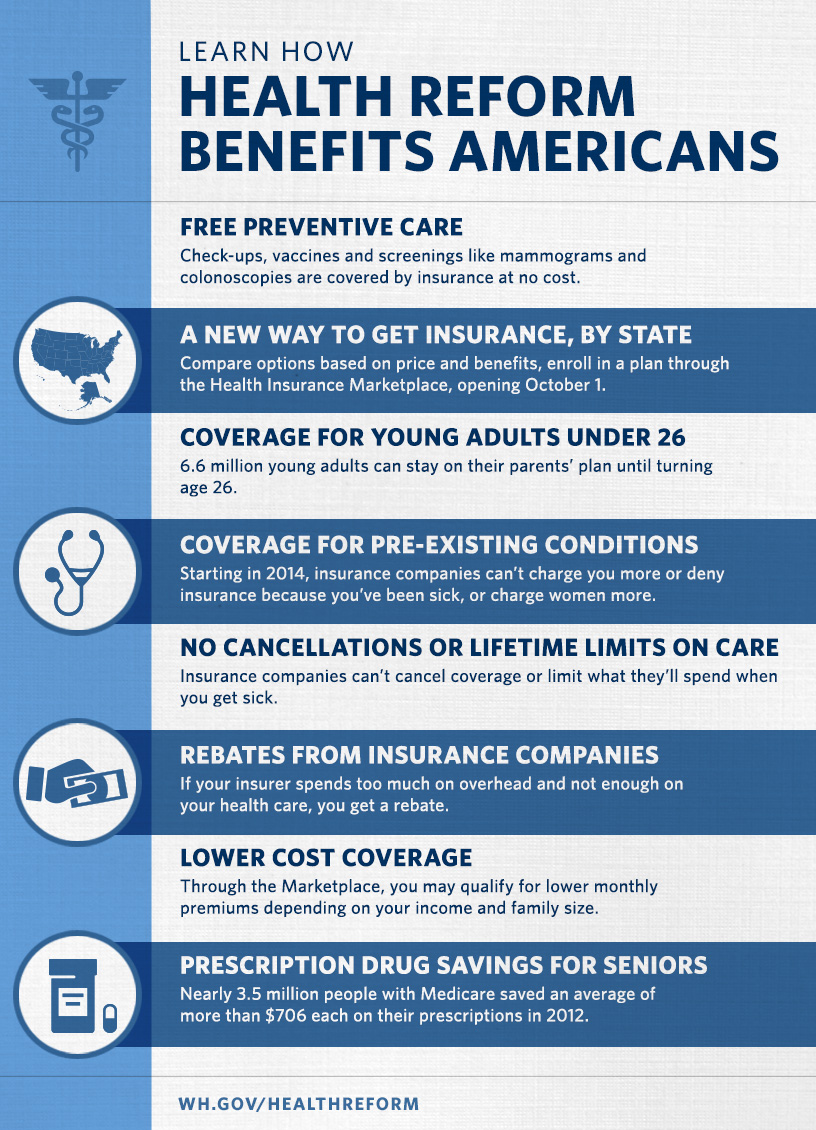
Once you understand the basic eligibility criteria, the next step is to navigate the enrollment process and ensure you’re maximizing the financial assistance available to you. This requires careful attention to detail and proactive engagement with the marketplace.
Applying Through the Marketplace
The application process involves providing accurate personal and financial information, including your estimated household income for the upcoming year, household size, and details about any employer-sponsored coverage. The marketplace uses this information to calculate your eligibility for Premium Tax Credits and Cost-Sharing Reductions instantly. It’s crucial to make a realistic estimate of your income, as too low an estimate could lead to receiving too much in subsidies, which you would need to repay at tax time. Conversely, too high an estimate could mean you miss out on upfront savings.
Understanding Premium Tax Credits (PTC)
Premium Tax Credits are federal funds that help reduce the amount you pay each month for your health insurance premium. You can choose to have these credits paid directly to your insurer each month, lowering your out-of-pocket costs, or you can claim the full amount when you file your federal income taxes. For most people, having the credits applied upfront is the best financial strategy, as it reduces monthly expenses and makes budgeting easier. The amount of your PTC is inversely related to your income: the lower your income (within the eligible range), the higher your credit.
Benefiting from Cost-Sharing Reductions (CSRs)
Cost-Sharing Reductions are another vital form of financial assistance, but unlike PTCs, they are tied to specific plan types. If your income falls between 100% and 250% of the FPL, you may qualify for CSRs, which reduce your out-of-pocket expenses like deductibles, copayments, and coinsurance. To receive CSRs, you must enroll in a “Silver” level plan through the marketplace. CSRs make Silver plans significantly more valuable for eligible individuals, effectively offering better benefits at a lower overall cost than they would normally provide. This is a crucial financial decision point for those within the income bracket.
Strategic Financial Planning with Your ACA Plan
Choosing an ACA plan is not just about healthcare; it’s a significant financial decision that impacts your annual budget and long-term financial health. Strategic planning can help you get the most value from your coverage.
Choosing the Right Plan Tier
Marketplace plans are categorized into metal tiers: Bronze, Silver, Gold, and Platinum. These tiers reflect the actuarial value of the plan, meaning the average percentage of healthcare costs the plan is expected to cover.
- Bronze plans typically have lower monthly premiums but higher deductibles and out-of-pocket costs, suitable for those who expect minimal medical care and want protection against catastrophic events.
- Silver plans offer moderate premiums and deductibles. They are particularly important if you qualify for CSRs, as these benefits are only available with Silver plans.
- Gold and Platinum plans have higher monthly premiums but lower deductibles and out-of-pocket costs, ideal for those who anticipate significant healthcare needs and prefer more predictable expenses.
Your choice should align with your health expectations and financial capacity to cover upfront and ongoing medical costs.
Reporting Life Changes Promptly
Your eligibility for financial assistance is based on your estimated income and household size for the year. If your income changes significantly, you gain or lose a dependent, or experience other major life events (like marriage, divorce, or moving), it’s crucial to update your marketplace application promptly. Failure to do so could result in you receiving too much or too little financial assistance. Receiving too much means you might owe money back at tax time, while receiving too little means you missed out on financial savings you were entitled to. Proactive updates ensure your subsidies remain accurate and prevent unexpected financial adjustments.
Understanding Open Enrollment and Special Enrollment Periods
The annual Open Enrollment Period (OEP), typically in the fall, is the main time when most people can enroll in a new plan or change their existing coverage. Missing OEP means you generally cannot enroll until the next year unless you qualify for a Special Enrollment Period (SEP). SEPs are triggered by specific qualifying life events, such as losing other health coverage, getting married, having a baby, or moving. Understanding these periods is vital for maintaining continuous coverage and ensuring you can adjust your plan to fit changing financial or health circumstances without interruption.

Conclusion: Securing Your Health and Financial Future
Qualifying for Obamacare is fundamentally about leveraging available financial tools to secure affordable health insurance. It involves understanding your income relative to federal guidelines, accurately reporting your household details, and actively engaging with the health insurance marketplace. By doing so, you can access Premium Tax Credits and Cost-Sharing Reductions that significantly lower your monthly premiums and out-of-pocket healthcare expenses.
The Affordable Care Act provides a robust framework for financial protection against the often-unpredictable costs of healthcare. For individuals and families seeking to manage their budgets, mitigate medical debt, and ensure access to necessary medical care, learning how to qualify for Obamacare is not just a healthcare decision, but a cornerstone of sound personal financial planning. Take the time to explore your options on HealthCare.gov or your state’s marketplace, and embrace the financial security that comes with having comprehensive health coverage.
aViewFromTheCave is a participant in the Amazon Services LLC Associates Program, an affiliate advertising program designed to provide a means for sites to earn advertising fees by advertising and linking to Amazon.com. Amazon, the Amazon logo, AmazonSupply, and the AmazonSupply logo are trademarks of Amazon.com, Inc. or its affiliates. As an Amazon Associate we earn affiliate commissions from qualifying purchases.