
In an increasingly complex and interconnected world, the simple act of “how do I pay?” has evolved from a straightforward question into a multifaceted exploration of financial tools, security protocols, and personal preferences. From the tactile exchange of physical currency to the invisible flow of digital data, understanding the myriad ways we can settle accounts is fundamental to managing personal finances, conducting business, and participating in the global economy. This article delves into the core aspects of modern payment systems, offering an insightful guide to the options available, their implications, and what the future holds for our financial transactions.
The Evolution of Payment Methods: From Barter to Digital Wallets
The concept of payment has a long and fascinating history, mirroring the progression of human civilization itself. What began as direct exchange has transformed into a sophisticated ecosystem driven by technology and convenience.
A Brief History of Value Exchange
Millennia ago, commerce was rooted in barter – the direct exchange of goods and services. While effective for simple economies, barter suffered from a fundamental problem: the “double coincidence of wants.” Both parties needed to desire what the other offered. This led to the adoption of commodity money – items like shells, salt, or precious metals that had inherent value and were widely accepted. This marked a significant leap towards a standardized medium of exchange.
The Rise of Cash and Checks
The introduction of coinage and later, paper money, revolutionized transactions by providing a universally recognized and easily divisible unit of value. Cash offered anonymity, immediate settlement, and universal acceptance within its jurisdiction. Following the Industrial Revolution, the advent of checking accounts allowed individuals and businesses to transfer funds without physically moving cash, introducing an early form of digital record-keeping and enhancing security for larger transactions. Checks provided a paper trail and a means to pay from a distance, laying foundational principles for future payment innovations.
The Credit and Debit Card Revolution
The mid-20th century heralded the plastic revolution with the widespread adoption of credit and debit cards. Credit cards introduced the concept of deferred payment and revolving credit, allowing consumers to make purchases on borrowed money, often with rewards and protection benefits. Debit cards, conversely, provided direct access to funds held in a bank account, offering the convenience of plastic without incurring debt. These cards standardized electronic point-of-sale transactions and ushered in an era of cashless convenience, reshaping consumer spending habits and global commerce.
Entering the Digital Age: Mobile and Online Payments
The internet age brought an explosion of new payment methods. Online banking enabled remote management of accounts and transfers, while platforms like PayPal pioneered secure online transactions for e-commerce. The most recent paradigm shift has been the rise of mobile payments and digital wallets (e.g., Apple Pay, Google Pay). These technologies leverage smartphones and wearable devices to facilitate contactless payments, securely storing card details and enabling quick, seamless transactions at physical points of sale or within apps. This integration of payments into our mobile devices represents the zenith of convenience, transforming our phones into universal payment instruments.
Traditional vs. Digital: Understanding Your Core Payment Options
Today, consumers and businesses are faced with a diverse array of payment methods, each with its own advantages and disadvantages. Choosing the right method often depends on the context of the transaction, security concerns, and personal financial habits.
Cash: Simplicity and Control
Cash remains a universally accepted payment method, offering unparalleled simplicity and direct control over spending. It requires no technology, no bank account, and provides instant settlement. For some, paying with cash helps in budgeting, as the physical act of handing over money creates a tangible awareness of expenditure. However, cash is susceptible to loss or theft, and large sums can be inconvenient to carry. Its anonymity can also be a drawback in certain contexts, as it leaves no digital trace for tracking expenses or resolving disputes.
Credit Cards: Leveraging Borrowed Capital
Credit cards offer a line of credit, allowing users to make purchases and pay for them later. Key benefits include fraud protection, purchase insurance, extended warranties, and often, rewards programs (cashback, points, miles). They are indispensable for building a credit history, which is crucial for loans, mortgages, and even some employment opportunities. The primary downside is the potential for debt accumulation if balances are not paid in full each month, leading to high-interest charges. Responsible use is paramount.
Debit Cards: Direct Access to Funds
Debit cards provide a direct link to your checking account, deducting funds immediately upon purchase. This prevents debt accumulation and allows for real-time tracking of expenses. They are widely accepted and offer a convenient, plastic-based alternative to cash. While debit cards offer some fraud protection, they typically lack the extensive consumer protections and rewards programs associated with credit cards. A common risk is that unauthorized transactions directly impact your available funds, potentially causing overdrafts or issues with other scheduled payments.
Digital Wallets and Mobile Payments: Convenience at Your Fingertips
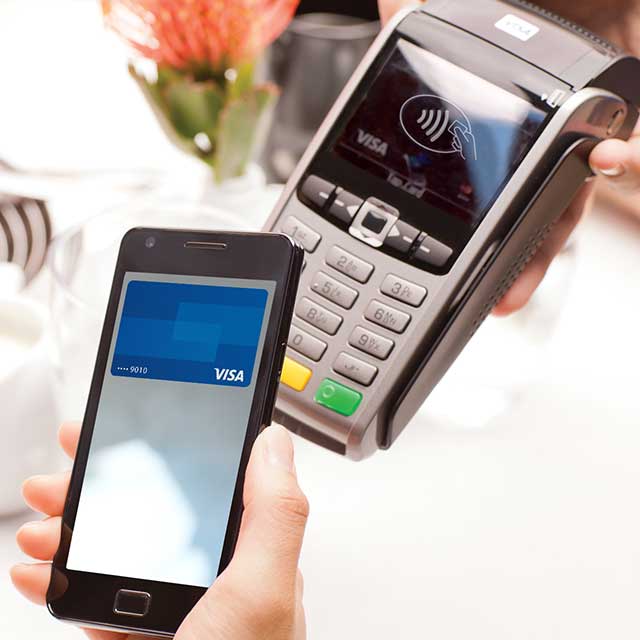
Digital wallets consolidate multiple payment methods (credit cards, debit cards, loyalty cards) into a single app on a smartphone or smartwatch. They facilitate contactless payments via Near Field Communication (NFC) technology, allowing users to simply tap their device at a compatible terminal. Beyond convenience, digital wallets enhance security by using tokenization – your actual card number is never transmitted, instead a unique, encrypted token is used for each transaction. This significantly reduces the risk of data breaches. Their integration with loyalty programs and public transport systems further streamlines daily financial interactions.
Bank Transfers and Online Bill Pay: Direct and Efficient
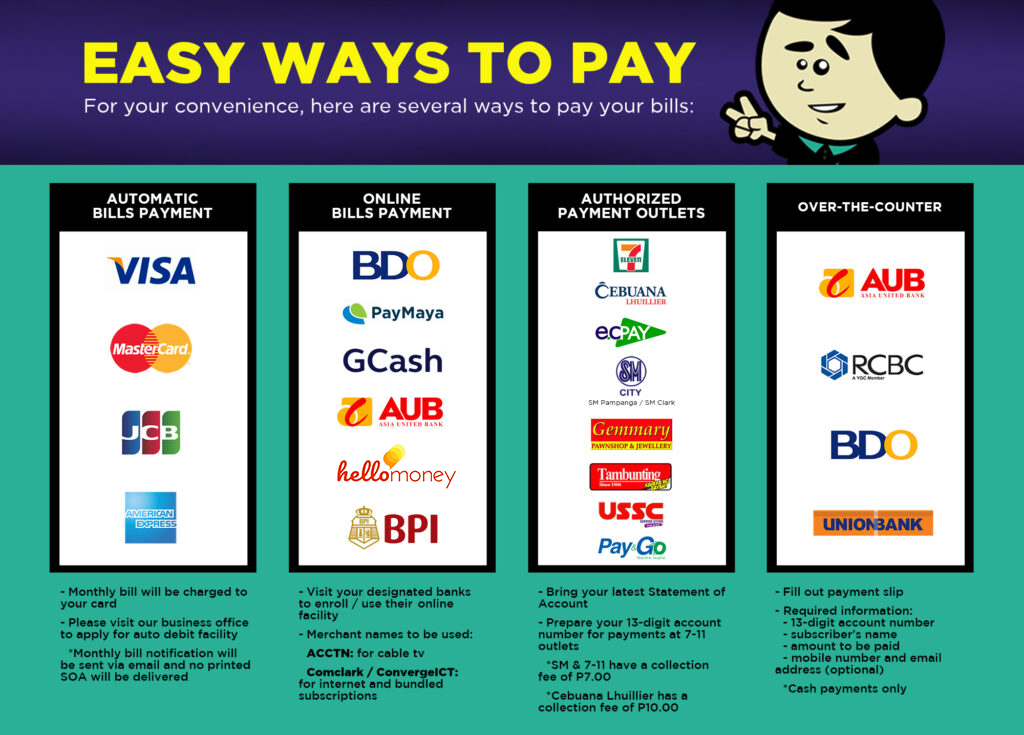
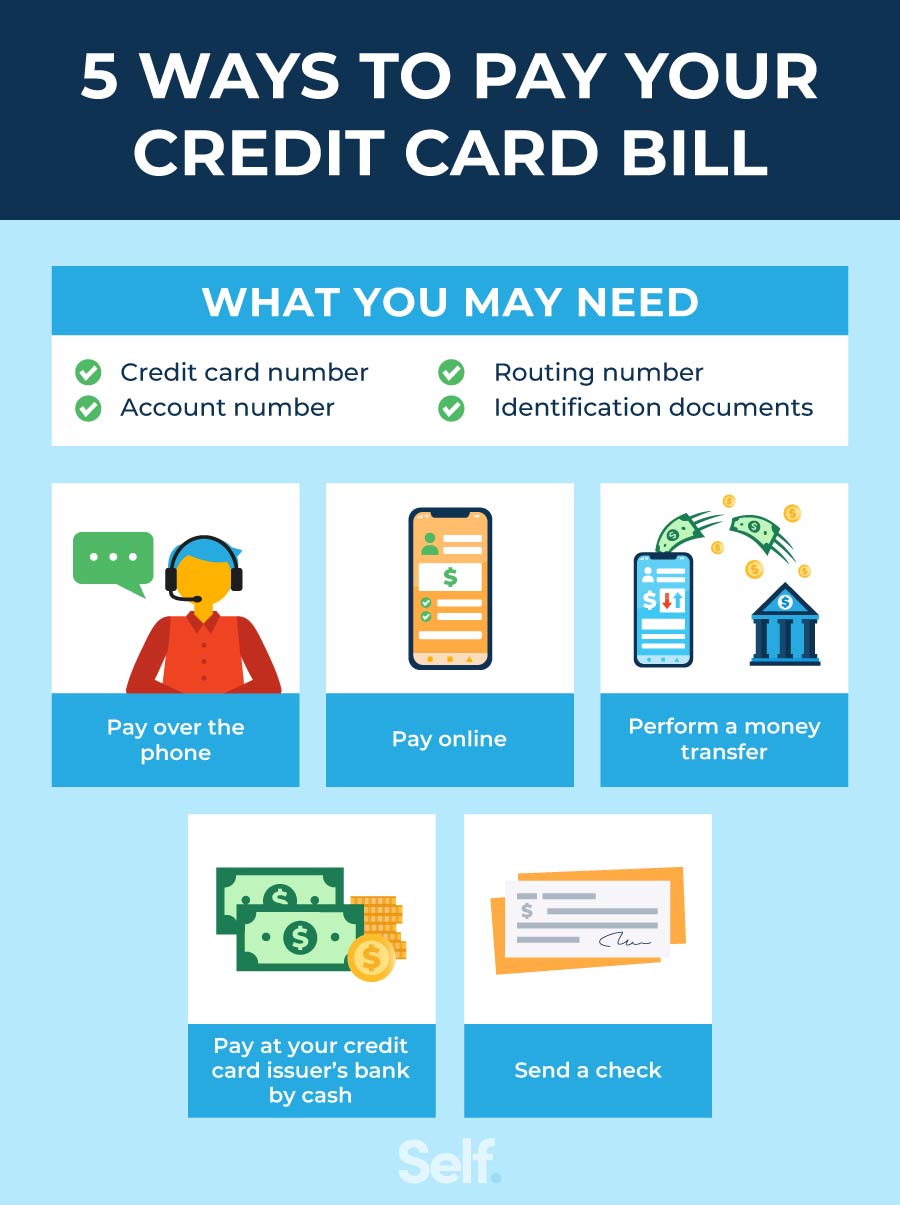
For larger sums, recurring payments, or transactions requiring direct movement between bank accounts, services like Automated Clearing House (ACH) transfers, wire transfers, and online bill pay are essential. ACH transfers are common for direct deposit of paychecks, recurring bill payments, and peer-to-peer transfers, offering a cost-effective and secure way to move money. Wire transfers are faster but typically more expensive, used for time-sensitive or international high-value transactions. Online bill pay, often integrated into banking apps, automates the payment of recurring expenses, ensuring timeliness and providing digital records.
Security and Convenience: Balancing Priorities in Your Payment Choices
The pursuit of convenience in payments must always be balanced with robust security measures. As transaction methods become more sophisticated, so do the tactics of fraudsters.
Protecting Your Financial Information: Essential Security Practices
Regardless of the payment method, vigilance is key. For cards, always shield your PIN, never share your full card number via insecure channels, and regularly review your bank and credit card statements for suspicious activity. When shopping online, ensure websites are secure (look for “https://” and a padlock icon). For digital wallets, use strong passwords and biometric authentication (fingerprint, facial recognition). Public Wi-Fi should be avoided for financial transactions unless using a Virtual Private Network (VPN). Understanding phishing scams and identity theft prevention is also critical, as fraudsters often target personal information to gain access to payment accounts.
The Convenience Factor: Speed, Accessibility, and Records
Modern payment methods are designed for speed and accessibility. Contactless payments reduce transaction times, while online platforms allow for 24/7 access to funds and services. The digital nature of many payment methods also creates an invaluable digital paper trail, simplifying budgeting, tax preparation, and dispute resolution. This convenience, however, often comes with trade-offs in terms of data privacy and the potential for overspending if not managed carefully. The ease of “tap and go” can sometimes detach individuals from the actual act of spending, leading to less mindful financial decisions.
Understanding Fees and Charges Associated with Payments
While many consumer payment methods are free at the point of sale, hidden fees can exist. Credit cards can incur annual fees, foreign transaction fees, and, most notably, interest charges if balances aren’t paid. Debit cards may have overdraft fees. Bank transfers, especially wire transfers, often come with fees. Some third-party payment apps might charge for instant transfers or specific services. For businesses, transaction processing fees (merchant fees) are a significant consideration. Always be aware of the fee structures associated with your chosen payment methods to avoid unexpected costs.
Fraud Prevention and What to Do If Compromised
Financial institutions employ sophisticated fraud detection systems, but individuals also play a vital role. Enable transaction alerts, monitor credit reports, and use multi-factor authentication whenever possible. In the event of a lost card, suspicious activity, or a data breach, act immediately. Contact your bank or card issuer to report the issue, cancel compromised cards, and follow their instructions for dispute resolution. Prompt action can significantly limit your liability and protect your finances.
Beyond Transactions: How Payment Methods Impact Your Financial Health
The choice of payment methods extends beyond mere transaction execution; it can significantly influence your overall financial health, credit standing, and ability to manage money effectively.
Budgeting and Tracking with Digital Payments
Digital payment methods offer unparalleled opportunities for financial tracking. Online banking portals and budgeting apps can automatically categorize transactions, providing detailed insights into spending habits. This granular data is invaluable for creating and sticking to a budget, identifying areas of overspending, and setting financial goals. While cash transactions offer anonymity, they make tracking difficult, often requiring manual entry into budgeting systems. Leveraging the digital trail of card and mobile payments can transform how individuals manage and understand their finances.
Credit Score Implications of Payment Choices
Responsible use of credit cards is one of the most effective ways to build and maintain a strong credit score. Making timely payments, keeping credit utilization low, and managing a diverse credit mix positively impact your creditworthiness. A strong credit score is crucial for securing favorable interest rates on loans, mortgages, and even for renting an apartment or obtaining insurance. Conversely, missing payments or maxing out credit cards can severely damage your score, with long-term financial consequences. Debit cards, while useful for managing immediate funds, do not directly contribute to building a credit history.
Earning Rewards and Maximizing Benefits
Many credit cards and some digital wallets offer rewards programs – cashback, travel miles, or points redeemable for goods and services. Strategically using these cards for everyday spending can translate into substantial savings or valuable perks over time. For example, a travel credit card can help fund a vacation, while a cashback card can reduce overall expenses. However, these benefits should never encourage overspending or carrying a balance, as the interest paid will almost always outweigh the value of the rewards earned. Understanding and maximizing these benefits is a smart financial strategy for those who can manage their credit responsibly.
Streamlining Business Payments
For businesses, efficient payment processing is critical for cash flow management and operational efficiency. Digital payment solutions, including online invoicing, merchant accounts, and payroll services, streamline financial operations. They reduce administrative burden, accelerate payment collection, and provide comprehensive reporting for accounting and tax purposes. The choice of business payment platforms also impacts customer experience, with convenient options potentially increasing sales and customer loyalty. Optimizing business payment infrastructure is a key component of modern financial management for enterprises of all sizes.
The Future of Payments: Innovations and What’s Next
The payment landscape is in a constant state of flux, driven by technological advancements and evolving consumer expectations. Several key trends are shaping the future of “how we pay.”
Cryptocurrencies and Blockchain: Decentralized Transactions
Cryptocurrencies like Bitcoin and Ethereum, underpinned by blockchain technology, represent a radical departure from traditional centralized payment systems. They offer decentralized, transparent, and potentially immutable transactions without the need for intermediaries like banks. While still highly volatile and not universally adopted for everyday purchases, cryptocurrencies are gaining traction for international transfers and as alternative investment assets. The underlying blockchain technology holds immense promise for increasing security, reducing transaction costs, and creating new forms of digital value exchange, potentially revolutionizing finance beyond just payments.
Biometric Payments: Seamless and Secure
Biometric authentication (fingerprint, facial recognition, iris scans) is increasingly integrated into payment systems. Already common in smartphones for unlocking devices and authorizing digital wallet payments, biometrics promise an even more seamless and secure transaction experience. Imagine paying with just a glance or a touch, eliminating the need for cards, PINs, or passwords. This technology significantly enhances security by linking payments directly to an individual’s unique biological characteristics, making fraud much harder to perpetrate.
“Buy Now, Pay Later” (BNPL) Services: A New Credit Frontier
“Buy Now, Pay Later” (BNPL) services have surged in popularity, offering consumers the ability to split purchases into several interest-free installments. Platforms like Affirm, Klarna, and Afterpay provide an alternative to traditional credit cards, particularly appealing to younger demographics and those seeking more flexible payment options. While convenient, it’s crucial for consumers to understand the terms and avoid late fees, as missed payments can negatively impact credit scores and lead to debt. Regulators are also beginning to scrutinize BNPL to ensure consumer protection.
AI and Machine Learning in Payment Processing
Artificial intelligence (AI) and machine learning (ML) are quietly transforming the backend of payment processing. These technologies are vital for sophisticated fraud detection, analyzing vast datasets to identify anomalous patterns in real-time and prevent fraudulent transactions before they occur. AI also powers personalized financial advice, optimizes payment routing for lower costs, and enhances customer service through chatbots and intelligent assistants. As AI continues to evolve, it will make payment systems more secure, efficient, and tailored to individual user needs.
In conclusion, the question “how do I pay?” is no longer a simple query but an invitation to explore a dynamic ecosystem of financial instruments. From the foundational solidity of cash to the cutting-edge promise of blockchain and AI-powered solutions, understanding these methods empowers individuals and businesses to make informed decisions that align with their financial goals, security needs, and desire for convenience. Navigating this landscape effectively is key to financial well-being in the modern age.
aViewFromTheCave is a participant in the Amazon Services LLC Associates Program, an affiliate advertising program designed to provide a means for sites to earn advertising fees by advertising and linking to Amazon.com. Amazon, the Amazon logo, AmazonSupply, and the AmazonSupply logo are trademarks of Amazon.com, Inc. or its affiliates. As an Amazon Associate we earn affiliate commissions from qualifying purchases.