
Tax season often brings a mix of anxiety and administrative hurdles, but the actual process of settling your debt with the Internal Revenue Service (IRS) has evolved significantly in recent years. No longer are taxpayers tethered solely to paper checks and snail mail. Today, the intersection of personal finance and government technology provides a suite of options designed for speed, security, and record-keeping. Whether you are an individual filer, a small business owner, or a high-net-worth investor, understanding the nuances of how to pay the IRS is a critical component of sound financial management.
This guide explores the various channels available for tax payments, the financial implications of each method, and how to navigate payment challenges if you find yourself unable to pay in full.
Understanding Your Digital Payment Options
The IRS has made significant strides in digitizing the payment experience. For most taxpayers, using an electronic method is the most efficient way to ensure that funds are credited to the correct tax year and that a digital paper trail is established immediately.
IRS Direct Pay: The Standard for Individuals
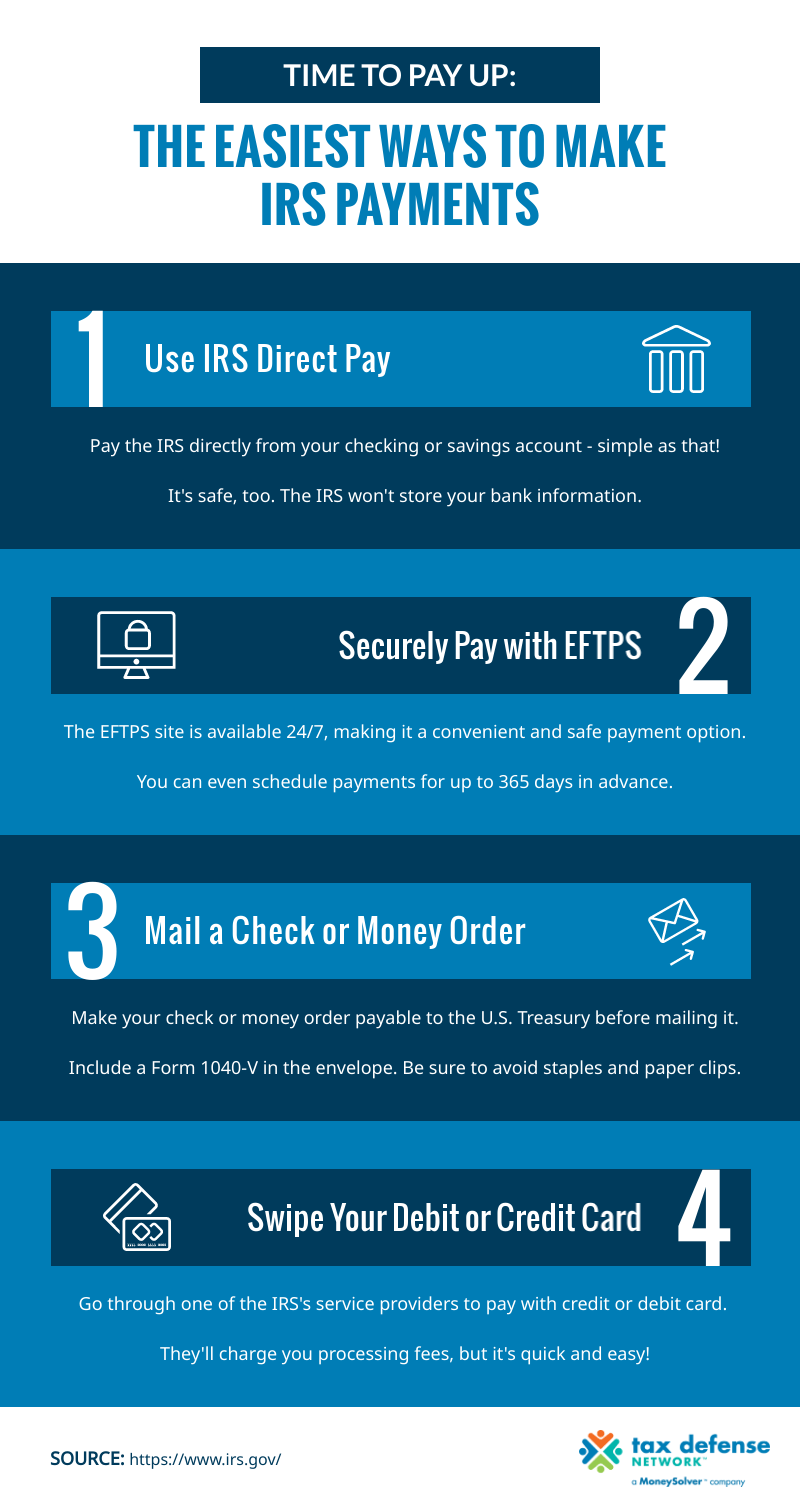
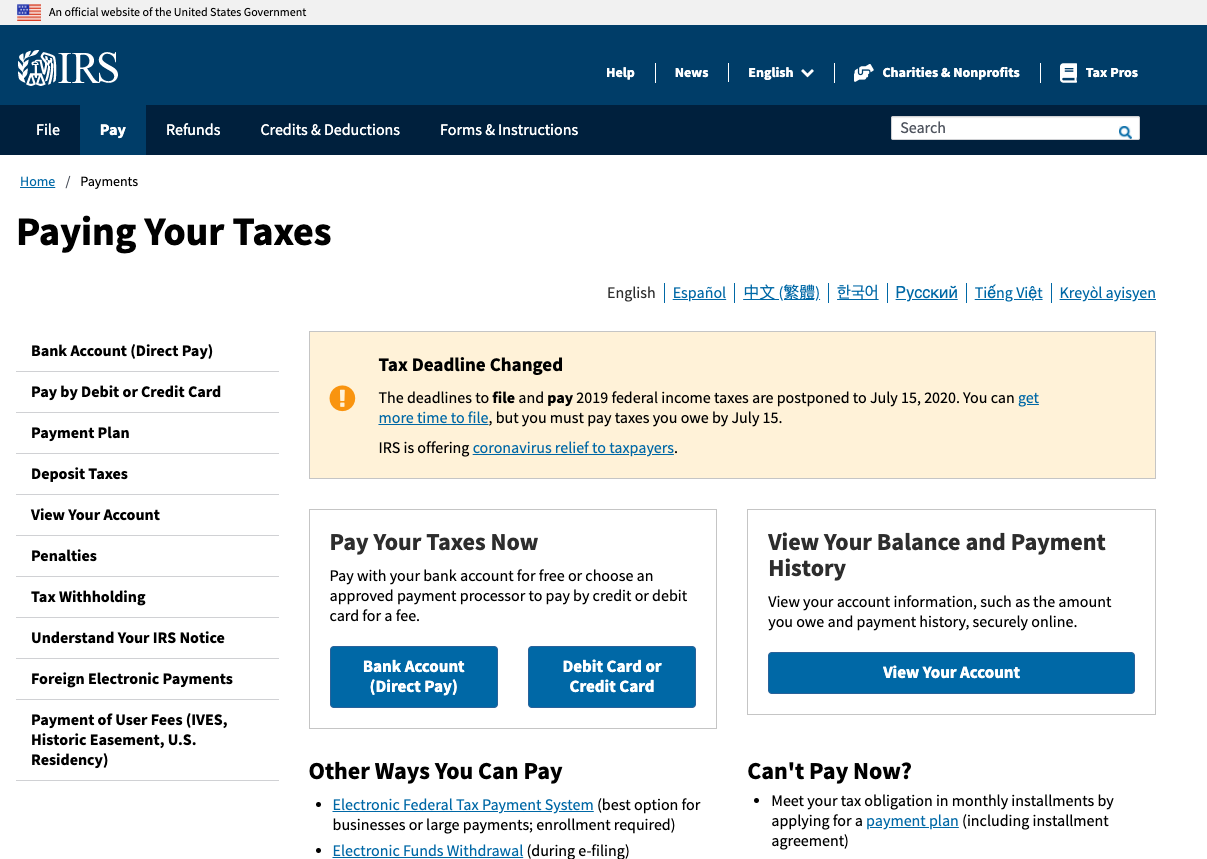
IRS Direct Pay is the gold standard for individual taxpayers who need to pay from a checking or savings account. This service is free and does not require registration. It is specifically designed for individuals filing Form 1040, estimated taxes, or various other individual tax obligations.
From a financial planning perspective, Direct Pay is advantageous because it allows for immediate confirmation. You can schedule payments up to 365 days in advance, which is a powerful tool for those managing cash flow. By scheduling your April 15th payment in January, you ensure that you don’t accidentally spend those funds on other liabilities.
EFTPS: The Corporate and Small Business Workhorse
The Electronic Federal Tax Payment System (EFTPS) is a free service provided by the U.S. Department of the Treasury. While individuals can use it, it is the primary vehicle for business tax payments, including payroll taxes and corporate income taxes.
Unlike Direct Pay, EFTPS requires an initial enrollment process that involves receiving a PIN via physical mail, which adds a layer of security. For businesses, EFTPS is a vital financial tool because it provides a comprehensive history of all payments made over the last 16 months, making it easier for accountants and CFOs to reconcile books during an audit or year-end review.
Paying via Debit or Credit Card: Pros, Cons, and Convenience
The IRS does not collect fees for credit or debit card payments, but the third-party processors they use certainly do. Paying by card is often the most “convenient” method, but from a “Money” niche perspective, it requires a cost-benefit analysis.
Processors typically charge a flat fee for debit cards (usually around $2.00 – $4.00) and a percentage-based fee for credit cards (often between 1.85% and 2.00%). For a taxpayer with a $10,000 bill, a 2% fee amounts to $200. This is only financially sound if the credit card rewards—such as travel points or cash back—exceed the value of the fee, or if the taxpayer needs to use the card’s revolving credit to avoid high-interest IRS late-payment penalties.
Navigating Payment Plans and Installment Agreements
Not every taxpayer has the liquidity to settle their tax bill in a single lump sum. When your financial liabilities exceed your current assets, the IRS offers several “outlets” to manage the debt without triggering aggressive collection actions like wage garnishments or tax liens.
Short-Term Payment Plans
If you can pay your total tax liability within 180 days, you may qualify for a short-term payment plan. For individuals, there is typically no setup fee for this arrangement, though interest and late-payment penalties still accrue. This is an ideal solution for those who are expecting a liquidity event—such as a bonus, a stock sale, or a real estate closing—shortly after the tax deadline.
Long-Term Installment Agreements
For debts that require more than six months to settle, the IRS provides Long-Term Installment Agreements (Form 9465). These plans allow for monthly payments over a period of up to 72 months.
From a financial strategy standpoint, it is important to note that these agreements come with setup fees. However, these fees are significantly reduced if you apply online and agree to a Direct Debit (automatic withdrawal) system. By opting for Direct Debit, you not only lower the administrative cost but also eliminate the risk of missing a payment, which would otherwise default the agreement and incur further penalties.
Offers in Compromise: When You Can’t Pay in Full
An Offer in Compromise (OIC) is a last-resort financial tool that allows you to settle your tax debt for less than the full amount you owe. This is not a “get out of jail free” card; the IRS only grants OICs if they determine that the taxpayer’s assets and future income potential make it unlikely that the debt will ever be paid in full.
The application process for an OIC is rigorous, requiring full disclosure of all financial accounts, equity in assets, and monthly expenses. While it can provide a fresh start, the administrative hurdles and the impact on your financial standing make it a path that should only be taken under the guidance of a qualified tax professional.
Ensuring Compliance and Financial Security During the Process
In the world of personal finance, security is just as important as the payment itself. Because the IRS handles trillions of dollars, it is a primary target for bad actors seeking to exploit taxpayers.
Tracking Your Payment History
One of the most overlooked aspects of paying the IRS is the verification process. After making a payment, you should always log into your “IRS Online Account.” This portal allows you to see your total balance owed, your payment history for the last 24 months, and key information from your most recent tax return. Maintaining a record of these digital receipts is essential for resolving potential discrepancies with the IRS later on.
Avoiding Common Tax Scams and Phishing
A crucial rule of financial literacy: The IRS will never initiate contact with taxpayers by email, text message, or social media to request personal or financial information. Most IRS communications happen through the U.S. Postal Service.
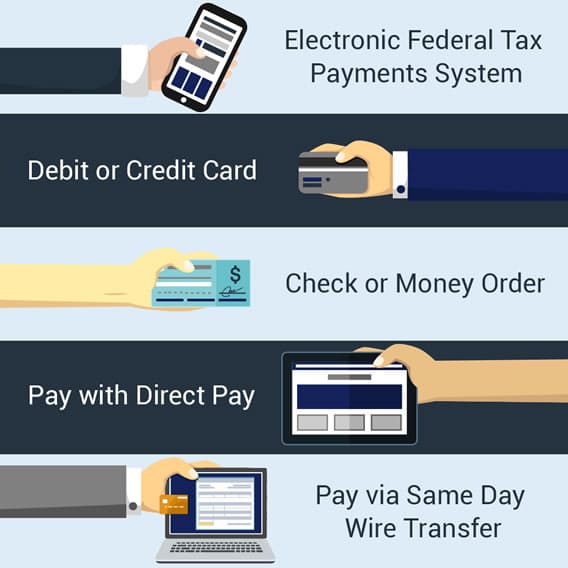
Scammers often create high-pressure situations, demanding immediate payment via wire transfer, gift cards, or cryptocurrency. These are red flags. Legitimate IRS payments are only made through the authorized channels mentioned earlier (Direct Pay, EFTPS, or authorized card processors). Protecting your capital means being vigilant about where and how you transmit your financial data.
The Importance of Timely Filing Even If You Can’t Pay
A common financial mistake is failing to file a tax return because the taxpayer cannot afford to pay the bill. This is a compounding error. The “Failure to File” penalty is significantly higher than the “Failure to Pay” penalty.
By filing on time, you stop the most expensive penalty from accruing. You can then use the payment methods discussed—such as an installment agreement—to manage the balance. In the realm of business finance, keeping your filing status current is also vital for maintaining your “good standing” for loans or government contracts.
Leveraging Financial Tools for Tax Management
Proactive financial management is the best way to handle the “how do I pay” question. Instead of scrambling in April, sophisticated taxpayers integrate tax planning into their year-round financial strategy.
Budgeting for Tax Season
For freelancers, 1099 contractors, and business owners, taxes are not a once-a-year event—they are a quarterly obligation. Using financial tools like specialized high-yield savings accounts to “sink” tax money as it is earned is a best practice. By setting aside 25-30% of every check into a dedicated account, you ensure that the money is already there when it’s time to use Direct Pay or EFTPS.
Tax Software Integration
Modern financial software—such as QuickBooks, TurboTax, or various wealth management platforms—often integrates directly with IRS payment systems. These tools can estimate your liability in real-time based on your income and expenses. This integration bridges the gap between accounting and payment, reducing the likelihood of manual entry errors that could lead to misapplied funds or underpayment penalties.
The Role of Estimated Payments
If you expect to owe more than $1,000 when you file your return, the IRS generally expects you to make estimated tax payments throughout the year. Utilizing the EFTPS system for these quarterly installments (typically due in April, June, September, and January) keeps your debt manageable and prevents the “sticker shock” of a massive year-end bill. From a cash flow perspective, paying in smaller increments is often more sustainable for a personal or business budget than one large annual outflow.
Conclusion
Paying the IRS is a multi-faceted process that requires more than just knowing where to click. It involves choosing the right tool for your specific entity type, evaluating the costs of different payment methods, and having a contingency plan if cash flow is tight. By utilizing digital tools like Direct Pay and EFTPS, staying vigilant against fraud, and planning ahead with installment agreements or estimated payments, you can transform a stressful annual obligation into a routine part of your broader financial management strategy. In the world of money, clarity and compliance are the keys to long-term stability.
aViewFromTheCave is a participant in the Amazon Services LLC Associates Program, an affiliate advertising program designed to provide a means for sites to earn advertising fees by advertising and linking to Amazon.com. Amazon, the Amazon logo, AmazonSupply, and the AmazonSupply logo are trademarks of Amazon.com, Inc. or its affiliates. As an Amazon Associate we earn affiliate commissions from qualifying purchases.