
Opening a bank account is a fundamental step toward establishing financial stability and managing your money effectively. For many, a major institution like Wells Fargo offers a comprehensive suite of financial products and services, making it an attractive choice. This guide will walk you through the process, eligibility, and considerations for opening a Wells Fargo account, positioning it firmly within the realm of personal finance and prudent money management.
Understanding Your Banking Needs and Wells Fargo’s Offerings
Before you even begin the application process, it’s crucial to assess your own financial habits and goals. The right account can save you money, simplify transactions, and help you reach your financial objectives faster. Wells Fargo, like most large banks, offers a variety of accounts designed for different needs.
Identifying the Right Account Type for You
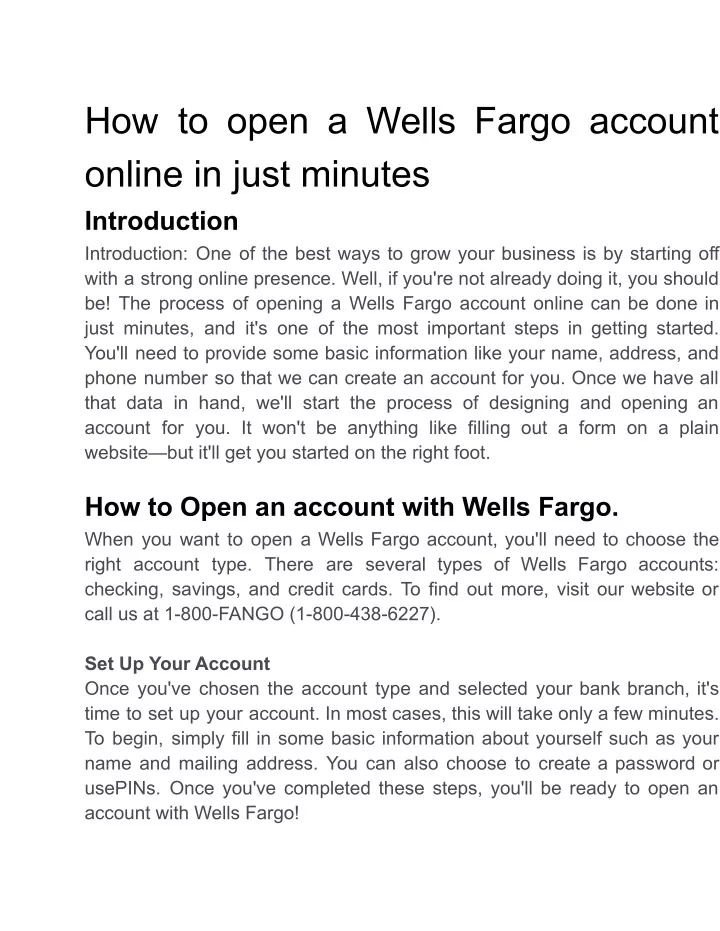
The first step in opening a Wells Fargo account – or any bank account – is to understand the different types available and determine which aligns best with your financial lifestyle.
- Checking Accounts: These are designed for day-to-day transactions. You use them for direct deposits, paying bills, making purchases with a debit card, and withdrawing cash. Wells Fargo typically offers several checking account options, often with varying minimum balance requirements, monthly fees (which can often be waived), and features like overdraft protection or interest-earning capabilities. If your primary need is frequent transactions and easy access to your money, a checking account is indispensable.
- Savings Accounts: Ideal for setting aside money for future goals, savings accounts typically earn a modest amount of interest. They are less transactional than checking accounts, often having limits on monthly withdrawals. If you’re building an emergency fund, saving for a down payment, or simply want a secure place to store funds while earning a small return, a savings account is your best bet. Wells Fargo offers standard savings accounts and sometimes more specialized options.
- Certificates of Deposit (CDs): CDs are time deposits where you agree to keep your money locked up for a specific period (e.g., 6 months, 1 year, 5 years) in exchange for a higher, fixed interest rate. They are a good option for money you won’t need immediate access to and want to grow predictably. While less liquid, CDs offer security and often better returns than standard savings accounts.
- Money Market Accounts (MMAs): MMAs blend features of both checking and savings accounts. They typically offer higher interest rates than standard savings accounts and often come with check-writing privileges or a debit card, though usually with stricter transaction limits than checking accounts. They also often require a higher minimum balance to open and maintain.
Understanding these distinctions is vital for making an informed financial decision that supports your personal finance strategy. Choosing wisely can prevent unnecessary fees and help your money work harder for you.
Overview of Wells Fargo’s Account Options
Wells Fargo provides a diverse portfolio of financial products, catering to a wide spectrum of customers from students to high-net-worth individuals. While specific product names and features can change, their core offerings typically include:
- Everyday Checking: A popular choice for daily banking, offering standard features.
- Preferred Checking: Often comes with more benefits, potentially higher interest, or fee waivers for meeting certain criteria, appealing to those with higher balances or multiple Wells Fargo relationships.
- Way2Save Savings®: A straightforward savings account, often linked to a checking account for easy transfers.
- Platinum Savings: Typically offers higher interest rates for higher balances.
- Specialized Accounts: Wells Fargo also caters to specific demographics, such as teen or student checking accounts with tailored benefits and lower fees, and accounts for small businesses.
Researching the most current offerings on the Wells Fargo website or speaking with a banker will provide the most up-to-date information on rates, fees, and features for each account type. This due diligence is a cornerstone of sound personal finance.
Key Considerations Before Opening
Before committing to Wells Fargo, or any bank, consider the following financial implications:
- Monthly Service Fees: Most checking and some savings accounts have monthly fees, which can often be waived by meeting certain criteria (e.g., maintaining a minimum daily balance, having direct deposits, or a certain number of debit card transactions). Understand these waiver requirements to avoid unnecessary costs.
- Minimum Balance Requirements: Some accounts require a minimum balance to avoid fees or to earn the advertised interest rate.
- Interest Rates: While not the primary draw for checking accounts, savings accounts, MMAs, and CDs offer interest. Compare rates across different institutions, but also weigh them against convenience and other benefits.
- ATM Access: Wells Fargo has one of the largest ATM networks in the U.S. Consider whether this widespread access is important to you.
- Digital Banking Tools: Evaluate their online banking platform and mobile app for ease of use, features like mobile check deposit, bill pay, and budgeting tools. These tools are crucial for modern money management.
- Customer Service: Research reviews on their customer service and consider if their support channels (phone, chat, in-person) meet your expectations.
Eligibility and Required Documentation for a Smooth Application
Once you’ve decided on the type of account, the next step is to ensure you meet the eligibility criteria and gather the necessary documents. This preparation will make the application process much smoother, whether you apply online or in person.
Who Can Open an Account?
General eligibility requirements for opening a bank account at Wells Fargo typically include:
- Age: You must be at least 18 years old to open most individual accounts. Minors can often have joint accounts with a parent or legal guardian.
- Residency: You generally need to be a U.S. citizen or a resident alien.
- Social Security Number (SSN) or Individual Taxpayer Identification Number (ITIN): This is required for tax reporting purposes and identity verification.
- Physical U.S. Address: A valid physical street address (not a P.O. Box) is needed for correspondence and identity verification.
Banks are legally required to verify the identity of their customers under the Patriot Act to prevent financial crimes.
Essential Documents to Prepare
Having these documents ready will expedite your application:
- Primary Photo Identification: This must be a government-issued ID that is current and includes your photo. Acceptable forms typically include:
- U.S. State Driver’s License
- U.S. State ID Card
- U.S. Passport or Passport Card
- U.S. Military ID
- Resident Alien Card (Green Card)
- Social Security Number (SSN) or Individual Taxpayer Identification Number (ITIN): You’ll need to provide the number. While a physical card isn’t always required, it’s good to have it handy.
- Proof of Address (if different from ID or not current): If your current address isn’t on your primary ID, or if it’s outdated, you might need an additional document like:
- A recent utility bill (gas, electric, water)
- A lease agreement or mortgage statement
- Bank statement from another financial institution
- Mail from a government agency
For non-U.S. citizens, additional documentation like a visa, foreign passport, and proof of legal residency may be required. It’s always best to check Wells Fargo’s specific requirements online or by contacting them directly if you are in this situation.
Understanding Wells Fargo’s Verification Process
Wells Fargo, like all financial institutions, uses a robust verification process to comply with federal regulations and protect against fraud. This involves:
- Identity Verification: Matching the information you provide with public records.
- Background Checks: Sometimes, banks may check ChexSystems or similar consumer reporting agencies to review your banking history for issues like unpaid negative balances or fraudulent activity. A history of financial mismanagement with other banks could potentially impact your ability to open an account.
- CIP (Customer Identification Program): This is the regulatory requirement under the Patriot Act that mandates banks to verify the identity of individuals wishing to open accounts.
Being transparent and providing accurate information during this stage is crucial for a smooth account opening process.

Navigating the Application Process: Online, In-Branch, or Phone
Wells Fargo offers multiple convenient ways to open an account, catering to different preferences. Each method has its own advantages, from speed and convenience to personalized assistance.
Opening an Account Online: Convenience and Speed
For many, opening an account online is the quickest and most straightforward option. Wells Fargo’s digital platform is designed to be user-friendly.
- Process:
- Visit Wells Fargo’s Website: Navigate to the “Open an Account” section.
- Select Your Account: Choose the checking, savings, or other account type you wish to open.
- Provide Personal Information: Fill out the online application form with your name, address, SSN/ITIN, date of birth, and contact information.
- Upload Documents (if prompted): In some cases, you may be asked to upload photos of your ID or other supporting documents.
- Review and Submit: Carefully review all the information before submitting the application.
- Fund Your Account: You’ll typically be prompted to make an initial deposit, which can often be done via electronic transfer from another bank account, a debit card, or by mailing a check.
- Advantages: You can apply anytime, anywhere, without needing to visit a physical branch. It’s often the fastest way to get your account set up.
- Disadvantages: Requires comfort with online forms and digital document submission. You might not get immediate answers to complex questions.
In-Person Application: Personalized Guidance
If you prefer face-to-face interaction or have specific questions, visiting a Wells Fargo branch is an excellent option.
- Process:
- Locate a Branch: Use the Wells Fargo website or app to find the nearest branch.
- Gather Documents: Bring all your required identification and proof of address.
- Speak with a Banker: A personal banker will guide you through the available account options, explain the terms and conditions, and help you complete the application.
- Sign and Fund: You’ll sign the necessary paperwork and make your initial deposit.
- Instant Access (Sometimes): In some cases, you might receive a temporary debit card immediately.
- Advantages: Personalized advice, immediate answers to questions, assistance with complex situations, and the ability to make an initial cash deposit.
- Disadvantages: Requires travel to a physical location and adherence to banking hours.
Applying by Phone: A Hybrid Approach
While less common for initial account openings, Wells Fargo may offer phone applications for certain products or as a follow-up to an online inquiry. This combines some convenience with direct human interaction.
- Process: You would call Wells Fargo’s customer service or a dedicated new accounts line. A representative would verbally collect your information and guide you through the process, potentially directing you to complete certain steps online or by mail.
- Advantages: Can be convenient for those who prefer speaking to someone but can’t easily visit a branch.
- Disadvantages: May still require sending documents via mail or email, and the process might be less streamlined than a purely online application.
The Step-by-Step Application Walkthrough
Regardless of the method you choose, the core steps remain similar:
- Choose Your Account: Select the specific Wells Fargo checking, savings, or other account that best fits your needs.
- Provide Personal Information: Input your full legal name, date of birth, SSN/ITIN, current address, phone number, and email.
- Present/Upload Identification: Show your primary photo ID and any secondary documents.
- Review Account Terms: Carefully read the disclosure statements, fee schedules, and terms and conditions. Understand the monthly fees, how to waive them, and any minimum balance requirements.
- Initial Funding: Make your initial deposit to activate the account. Wells Fargo usually requires a minimum opening deposit, which varies by account type.
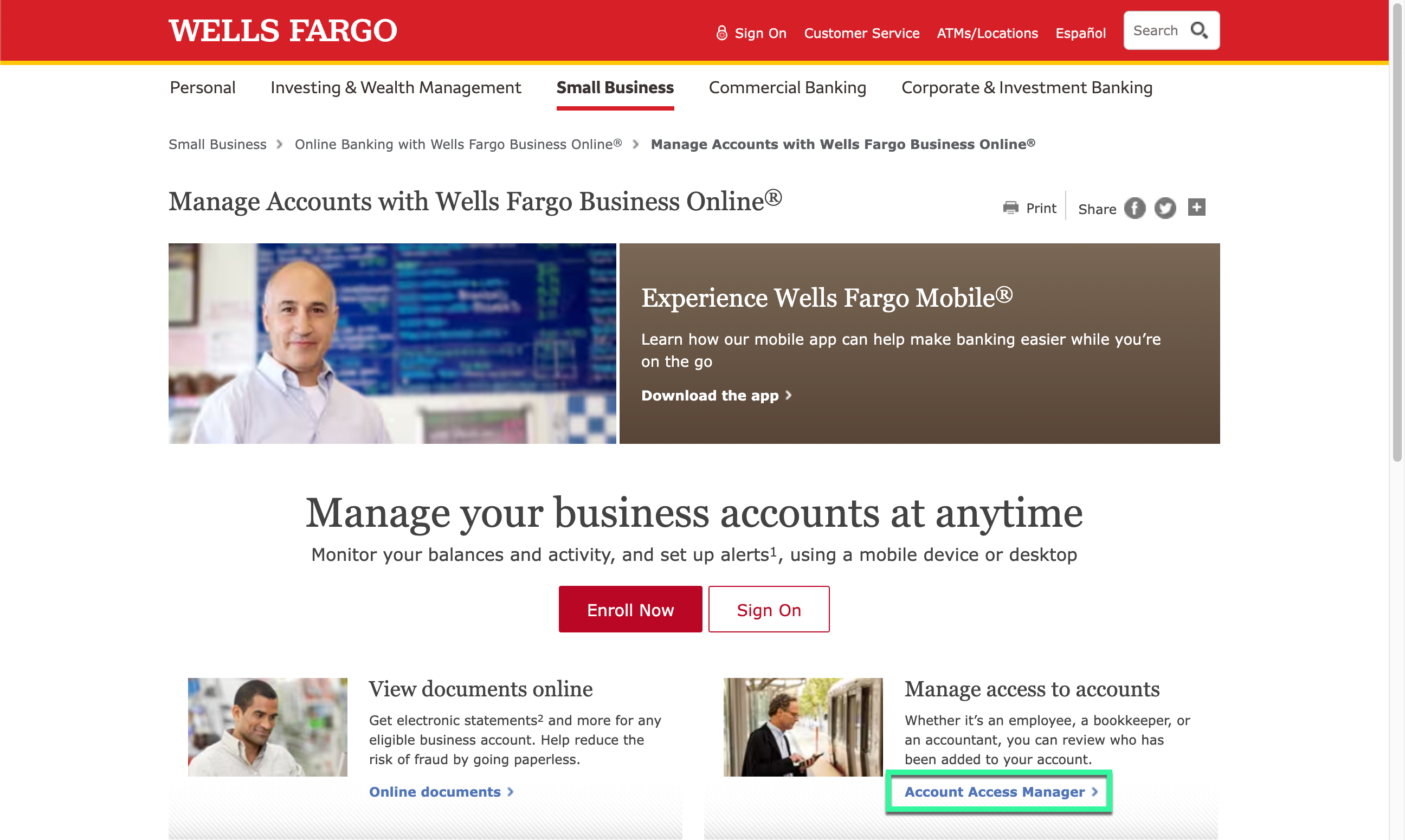
- Set Up Online Access: Once the account is open, enroll in online banking and download the mobile app to manage your account from anywhere.
Beyond Account Opening: Maximizing Your Wells Fargo Experience
Opening the account is just the beginning. To truly leverage your Wells Fargo relationship and streamline your personal finance, it’s essential to utilize the tools and services available.
Setting Up Direct Deposit and Bill Pay
These two features are cornerstones of efficient money management:
- Direct Deposit: Arrange for your paycheck, government benefits, or other recurring income to be deposited directly into your Wells Fargo account. This eliminates trips to the bank, ensures timely access to funds, and often helps waive monthly fees on checking accounts. You’ll typically need to provide your employer with your Wells Fargo account number and routing number.
- Online Bill Pay: Set up recurring payments for utilities, rent, loans, and other bills directly from your Wells Fargo online banking portal. This helps avoid late fees, simplifies budgeting, and provides a clear record of your expenditures.
Leveraging Online and Mobile Banking Tools
Wells Fargo invests heavily in its digital platforms. Make the most of them:
- Mobile App: Access your account balances, transfer funds, pay bills, deposit checks via mobile capture, and find ATMs or branches. Many apps also offer budgeting tools and alerts.
- Online Banking Portal: A more comprehensive version of the mobile app, allowing you to view detailed transaction history, set up alerts, manage statements, categorize spending, and access financial planning tools.
- Zelle®: Wells Fargo integrates Zelle, a popular peer-to-peer payment service, allowing you to quickly send and receive money with friends and family using just their email address or phone number.
Understanding Account Management and Support
Effective money management also means knowing how to manage your account and access support when needed:
- Account Alerts: Set up alerts for low balances, large transactions, or specific activities to stay informed and prevent overdrafts or fraud.
- Statements: Opt for paperless statements for convenience and environmental benefits. Regularly review your statements for accuracy and to track your spending.
- Customer Service: Know how to contact Wells Fargo for support – whether by phone, secure message through online banking, or by visiting a branch.
- Overdraft Protection: Understand Wells Fargo’s overdraft policies and consider linking a savings account or a line of credit to your checking account to cover potential overdrafts, which can save you from hefty fees.
Exploring Additional Financial Products
Once you have a primary banking relationship, Wells Fargo can serve as a hub for other financial needs:
- Credit Cards: Explore their range of credit cards, which can help build credit history and offer rewards.
- Loans and Lines of Credit: From personal loans to mortgages and auto loans, having an existing relationship can sometimes streamline the application process for other credit products.
- Investments: Wells Fargo Advisors offers investment services for those looking to grow their wealth beyond basic savings.
Making an Informed Financial Decision
Opening a Wells Fargo account is a straightforward process when approached with preparation and understanding. By carefully considering your financial needs, gathering the necessary documentation, and utilizing the bank’s extensive tools, you can establish a robust financial foundation. Remember that choosing a bank account is a significant personal finance decision. Research, compare, and select an option that not only meets your immediate needs but also supports your long-term financial goals and overall money management strategy.
aViewFromTheCave is a participant in the Amazon Services LLC Associates Program, an affiliate advertising program designed to provide a means for sites to earn advertising fees by advertising and linking to Amazon.com. Amazon, the Amazon logo, AmazonSupply, and the AmazonSupply logo are trademarks of Amazon.com, Inc. or its affiliates. As an Amazon Associate we earn affiliate commissions from qualifying purchases.