
In an increasingly complex financial world, the question “how do I manage my money?” resonates with individuals across all walks of life. From recent graduates navigating their first paychecks to seasoned professionals planning for retirement, effective money management is the cornerstone of financial security, freedom, and the ability to achieve life’s aspirations. It’s not merely about having money; it’s about understanding its flow, making it work for you, and aligning your financial decisions with your personal goals. This comprehensive guide will demystify the process, offering actionable strategies to take control of your financial destiny, build wealth, and cultivate lasting financial well-being.
The Foundation of Financial Wellness: Understanding Your Current State
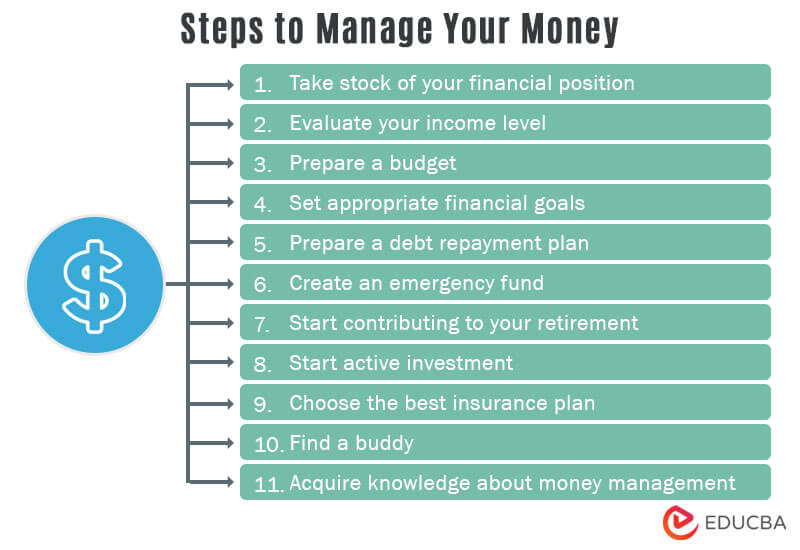
Before you can chart a course for where you want to go, you must first understand where you currently stand. This initial phase is about gaining clarity on your financial landscape, identifying strengths, and pinpointing areas that require attention. It’s the critical self-assessment that empowers informed decision-making.
Tracking Income and Expenses: Where Does Your Money Go?
The first and most fundamental step in money management is to meticulously track your income and expenses. Many people are surprised to discover how much they spend on non-essentials once they see the numbers laid out. This exercise reveals spending patterns, identifies potential “money leaks,” and provides a realistic picture of your disposable income.
Start by listing all sources of income – your salary, freelance earnings, passive income, etc. Then, categorize your expenses. A simple approach is to distinguish between fixed expenses (rent/mortgage, loan payments, insurance premiums) and variable expenses (groceries, entertainment, dining out, transport). You can use a spreadsheet, budgeting app (like Mint, YNAB, Personal Capital), or even a pen and paper. The goal isn’t to judge your spending, but to gain objective insight. Consistent tracking over a few months will reveal clear trends and highlight where adjustments can be made without feeling deprived.
Assessing Your Debt Profile: Good Debt vs. Bad Debt
Debt is not inherently bad, but understanding its nature and impact is crucial. Good debt, typically associated with investments that can grow in value or generate income (like a mortgage on a primary residence or student loans for a valuable education), can be a strategic tool. Bad debt, on the other hand, often involves high-interest rates on depreciating assets or consumption (credit card debt, personal loans for non-essential purchases).
Take stock of all your debts: credit cards, student loans, car loans, mortgage, personal loans. Note down the principal amount, interest rate, and minimum monthly payment for each. Prioritizing the elimination of high-interest “bad debt” will significantly free up your cash flow and reduce the burden of interest payments over time. A clear picture of your debt profile is essential for formulating an effective repayment strategy.
Understanding Your Net Worth: A Snapshot of Your Financial Health
Your net worth is a holistic measure of your financial health, representing the sum of all your assets minus all your liabilities. Assets include everything you own that has monetary value – cash in accounts, investments, real estate, vehicles, and even valuable collectibles. Liabilities encompass all your debts.
Calculating your net worth periodically (e.g., quarterly or annually) provides a powerful benchmark for your financial progress. A positive and growing net worth indicates that your financial strategies are working. Even if your net worth is currently negative, tracking it allows you to see improvements as you pay down debt and accumulate assets. It’s a compelling motivator and a true measure of your accumulated wealth over time.
Building a Robust Budget: Your Financial Roadmap
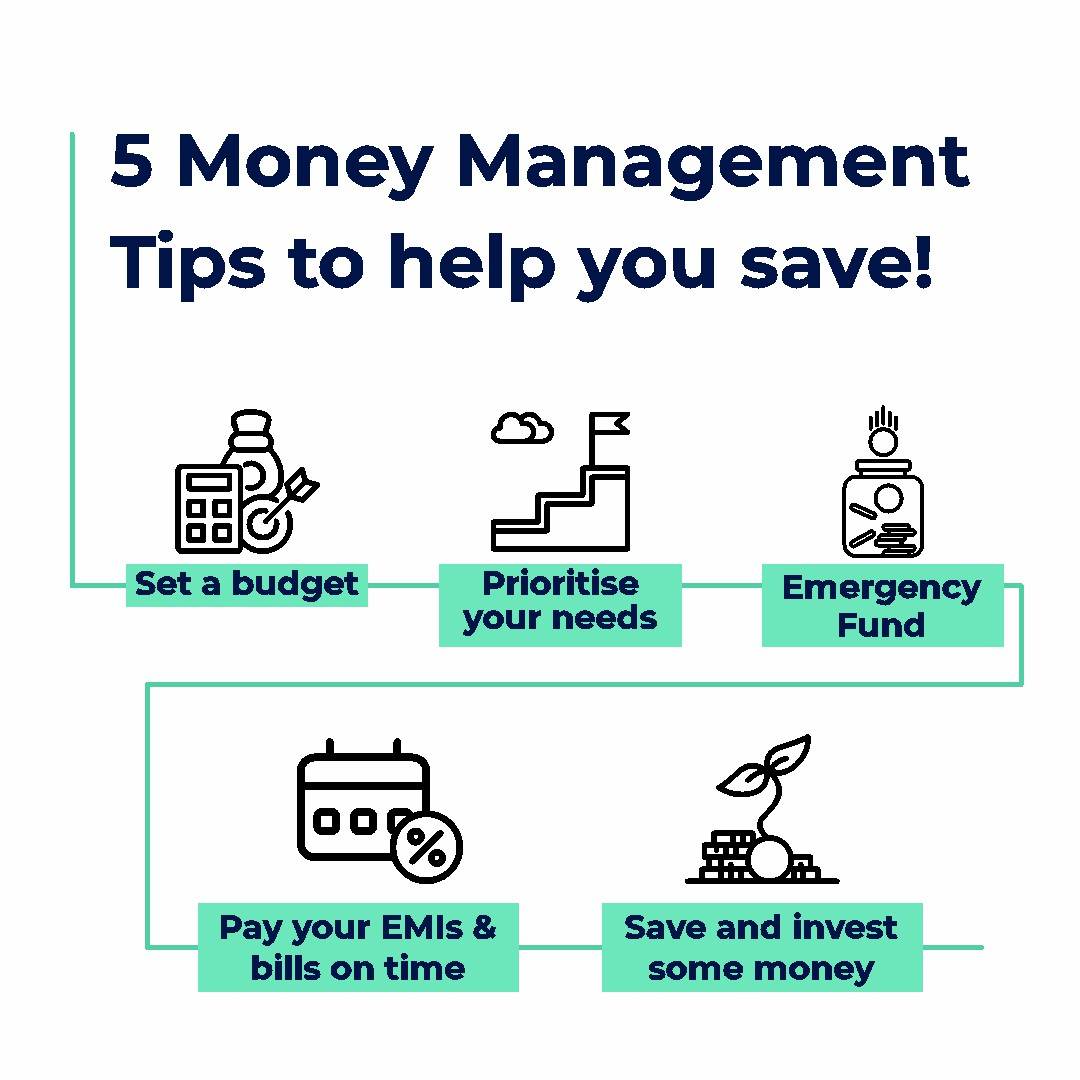
Once you have a clear understanding of your current financial situation, the next step is to create a budget. A budget isn’t a restrictive set of rules designed to limit your enjoyment; rather, it’s a proactive plan that allocates your income to cover expenses, save for goals, and manage debt. It’s your financial roadmap, guiding you towards your desired destination.
Choosing the Right Budgeting Method
There’s no one-size-fits-all budgeting method. The best approach is one you can stick with consistently.
- The 50/30/20 Rule: This popular method allocates 50% of your after-tax income to Needs (housing, utilities, groceries, transportation), 30% to Wants (dining out, entertainment, hobbies), and 20% to Savings & Debt Repayment. It offers a simple framework for broad allocation.
- Zero-Based Budgeting: With this method, every dollar of your income is assigned a “job” (expense, saving, debt payment) until your income minus your expenses equals zero. This ensures intentionality with every dollar and prevents aimless spending.
- The Envelope System: A classic, tactile approach, especially for variable expenses. You allocate a set amount of cash for categories like groceries, entertainment, or dining, and once the cash in the envelope is gone, you stop spending in that category until the next budget cycle.
Experiment with different methods to find what resonates with your personality and financial habits. The key is to be consistent and realistic.
Setting Realistic Financial Goals
A budget is most effective when it’s tied to meaningful financial goals. These goals provide purpose and motivation for your money management efforts. Categorize them:
- Short-Term Goals (within 1-2 years): Building an emergency fund, paying off a credit card, saving for a vacation or a down payment on a car.
- Mid-Term Goals (3-5 years): Saving for a larger down payment on a home, funding a child’s education, starting a small business.
- Long-Term Goals (5+ years): Retirement planning, significant wealth building, paying off your mortgage.
Ensure your goals are SMART: Specific, Measurable, Achievable, Relevant, and Time-bound. Break large goals into smaller, manageable steps. Seeing progress towards these goals is incredibly motivating and reinforces good financial habits.
Automating Savings and Bill Payments
One of the most powerful strategies for effective money management is automation. By setting up automatic transfers from your checking account to your savings, investment, and debt repayment accounts immediately after you get paid, you prioritize your financial health. This “pay yourself first” principle ensures that your savings and investments grow consistently, almost effortlessly.
Similarly, automate bill payments for fixed expenses like rent, utilities, and loan installments. This prevents missed payments, late fees, and potential damage to your credit score. Automation removes the mental burden and reduces the likelihood of human error, making your financial life smoother and more efficient.
Strategic Debt Management and Elimination
Debt can be a significant impediment to financial progress, particularly high-interest consumer debt. Developing a strategic plan for managing and eliminating debt is paramount to freeing up cash flow and accelerating wealth accumulation.
Prioritizing High-Interest Debt
When tackling multiple debts, it’s crucial to have a method. Two popular strategies are:
- Debt Avalanche: This method focuses on paying off debts with the highest interest rates first, while making minimum payments on all other debts. Once the highest-interest debt is cleared, you take the money you were paying on it and apply it to the next highest-interest debt. This approach saves you the most money on interest over time.
- Debt Snowball: This method prioritizes paying off the smallest debt first, while making minimum payments on all others. Once the smallest debt is cleared, you apply that payment amount to the next smallest debt. This method provides psychological wins early on, which can be highly motivating, though it may cost more in interest over the long run.
Choose the method that best fits your personality and motivation. The key is consistency and commitment.
Exploring Debt Consolidation and Refinancing Options
For those with significant high-interest debt, particularly across multiple credit cards, debt consolidation or refinancing might be viable options.
- Debt Consolidation: This involves taking out a new loan (often a personal loan or balance transfer credit card with a lower interest rate) to pay off multiple existing debts. This simplifies your payments into one monthly bill and can potentially reduce your overall interest payments.
- Refinancing: This is often applied to mortgages or student loans, where you replace an existing loan with a new one that has more favorable terms, such as a lower interest rate or a different repayment period.
Always compare interest rates, fees, and terms carefully before pursuing these options to ensure they genuinely benefit your financial situation.
Building an Emergency Fund: Your Financial Safety Net
Before aggressively tackling all debt beyond high-interest liabilities, establishing an emergency fund is critical. This fund acts as a financial safety net, protecting you from unforeseen expenses like job loss, medical emergencies, or car repairs without having to resort to credit cards or high-interest loans.
Aim to save at least three to six months’ worth of essential living expenses in an easily accessible, separate savings account. This fund provides peace of mind and prevents minor crises from spiraling into major financial setbacks, allowing your debt repayment and investment strategies to continue uninterrupted.
Smart Investing for Future Growth
Once you’ve established a solid financial foundation, managed your debt, and built an emergency fund, the next step is to make your money work harder for you through investing. Investing is crucial for wealth creation, outpacing inflation, and achieving long-term financial goals like retirement.
Understanding Investment Basics
The world of investing can seem daunting, but starting with the fundamentals makes it accessible.
- Stocks: Represent ownership in a company. They offer potential for high returns but also come with higher risk.
- Bonds: Essentially loans made to a company or government, offering lower risk and typically lower returns than stocks.
- Mutual Funds & ETFs (Exchange-Traded Funds): These are diversified portfolios of stocks, bonds, or other assets managed by professionals (mutual funds) or traded like stocks (ETFs). They offer diversification without needing to pick individual securities.
- Real Estate: Can provide rental income and appreciation, but requires significant capital and management.
Start by understanding your risk tolerance. Are you comfortable with potential market fluctuations for higher returns, or do you prefer a more conservative, stable growth path? Your investment strategy should align with your comfort level and financial goals.
Diversification: Spreading Your Risk
A core principle of smart investing is diversification. This means spreading your investments across different asset classes, industries, and geographic regions to reduce risk. The adage “don’t put all your eggs in one basket” holds true in investing. If one investment performs poorly, others in your diversified portfolio may perform well, cushioning the impact. For beginners, investing in diversified funds like index funds or ETFs is an excellent way to achieve broad market exposure without the complexity of individual stock picking.
Retirement Planning: Starting Early and Maximizing Contributions
Retirement planning is arguably the most critical long-term investment goal. The power of compound interest means that the earlier you start, the less you need to save each month to reach your goals.
- Employer-Sponsored Plans (401(k), 403(b)): Maximize contributions, especially if your employer offers a matching contribution – it’s essentially free money.
- Individual Retirement Accounts (IRAs): Traditional and Roth IRAs offer tax advantages and flexibility for retirement savings.
- Health Savings Accounts (HSAs): If eligible, HSAs offer a triple tax advantage (tax-deductible contributions, tax-free growth, tax-free withdrawals for qualified medical expenses) and can serve as an additional retirement savings vehicle.
Understand the tax implications and contribution limits of each account. Consult with a financial advisor to create a personalized retirement strategy.
Utilizing Financial Tools and Advisors
The digital age offers a plethora of financial tools, from budgeting apps and investment platforms (like Fidelity, Vanguard, Charles Schwab) to robo-advisors (Betterment, Wealthfront) that automate investment management. These tools can simplify tracking, analysis, and execution of your financial plan.
For more complex situations or if you prefer personalized guidance, consider consulting a certified financial planner. A good advisor can help you define goals, create a comprehensive financial plan, optimize investments, and navigate tax implications, providing expert insights tailored to your unique circumstances.
Cultivating Lasting Financial Habits and Protecting Your Assets
Money management is an ongoing journey, not a one-time event. Cultivating good financial habits and taking steps to protect your assets are crucial for sustained financial health and resilience against life’s uncertainties.
Regular Financial Reviews and Adjustments
Your financial life isn’t static. Life changes – a new job, marriage, children, unexpected expenses, market shifts – all necessitate adjustments to your financial plan. Schedule regular financial reviews, perhaps quarterly or annually, to:
- Revisit your budget: Is it still realistic and effective?
- Check progress on your goals: Are you on track?
- Review your investments: Are they performing as expected? Do they still align with your risk tolerance?
- Assess your debt: Are you making progress on elimination?
These reviews allow you to adapt your strategy, celebrate successes, and address any emerging challenges proactively.
Protecting Your Future: Insurance and Estate Planning
While building wealth is essential, protecting it is equally important.
- Insurance: Adequate insurance coverage is your first line of defense against financial catastrophe. This includes health insurance (critical), car insurance, home/renters insurance, life insurance (especially if you have dependents), and disability insurance. Review your policies periodically to ensure they meet your current needs.
- Estate Planning: Though often overlooked until later in life, basic estate planning is crucial. A will ensures your assets are distributed according to your wishes. Powers of attorney designate someone to make financial or healthcare decisions on your behalf if you become incapacitated. These documents provide peace of mind and protect your loved ones from potential legal and financial complications during difficult times.

Continuous Learning and Adapting to Change
The financial landscape is constantly evolving. New investment opportunities, economic shifts, and changes in tax laws are perennial. Commit to continuous learning – read financial books, follow reputable financial news sources, attend webinars, or take online courses. Stay informed, remain flexible, and be prepared to adapt your strategies as circumstances change. Financial literacy is an ongoing pursuit that empowers you to make smarter decisions throughout your life.
Managing your money effectively is a powerful journey of self-discovery and discipline. It’s about empowering yourself to make intentional choices that lead to security, freedom, and the ability to live the life you envision. By understanding your current financial state, building a robust budget, strategically managing debt, investing wisely, and cultivating enduring financial habits, you can confidently answer the question, “how do I manage my money?” with a clear, actionable plan for success.
aViewFromTheCave is a participant in the Amazon Services LLC Associates Program, an affiliate advertising program designed to provide a means for sites to earn advertising fees by advertising and linking to Amazon.com. Amazon, the Amazon logo, AmazonSupply, and the AmazonSupply logo are trademarks of Amazon.com, Inc. or its affiliates. As an Amazon Associate we earn affiliate commissions from qualifying purchases.