
The transition from a passive observer of the financial markets to an active investor is often marked by a single, daunting question: how do I actually choose a stock? With thousands of publicly traded companies spanning dozens of industries, the sheer volume of data can lead to analysis paralysis. However, successful investing is rarely about finding a “secret” tip or chasing the latest viral trend. Instead, it is the result of a disciplined, repeatable framework that combines quantitative analysis, qualitative assessment, and a clear understanding of one’s own financial goals.
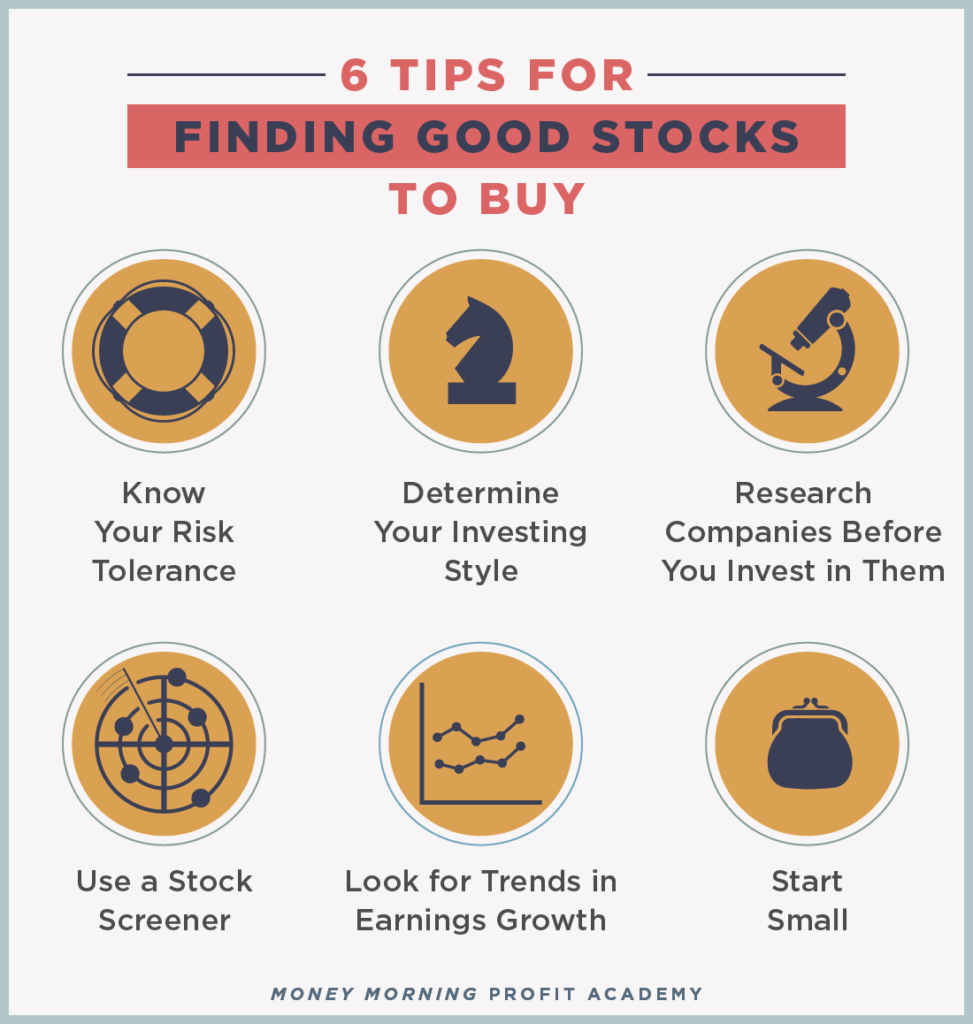
To determine which stocks deserve a place in your portfolio, you must move beyond the noise of daily price fluctuations and focus on the underlying health and potential of the businesses themselves. This guide outlines a comprehensive approach to stock selection, providing the tools necessary to filter through the noise and identify long-term value.
Analyzing the Core Financials: The Quantitative Screening Process
Before investing a single dollar, you must understand the financial engine that powers a company. Quantitative analysis involves looking at the hard numbers—the data found in income statements, balance sheets, and cash flow statements—to determine if a company is profitable, efficient, and financially stable.
The Power of Earnings and Revenue Growth
The most fundamental driver of a stock’s price over the long term is its ability to generate profit. Investors should look for consistent revenue growth, which indicates that the company is expanding its market share or operating in a growing industry. However, revenue is only part of the story. You must also examine Earnings Per Share (EPS). A company that grows revenue but fails to increase its net income may be struggling with rising costs or inefficient operations. Look for a track record of “bottom-line” growth over a three-to-five-year period to ensure the business model is scalable and sustainable.
Valuation Metrics: Finding the Right Price
Knowing a company is “good” isn’t enough; you must also determine if the stock is priced fairly. The Price-to-Earnings (P/E) ratio is the most common tool for this. It compares the stock price to the company’s annual earnings. A high P/E might suggest the market expects massive future growth, while a low P/E could indicate the stock is undervalued—or that the company is in trouble. To get a clearer picture, compare a company’s P/E to its historical average and to the average of its industry peers. Other vital metrics include the Price-to-Sales (P/S) ratio for early-stage companies and the Price-to-Book (P/B) ratio for capital-intensive industries like banking or manufacturing.
Debt and Cash Flow Health
A company can have great products but still fail if it is buried under debt. Examine the Debt-to-Equity ratio to see how much of the company’s growth is fueled by borrowing. High debt levels become particularly dangerous when interest rates rise. Complement this by looking at Free Cash Flow (FCF). Unlike “accounting earnings,” FCF represents the actual cash a company has left over after paying for operating expenses and capital expenditures. FCF is the lifeblood of a business; it is used to pay dividends, buy back shares, and reinvest in new technology.
Looking Beyond the Numbers: Identifying a Competitive Moat
While the numbers tell you where a company has been, qualitative analysis helps you predict where it is going. Warren Buffett famously coined the term “Economic Moat” to describe a business’s ability to maintain competitive advantages over its rivals in order to protect its long-term profits and market share.
Brand Equity and Pricing Power
One of the strongest moats a company can possess is a powerful brand. When consumers are willing to pay a premium for a product simply because of the logo it carries, that company possesses “pricing power.” Pricing power allows a business to pass on increased costs (such as inflation) to the consumer without losing significant sales volume. If you are looking for a stock to hold for a decade, look for companies that offer products or services that people consider indispensable or culturally significant.
The Network Effect and Switching Costs
In the modern economy, the “network effect” is a massive driver of value. This occurs when a product or service becomes more valuable as more people use it. Think of social media platforms or payment processing networks. Once a company reaches a critical mass of users, it becomes incredibly difficult for a competitor to displace them. Similarly, look for high “switching costs.” If it is too expensive, time-consuming, or technically difficult for a customer to move to a competitor, the incumbent company has a built-in layer of protection for its revenue streams.
Management Quality and Corporate Governance
When you buy a stock, you are essentially hiring the CEO and the board of directors to manage your capital. Research the leadership team’s track record. Have they historically made smart acquisitions, or have they wasted shareholder money on “diworsification”? Look for “skin in the game”—executives who own a significant amount of company stock are more likely to make decisions that benefit long-term shareholders rather than focusing on short-term quarterly bonuses.

Aligning Stocks with Your Specific Investment Strategy
Not every “good” stock is the right stock for your portfolio. Your selection process must be filtered through your individual risk tolerance, time horizon, and financial objectives.
Growth Investing for Capital Appreciation
If you have a long time horizon—twenty years or more—and can stomach significant price swings, you may focus on growth stocks. These are typically companies in the technology, biotech, or renewable energy sectors that reinvest all their profits back into the business to fuel rapid expansion. While these stocks rarely pay dividends and can be highly volatile, they offer the potential for exponential returns. When selecting growth stocks, focus on the “Total Addressable Market” (TAM) to ensure the company has enough room to grow.
Value Investing: Finding the Bargain
Value investors look for “stocks on sale.” These are often established companies that have fallen out of favor with the market due to temporary setbacks or broader economic fears. The goal is to buy the stock at a price significantly below its “intrinsic value.” This requires patience and a contrarian mindset. You are betting that the market has overreacted and that the stock price will eventually rise to reflect the company’s true worth.
Dividend and Income Investing
For those seeking a steady stream of passive income, particularly retirees or those nearing retirement, dividend-paying stocks are the priority. Look for “Dividend Aristocrats”—companies that have not only paid but increased their dividends for at least 25 consecutive years. In this category, the “Dividend Payout Ratio” is a critical metric. It tells you what percentage of earnings are being paid out as dividends. A ratio that is too high (above 75-80%) may suggest the dividend is unsustainable if earnings take a hit.
Risk Management and the Importance of Diversification
The final step in knowing which stocks to invest in is knowing how they fit together. Even the most rigorous analysis can be undone by unforeseen “black swan” events. Therefore, your selection process must be coupled with a strategy for risk mitigation.
Sector Exposure and Correlation
A common mistake among new investors is over-concentrating in a single sector. If you only buy tech stocks because you understand the industry, your entire portfolio will plummet if the tech sector faces regulatory headwinds or a valuation reset. A robust portfolio should include a mix of sectors—such as healthcare, consumer staples, industrials, and financials—that do not move in perfect lockstep with one another. This ensures that a downturn in one area of the economy doesn’t devastate your entire net worth.
The Role of Index Funds and ETFs
For many, the best way to “invest in stocks” is not to pick individual companies at all, but to invest in the entire market through low-cost Index Funds or Exchange-Traded Funds (ETFs). If you find that you do not have the time or interest to read quarterly 10-K filings and analyze balance sheets, an S&P 500 index fund provides instant diversification and historically reliable returns. Many successful investors use a “core and satellite” approach: keeping the majority of their money in broad index funds while picking a few individual stocks they feel strongly about for the “satellite” portion of their portfolio.
Knowing When to Sell
Knowing when to buy is only half the battle; you must also have a criteria for when to exit a position. Do not sell simply because the price went down; volatility is a natural part of the market. Instead, sell when the original “thesis” for the investment has changed. If a company loses its competitive moat, if management begins making reckless decisions, or if the financials show a permanent decline in margins, it is time to move your capital elsewhere.
Maintaining a Long-Term Perspective
The stock market is a device for transferring money from the impatient to the patient. Knowing which stocks to invest in requires a shift in mindset: you are not trading tickers on a screen; you are buying partial ownership in a living, breathing business.
By combining the quantitative rigor of financial ratios with the qualitative insight of competitive moats, and by aligning those choices with your personal financial goals, you can build a portfolio that withstands market cycles. Successful stock picking is not about being right 100% of the time. It is about having a process that favors high-probability outcomes and having the discipline to stay the course when the market gets noisy. Investment success is a marathon, not a sprint, and the best time to start refining your selection process is today.
aViewFromTheCave is a participant in the Amazon Services LLC Associates Program, an affiliate advertising program designed to provide a means for sites to earn advertising fees by advertising and linking to Amazon.com. Amazon, the Amazon logo, AmazonSupply, and the AmazonSupply logo are trademarks of Amazon.com, Inc. or its affiliates. As an Amazon Associate we earn affiliate commissions from qualifying purchases.