
The world of stock market investing can appear daunting, a labyrinth of numbers, charts, and financial jargon. For many aspiring investors, the fundamental question, “How do I know what stocks to invest in?” often serves as a significant hurdle, leading to paralysis by analysis or, worse, impulsive decisions driven by hearsay. Yet, successful investing isn’t about clairvoyance or luck; it’s a disciplined process of informed decision-making rooted in understanding your financial landscape, researching companies, and adhering to sound principles. This guide will demystify the process, offering a structured approach to identifying investment opportunities aligned with your personal financial objectives.
Laying the Foundation: Understanding Your Investment Profile
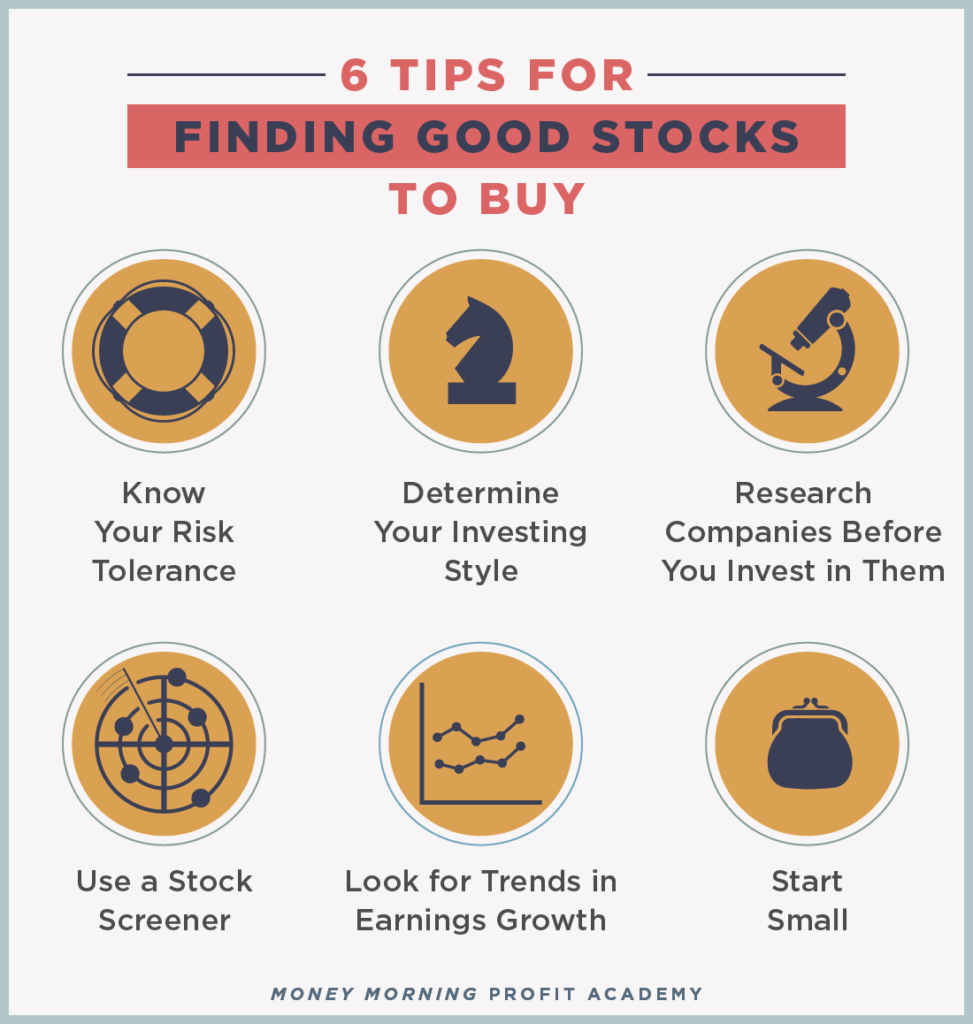
Before you even consider specific companies or market trends, the first and most critical step is to look inward. Your investment journey must be uniquely tailored to your circumstances, goals, and temperament. Without this self-assessment, even the most promising stock pick can lead to anxiety or regret.
Defining Your Financial Goals
What are you investing for? The answer to this question profoundly influences the types of stocks you should consider. Are you saving for a down payment on a house in five years? Planning for retirement in thirty? Building a college fund for your children? Each goal has a different timeline and tolerance for risk.
-
Short-term goals (under 5 years): For these, volatile assets like individual stocks might be too risky. You wouldn’t want a market downturn to jeopardize your home down payment just as you’re ready to buy. Safer, more liquid investments like high-yield savings accounts, Certificates of Deposit (CDs), or short-term bonds might be more appropriate.
-
Medium-term goals (5-15 years): Here, a balanced approach combining stocks with bonds or mutual funds could be suitable, offering growth potential while mitigating some risk.
-
Long-term goals (15+ years): This is where individual stocks and stock-focused funds truly shine. Over extended periods, the stock market has historically outperformed most other asset classes, allowing you to ride out short-term fluctuations and benefit from compounding returns. Knowing your timeline helps filter out inappropriate investment choices from the outset.
Assessing Your Risk Tolerance
Risk tolerance is your psychological comfort level with potential losses in exchange for potential gains. Are you comfortable with significant fluctuations in your portfolio’s value, knowing that it might recover and grow over time, or would even a small dip cause you sleepless nights?
-
Aggressive investors: Tend to be comfortable with higher risk in pursuit of higher returns. They might allocate a larger portion of their portfolio to growth stocks, emerging markets, or smaller companies with high growth potential but also higher volatility.
-
Moderate investors: Seek a balance between growth and capital preservation. Their portfolios might include a mix of established blue-chip companies, dividend stocks, and some bonds.
-
Conservative investors: Prioritize capital preservation and stability over aggressive growth. They typically favor dividend-paying stocks, large-cap stable companies, and a significant allocation to bonds or cash equivalents.
Understanding your risk tolerance prevents emotional selling during market downturns, which is often detrimental to long-term returns. If a stock’s volatility is too much for you, it’s not the right investment, regardless of its potential.
Understanding Your Investment Horizon
Closely related to financial goals, your investment horizon is the length of time you plan to hold your investments before needing access to the funds. A longer horizon provides more time for investments to recover from downturns and to compound returns, allowing for greater exposure to equities. A shorter horizon demands a more conservative approach. For example, a young investor saving for retirement has a very long horizon and can afford to take on more risk in growth-oriented stocks, while someone nearing retirement with a short horizon might shift towards income-generating and less volatile assets.
Fundamental Analysis: Decoding Company Health
Once you understand your personal investment parameters, the next step is to evaluate potential companies. This involves fundamental analysis, a method of evaluating a security by attempting to measure its intrinsic value, by examining related economic, financial, and other qualitative and quantitative factors.
The Importance of Research
Never invest in something you don’t understand. Blindly following tips or market hype is a recipe for disaster. Thorough research means delving into a company’s business model, competitive landscape, management, and financial health. This goes beyond reading headlines; it involves scrutinizing financial statements and understanding industry dynamics.
Key Financial Metrics
Quantitative analysis involves examining a company’s financial statements (income statement, balance sheet, cash flow statement) to assess its performance, health, and valuation.
-
Revenue and Earnings Growth: Look for consistent growth in a company’s top line (revenue) and bottom line (earnings per share). Consistent growth often indicates a healthy, expanding business. Avoid companies with erratic or declining revenue and earnings unless there’s a clear turnaround story you deeply understand.
-
Profit Margins (Gross, Operating, Net): These indicate how efficiently a company converts revenue into profit. Healthy and stable or improving margins suggest good cost management and pricing power. Declining margins can signal increasing competition or operational inefficiencies.
-
Debt-to-Equity Ratio: This metric assesses a company’s financial leverage, indicating how much debt it uses to finance its assets relative to the value of shareholders’ equity. A high ratio can signal higher risk, as the company may struggle to service its debt, especially during economic downturns. Look for a manageable ratio relative to industry peers.
-
Price-to-Earnings (P/E) Ratio: The P/E ratio is a common valuation metric that compares a company’s current share price to its earnings per share. A high P/E might suggest investors expect high future growth, but it could also indicate overvaluation. Conversely, a low P/E might suggest undervaluation or reflect investor concerns about the company’s future. It’s most useful when comparing a company to its historical P/E, industry average, and competitors.
-
Return on Equity (ROE): ROE measures how much profit a company generates for each dollar of shareholders’ equity. A consistently high ROE indicates efficient use of shareholder investments to generate profits, which is a hallmark of a well-managed and profitable company.
Industry Analysis and Competitive Advantage (Moat)
Beyond individual company numbers, understanding the industry in which a company operates is crucial. Is the industry growing or shrinking? What are the barriers to entry? Who are the key competitors?
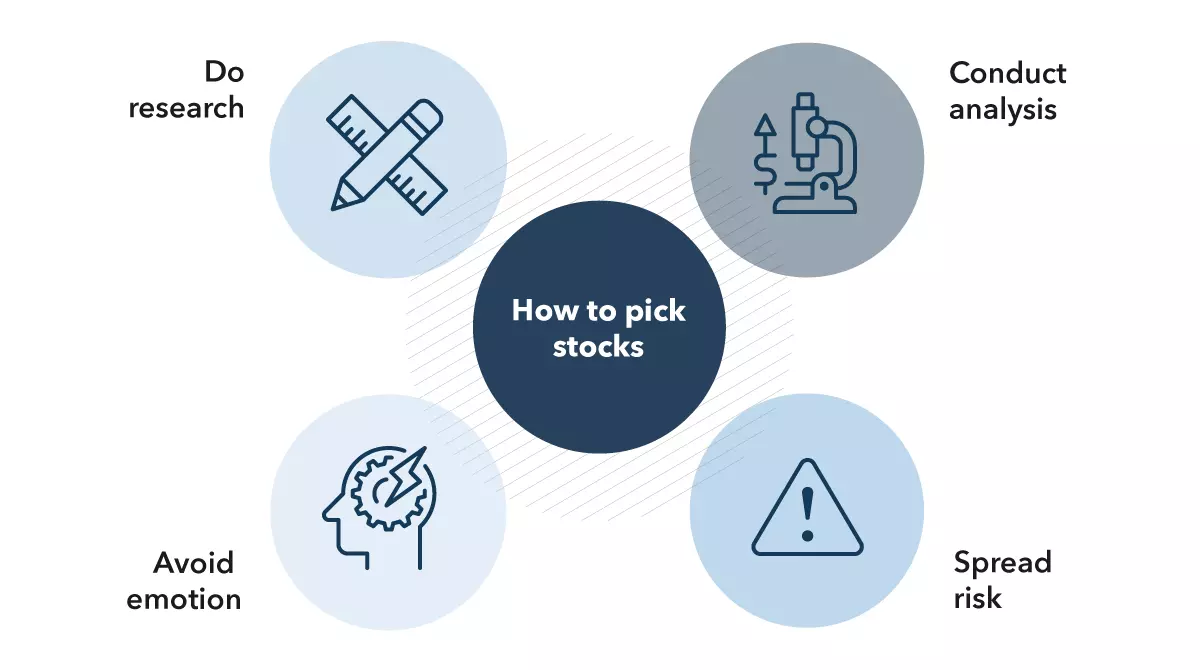
A sustainable competitive advantage, often referred to as an “economic moat” by Warren Buffett, is what allows a company to protect its profits and market share from competitors. This could be:
-
Brand strength: Apple, Coca-Cola.
-
Network effects: Facebook, Visa.
-
Cost advantages: Walmart, Costco.
-
Patents or proprietary technology: Many pharmaceutical or tech companies.
-
Regulatory advantages: Utilities.
Investing in companies with strong moats offers a greater margin of safety and a higher probability of long-term success.
Beyond Numbers: Qualitative Factors and Market Dynamics
While financial metrics provide a quantitative snapshot, qualitative factors offer deeper insights into a company’s long-term viability and potential.
Management Team and Corporate Governance
A company is only as good as its leadership. Evaluate the management team’s experience, track record, integrity, and strategic vision. Look for leaders who are transparent, have a clear understanding of their industry, and whose interests are aligned with shareholders (e.g., through significant ownership stakes in the company). Strong corporate governance – the system of rules, practices, and processes by which a company is directed and controlled – is also vital. This includes independent board members, ethical practices, and clear accountability.
Economic Moats and Competitive Advantages
Revisiting the concept of the economic moat, it’s critical to identify what truly differentiates a company. Does it have pricing power? Is it difficult for new entrants to replicate its product or service? Does it benefit from switching costs that make it hard for customers to leave? These factors contribute to sustained profitability and protect investments from competitive pressures. For instance, a software company with a widely adopted platform benefits from network effects, while a luxury brand leverages its brand equity for higher margins.
Macroeconomic Trends and Sector Outlook
Individual stocks don’t exist in a vacuum. Broader macroeconomic trends – such as interest rate changes, inflation, GDP growth, and consumer spending patterns – can significantly impact industries and companies. For example, rising interest rates can negatively affect growth stocks that rely on future earnings, while an aging population might create tailwinds for healthcare companies. Identifying secular growth trends (long-term, non-cyclical growth drivers) can help pinpoint sectors likely to outperform over decades, regardless of short-term economic fluctuations.
Building Your Portfolio: Strategy and Diversification
Once you’ve identified potential individual stocks, the final step is to integrate them into a coherent investment strategy and build a diversified portfolio.
Diversification is Key
The old adage “don’t put all your eggs in one basket” is the cornerstone of prudent investing. Diversification means spreading your investments across various assets, industries, geographies, and market capitalizations (large-cap, mid-cap, small-cap) to reduce overall risk. If one sector or company performs poorly, the impact on your entire portfolio is mitigated by the performance of others. While diversification doesn’t guarantee profits or protect against loss in a declining market, it significantly reduces idiosyncratic risk – the risk specific to a particular company or industry.
Investment Strategies
Different investors adopt different strategies:
-
Growth Investing: Focuses on companies expected to grow at an above-average rate compared to other companies in the market. These stocks often have high P/E ratios and may not pay dividends, as they reinvest earnings back into the business for expansion.
-
Value Investing: Involves finding companies that are currently trading below their intrinsic value, often characterized by low P/E ratios, high dividend yields, and strong balance sheets. Value investors believe the market has temporarily mispriced these stocks and will eventually recognize their true worth.
-
Dividend Investing: Centers on companies that regularly pay out a portion of their earnings to shareholders as dividends. These are often mature, stable companies that provide a steady income stream in addition to potential capital appreciation.
-
Index Investing: While not focused on individual stocks, it’s a popular strategy that involves investing in an entire market index (like the S&P 500) through ETFs or mutual funds, providing broad diversification and market-average returns without picking individual stocks.
Your personal goals and risk tolerance will guide which strategy, or combination thereof, is most appropriate for you.
Dollar-Cost Averaging
For many investors, trying to time the market (buying low and selling high) is incredibly difficult and often unsuccessful. Dollar-cost averaging (DCA) is a simpler, more effective strategy. It involves investing a fixed amount of money at regular intervals (e.g., $100 every month), regardless of the stock’s price. When prices are high, your fixed amount buys fewer shares; when prices are low, it buys more. Over time, this strategy averages out your purchase price and reduces the risk associated with making a large lump-sum investment at an inopportune time.

Monitoring and Rebalancing
Investing is not a “set it and forget it” endeavor. Your portfolio needs regular monitoring and occasional rebalancing.
-
Monitoring: Keep an eye on your investments and the broader market. Are the companies you own still fundamentally sound? Have their competitive advantages eroded? Are there significant changes in their industry or management? This doesn’t mean obsessively checking stock prices daily, but rather conducting periodic reviews (e.g., quarterly or semi-annually).
-
Rebalancing: Over time, some assets in your portfolio may grow faster than others, causing your asset allocation to drift from your target percentages. Rebalancing involves selling some of the assets that have performed well and buying more of those that have lagged (or simply adding new capital to the underperformers) to restore your original asset allocation. This helps maintain your desired risk level and ensures you’re not overexposed to any single asset class.
Knowing what stocks to invest in is a journey, not a destination. It requires self-awareness, diligent research, strategic planning, and a commitment to continuous learning. By systematically approaching the market with a clear understanding of your financial profile, a thorough analysis of companies, and a disciplined investment strategy, you can confidently navigate the complexities and build a robust portfolio poised for long-term growth. Remember, patience and discipline are your greatest allies in the pursuit of financial success.
aViewFromTheCave is a participant in the Amazon Services LLC Associates Program, an affiliate advertising program designed to provide a means for sites to earn advertising fees by advertising and linking to Amazon.com. Amazon, the Amazon logo, AmazonSupply, and the AmazonSupply logo are trademarks of Amazon.com, Inc. or its affiliates. As an Amazon Associate we earn affiliate commissions from qualifying purchases.