
Investing in the stock market can seem daunting, a complex world reserved for financial experts and high-net-worth individuals. However, the reality is far more accessible, and with the right understanding and approach, virtually anyone can participate and build wealth over time. This guide is designed to demystify the process, providing a clear roadmap for beginners and seasoned investors alike to navigate the equities market with confidence and insight. We’ll break down the essentials, from understanding fundamental concepts to choosing your investment vehicles and managing your portfolio for long-term success.
Understanding the Foundation of Stock Market Investing
Before you commit your first dollar, it’s crucial to grasp what the stock market is, why it matters, and the basic principles that govern it. This foundational knowledge will serve as your compass in the dynamic world of investing.
What is the Stock Market?
At its core, the stock market is a collection of exchanges and other venues where buyers and sellers can trade shares of public companies. When you buy a stock, you’re essentially purchasing a tiny piece of ownership in that company. Companies issue stock to raise capital, which they then use to grow their business. The value of these shares fluctuates based on supply and demand, company performance, economic conditions, and investor sentiment. It’s a mechanism that allows companies to fund their expansion and investors to participate in that growth.
Why Invest in Stocks?
The primary reason people invest in stocks is for wealth accumulation. Historically, the stock market has offered higher returns over the long term compared to other asset classes like bonds or savings accounts, providing a powerful hedge against inflation. Investing allows your money to work for you, leveraging the power of compounding—where your earnings generate further earnings—to significantly grow your capital over decades. It also offers the potential for dividend income, where companies distribute a portion of their profits to shareholders.
Key Investment Terminology
Navigating the stock market requires familiarity with a specific vocabulary. Terms like shares (units of ownership), dividends (profit distributions), capital gains (profit from selling stock), market capitalization (total value of a company’s shares), and volatility (degree of price fluctuation) are fundamental. Understanding bull markets (rising prices) and bear markets (falling prices) will also help contextualize market movements and sentiment. A solid grasp of these terms will empower you to understand financial news, analyze company reports, and make informed decisions.
Understanding Risk and Return
Every investment carries some level of risk, and stocks are no exception. The value of your investment can go down as well as up. However, risk is often directly correlated with potential return; higher potential returns typically come with higher risk. It’s vital to understand that “risk” doesn’t just mean losing money; it also encompasses market risk, company-specific risk, and liquidity risk. A crucial aspect of smart investing is assessing your personal risk tolerance—how much volatility you are comfortable with—and aligning your investments accordingly. While past performance is not indicative of future results, a long-term perspective often mitigates short-term market fluctuations.
Preparing for Your Investment Journey
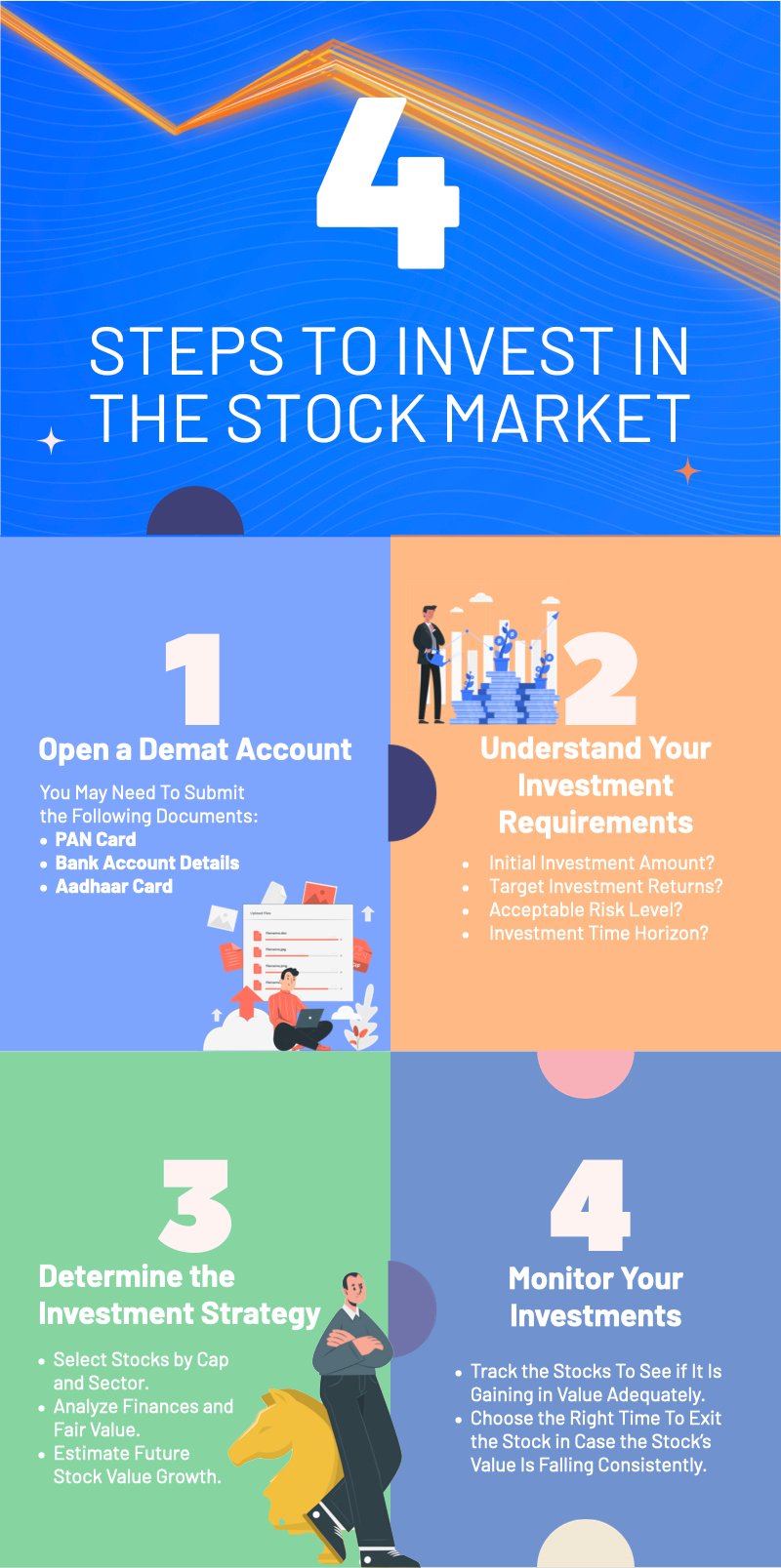
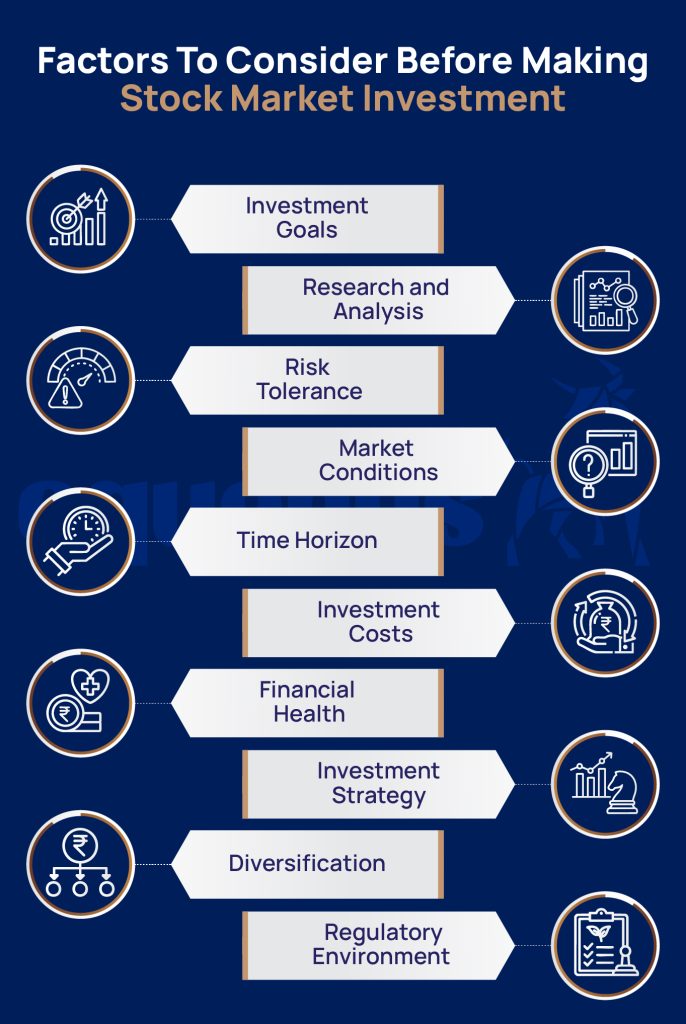
Before you even think about buying your first share, strategic preparation is paramount. This involves setting clear financial objectives, understanding your personal financial landscape, and establishing a robust financial foundation.
Define Your Financial Goals
What do you want your money to achieve? Are you saving for retirement, a down payment on a house, your children’s education, or simply long-term wealth growth? Your financial goals will dictate your investment horizon (how long you plan to invest), your risk tolerance, and the types of investments you choose. Short-term goals (under 5 years) are generally not suitable for aggressive stock market investing due to market volatility, while long-term goals (10+ years) offer more flexibility and resilience. Clearly defined goals provide direction and motivation, helping you stay disciplined during market ups and downs.
Assess Your Risk Tolerance
Your risk tolerance is your psychological comfort level with investment volatility and potential losses. It’s a personal metric influenced by your age, income stability, financial obligations, and personality. A young investor with stable income and a long investment horizon might have a higher risk tolerance, opting for more aggressive growth stocks. Conversely, someone nearing retirement might prefer more conservative, income-generating investments. Be honest with yourself about how you would react to a significant market downturn; understanding this will prevent emotional, rash decisions.
Prioritize an Emergency Fund and Debt Repayment
Before investing, ensure you have a solid financial safety net. An emergency fund, typically 3-6 months’ worth of living expenses saved in a high-yield savings account, is non-negotiable. This fund prevents you from having to sell investments at an inopportune time to cover unexpected expenses. Additionally, high-interest debt, such as credit card debt, should be prioritized for repayment. The interest rates on such debts often exceed potential stock market returns, making debt repayment a more financially prudent “investment.”
Start with What You Can Afford
You don’t need a large sum to begin investing. Many brokerage firms offer accounts with no minimum deposit, and fractional shares (allowing you to buy a portion of a single share) make high-priced stocks accessible to small investors. The key is to start early and invest consistently, even if it’s a small amount. Time in the market is often more important than timing the market. Automating your investments—setting up automatic transfers from your bank account to your brokerage account—is an excellent strategy for consistent contribution and building wealth incrementally.
Choosing Your Investment Path
Once prepared, you’ll need to decide how you want to interact with the market. There are several popular avenues, each with its own level of involvement and associated costs.
Direct Stock Ownership
This involves buying individual shares of specific companies. It requires research into company financials, industry trends, and competitive landscapes. While direct stock ownership offers the highest potential for reward if you pick winners, it also carries the highest risk and demands significant time and effort for due diligence and ongoing monitoring. This path is often favored by investors who enjoy fundamental analysis and have a strong conviction in particular companies.
Mutual Funds and Exchange-Traded Funds (ETFs)
For most investors, especially beginners, mutual funds and ETFs offer a diversified and less hands-on approach.
- Mutual Funds: These are professionally managed portfolios that pool money from many investors to purchase a variety of stocks, bonds, or other securities. They offer built-in diversification and professional management but often come with higher fees (expense ratios) and can only be traded once a day at their net asset value (NAV).
- ETFs: Similar to mutual funds in that they hold a basket of securities, but ETFs trade on stock exchanges like individual stocks throughout the day. They typically have lower expense ratios than actively managed mutual funds and offer greater tax efficiency. ETFs are an excellent choice for broad market exposure, sector-specific investments, or commodities. Both mutual funds and ETFs are powerful tools for diversification without the need to research individual companies.
Robo-Advisors: Automated Investing
Robo-advisors are digital platforms that use algorithms to build and manage diversified portfolios based on your financial goals and risk tolerance. They offer low fees, automatic rebalancing, and tax-loss harvesting, making them an excellent option for hands-off investors or those just starting. Companies like Betterment and Wealthfront are popular examples, providing a sophisticated investment experience with minimal effort on your part.
Brokerage Accounts: Your Gateway to Investing
Regardless of whether you choose individual stocks, mutual funds, ETFs, or even robo-advisors, you’ll need to open an investment account with a brokerage firm. Online brokerages (e.g., Fidelity, Charles Schwab, Vanguard, E*TRADE, Robinhood) offer user-friendly platforms, competitive fees (often zero commissions on stock and ETF trades), and a wide range of investment options. When choosing a brokerage, consider factors like fees, investment selection, research tools, customer service, and ease of use.
Building and Managing Your Portfolio
Once your account is open and funded, the real work begins: constructing and maintaining your investment portfolio. This is an ongoing process that requires discipline and strategic thinking.
Diversification: Don’t Put All Your Eggs in One Basket
Diversification is perhaps the most critical principle in investing. It means spreading your investments across various asset classes, industries, geographic regions, and company sizes to reduce risk. If one investment performs poorly, others may perform well, cushioning the blow to your overall portfolio. Instead of investing solely in tech stocks, for instance, you might also include healthcare, consumer staples, international markets, and bonds. ETFs and mutual funds are excellent tools for achieving broad diversification quickly.
Dollar-Cost Averaging
This strategy involves investing a fixed amount of money at regular intervals (e.g., $100 every month), regardless of market fluctuations. When prices are high, your fixed amount buys fewer shares; when prices are low, it buys more shares. Over time, this averages out your purchase price, reduces the impact of volatility, and removes the emotional temptation to try and “time the market” (which is notoriously difficult, even for professionals).
Rebalancing Your Portfolio
Over time, your portfolio’s original asset allocation (the mix of stocks, bonds, etc.) can drift as different investments perform better or worse. Rebalancing involves periodically adjusting your portfolio back to your target allocation. For example, if stocks have outperformed bonds, you might sell some stocks and buy more bonds to restore your desired ratio. This disciplined approach helps maintain your desired risk level and ensures your portfolio remains aligned with your long-term goals.
Understanding Taxes on Investments
Investment gains are typically subject to taxes. There are two main types:
- Capital Gains Tax: Applies when you sell an investment for a profit. Short-term capital gains (assets held for one year or less) are taxed at your ordinary income tax rate, while long-term capital gains (assets held for more than one year) are taxed at lower, preferential rates.
- Dividend Tax: Dividends received from stocks are also generally taxable income.
Understanding these tax implications can influence your investment decisions, especially when considering tax-advantaged accounts like IRAs (Individual Retirement Accounts) and 401(k)s, which offer tax benefits that can significantly boost your long-term returns.
Key Considerations for Long-Term Success
Investing is a marathon, not a sprint. Success in the stock market is often less about brilliant trading and more about patience, consistency, and a disciplined approach.
The Power of Compounding
Albert Einstein reportedly called compounding the “eighth wonder of the world.” This refers to the process where the returns on your investment also earn returns. Starting early and consistently investing allows your money to compound over decades, dramatically increasing your wealth. Even small contributions made early can accumulate into significant sums over a long investment horizon.
Avoid Market Timing
Trying to predict the market’s short-term movements—buying at the absolute bottom and selling at the absolute top—is a fool’s errand. Even professional investors rarely succeed consistently. Instead, focus on time in the market. Historically, the market has trended upwards over the long term, so consistent investment, regardless of short-term fluctuations, tends to yield better results than trying to guess its next move.
Stay Informed, Not Overwhelmed
While it’s important to understand the basics and keep an eye on your investments, constantly checking stock prices or reacting to every news headline can lead to poor decisions. Focus on broader economic trends, understand the underlying businesses you’re invested in, and stick to your long-term plan. Filter out the noise and avoid emotional trading. A well-diversified portfolio and a long-term outlook can weather most market storms.
Seek Professional Advice When Needed
While this guide provides a solid foundation, individual financial situations can be complex. If you have significant assets, specific tax concerns, or complex financial goals, consulting a qualified financial advisor can be invaluable. A fee-only fiduciary advisor can help create a personalized financial plan, guide your investment strategy, and ensure you stay on track toward your objectives, offering peace of mind and expert guidance tailored to your needs.
Investing in the stock market is a powerful tool for building wealth and securing your financial future. It requires education, discipline, and a long-term perspective. By understanding the fundamentals, preparing diligently, choosing appropriate investment vehicles, and consistently managing your portfolio, you can confidently embark on your investment journey and harness the incredible potential of the stock market.
aViewFromTheCave is a participant in the Amazon Services LLC Associates Program, an affiliate advertising program designed to provide a means for sites to earn advertising fees by advertising and linking to Amazon.com. Amazon, the Amazon logo, AmazonSupply, and the AmazonSupply logo are trademarks of Amazon.com, Inc. or its affiliates. As an Amazon Associate we earn affiliate commissions from qualifying purchases.