
The journey toward financial independence often begins with a single, pivotal question: “How do I invest in stocks?” For many, the stock market appears as a complex, high-stakes arena reserved for Wall Street elites and mathematical geniuses. However, the reality is far more accessible. At its core, investing in stocks is the process of purchasing fractional ownership in companies with the expectation that those companies will grow, innovate, and generate profits over time.
In the modern era, the barriers to entry have never been lower. With the rise of digital brokerages and commission-free trading, anyone with a smartphone and a few dollars can participate in the global economy. Yet, accessibility does not equate to ease. Successful investing requires a blend of patience, strategy, and emotional discipline. This guide explores the fundamental pillars of stock market participation, transforming the daunting task of “buying shares” into a structured roadmap for personal wealth creation.

1. Establishing Your Financial Foundation
Before executing your first trade, it is imperative to ensure your personal finances are robust enough to withstand the inherent volatility of the market. Investing is a long-term game; if you are forced to liquidate your positions during a market downturn because of an unforeseen expense, you risk locking in losses and derailing your financial future.
Assessing Your Risk Tolerance and Time Horizon
Every investor has a unique psychological and financial profile. Your risk tolerance is your ability and willingness to lose some or all of your original investment in exchange for greater potential returns. Generally, younger investors have a longer time horizon, meaning they can afford to weather short-term market crashes because they have decades for the market to recover. Conversely, those nearing retirement may prioritize capital preservation over aggressive growth. Understanding where you sit on this spectrum dictates whether you should lean toward aggressive growth stocks or conservative, dividend-paying companies.
The Necessity of an Emergency Fund
The stock market is not a savings account. It is a liquid but volatile asset class. Before investing, financial experts recommend building an emergency fund containing three to six months of living expenses. This fund should sit in a high-yield savings account, untouched by market fluctuations. By securing this safety net, you ensure that you never have to sell your stocks at an inopportune time to cover a medical bill or a car repair.
Clearing High-Interest Debt
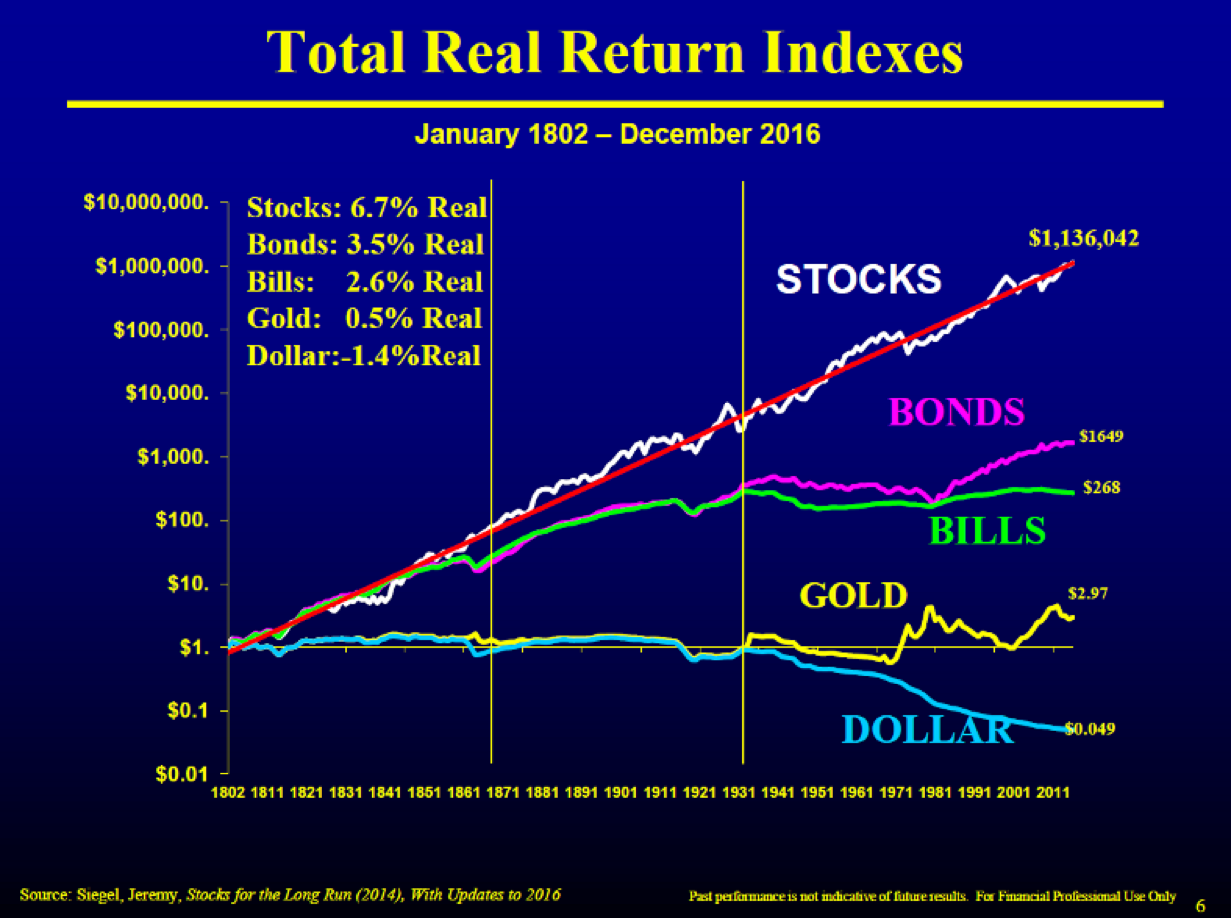
From a purely mathematical standpoint, it rarely makes sense to invest in stocks if you are carrying high-interest debt, such as credit card balances. If the stock market returns an average of 7% to 10% annually, but your credit card is charging you 20% interest, you are effectively losing money. Paying off high-interest debt provides a “guaranteed return” equal to the interest rate you are no longer paying, creating a cleaner slate for your investment capital.
2. Navigating the Investment Landscape: Types of Assets
Once your foundation is set, you must decide what to buy. The “stock market” is an umbrella term for a variety of instruments, each offering different levels of risk and reward.
Individual Stocks vs. Diversified Funds
Investing in individual stocks involves picking specific companies—such as Apple, Amazon, or Tesla—and betting on their specific success. This approach offers the highest potential for “outperforming the market,” but it also carries significant risk. If that specific company fails or faces a scandal, your portfolio takes a direct hit.
For the majority of investors, diversified funds—such as Mutual Funds or Exchange-Traded Funds (ETFs)—are a more prudent starting point. These funds act as a basket of hundreds or even thousands of different stocks. By buying one share of an S&P 500 ETF, you are instantly becoming a partial owner of the 500 largest companies in the United States. This diversification protects you from the failure of any single entity.
The Rise of Index Funds
Index funds are a subset of mutual funds or ETFs that aim to mirror the performance of a specific market benchmark. Because they are passively managed (meaning a human fund manager isn’t picking stocks every day), they have extremely low fees. Historical data suggests that over long periods, passive index funds often outperform the majority of actively managed funds. For the “set it and forget it” investor, index funds are the cornerstone of a sophisticated money management strategy.
Understanding Market Caps and Sectors
When researching stocks, you will encounter terms like “Large-Cap,” “Mid-Cap,” and “Small-Cap.” These refer to the total market value of the company’s outstanding shares. Large-cap companies are generally established industry leaders (blue-chip stocks), while small-cap companies are younger and have more room to grow but are significantly more volatile. Furthermore, the market is divided into sectors like Technology, Healthcare, Energy, and Consumer Staples. A balanced portfolio usually involves exposure to multiple sectors to hedge against industry-specific downturns.
3. Choosing the Right Brokerage and Account Type
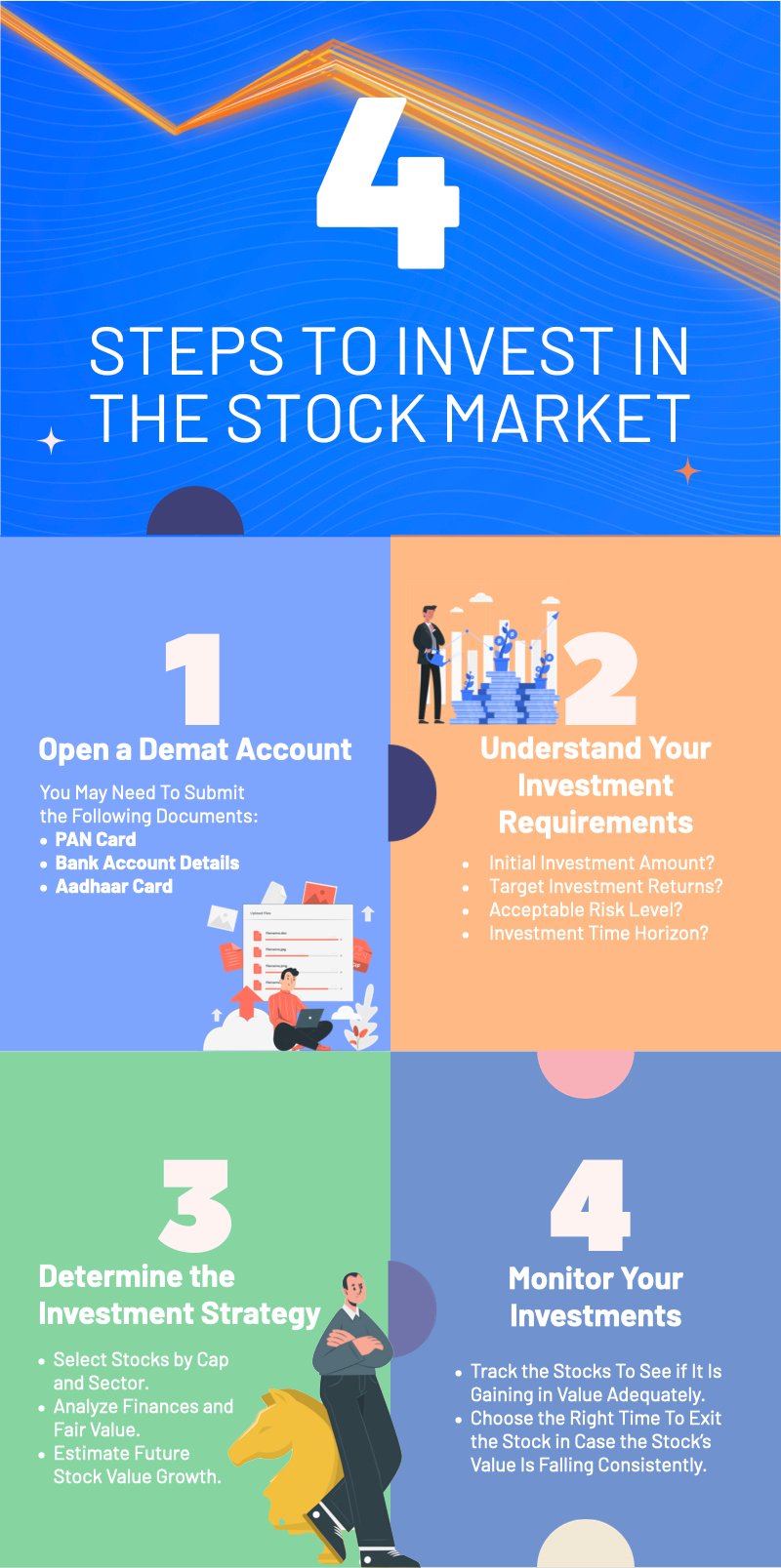
In the digital age, your brokerage is your gateway to the market. Choosing the right platform and, more importantly, the right type of account, can have massive implications for your tax liability and long-term gains.
Selecting a Trading Platform
When comparing brokerages, look for three things: fees, user interface, and educational resources. Many modern platforms offer $0 commissions on stock and ETF trades. However, you should also consider whether the platform offers “fractional shares.” Fractional shares allow you to buy $5 worth of a stock that might normally cost $3,000 per share, making it much easier for beginners to start with small amounts of capital.
Tax-Advantaged Accounts vs. Standard Brokerage
Where you hold your stocks is just as important as what you buy.
- Standard Brokerage Accounts: These are flexible; you can deposit and withdraw money at any time. However, you must pay taxes on your capital gains and dividends every year.
- Retirement Accounts (401(k), IRA, Roth IRA): These are designed for long-term wealth. A Traditional IRA may offer a tax deduction now, while a Roth IRA allows your investments to grow completely tax-free, meaning you pay no taxes when you withdraw the money in retirement. Utilizing these accounts is one of the most effective ways to accelerate wealth through tax avoidance.
The Role of Robo-Advisors
If the idea of picking funds or rebalancing your portfolio feels overwhelming, robo-advisors offer a tech-driven middle ground. These platforms use algorithms to build a diversified portfolio based on your risk profile and automatically rebalance it for you. While they charge a small management fee (usually around 0.25%), the convenience and emotional barrier they provide can be invaluable for novice investors.
4. Developing a Disciplined Investment Strategy
Successful investing is less about “timing the market” and more about “time in the market.” To avoid the pitfalls of emotional trading, you need a repeatable system.
Dollar-Cost Averaging (DCA)
One of the most effective strategies for the average investor is Dollar-Cost Averaging. Instead of trying to guess when the market is at its lowest point, you invest a fixed amount of money at regular intervals (e.g., $200 every payday). When prices are high, your $200 buys fewer shares; when prices are low, your $200 buys more. Over time, this lowers your average cost per share and removes the stress of market volatility.
The Power of Dividend Reinvestment
Many established companies pay out a portion of their profits to shareholders in the form of dividends. While you can take this as cash, the real “money secret” is the Dividend Reinvestment Plan (DRIP). By automatically using your dividends to buy more shares of the stock, you trigger a compounding effect. You own more shares, which pay more dividends, which buy even more shares. Over decades, this can account for a massive percentage of a portfolio’s total return.
Avoiding the Trap of Day Trading
It is vital to distinguish between investing and gambling. Day trading—the practice of buying and selling stocks within hours or days to catch short-term price movements—is statistically a losing game for most retail participants. Professional investing is a marathon focused on the underlying value of businesses, not the “noise” of daily price fluctuations.
5. Maintaining and Growing Your Portfolio
The work doesn’t end once you’ve made your first purchase. Managing a portfolio requires periodic maintenance to ensure your asset allocation remains aligned with your goals.
The Importance of Annual Rebalancing
Over time, some of your investments will grow faster than others. If you started with a 60% stock and 40% bond split, a massive bull market might leave you with 80% stocks. This makes your portfolio riskier than you originally intended. Rebalancing involves selling some of your “winners” and buying more of your “underperformers” to return to your target allocation. It forces you to follow the golden rule of investing: buy low and sell high.
Managing the Psychology of Volatility
The biggest threat to your portfolio isn’t a market crash; it’s your reaction to it. Seeing your account balance drop by 20% during a recession is painful, but history shows that the market has a 100% recovery rate over long periods. Investors who panic-sell during downturns turn “paper losses” into “real losses.” Developing the emotional fortitude to stay the course—or even view crashes as “sales” where stocks are cheaper—is what separates wealthy investors from the rest.
Continuous Learning and Evolution
The financial world is dynamic. New tools, tax laws, and economic shifts occur constantly. While you don’t need to watch financial news 24/7 (in fact, doing so can lead to over-trading), staying informed about the fundamentals of business finance and global markets will help you make better decisions. Whether it’s understanding how interest rate hikes affect stock valuations or learning about new low-cost ETFs, a commitment to financial literacy is the best investment you can make in yourself.
Investing in stocks is not a get-rich-quick scheme; it is a disciplined approach to capital allocation. By starting early, diversifying your holdings, and maintaining a long-term perspective, you can harness the power of the global economy to secure your financial future. The best time to start was ten years ago; the second-best time is today.
aViewFromTheCave is a participant in the Amazon Services LLC Associates Program, an affiliate advertising program designed to provide a means for sites to earn advertising fees by advertising and linking to Amazon.com. Amazon, the Amazon logo, AmazonSupply, and the AmazonSupply logo are trademarks of Amazon.com, Inc. or its affiliates. As an Amazon Associate we earn affiliate commissions from qualifying purchases.