
Investing in cryptocurrency has transitioned from a niche interest to a significant component of modern finance, attracting both seasoned investors and newcomers. However, the path to entering this market can seem daunting given its unique characteristics and rapid evolution. Understanding the fundamental principles, mitigating risks, and employing sound financial strategies are crucial for navigating this exciting yet volatile asset class. This guide breaks down the essential steps and considerations for individuals looking to invest in cryptocurrency.
Understanding the Cryptocurrency Landscape
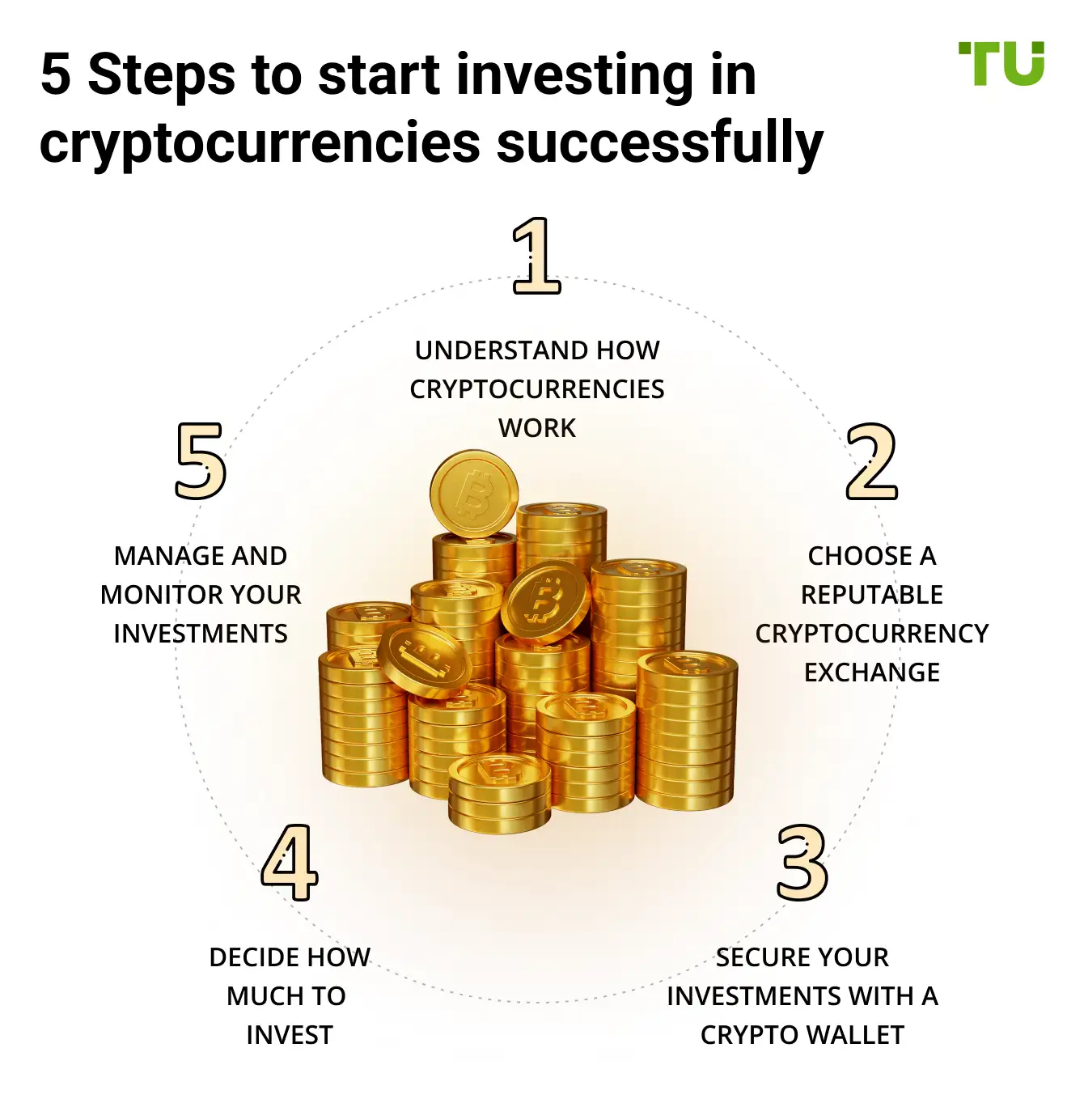
Before committing capital, a foundational understanding of what cryptocurrency is, how it operates, and the inherent risks is paramount. This knowledge forms the bedrock of an informed investment strategy.
What is Cryptocurrency?
At its core, a cryptocurrency is a digital or virtual currency secured by cryptography, making it nearly impossible to counterfeit or double-spend. Many cryptocurrencies are decentralized networks based on blockchain technology—a distributed ledger enforced by a disparate network of computers. This decentralization is a key differentiator from traditional financial systems managed by central authorities like banks or governments. Bitcoin, the first cryptocurrency, was launched in 2009, and since then, thousands of other cryptocurrencies, known as altcoins (alternative coins), have emerged, each with unique features, use cases, and underlying technologies. These can range from digital cash systems to platforms for smart contracts, decentralized finance (DeFi), and non-fungible tokens (NFTs).
The Volatility Factor
Cryptocurrencies are notorious for their price volatility. Unlike more established asset classes, they can experience dramatic price swings in short periods. This volatility is influenced by various factors including market sentiment, regulatory news, technological developments, macroeconomic trends, and even social media hype. While high volatility can present opportunities for significant gains, it equally carries the risk of substantial losses. Investors must approach the market with a clear understanding that their capital could fluctuate wildly, necessitating a long-term perspective and a strong emotional fortitude. This inherent risk underscores why only a portion of one’s investment portfolio, typically a small percentage, should be allocated to such high-risk assets.
Market Capitalization and Dominance
The cryptocurrency market is vast and diverse. Key metrics to consider when evaluating individual cryptocurrencies include market capitalization, which is the total value of all coins in circulation (price per coin multiplied by circulating supply), and trading volume, which indicates liquidity and interest. Bitcoin and Ethereum consistently hold the largest market capitalizations, often signaling greater stability and wider adoption compared to smaller, newer projects. While smaller altcoins can offer higher growth potential, they also typically come with exponentially higher risk and less liquidity. Understanding these metrics helps investors gauge the relative size, stability, and potential of different crypto assets.
Setting Up Your Investment Strategy
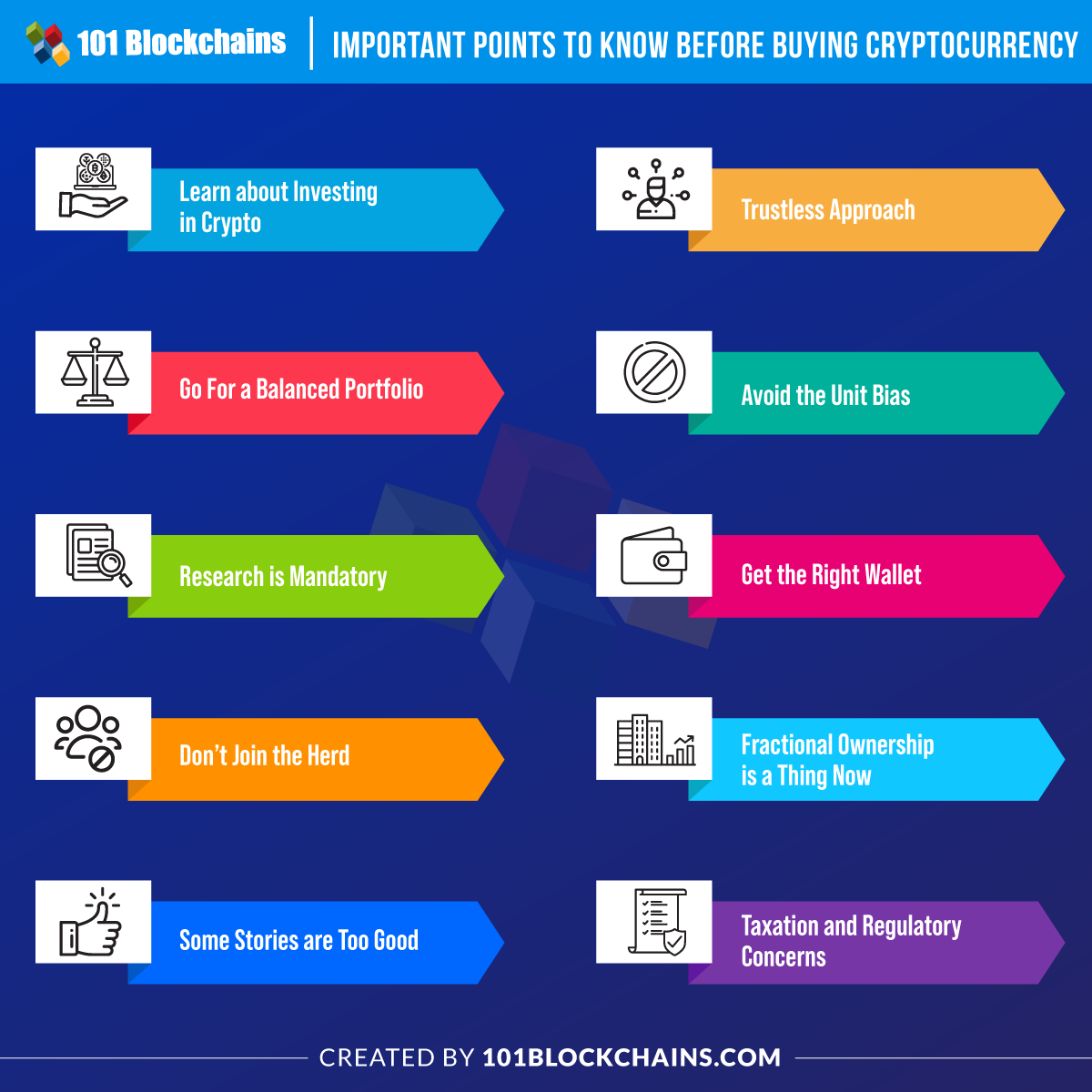
A well-defined strategy is essential for navigating the cryptocurrency market. This involves self-assessment, diligent research, and thoughtful portfolio construction.
Define Your Investment Goals and Risk Tolerance
Before making any investment, clarity on your personal financial goals is critical. Are you looking for short-term gains, or are you adopting a long-term “HODL” (hold on for dear life) strategy? Your time horizon will heavily influence your choice of assets and risk exposure. Equally important is assessing your risk tolerance. How much of your capital are you comfortable losing without significantly impacting your financial well-being? Given crypto’s volatility, it’s widely advised to only invest capital you can afford to lose. This self-assessment sets the boundaries for your investment decisions and helps prevent emotionally driven trades during market fluctuations.
Researching Potential Cryptocurrencies
Thorough research, often termed “due diligence,” is non-negotiable. Beyond market cap and trading volume, delve into a project’s whitepaper, which outlines its purpose, technology, and roadmap. Evaluate the team behind the project—their experience, credibility, and track record. Investigate the project’s real-world utility: Does it solve a genuine problem? What is its competitive advantage? Examine its community and developer activity, as a vibrant ecosystem can indicate long-term viability. Look at tokenomics, which describes how the cryptocurrency is distributed, used, and governed, as this can impact its long-term value proposition. Diversify your research sources, reading analysis from reputable crypto news outlets, academic papers, and community forums, but always cross-reference information to avoid misinformation.
Diversification and Portfolio Management
Even within the cryptocurrency space, diversification is a prudent strategy. Instead of putting all your capital into a single asset, spread your investments across several different cryptocurrencies that serve various purposes and have different risk profiles. For instance, a common approach might be to allocate a significant portion to established assets like Bitcoin and Ethereum, with smaller allocations to promising altcoins or specific niche projects (e.g., DeFi tokens, metaverse coins). Regularly review your portfolio’s performance and rebalance as needed to maintain your desired asset allocation and risk exposure. This proactive management helps mitigate the impact of underperforming assets and capitalizes on market shifts.
Practical Steps to Making Your First Crypto Investment
Once your strategy is in place, the practical steps of acquiring cryptocurrency involve choosing an exchange, funding your account, and securing your assets.
Choosing a Reputable Cryptocurrency Exchange
A cryptocurrency exchange acts as a marketplace where you can buy, sell, and trade digital assets. Selection criteria should include:
- Security: Look for exchanges with robust security measures, including two-factor authentication (2FA), cold storage for a majority of assets, and insurance policies.
- Reputation and Regulatory Compliance: Opt for well-established exchanges with a strong track record and clear adherence to financial regulations in your jurisdiction.
- Fees: Understand the trading fees, deposit fees, and withdrawal fees, as these can impact your overall returns.
- Supported Cryptocurrencies: Ensure the exchange lists the cryptocurrencies you intend to invest in.
- User Interface and Customer Support: A user-friendly interface simplifies the trading process, and responsive customer support is invaluable if you encounter issues.
- Liquidity: High liquidity ensures you can easily buy or sell assets at fair market prices.
Popular choices include Coinbase, Binance, Kraken, and Gemini, among others, each with its own strengths and regional availability.
Funding Your Account
After selecting an exchange and completing the necessary Know Your Customer (KYC) verification (which typically involves providing identification documents), you’ll need to fund your account. Common funding methods include:
- Bank Transfer (ACH/SEPA): Often the most cost-effective method, though it can take a few business days for funds to clear.
- Debit Card/Credit Card: Provides instant deposits but usually comes with higher fees.
- Wire Transfer: Good for larger sums but can also incur higher fees.
- PayPal/Other Payment Processors: Some exchanges support these, offering convenience.
Always be aware of deposit limits and associated fees for each method.
Placing Your First Buy Order
With your account funded, you can now place your first order.
- Market Order: This executes immediately at the best available current market price. It’s simple but the final price might slightly differ from what you see due to market volatility.
- Limit Order: This allows you to set a specific price at which you want to buy (or sell) an asset. The order will only execute if the market price reaches your specified limit. This gives you more control over the entry price but your order might not be filled if the price doesn’t reach your limit.
For beginners, starting with market orders on well-known cryptocurrencies like Bitcoin or Ethereum is often the simplest approach. Always double-check the amount and currency before confirming your transaction.
Securing Your Assets: Wallets and Best Practices
Once you’ve purchased cryptocurrency, securing your assets is paramount. Leaving large amounts on an exchange, while convenient for trading, carries risk due to potential hacks or platform failures.
- Hot Wallets: These are connected to the internet (e.g., exchange wallets, mobile wallets, desktop wallets). While convenient, they are more susceptible to online threats. Use strong, unique passwords and 2FA.
- Cold Wallets: These are offline storage solutions, significantly more secure.
- Hardware Wallets: Physical devices (like Ledger or Trezor) that store your private keys offline. Considered the gold standard for security for most investors.
- Paper Wallets: Private and public keys printed on paper. While offline, they require careful handling to avoid damage or loss.
For significant investments, transferring your cryptocurrencies to a hardware wallet is highly recommended. Always back up your recovery phrase (seed phrase) in a secure, offline location and never share it with anyone.
Navigating Taxes and Regulations
The financial implications of cryptocurrency extend beyond buying and selling. Understanding your tax obligations and the regulatory landscape is crucial for compliant investing.
Understanding Crypto Taxation
In many jurisdictions, including the United States, cryptocurrencies are treated as property for tax purposes, not as currency. This means that every time you sell, trade, or otherwise dispose of cryptocurrency, you might incur capital gains or losses.
- Capital Gains: If you sell crypto for more than you bought it, you have a capital gain. Short-term gains (assets held for less than a year) are typically taxed at ordinary income rates, while long-term gains (assets held for over a year) often qualify for lower capital gains rates.
- Capital Losses: If you sell crypto for less than you bought it, you incur a capital loss, which can be used to offset capital gains and, to some extent, ordinary income.
Gifts of crypto, using crypto for purchases, or earning crypto through mining or staking can also have tax implications. Keeping meticulous records of all your transactions—purchase dates, cost basis, sale dates, and proceeds—is essential for accurate tax reporting. Consider using crypto tax software to simplify this process.
Staying Compliant with Local Regulations
The regulatory environment for cryptocurrency is still evolving globally. Different countries and even different states within a country may have varying rules regarding crypto exchanges, taxation, and specific digital assets. It’s your responsibility as an investor to stay informed about the regulations pertinent to your location. Be aware of anti-money laundering (AML) and know your customer (KYC) requirements, which are designed to prevent illicit activities. Regulatory clarity often brings greater institutional adoption but can also introduce new restrictions. Remaining compliant not only protects you legally but also contributes to the legitimacy and stability of the broader cryptocurrency market.
Long-Term Outlook and Continuous Learning
Investing in cryptocurrency is not a one-time event; it requires ongoing engagement, adaptability, and a commitment to continuous education.
The Importance of Due Diligence
The cryptocurrency market is dynamic, with new projects emerging, technologies evolving, and market conditions shifting rapidly. The initial due diligence you conducted should not be a one-off task. Regularly revisit the fundamentals of your invested assets. Are their roadmaps being met? Has the team changed? Are there new competitors? Continuous monitoring helps you make informed decisions about whether to hold, buy more, or sell specific assets as market conditions and project developments unfold.
Adapting to Market Changes
Market cycles in crypto can be intense and unpredictable. Periods of rapid growth (bull markets) are often followed by significant corrections or prolonged downturns (bear markets). Emotional responses to these cycles can lead to poor investment decisions. Develop a disciplined approach, perhaps employing dollar-cost averaging (investing a fixed amount regularly, regardless of price) to mitigate the impact of volatility. Be prepared for both boom and bust scenarios and adjust your strategy based on your long-term goals rather than short-term price movements.

Beyond Spot Trading: Staking, Lending, and DeFi
As you gain experience, you might explore more advanced strategies beyond simply buying and holding.
- Staking: Some cryptocurrencies allow you to “stake” your coins to support the network’s operations and earn rewards, similar to earning interest.
- Lending: You can lend your crypto assets to others through decentralized platforms or centralized exchanges to earn interest.
- Decentralized Finance (DeFi): This umbrella term encompasses a range of financial applications built on blockchain, offering services like lending, borrowing, and trading without traditional intermediaries.
These avenues offer additional ways to potentially grow your crypto holdings but often come with their own set of risks, including smart contract vulnerabilities, impermanent loss in liquidity pools, and platform risks. Always thoroughly research and understand the risks before venturing into these more complex areas.
Investing in cryptocurrency offers a unique opportunity to participate in a nascent and potentially transformative financial ecosystem. By approaching it with a well-researched strategy, a clear understanding of risks, and a commitment to continuous learning, individuals can navigate this exciting market more effectively and responsibly.
aViewFromTheCave is a participant in the Amazon Services LLC Associates Program, an affiliate advertising program designed to provide a means for sites to earn advertising fees by advertising and linking to Amazon.com. Amazon, the Amazon logo, AmazonSupply, and the AmazonSupply logo are trademarks of Amazon.com, Inc. or its affiliates. As an Amazon Associate we earn affiliate commissions from qualifying purchases.