
Blockchain technology has emerged as one of the most transformative innovations of our era, promising to reshape industries from finance and logistics to healthcare and entertainment. Its potential for decentralization, transparency, and immutability has captured the imagination of technologists and investors alike. For many, the question is no longer “what is blockchain?” but rather, “how can I participate in its growth financially?” Investing in blockchain is not a monolithic endeavor; it encompasses a diverse array of strategies, each with its own risk profile and potential rewards. This guide will demystify the various pathways to investing in this revolutionary technology, offering insights into direct and indirect methods, crucial considerations, and strategic approaches for navigating this dynamic financial frontier.
Understanding the Blockchain Investment Landscape
Before diving into specific investment vehicles, it’s crucial to grasp the fundamental concepts underpinning blockchain and the unique characteristics of its investment landscape. This understanding forms the bedrock of any sound investment strategy in this nascent, yet rapidly evolving, sector.
What is Blockchain (and Why it Matters for Investors)?
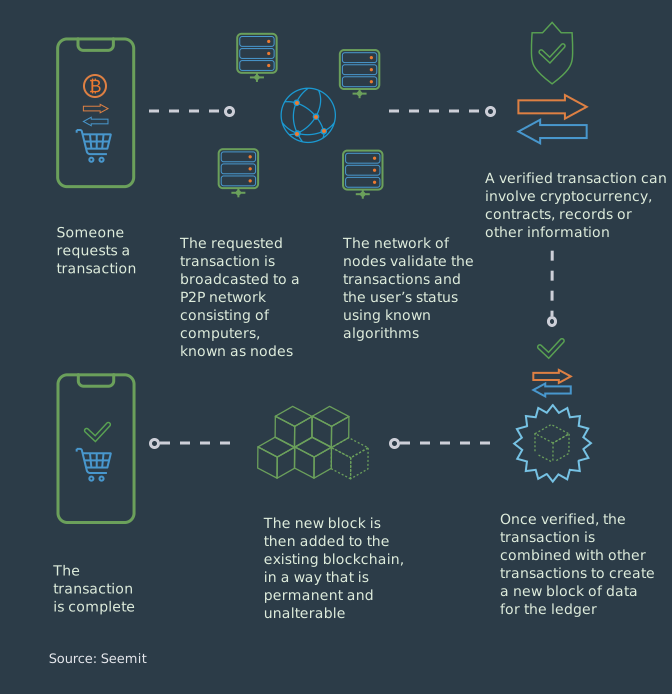
At its core, blockchain is a distributed, immutable ledger that records transactions across a network of computers. Unlike traditional centralized databases, blockchain ensures transparency by making all transactions visible to network participants and security through cryptographic encryption and decentralization, meaning no single entity controls the entire system. This technological architecture has far-reaching implications for investors: it enables new forms of digital assets, facilitates more efficient and secure financial transactions, and underpins innovative business models that can disrupt established industries. Investors are drawn to blockchain for its potential to drive unprecedented efficiency, foster greater trust in digital interactions, and create entirely new markets and economies. Understanding this foundational layer helps distinguish between genuine innovation and speculative hype.
Distinguishing Between Investing in Blockchain Technology vs. Blockchain Assets
A critical distinction for investors is the difference between investing in blockchain technology and investing in blockchain assets.
-
Investing in Blockchain Technology typically involves putting capital into companies that are either developing blockchain infrastructure, creating applications built on blockchain, or leveraging blockchain to enhance their existing services. This might include software companies, hardware manufacturers for mining, or corporations integrating blockchain into their supply chains. Here, the investment thesis is tied to the success of the underlying business and its adoption of the technology.
-
Investing in Blockchain Assets primarily refers to purchasing cryptocurrencies or other digital tokens that operate on blockchain networks. Examples include Bitcoin, Ethereum, and thousands of altcoins, as well as non-fungible tokens (NFTs). In this case, investors are betting directly on the value appreciation of these digital assets, often driven by network effects, utility within a decentralized application, or speculative demand. Each approach carries different risk factors, regulatory considerations, and requires distinct levels of technical understanding.
Risk and Volatility in Blockchain Investments
The blockchain investment space is characterized by significant risk and volatility. While the potential for high returns is attractive, investors must be prepared for substantial price swings and the possibility of capital loss. Several factors contribute to this volatility:
-
Market Immaturity: The blockchain industry is relatively young, and many projects are still in their early stages of development, making their long-term viability uncertain.
-
Regulatory Uncertainty: The regulatory environment for cryptocurrencies and blockchain companies varies wildly across jurisdictions and is constantly evolving, posing risks related to potential bans, taxation changes, or compliance burdens.
-
Technological Risks: The underlying technology, while robust, is not immune to bugs, security breaches, or competition from newer, more efficient protocols.
-
Speculative Nature: A significant portion of market movements, especially in altcoins, is driven by speculation rather than fundamental value, leading to pump-and-dump schemes and irrational exuberance. A clear understanding of these risks is paramount for developing a resilient investment strategy.
Direct Investment Avenues: Cryptocurrencies
For many, investing in blockchain immediately brings to mind cryptocurrencies. This direct approach offers the most immediate exposure to the growth of blockchain networks, but it also demands a higher degree of personal research and risk management.
Bitcoin and Ethereum: The Giants
Bitcoin (BTC) and Ethereum (ETH) represent the two largest and most established cryptocurrencies, often considered the “blue chips” of the crypto market.
-
Bitcoin was the first successful blockchain implementation, primarily designed as a decentralized digital currency and a store of value, often dubbed “digital gold.” Its finite supply and robust network security appeal to investors seeking an alternative to traditional fiat currencies and hedges against inflation.
-
Ethereum introduced the concept of smart contracts, programmable agreements that execute automatically when conditions are met. This innovation transformed blockchain from merely a ledger into a platform for decentralized applications (dApps), decentralized finance (DeFi), and NFTs. Investing in ETH is essentially investing in the infrastructure of the decentralized internet, or Web3. Both offer relatively greater liquidity and adoption compared to newer projects, but they are by no means immune to volatility.
Altcoins and Decentralized Finance (DeFi)
Beyond Bitcoin and Ethereum, thousands of “altcoins” (alternative coins) exist, each with its own blockchain or built on top of existing ones. These range from projects aiming to solve specific problems (e.g., faster transactions, privacy) to those powering entire decentralized ecosystems.
-
Altcoins can offer higher growth potential due to smaller market capitalizations, but they also come with significantly increased risk. Many altcoins fail or are outright scams. Thorough research into the project’s utility, team, technology, community, and tokenomics is absolutely essential.
-
Decentralized Finance (DeFi) is a rapidly growing segment within altcoins, aiming to recreate traditional financial services (lending, borrowing, trading, insurance) using blockchain technology and smart contracts, removing intermediaries. Investing in DeFi often means buying the native tokens of these protocols, which grant governance rights or utility within the ecosystem. While innovative, DeFi is complex, prone to exploits, and subject to rapid shifts in market sentiment.
How to Buy Cryptocurrencies
Acquiring cryptocurrencies involves a few straightforward steps, but requires careful attention to security.
-
Choose an Exchange: Centralized exchanges (CEXs) like Coinbase, Binance, or Kraken are the most common entry points. They allow users to buy crypto with fiat currency (USD, EUR, etc.) and offer a user-friendly interface. Decentralized exchanges (DEXs) like Uniswap or PancakeSwap allow peer-to-peer trading without an intermediary, offering greater privacy but requiring more technical proficiency.
-
Verify Your Identity: CEXs typically require KYC (Know Your Customer) verification, including photo ID and proof of address, to comply with anti-money laundering (AML) regulations.
-
Fund Your Account: You can usually deposit funds via bank transfer, debit card, or sometimes PayPal.
-
Place Your Order: Once your account is funded, you can purchase your desired cryptocurrency.
-
Secure Your Assets: For larger investments, it’s highly recommended to transfer your crypto from the exchange to a personal wallet. Hardware wallets (cold storage) like Ledger or Trezor offer the highest level of security for long-term holdings, protecting your private keys offline. Software wallets (hot storage) are convenient for smaller amounts and frequent transactions but are connected to the internet and thus more vulnerable.
Indirect Investment Avenues: Equity and Funds
For investors who prefer a more traditional approach or wish to mitigate the direct technical complexities and extreme volatility of crypto assets, indirect investment avenues offer exposure to the blockchain ecosystem through familiar financial instruments.
Publicly Traded Companies with Blockchain Exposure
One way to invest in blockchain without directly buying cryptocurrencies is to invest in companies listed on traditional stock exchanges that are heavily involved in the technology. These companies can fall into several categories:
-
Direct Blockchain Innovators: Companies whose core business is blockchain development, such as cryptocurrency mining operations (e.g., Marathon Digital Holdings, Riot Platforms), blockchain software and service providers (e.g., Block, Inc. (formerly Square), MicroStrategy), or specialized chip manufacturers for mining.
-
Blockchain Adopters: Established companies from various sectors (finance, logistics, tech) that are integrating blockchain into their operations to improve efficiency, security, or to create new product lines. Examples might include major technology firms exploring distributed ledger technologies for supply chain management or banks using blockchain for cross-border payments.
Investing in these companies offers the benefits of corporate governance, regulated markets, and often more stable financial performance compared to volatile digital assets. However, their stock performance is not solely tied to blockchain’s success; broader company financials and market conditions also play a significant role.

Exchange-Traded Funds (ETFs) and Other Investment Vehicles
ETFs offer a diversified and often lower-risk way to gain exposure to the blockchain space.
-
Blockchain ETFs: These funds typically hold a basket of stocks of companies involved in the blockchain ecosystem. This can include cryptocurrency miners, blockchain technology developers, companies utilizing blockchain for their products, and even some firms with significant cryptocurrency holdings. Examples include the Amplify Transformational Data Sharing ETF (BLOK) or the Bitwise Crypto Industry Innovators ETF (BITQ). They provide diversification across multiple companies, reducing the risk associated with investing in a single stock.
-
Cryptocurrency ETFs/ETNs: In some jurisdictions, exchange-traded products that directly track the price of cryptocurrencies (like Bitcoin or Ethereum ETFs) are available. These products allow investors to gain exposure to crypto prices through a traditional brokerage account, without the complexities of managing digital wallets and private keys. The availability and regulatory status of these products vary significantly by country.
-
Managed Funds and Venture Capital: For accredited investors, private equity and venture capital funds specializing in blockchain startups or digital assets offer another indirect route. These funds are managed by professionals with expertise in the space, but they often come with high minimum investments, illiquidity, and longer lock-up periods.
The Advantages of Indirect Investment
Indirect investment avenues present several advantages, particularly for more conservative investors or those new to the blockchain space:
-
Diversification: ETFs inherently offer diversification by investing in multiple companies or assets, spreading risk.
-
Regulatory Oversight: Investing in publicly traded companies and regulated funds occurs within established financial frameworks, providing investor protections that are sometimes absent in the direct crypto market.
-
Accessibility: These investments can be made through standard brokerage accounts, requiring no specialized knowledge of crypto wallets or exchanges.
-
Professional Management: ETFs and managed funds benefit from the expertise of professional fund managers who research, select, and monitor the underlying assets.
-
Lower Volatility (Potentially): While still influenced by the overall crypto market sentiment, company stocks and diversified funds may exhibit less extreme volatility than individual cryptocurrencies, especially those in the long tail of altcoins.
Navigating the Regulatory and Security Landscape
Investing in blockchain involves navigating a complex and evolving regulatory environment and adopting robust security practices to protect your assets. Neglecting these aspects can lead to significant financial loss or legal complications.
Understanding Regulatory Developments
The regulatory landscape for blockchain and cryptocurrencies is fragmented and dynamic. Different countries, and even different states or provinces within countries, have varying approaches to digital assets, ranging from embracing them with clear frameworks to imposing outright bans.
-
Classification: Regulators are grappling with how to classify cryptocurrencies (currency, commodity, security), which dictates how they are regulated.
-
Taxation: Income derived from crypto (trading gains, staking rewards, mining income) is generally taxable, but the specifics vary. Investors must track their transactions diligently.
-
Consumer Protection: As the market matures, regulators are increasingly focusing on consumer protection, anti-money laundering (AML), and countering the financing of terrorism (CFT) measures.
Staying informed about regulatory changes in your jurisdiction is critical, as they can significantly impact market stability, the legality of certain activities, and the overall investment climate. Consulting with financial and tax professionals specializing in digital assets is highly advisable.
Cybersecurity Best Practices for Crypto Investors
The decentralized nature of blockchain puts a premium on individual responsibility for security. Malicious actors frequently target crypto investors due to the irreversible nature of blockchain transactions.
-
Wallet Security: Use hardware wallets for significant holdings (cold storage). For smaller amounts and frequent use, choose reputable software wallets and enable all security features. Never share your seed phrase (recovery phrase) with anyone.
-
Strong Authentication: Enable Two-Factor Authentication (2FA) on all exchange accounts and wallets, preferably using authenticator apps (e.g., Google Authenticator) rather than SMS-based 2FA.
-
Beware of Scams: Be vigilant against phishing attempts, fake websites, fraudulent airdrops, and “too good to be true” investment opportunities. Always verify URLs and email sender identities.
-
Software Updates: Keep your operating system, browser, and wallet software up to date to patch known vulnerabilities.
-
Secure Internet Connection: Avoid conducting crypto transactions on public Wi-Fi networks.
-
Private Keys: Understand that “not your keys, not your coin.” If you don’t control your private keys (as is the case with assets held on a centralized exchange), you don’t truly own your crypto.
Tax Implications of Blockchain Investments
Taxation is a crucial, yet often overlooked, aspect of blockchain investing. Most jurisdictions treat cryptocurrencies as property for tax purposes, meaning capital gains from selling, trading, or spending crypto are subject to capital gains tax.
-
Taxable Events: Selling crypto for fiat, trading one crypto for another, using crypto to purchase goods/services, and receiving crypto as income (e.g., staking rewards, mining, airdrops) are typically taxable events.
-
Record Keeping: Meticulous record-keeping of all crypto transactions (purchase date, cost basis, sale date, sale price, transaction fees) is essential for accurate tax reporting. Specialized crypto tax software can assist with this complex task.
-
Jurisdictional Differences: Tax laws vary significantly. Some countries might have specific rules for crypto, while others might apply existing property or income tax laws. Ignorance of tax obligations is not a defense, and non-compliance can lead to severe penalties. Engaging with a tax professional experienced with digital assets is highly recommended to ensure compliance and optimize your tax strategy.
Crafting Your Blockchain Investment Strategy
Successfully investing in blockchain requires more than just knowing where to buy; it demands a well-thought-out strategy tailored to your financial goals and risk tolerance.
Defining Your Risk Tolerance and Investment Horizon
Blockchain investments, particularly direct cryptocurrency holdings, are inherently volatile. It’s paramount to honestly assess your personal risk tolerance. Are you comfortable with potential significant drawdowns for the possibility of exponential gains?
-
Risk Tolerance: Only invest capital that you can afford to lose without impacting your financial security. For many, this means allocating a small percentage (e.g., 1-5%) of their overall investment portfolio to high-risk assets like cryptocurrencies.
-
Investment Horizon: Given the immaturity and volatility of the market, a long-term investment horizon (e.g., 3-5+ years) is often recommended for blockchain investments. This allows time for the technology to mature, projects to develop, and the market to potentially overcome short-term fluctuations. Short-term speculation is extremely risky and often results in losses for inexperienced investors.
Diversification within Blockchain and Across Asset Classes
Diversification is a cornerstone of sound investment, and it applies strongly to blockchain.
-
Within Blockchain: Do not put all your eggs in one crypto basket. Diversify across different types of blockchain assets (e.g., Bitcoin, Ethereum, a few promising altcoins with different use cases) and potentially indirect investments (blockchain ETFs, company stocks). This hedges against the failure or underperformance of a single asset.
-
Across Asset Classes: Even more importantly, integrate your blockchain investments within a broader, diversified portfolio that includes traditional assets like stocks, bonds, and real estate. Blockchain should complement, not replace, a well-balanced portfolio, acting as a growth-oriented, higher-risk component.
Continuous Learning and Adaptation
The blockchain space is arguably one of the fastest-evolving technological and financial frontiers. What is cutting-edge today might be obsolete tomorrow.
-
Stay Informed: Dedicate time to continuously learn about new protocols, technological advancements, regulatory changes, and market trends. Follow reputable crypto news sources, research papers, and thought leaders.
-
Adapt Your Strategy: Be prepared to adapt your investment strategy as the landscape shifts. A project that seemed promising a year ago might have lost its competitive edge, or new, more superior solutions might emerge.
-
Understand the Tech: While you don’t need to be a blockchain developer, a foundational understanding of the technology behind the projects you invest in is crucial for informed decision-making.

The Importance of Due Diligence
Never invest based on hype, social media trends, or recommendations from anonymous sources. Thorough due diligence is non-negotiable.
-
Research Projects: For direct crypto investments, dive deep into whitepapers, team backgrounds, tokenomics (how the token is distributed and used), community engagement, technological roadmap, and real-world use cases. Understand what problem the project aims to solve and its competitive advantage.
-
Assess Companies: For equity investments, analyze company financials, management teams, market position, and the actual impact of their blockchain initiatives on their bottom line.
-
Community and Audit: Look for projects with active, engaged communities and those that have undergone independent security audits of their smart contracts or protocols.
Investing in blockchain presents a compelling opportunity to participate in a technology poised for massive growth and disruption. However, it is not without its perils. By understanding the diverse investment avenues, diligently managing risks, adhering to cybersecurity best practices, navigating regulatory complexities, and committing to continuous learning and rigorous due diligence, investors can strategically position themselves to potentially benefit from the unfolding blockchain revolution. Approach this frontier with an informed mind, a disciplined strategy, and a long-term perspective.
aViewFromTheCave is a participant in the Amazon Services LLC Associates Program, an affiliate advertising program designed to provide a means for sites to earn advertising fees by advertising and linking to Amazon.com. Amazon, the Amazon logo, AmazonSupply, and the AmazonSupply logo are trademarks of Amazon.com, Inc. or its affiliates. As an Amazon Associate we earn affiliate commissions from qualifying purchases.