
For decades, the distribution of out-of-market NFL games was tethered to satellite technology, requiring physical installations and long-term contracts. The shift of NFL Sunday Ticket to the YouTube ecosystem marks a significant milestone in the digital transformation of sports media. Transitioning from hardware-dependent broadcasting to a cloud-based streaming model has changed not only how fans access content but also the technical infrastructure required to support a seamless viewing experience. Getting NFL Sunday Ticket today is a process of navigating software platforms, optimizing hardware, and understanding the nuances of digital rights management (DRM) and location services.
Navigating the YouTube Ecosystem: Software and Platforms
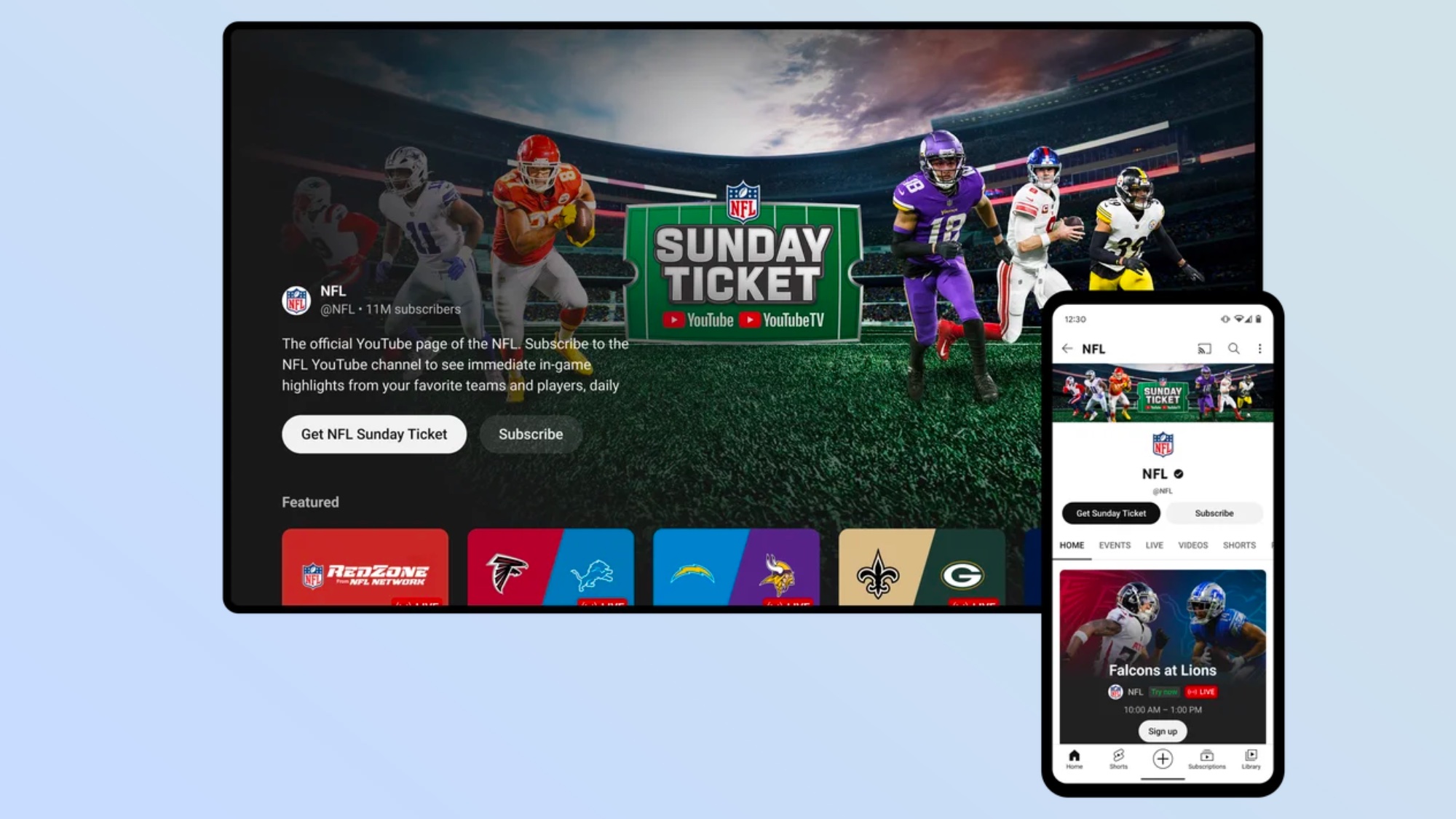
The most fundamental change in the delivery of NFL Sunday Ticket is its integration into Google’s video infrastructure. Consumers no longer need a proprietary satellite dish; instead, they must choose between two distinct software paths within the YouTube environment. Understanding the technical differences between these options is the first step in securing access.
YouTube TV vs. YouTube Primetime Channels
The primary method for many is through YouTube TV, a Multichannel Video Programming Distributor (vMVPD). When you access Sunday Ticket through YouTube TV, the service integrates the out-of-market games directly into the existing linear channel guide. This is a sophisticated software implementation that merges live local broadcasts with specialized high-bandwidth streams. From a technical standpoint, this allows for “one-app” navigation, where the user moves between local news and out-of-market football without switching applications.
Alternatively, users can purchase NFL Sunday Ticket via YouTube Primetime Channels. This version is a standalone digital subscription that does not require a monthly YouTube TV live-streaming plan. In this configuration, the games are treated as individual “on-demand” style live assets within the main YouTube app interface. This is ideal for users who have moved away from linear television entirely and prefer a modular software experience.
Account Authentication and Setup
Getting the service requires a Google account with robust security protocols. Because NFL Sunday Ticket involves high-value digital assets, Google employs strict DRM and concurrent stream limits. During the setup process, users must ensure their Google payment profiles are correctly configured to their primary residence. The software uses these credentials to manage “Home Area” permissions, which are critical for determining which games are considered “out-of-market” and which are restricted due to local broadcast rights.
Hardware Requirements and Network Optimization
To handle high-definition sports streaming—specifically at 60 frames per second (fps)—the hardware used to access NFL Sunday Ticket must meet specific technical benchmarks. While the YouTube app is ubiquitous, the performance varies significantly across different chipsets and operating systems.
Selecting the Right Streaming Device
The quality of your Sunday Ticket experience is often dictated by the processor in your streaming gadget. Devices like the Apple TV 4K, Nvidia Shield TV, and the latest generation of Chromecast with Google TV offer the hardware acceleration necessary to decode high-bitrate streams without stuttering.
Smart TVs with integrated operating systems (such as Tizen, webOS, or Android TV) are convenient, but older models may struggle with the memory-intensive “Multiview” feature. For the best technical results, dedicated streaming hardware with at least 2GB of RAM is recommended to ensure the UI remains responsive while handling 4K video buffers in the background.
Bandwidth and Network Infrastructure
Streaming live sports is uniquely demanding on a home network. Unlike pre-recorded content on Netflix or Disney+, which can pre-load large portions of a file into a local buffer, live sports require a consistent, low-latency connection.
-
Bitrate Requirements: To stream a single game in 1080p at 60fps, a stable download speed of at least 15 Mbps is required. However, for the most stable experience—especially when using Multiview—a 50 Mbps connection is the practical baseline.
-
Wi-Fi vs. Ethernet: For the “power user,” hardwiring a streaming device via an Ethernet cable (Cat5e or Cat6) is superior to Wi-Fi. This eliminates the packet loss and interference common in the 2.4GHz and 5GHz bands, ensuring that the stream doesn’t drop to a lower resolution during high-motion plays.
-
Router Prioritization: Modern Wi-Fi 6 and 6E routers often include Quality of Service (QoS) settings. Users can prioritize the MAC address of their streaming device to ensure that NFL Sunday Ticket data packets are processed before other household traffic, such as background software updates or mobile device syncing.
Advanced Features: Multiview and Interactive UI
One of the most compelling tech-driven reasons to move Sunday Ticket to a digital platform is the introduction of advanced viewing features that were impossible under the old satellite regime.
The Logic of Server-Side Multiview
Perhaps the most impressive technical feat of the current Sunday Ticket offering is “Multiview.” Traditionally, displaying four live HD streams at once would require immense local processing power and four times the bandwidth, often causing consumer-grade hardware to overheat or crash.
YouTube solves this through server-side rendering. Instead of your device fetching four separate streams, YouTube’s servers combine the four streams into a single video feed at the data center level. Your device then receives one pre-composed stream. While this limits the ability to “pick and choose” any four random games (users are often presented with pre-selected combinations), it ensures that the feature works reliably on everything from high-end PCs to budget mobile phones.
Integrated Stats and Real-Time Data Overlays
For the data-driven fan, the software includes a “Stats View.” This feature utilizes real-time data APIs to overlay player statistics, drive charts, and league-wide scores over the live video feed. This requires precise synchronization between the video timecode and the data feed to ensure that a touchdown isn’t spoiled by a stat update before the play concludes on the screen. The technical marriage of low-latency data and high-definition video is a hallmark of the modern Sunday Ticket app experience.
Digital Security and Location-Based Services
A significant hurdle in getting Sunday Ticket to function correctly involves the technical implementation of “blackout” rules. These rules are governed by complex contracts between the NFL and local broadcast affiliates. To enforce these, the software must accurately verify the user’s physical location.
Geofencing and GPS Verification
When you access NFL Sunday Ticket on a mobile device, the app requires permission to access your GPS data. On a smart TV or streaming box, which lacks GPS, the system relies on IP address geolocation and the “Home Area” settings configured during the YouTube TV setup.
If the system detects that you are in a different market than your registered home address, the available games will shift. This is managed through geofencing technology. If you are a fan of an out-of-market team, you must ensure your device’s location services are functioning correctly; otherwise, the software may default to local broadcast restrictions, preventing you from accessing the games you’ve purchased.
Digital Rights Management (DRM) and Stream Limits
To prevent unauthorized sharing and piracy, Sunday Ticket utilizes sophisticated DRM. This technology encrypts the video stream and requires a handshake between the device and the server to decrypt it in real-time. Additionally, YouTube manages “concurrent stream limits.” Users should be aware that while Sunday Ticket allows for unlimited streams within the home network, it restricts the number of simultaneous streams allowed on mobile devices outside the home. This is controlled by tracking the unique hardware ID and the IP address of the requesting devices.

Troubleshooting the Digital Experience
Even with high-end tech, issues can arise. Understanding the technical “why” behind these issues can help in resolving them quickly.
-
Buffering and Resolution Drops: This is usually a sign of the Adaptive Bitrate (ABR) algorithm kicking in. If the software detects a drop in network throughput, it automatically lowers the resolution to prevent the video from stopping entirely. Checking for network congestion or switching to a 5GHz Wi-Fi band can often solve this.
-
App Crashes: If the YouTube or YouTube TV app becomes sluggish, it is often due to a “cache” overflow. Clearing the app cache in the device settings or performing a “cold boot” (unplugging the device for 30 seconds) can refresh the system memory and restore performance.
-
Audio/Video Sync Issues: This can occur when using external audio hardware like soundbars or AV receivers. Many streaming devices include a “sync” setting that allows you to add a millisecond delay to the audio to match the video processing speed of the TV.
By viewing NFL Sunday Ticket not just as a subscription but as a sophisticated software and hardware integration, users can maximize their viewing experience. From selecting the right streaming gadget to optimizing a home network for high-bitrate data, the technical path to Sunday Ticket is the gateway to the future of sports consumption.
aViewFromTheCave is a participant in the Amazon Services LLC Associates Program, an affiliate advertising program designed to provide a means for sites to earn advertising fees by advertising and linking to Amazon.com. Amazon, the Amazon logo, AmazonSupply, and the AmazonSupply logo are trademarks of Amazon.com, Inc. or its affiliates. As an Amazon Associate we earn affiliate commissions from qualifying purchases.