
Entering the stock market can seem like a daunting endeavor, shrouded in complex jargon and perceived high barriers to entry. However, for aspiring investors, understanding “how do I get stocks?” is the crucial first step toward building long-term wealth and achieving financial independence. In an era of accessible financial tools and abundant information, investing in stocks is more achievable than ever before. This guide will demystify the process, offering a clear, step-by-step roadmap to help you confidently navigate the world of equity investing, empowering you to make informed decisions that align with your financial goals.
Understanding the Basics: What Are Stocks and Why Invest?
Before you can get stocks, it’s essential to grasp what they truly represent and the fundamental rationale behind investing in them. A solid understanding of these foundational concepts will equip you with the confidence to begin your investment journey.
What Exactly is a Stock?
At its core, a stock (also known as a share or equity) represents a fractional ownership interest in a public company. When you buy a stock, you become a part-owner of that company, with a claim on its assets and earnings. Companies issue stocks to raise capital for various purposes, such as expansion, research and development, or debt repayment.
There are generally two main types of stocks: common stock and preferred stock. Common stock typically comes with voting rights, allowing shareholders to have a say in corporate decisions, albeit often indirectly for individual investors. It also carries the potential for higher returns through capital appreciation (when the stock price increases) and dividends (a portion of the company’s profits distributed to shareholders). Preferred stock, on the other hand, usually does not carry voting rights but often offers a fixed dividend payment and a higher claim on company assets in the event of liquidation, making it less volatile than common stock.
The Rationale Behind Stock Investment
People invest in stocks primarily for wealth creation. Historically, stocks have outperformed other asset classes like bonds and cash over the long term, offering a powerful hedge against inflation. The two main ways investors make money from stocks are:
-
Capital Appreciation: This occurs when the value of the stock increases after you purchase it. You buy low and sell high.
-
Dividends: Some companies distribute a portion of their profits to shareholders in the form of regular cash payments. These dividends can be a significant source of income, especially for long-term investors, and can be reinvested to buy more shares, further accelerating wealth through compounding.
Beyond direct financial returns, owning stocks connects you to the growth and innovation of leading companies and industries. It allows you to participate in the broader economic progress, aligning your personal financial success with the success of the companies you believe in.
Risks and Rewards
While the potential rewards of stock investing are significant, it’s crucial to acknowledge the inherent risks. The stock market is dynamic and can be volatile. Stock prices fluctuate daily based on a multitude of factors, including company performance, economic indicators, geopolitical events, and market sentiment. This means there’s always a risk of losing some or all of your invested capital.
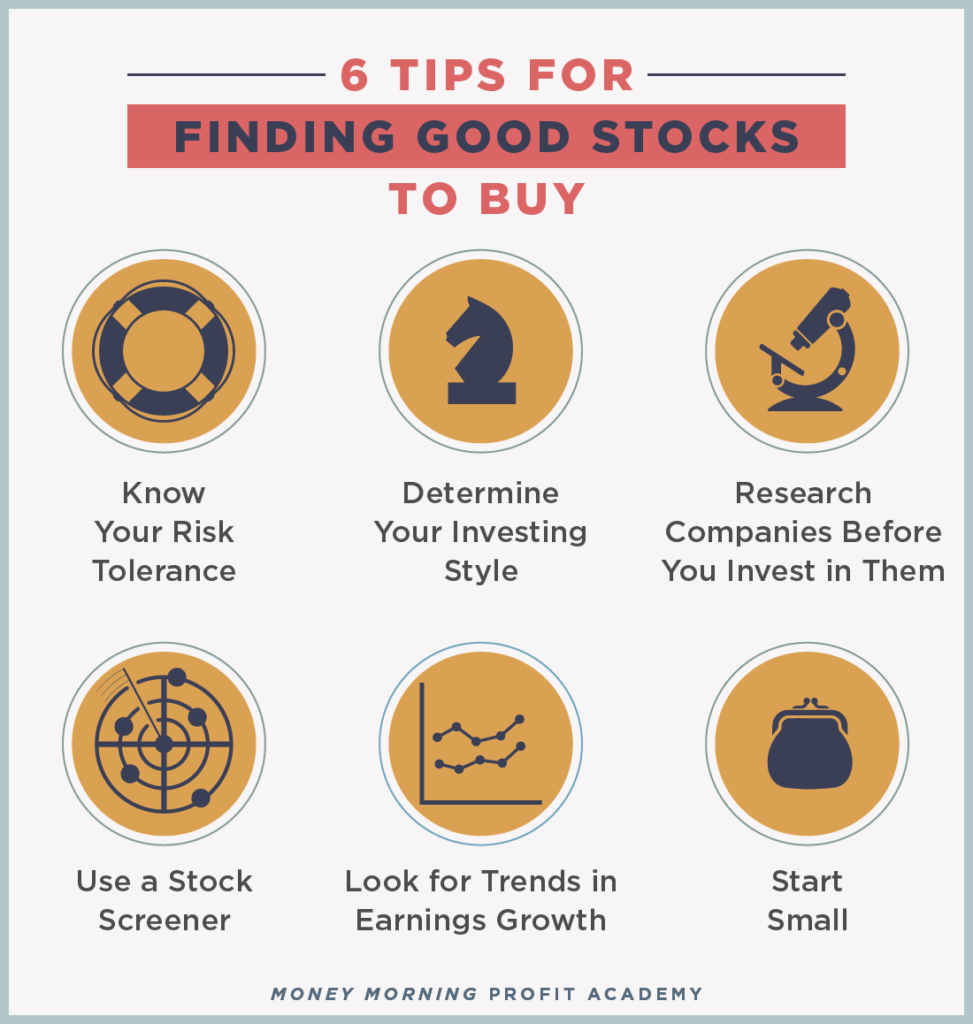
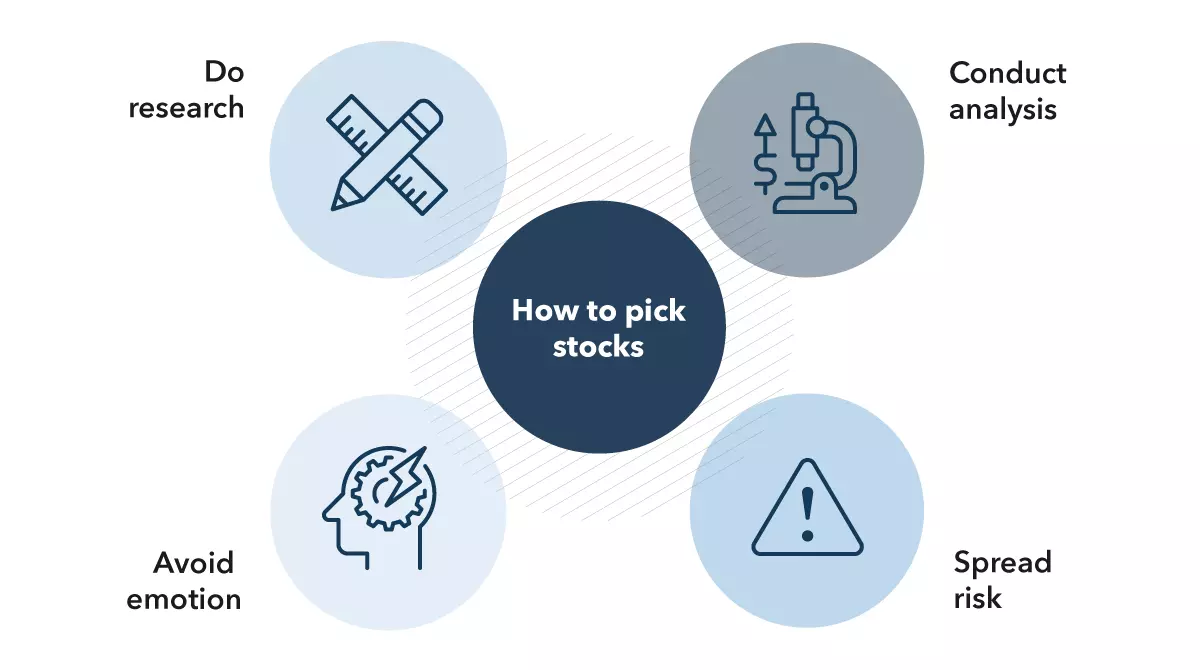
However, historical data consistently demonstrates that, over extended periods (10 years or more), the stock market has trended upwards, rewarding patient investors. The key is to understand your personal risk tolerance and align your investment strategy accordingly. Diversification, investing across various stocks and industries, is a critical strategy to mitigate individual stock risk and achieve a more stable portfolio performance.
Setting the Stage: Preparation Before You Buy
Before diving headfirst into buying stocks, a thoughtful preparatory phase is essential. This involves understanding your personal financial landscape and defining your investment philosophy. Skipping these steps can lead to ill-informed decisions and unnecessary financial stress.
Define Your Investment Goals and Timeline
What are you investing for? Your investment goals will largely dictate your strategy. Are you saving for retirement decades away, a down payment on a house in five years, or your child’s education fund in fifteen?
-
Long-term goals (10+ years): Typically allow for a higher allocation to growth-oriented assets like stocks, as there’s more time to recover from market downturns.
-
Medium-term goals (3-10 years): May require a more balanced approach, potentially blending stocks with less volatile assets like bonds.
-
Short-term goals (under 3 years): Generally not suitable for significant stock market exposure due to potential volatility.
Clearly defining your goals and the timeline for achieving them will help you select appropriate investments and maintain discipline throughout your journey.
Assess Your Risk Tolerance
Risk tolerance is your comfort level with the possibility of losing money in exchange for potential gains. It’s a highly personal factor influenced by your financial situation, personality, and investment experience. A young investor with stable income and a long time horizon might have a higher risk tolerance, comfortable with greater stock market exposure. Conversely, someone nearing retirement with limited income might prefer a more conservative approach.
Consider these questions: How would you react if your portfolio dropped by 20% in a month? Would you panic and sell, or see it as a buying opportunity? Many online brokers offer risk tolerance questionnaires that can provide a useful starting point for self-assessment. Understanding your risk tolerance is vital for building a portfolio that allows you to sleep soundly at night.
Build an Emergency Fund
This is arguably the most crucial step before you even think about buying stocks. An emergency fund is a readily accessible pool of money (typically 3-6 months’ worth of living expenses, or more) stored in a high-yield savings account or similar liquid vehicle.
The purpose of an emergency fund is to cover unexpected expenses like job loss, medical emergencies, or car repairs without forcing you to sell your investments at an inopportune time. Dipping into your investment portfolio during a market downturn because you lack an emergency fund can severely undermine your long-term growth and lead to permanent losses. Ensure this safety net is firmly in place before allocating funds to the stock market.
Understand Your Financial Capacity
How much can you realistically afford to invest? This isn’t just about what you have, but what you can comfortably set aside without compromising your current financial stability. After covering all essential expenses, contributing to your emergency fund, and paying down high-interest debt, any remaining discretionary income can be considered for investment.
Starting small is perfectly acceptable and often recommended. Even modest, consistent contributions can grow substantially over time due to the power of compounding. The key is consistency and ensuring your investments don’t put a strain on your daily living or savings for other immediate needs.
Your Entry Point: Choosing an Investment Platform
Once you’re prepared, the next step is to select the right platform through which you’ll buy and sell stocks. The choice of platform will depend on your investment style, budget, and desired level of involvement.
Online Brokerage Accounts
For most retail investors, opening an online brokerage account is the primary way to access the stock market. These platforms allow you to buy and sell a wide range of investments, including individual stocks, ETFs, mutual funds, and bonds.
-
Discount Brokers: These platforms, such as Fidelity, Charles Schwab, Vanguard, TD Ameritrade (now part of Schwab), E*TRADE, and Interactive Brokers, offer low-cost or commission-free trading, extensive research tools, and self-directed investing. They are ideal for investors who want to manage their own portfolios.
-
Full-Service Brokers: While less common for individual stock purchases by new investors, these brokers offer personalized financial advice, portfolio management, and a broader range of services. They come with higher fees and are typically suited for high-net-worth individuals seeking comprehensive wealth management.
When choosing an online broker, consider factors such as trading fees (many now offer commission-free stock and ETF trades), minimum deposit requirements, available investment products, research tools, customer support quality, and the user-friendliness of their interface.
Robo-Advisors
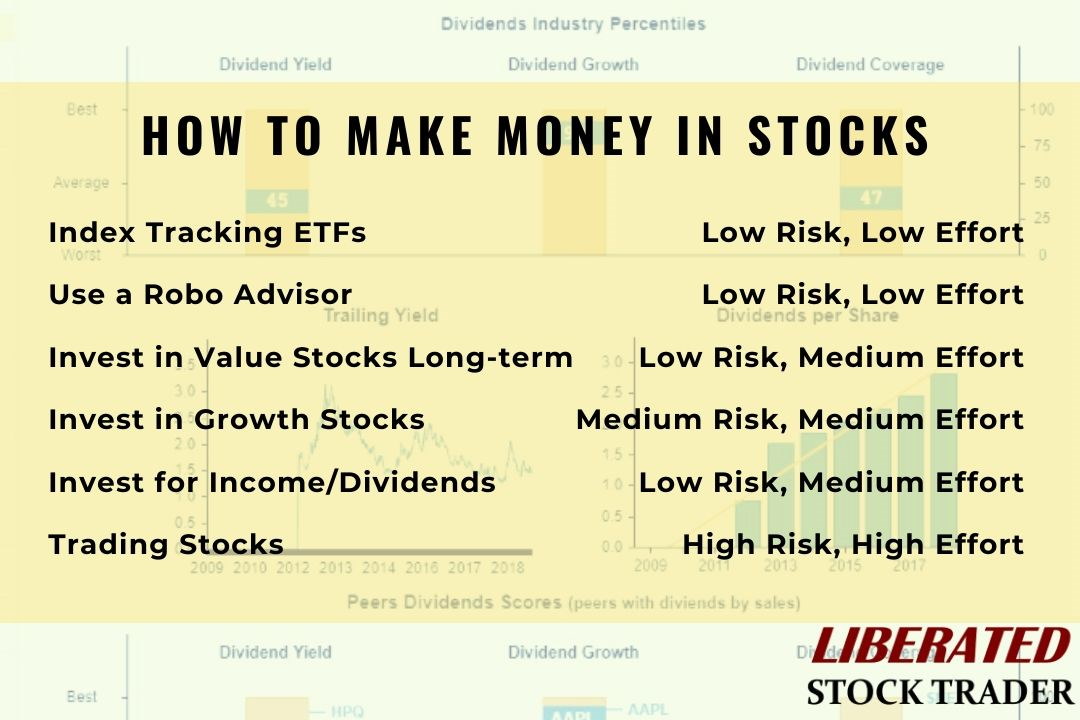
Robo-advisors are automated investment platforms that use algorithms to build and manage diversified portfolios based on your financial goals and risk tolerance. They typically invest in low-cost exchange-traded funds (ETFs) and automatically rebalance your portfolio to maintain your desired asset allocation.
Companies like Betterment and Wealthfront are popular robo-advisors. They are an excellent option for beginners or those who prefer a hands-off approach to investing. While they charge a small management fee (usually a percentage of assets under management), it’s generally much lower than traditional financial advisors. Robo-advisors make getting stocks (indirectly, through diversified funds) incredibly simple and accessible.
Employer-Sponsored Plans (e.g., 401(k), 403(b))
If your employer offers a retirement plan like a 401(k) (private sector) or 403(b) (non-profit/education), you are already investing in the stock market, often without directly picking individual stocks. These plans typically offer a selection of mutual funds or ETFs that hold a diversified basket of stocks, alongside other asset classes.
Maximizing your contributions to these plans, especially if your employer offers a matching contribution, is often the smartest first step in getting exposure to stocks. Employer matches are essentially “free money” and provide an immediate, guaranteed return on your investment.
Direct Stock Purchase Plans (DSPs) & Dividend Reinvestment Plans (DRIPs)
While less common for a diversified portfolio, some companies offer Direct Stock Purchase Plans (DSPs) that allow you to buy shares directly from the company or its transfer agent, bypassing a broker. Similarly, many companies offer Dividend Reinvestment Plans (DRIPs), allowing you to automatically reinvest your cash dividends back into buying more shares of that same company, often commission-free or at a reduced cost. These are useful for long-term investors focused on specific companies, but generally not the primary method for building a broad portfolio.
Making Your First Purchase: Step-by-Step
With your preparation complete and a platform chosen, you’re ready to make your first investment. This process involves a few straightforward steps.
Open and Fund Your Brokerage Account
The first step is to open an account with your chosen brokerage. This typically involves providing personal information (name, address, date of birth, Social Security Number) for identity verification (Know Your Customer or KYC regulations). Once your account is approved, you’ll need to fund it. This can be done via:
-
ACH Transfer: Electronically linking your bank account to your brokerage account. This is the most common and usually free method, though it can take a few business days for funds to clear.
-
Wire Transfer: Faster but typically incurs fees from your bank.
-
Check: Mailing a check to your brokerage.
-
Transfer from another brokerage: If you’re moving an existing account.
Researching Stocks (or Funds)
This is where your investment decisions come to life. For individual stocks, research involves understanding a company’s business model, financial health (revenue, earnings, debt), competitive landscape, and management team. This is known as fundamental analysis. Look at financial statements, analyst reports, and news.
For new investors, especially those without the time or inclination for deep individual company research, Exchange Traded Funds (ETFs) or mutual funds are highly recommended. These funds hold a basket of many different stocks, providing instant diversification and reducing the risk associated with investing in a single company. You can choose ETFs that track broad market indexes (e.g., S&P 500), specific sectors, or even international markets.
Placing Your Trade
Once you’ve decided what to buy and have sufficient funds, you’ll place an order through your brokerage platform. Key order types include:
-
Market Order: Instructs the broker to buy or sell shares immediately at the best available current market price. While quick, the price might fluctuate slightly between placing the order and its execution.
-
Limit Order: Specifies the maximum price you’re willing to pay to buy or the minimum price you’re willing to accept to sell. Your order will only execute if the stock reaches your specified price. This gives you more control over the price but might mean your order isn’t filled if the price isn’t met.
Many brokers also offer the option to buy fractional shares, allowing you to invest a specific dollar amount (e.g., $100) into a stock, even if the share price is higher, making investing in expensive stocks more accessible.
Confirmation and Monitoring
After placing your trade, you’ll receive a trade confirmation. This document details the stock purchased, the price, the number of shares, and any fees. While it’s important to monitor your investments, resist the urge to check prices daily. Stock market investing is a long-term game. Periodically review your portfolio’s performance, re-evaluate your investment goals, and make adjustments as necessary to stay aligned with your strategy.
Long-Term Strategies and Mindset
Getting started is only half the battle; sustaining your investment journey requires adopting a long-term mindset and employing proven strategies that foster growth and resilience.
The Power of Diversification
Diversification is the bedrock of intelligent investing. It means spreading your investments across various assets, industries, and geographies to reduce overall risk. The adage “don’t put all your eggs in one basket” perfectly applies here. If one sector or company performs poorly, the impact on your overall portfolio is mitigated by the performance of others.
For beginners, index funds or broad-market ETFs (e.g., those tracking the S&P 500, total U.S. stock market, or international stocks) offer instant, cost-effective diversification. These funds automatically invest in hundreds or thousands of companies, significantly reducing the risk associated with individual stock picking.
Dollar-Cost Averaging (DCA)
Dollar-cost averaging is a powerful strategy where you invest a fixed amount of money at regular intervals (e.g., $200 every month), regardless of the stock’s price. When prices are high, your fixed amount buys fewer shares; when prices are low, it buys more shares. Over time, this strategy averages out your purchase price, reducing the risk of making a large investment just before a market downturn and removing the emotional burden of trying to “time the market.” DCA fosters disciplined, consistent investing, which is crucial for long-term wealth accumulation.
Long-Term Perspective and Patience
The most successful investors are often those who exhibit patience and maintain a long-term perspective. The stock market experiences cycles of booms and busts, corrections and rallies. Short-term fluctuations are normal and often unpredictable. Trying to react to every market swing through frequent buying and selling (market timing) rarely works and often leads to worse returns due to transaction costs and missed opportunities.
Instead, focus on the long-term growth potential. Companies, and the broader economy, tend to grow over time. By staying invested through market volatility, you give your capital the time it needs to compound and generate substantial returns. “Time in the market, not timing the market,” is a mantra worth adopting.
Continuous Learning and Adaptation
The financial world is constantly evolving. Successful investors are lifelong learners, staying informed about economic trends, company performance, and new investment vehicles. Read financial news, books, and reputable articles. Understand the companies you own.
Periodically review your portfolio and financial goals. As your life circumstances change (marriage, children, career changes, retirement nearing), your investment strategy may need to adapt. Regular check-ups, perhaps annually or bi-annually, allow you to ensure your portfolio remains aligned with your current risk tolerance and objectives, making adjustments as needed.
In conclusion, getting stocks is a practical and accessible path to building financial security and wealth. By understanding the basics, preparing thoroughly, choosing the right platform, executing your first trades with care, and adopting a long-term, disciplined approach, you can confidently embark on your journey as a stock market investor. The barrier to entry has never been lower, making now an opportune time to take control of your financial future and begin investing.
aViewFromTheCave is a participant in the Amazon Services LLC Associates Program, an affiliate advertising program designed to provide a means for sites to earn advertising fees by advertising and linking to Amazon.com. Amazon, the Amazon logo, AmazonSupply, and the AmazonSupply logo are trademarks of Amazon.com, Inc. or its affiliates. As an Amazon Associate we earn affiliate commissions from qualifying purchases.