
Embarking on the journey of stock market investing can feel like stepping into a complex labyrinth. For many, the idea of buying stocks is shrouded in jargon, perceived risk, and a sense of exclusivity. However, the truth is that with the right foundational knowledge and a disciplined approach, stock market investing is accessible to virtually anyone looking to build wealth and secure their financial future. This guide is designed to demystify the process, providing a clear, actionable roadmap for beginners eager to make their first foray into the world of stocks.
Understanding the Fundamentals: What Are Stocks and Why Invest?
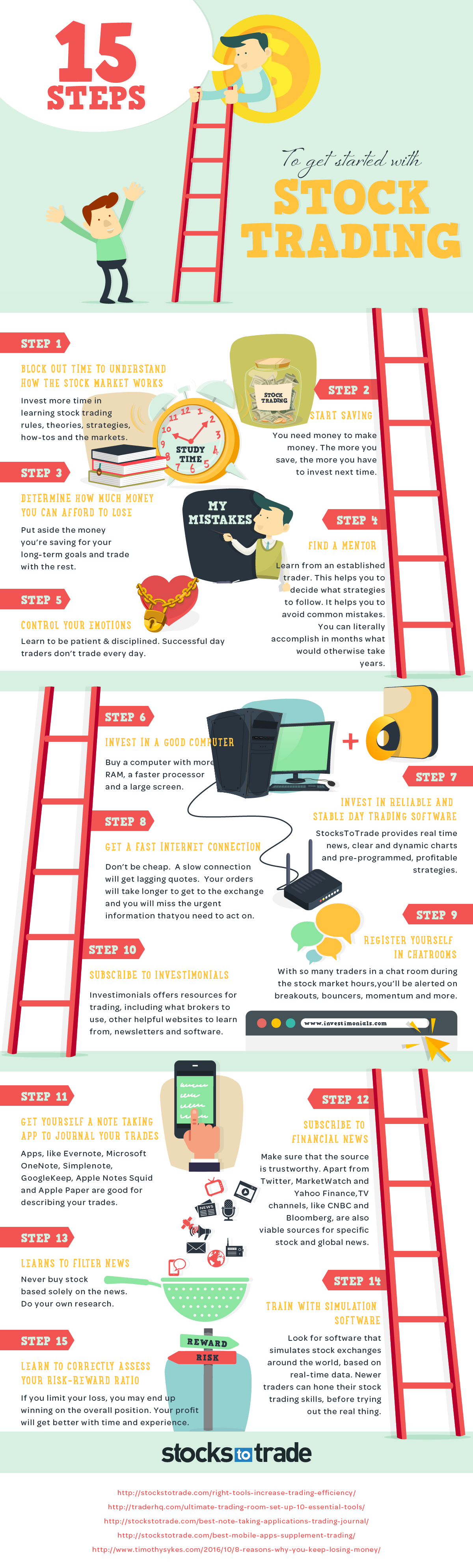
Before you even consider opening a brokerage account, it’s crucial to grasp the basic concepts of what stocks are and the underlying rationale for investing in them. A solid understanding here will serve as the bedrock for all subsequent decisions.
Demystifying Stocks: Ownership in Action
At its core, a stock (also known as equity) represents a small fractional ownership in a company. When you buy a share of stock, you become a shareholder, meaning you own a tiny piece of that corporation. This ownership grants you certain rights, most notably a claim on the company’s assets and earnings, and often a right to vote on certain corporate matters. Companies issue stocks to raise capital, which they then use to fund operations, expand, develop new products, or pay off debt. For investors, buying stocks means participating directly in the success (or failure) of these businesses.
The Allure of Equity: Growth and Income Potential
The primary reason individuals invest in stocks is the potential for capital appreciation and, in some cases, income generation.
- Capital Appreciation: This occurs when the value of the stock increases over time. If you buy a stock at $50 and its price rises to $75, you’ve gained $25 per share. This growth is driven by a multitude of factors, including company performance, industry trends, economic conditions, and investor sentiment. Historically, over the long term, the stock market has offered returns that outpace inflation and other common asset classes like bonds or savings accounts, making it a powerful tool for wealth accumulation.
- Dividends: Many companies, particularly mature and profitable ones, share a portion of their earnings with shareholders in the form of regular payments called dividends. These can be a valuable source of passive income, especially for retirement planning or for reinvesting to compound returns over time. While not all stocks pay dividends, those that do can offer a dual benefit of potential capital growth and consistent income.
Acknowledging the Risks: Volatility and Market Swings
While the potential rewards of stock market investing are significant, it’s equally important to acknowledge the inherent risks. Stock prices are volatile and can fluctuate dramatically in response to company news, economic data, geopolitical events, and even investor psychology. There’s always the risk of losing some or all of your invested capital. Downturns, known as bear markets, are a natural part of the economic cycle. Understanding and accepting this volatility is key to developing a resilient investment mindset. The goal isn’t to eliminate risk entirely but to manage it intelligently through diversification and a long-term perspective.
Laying the Groundwork: Preparing for Your Investment Journey
Before you allocate a single dollar to the stock market, a series of preparatory steps are crucial. These steps ensure you’re financially ready, emotionally prepared, and equipped with the necessary knowledge to make informed decisions.
Defining Your Financial Goals and Timeline
What do you hope to achieve by investing in stocks? Are you saving for retirement in 30 years, a down payment on a house in five years, or a child’s education in ten? Your financial goals, and the timeline associated with them, will significantly influence your investment strategy. Long-term goals generally allow for greater risk tolerance and potentially higher returns, as market fluctuations can smooth out over extended periods. Shorter-term goals might necessitate a more conservative approach. Clearly articulating these goals will provide direction and help you stay focused during market ups and downs.
Assessing Your Risk Tolerance: A Candid Self-Evaluation
Risk tolerance is your psychological willingness and financial ability to take on risk. Some people are comfortable with significant market volatility in pursuit of higher returns, while others prefer a more stable, albeit potentially lower-growth, approach. Be honest with yourself about how much risk you can truly stomach without losing sleep. Factors like your age, income stability, existing savings, and personality all play a role. A higher risk tolerance might lead you towards growth stocks or emerging markets, while a lower tolerance might point to established blue-chip companies or diversified index funds.
Building Your Knowledge Base: The Power of Research
Ignorance is not bliss in investing; it’s a recipe for potential losses. Dedicate time to learning. Read books on investing, follow reputable financial news sources, understand basic financial statements (like income statements and balance sheets), and learn about different investment vehicles. Familiarize yourself with key terms like P/E ratio, market capitalization, dividends, and diversification. The more you understand, the more confident and competent you’ll become in making your own investment decisions, rather than relying on hearsay or fleeting trends.
The Importance of an Emergency Fund and Debt Management
Before funneling money into stocks, ensure your personal financial house is in order. First, establish a robust emergency fund, typically 3-6 months’ worth of living expenses, held in a liquid, easily accessible account (like a high-yield savings account). This fund acts as a financial safety net, preventing you from being forced to sell your investments at an inopportune time if an unexpected expense arises. Second, address high-interest debt, such as credit card balances. The interest rates on such debts often far exceed the potential returns you might earn in the stock market, making debt repayment a financially savvy priority.
Taking the Plunge: Opening an Investment Account
With your foundation laid and your financial house in order, the next practical step is to open an investment account. This is your gateway to the stock market.
Choosing the Right Brokerage: Full-Service vs. Discount
An investment brokerage firm acts as an intermediary, executing your buy and sell orders. There are two main types:
- Full-Service Brokerages: These offer comprehensive financial advice, personalized portfolio management, research, and other premium services. They typically charge higher fees, often a percentage of assets under management or per-trade commissions. They are suited for investors who prefer a hands-off approach and desire professional guidance.
- Discount Brokerages (Online Brokerages): These are digital platforms that allow you to manage your investments yourself, offering lower fees, often commission-free trades for stocks and ETFs. They provide tools, research, and educational resources, but the investment decisions are ultimately yours. For most beginner investors, a reputable online discount brokerage like Fidelity, Charles Schwab, Vanguard, or Robinhood (for simpler interfaces) is an excellent starting point due to their low costs and user-friendly platforms.
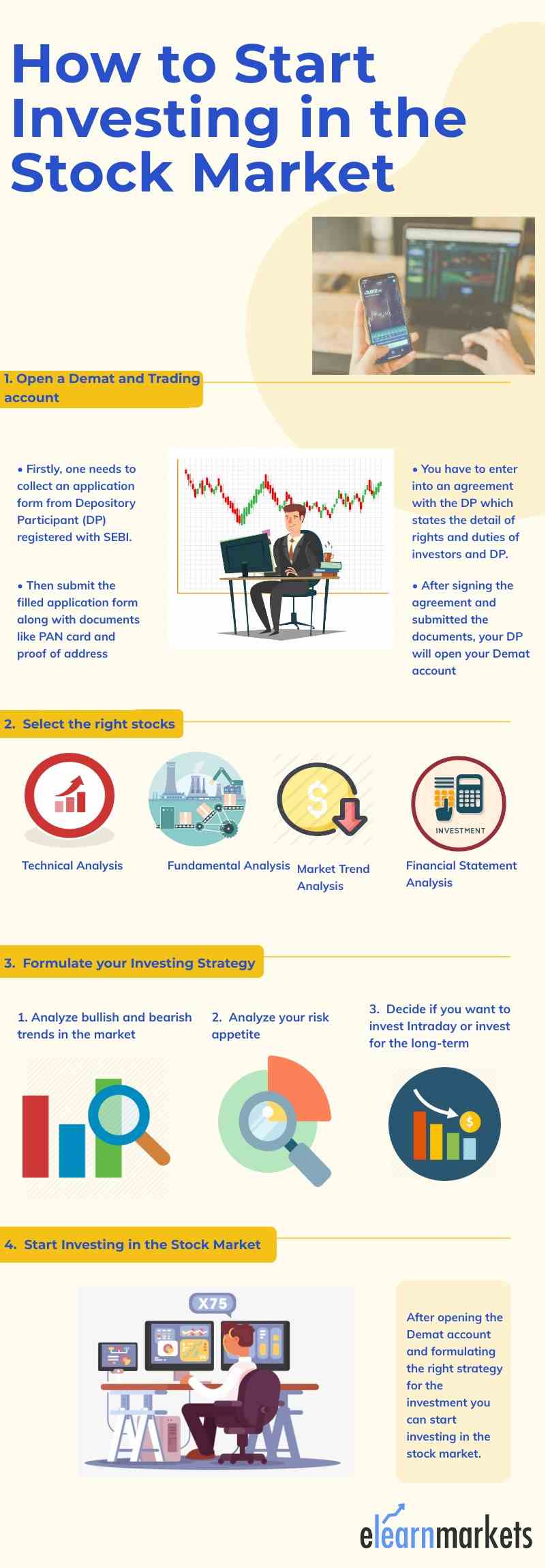
When choosing a brokerage, consider factors like fees, minimum deposit requirements, available investment products, research tools, customer service, and ease of use.
Understanding Account Types: Brokerage, IRA, 401(k)
You’ll need to decide what type of account best suits your needs:
- Taxable Brokerage Account: This is the most straightforward account, allowing you to invest after-tax money. There are no limits on contributions, and you can withdraw funds anytime, though capital gains (profits from selling investments) and dividends are subject to taxes.
- Retirement Accounts (IRAs, 401(k)s): These accounts offer significant tax advantages for long-term retirement savings.
- Individual Retirement Accounts (IRAs): You can open a Traditional IRA (contributions may be tax-deductible, withdrawals taxed in retirement) or a Roth IRA (contributions are after-tax, qualified withdrawals in retirement are tax-free).
- 401(k): Offered through employers, contributions are often pre-tax, and many employers offer matching contributions, which is essentially free money.
For beginners, it’s often wise to prioritize contributing enough to a 401(k) to get the full employer match, then maxing out a Roth IRA (if eligible), before contributing to a taxable brokerage account. The tax benefits of retirement accounts can significantly boost long-term wealth.
Funding Your Account: Making Your First Deposit
Once your account is open, you’ll need to fund it. Most brokerages allow you to deposit money via:
- Electronic Funds Transfer (EFT): Linking your bank account for direct transfers, typically taking a few business days.
- Wire Transfer: Faster but often with associated fees.
- Check Deposit: Mailing a check, which takes the longest.
- Rollover: Transferring funds from an existing retirement account (e.g., an old 401(k) from a previous employer).
Start with an amount you’re comfortable losing, especially as you’re learning. It doesn’t have to be a huge sum; even small, regular contributions can compound significantly over time.
Crafting Your Strategy: Smart Approaches for New Investors
With your account set up, it’s time to think about how you’ll invest. A well-defined strategy, particularly one suited for beginners, is crucial for long-term success and mitigating common pitfalls.
The Power of Diversification: Don’t Put All Your Eggs in One Basket
Diversification is perhaps the most fundamental principle of smart investing. It means spreading your investments across various assets, industries, and geographies to reduce overall risk. If you put all your money into a single stock and that company performs poorly, your entire portfolio suffers. By diversifying, if one investment falters, others might perform well, offsetting the losses. For beginners, this often means investing in a mix of different companies, industries, and even different asset classes (like stocks and bonds), or more simply, using diversified funds.
Embracing a Long-Term Perspective: Time in the Market Beats Timing the Market
The most successful investors often preach patience. Stock market investing is not a get-rich-quick scheme. Trying to predict market peaks and troughs (“timing the market”) is notoriously difficult, even for professionals, and often leads to missing out on significant gains. A long-term perspective (5, 10, 20+ years) allows your investments to weather short-term volatility, benefit from compounding returns, and participate in the overall upward trend of the market. Adopt a buy-and-hold strategy, focusing on quality companies and letting time do the heavy lifting.
Considering Index Funds and ETFs for Simplicity
For beginners, individual stock picking can be daunting and risky. Index funds and Exchange-Traded Funds (ETFs) offer a fantastic solution:
- Index Funds: These are mutual funds that aim to track a specific market index, such as the S&P 500 (which represents 500 of the largest U.S. companies). By investing in an S&P 500 index fund, you instantly gain exposure to hundreds of companies, achieving broad diversification with a single investment. They are passively managed and typically have very low fees.
- ETFs: Similar to index funds, ETFs often track an index but trade like individual stocks on an exchange throughout the day. They also offer broad diversification and low expense ratios.
Investing in a broad market index fund or ETF is often recommended for beginners because it provides instant diversification, requires minimal active management, and historically delivers strong returns over the long term.
Dollar-Cost Averaging: Smoothing Out Volatility
Dollar-cost averaging is a strategy where you invest a fixed amount of money at regular intervals (e.g., $100 every month), regardless of the stock price. This approach has two key benefits:
- Removes Emotion: You avoid the temptation to time the market.
- Reduces Risk: When prices are high, your fixed dollar amount buys fewer shares; when prices are low, it buys more shares. Over time, this averages out your purchase price and can lead to a lower average cost per share than if you tried to buy all at once. It’s a powerful, disciplined strategy that automates your investing and leverages market fluctuations to your advantage.
Navigating the Journey: Continuous Learning and Avoiding Pitfalls
Investing is an ongoing process, not a one-time event. Even after you’ve started, continuous learning and vigilance against common mistakes are vital for sustained success.
Common Mistakes to Avoid: Emotional Decisions and Chasing Trends
Perhaps the biggest enemy of a new investor is their own emotions. Fear can lead you to sell during market downturns, locking in losses, while greed can tempt you to chase “hot” stocks or speculative investments without proper research. Avoid making decisions based on hype, social media trends, or panic. Stick to your long-term plan, based on your goals and risk tolerance. Similarly, avoid over-trading, which often leads to higher fees and lower returns. Patience and discipline are your most valuable assets.
Monitoring Your Portfolio (Without Obsession)
While a long-term perspective is key, it doesn’t mean completely ignoring your investments. It’s wise to review your portfolio periodically (e.g., quarterly or semi-annually) to ensure it still aligns with your goals and risk tolerance. You might need to rebalance your portfolio if certain assets have grown disproportionately, or adjust your strategy as your life circumstances change. However, resist the urge to check your portfolio daily or even weekly; constant monitoring can fuel anxiety and lead to impulsive decisions.

The Imperative of Ongoing Education
The financial world is dynamic, with new products, regulations, and economic trends constantly emerging. Consider your initial steps into stock investing as just the beginning of your financial education. Continue reading, learning, and expanding your knowledge base. Explore different investment strategies, delve deeper into company analysis, and understand macroeconomic factors. The more you learn, the better equipped you’ll be to adapt to changing market conditions and make increasingly sophisticated financial decisions.
Getting started with stocks can seem intimidating, but by breaking it down into manageable steps – understanding the basics, preparing financially and mentally, opening the right accounts, adopting smart strategies, and committing to continuous learning – you can confidently embark on a rewarding journey towards financial independence and wealth creation. Remember, consistency, patience, and discipline are your greatest allies in the stock market.
aViewFromTheCave is a participant in the Amazon Services LLC Associates Program, an affiliate advertising program designed to provide a means for sites to earn advertising fees by advertising and linking to Amazon.com. Amazon, the Amazon logo, AmazonSupply, and the AmazonSupply logo are trademarks of Amazon.com, Inc. or its affiliates. As an Amazon Associate we earn affiliate commissions from qualifying purchases.