
Embarking on the journey of stock market investing can feel like stepping into a complex labyrinth, especially for beginners. The sheer volume of information, coupled with the myriad of platforms and strategies, often leads to analysis paralysis. However, the stock market, when approached with a clear understanding and a disciplined mindset, remains one of the most powerful avenues for wealth creation and financial independence. This guide aims to demystify the process, providing a structured pathway for anyone looking to take their first steps into the world of stocks.
Laying the Foundation: Understanding the Stock Market
Before you even consider opening a brokerage account, it’s crucial to grasp the fundamental concepts that underpin the stock market. A solid theoretical foundation will empower you to make informed decisions rather than relying on speculation or emotion.
What Exactly Are Stocks?
At its core, a stock (also known as equity) represents a fractional ownership interest in a company. When you buy a stock, you become a shareholder, meaning you own a tiny piece of that corporation. This ownership entitles you to a share of the company’s assets and earnings, and in some cases, voting rights on corporate matters. Companies issue stocks to raise capital for various purposes, such as expanding operations, research and development, or paying off debt. The value of your stock fluctuates based on the company’s performance, industry trends, economic conditions, and overall market sentiment. Understanding this fundamental relationship between a company’s health and its stock price is paramount.
Why Invest in Stocks? The Growth Potential
Historically, stocks have outperformed most other asset classes over the long term, offering a significant hedge against inflation and providing substantial capital appreciation. The appeal of stock investing lies in its potential for compounded returns, where your earnings from investments also start earning returns themselves. This exponential growth can transform modest initial investments into significant wealth over decades. Beyond capital appreciation, many stocks also offer dividends – a portion of the company’s profits distributed to shareholders, providing a regular income stream. For those aiming to build long-term wealth, combat inflation, and achieve financial goals like retirement or a down payment on a house, stocks are often an indispensable component of a diversified portfolio.
Demystifying Market Volatility and Risk
It’s impossible to discuss stock investing without addressing volatility and risk. The stock market is dynamic; prices can rise and fall significantly, sometimes rapidly, due to a multitude of factors. This inherent volatility is what makes some hesitant, but it’s also where opportunities often arise. Understanding that short-term fluctuations are normal and not necessarily indicative of long-term trends is key. Risks in stock investing include market risk (the overall market declining), company-specific risk (a particular company performing poorly), and liquidity risk (difficulty selling shares quickly). However, these risks can be mitigated through diversification, long-term investing horizons, and thorough research. It’s crucial to invest only what you can afford to lose and to recognize that patience is a virtue in the stock market.
Preparing for Your Investment Journey
Successful investing isn’t just about picking the right stocks; it begins with personal financial preparedness. Laying a robust financial groundwork ensures that your investment decisions are sound and sustainable.
Assess Your Financial Health and Set Clear Goals
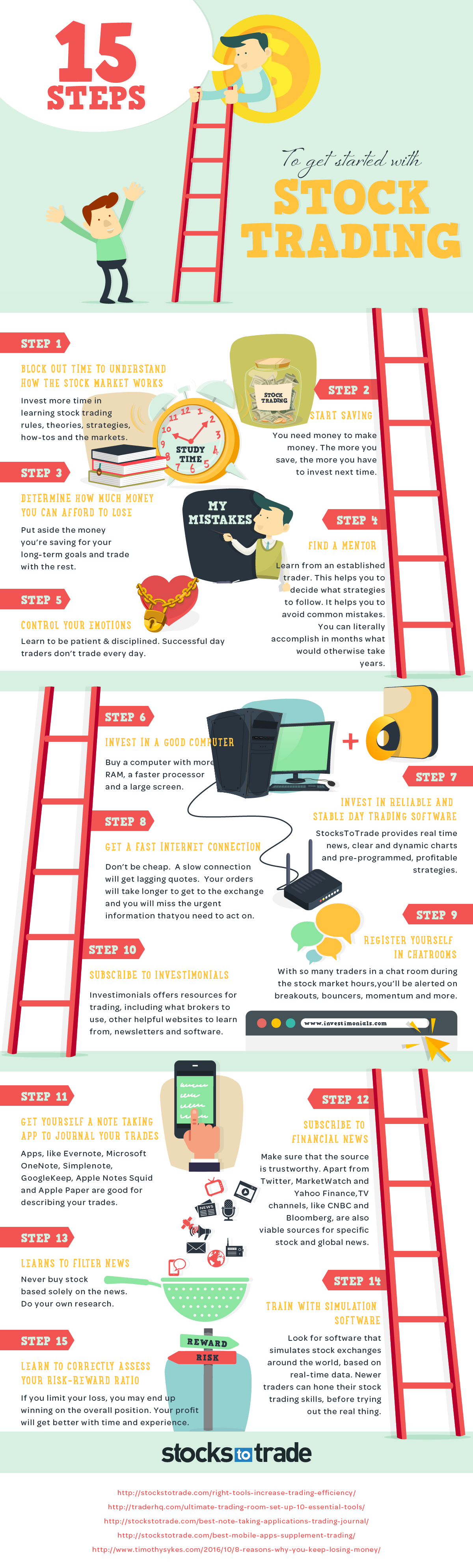
Before allocating any capital to stocks, conduct a thorough review of your current financial situation. This involves understanding your income, expenses, debts, and savings. Prioritize establishing an emergency fund, ideally covering 3-6 months of living expenses, in an easily accessible, liquid account. This fund acts as a financial safety net, preventing you from having to sell investments at an inopportune time should unexpected expenses arise. Concurrently, define your investment goals: Are you saving for retirement in 30 years? A down payment in five? A child’s education? Clear, measurable goals will inform your investment strategy, risk tolerance, and time horizon. Without defined objectives, your investment journey will lack direction.
Determine Your Risk Tolerance
Your risk tolerance is a critical factor that dictates the type of investments suitable for you. It refers to your psychological comfort level with potential losses in exchange for higher returns. Someone with a high-risk tolerance might be comfortable investing in volatile growth stocks, while someone with a low-risk tolerance might prefer more stable, dividend-paying companies or exchange-traded funds (ETFs). Factors influencing risk tolerance include age, income stability, existing assets, and personality. Generally, younger investors with a longer time horizon can afford to take on more risk, as they have more time to recover from market downturns. Be honest with yourself about how much volatility you can stomach; investing beyond your comfort level often leads to impulsive, costly decisions.
The Power of Saving and Budgeting Before Investing
Investing is a long-term commitment that requires consistent capital. Therefore, effective saving and budgeting are the bedrock of any successful investment plan. Creating a realistic budget helps you track your income and expenses, identify areas for savings, and allocate funds specifically for investing. Automating your savings by setting up recurring transfers from your checking to your investment account is an incredibly effective strategy. Even small, consistent contributions can grow significantly over time due to the power of compounding. Think of your investment contributions as a non-negotiable expense, much like rent or utilities. This disciplined approach ensures a steady flow of capital into your portfolio, regardless of market conditions.
Practical Steps to Begin Investing
Once you’ve established your financial foundation and set your goals, it’s time to translate your preparation into action. This involves choosing a platform and selecting your initial investment vehicles.
Choosing the Right Brokerage Account
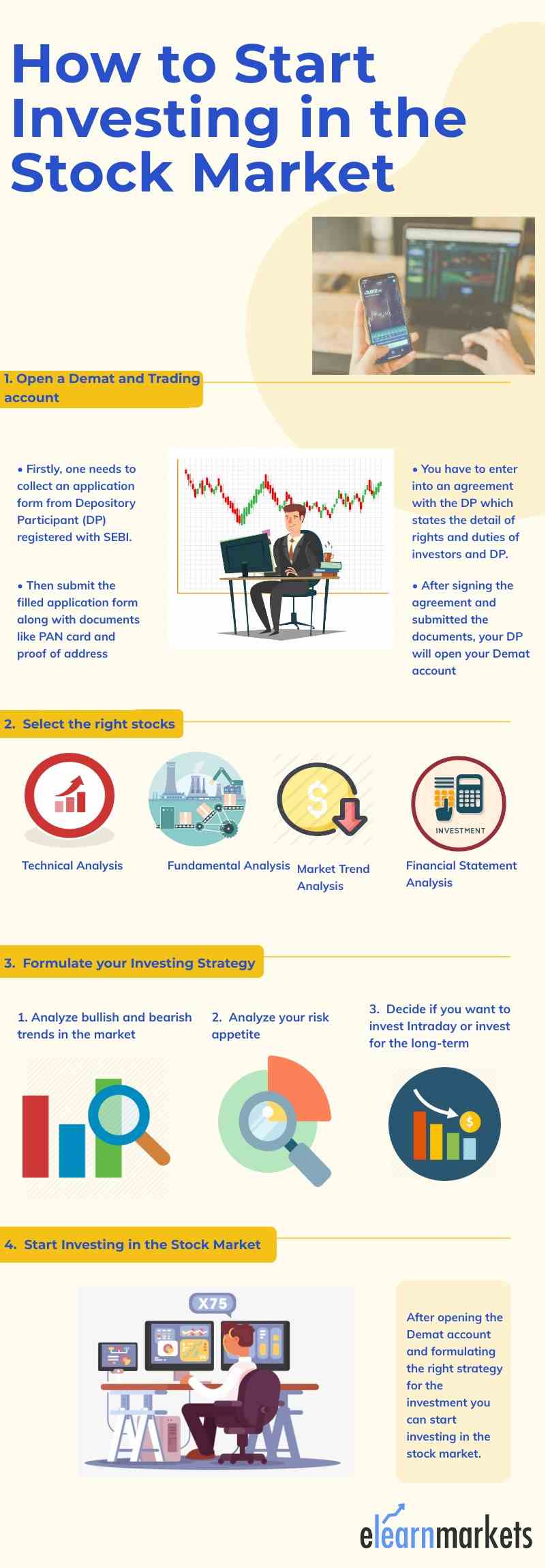
To buy and sell stocks, you need a brokerage account. These accounts are offered by financial institutions that act as intermediaries between you and the stock market. There are numerous options available, each with different features, fee structures, and tools.
- Full-service brokers: Offer comprehensive financial advice, personalized portfolio management, and a wide range of services, often at a higher cost.
- Discount brokers: Provide lower fees and commissions, self-directed trading platforms, and often a wealth of educational resources. These are typically preferred by beginners.
When choosing a broker, consider factors such as: - Fees: Look for commission-free stock and ETF trading.
- Minimum deposit: Some brokers require a minimum initial deposit.
- User interface: A user-friendly platform is essential for new investors.
- Research tools and educational resources: Robust tools can help you make informed decisions.
- Customer support: Accessible and helpful support is invaluable.
Open an individual brokerage account, link it to your bank account, and fund it. This is your gateway to the market.
Understanding Investment Vehicles: Stocks, ETFs, and Mutual Funds
While the title focuses on “stocks,” for a beginner, it’s crucial to understand that direct stock picking isn’t the only, or even necessarily the best, starting point.
- Individual Stocks: Buying shares of specific companies. This offers the potential for high returns but also carries higher company-specific risk. It requires significant research and conviction.
- Exchange-Traded Funds (ETFs): A basket of various stocks (or other assets) that trades like an individual stock. ETFs offer instant diversification, often at a low cost, tracking indices like the S&P 500 or focusing on specific sectors. They are an excellent starting point for beginners, as they reduce the risk associated with investing in a single company.
- Mutual Funds: Similar to ETFs in offering diversification through a portfolio of assets, but they are actively managed by a fund manager and trade only once per day after the market closes. They often have higher fees than ETFs.
For beginners, starting with broad-market ETFs (e.g., an S&P 500 index ETF) is often recommended. They provide immediate diversification and performance that mirrors the overall market, making it simpler to get started without deep dives into individual company analysis.
Placing Your First Trade: A Step-by-Step Guide
Once your brokerage account is funded, placing your first trade is straightforward.
- Research: If choosing individual stocks, thoroughly research the company using financial reports, news, and analyst ratings. If opting for an ETF, understand what index or sector it tracks.
- Order Type: For beginners, a “market order” or “limit order” are common. A market order buys or sells at the best available current price. A limit order allows you to specify the maximum price you’re willing to pay (or minimum price you’re willing to sell at), providing more control but risking the order not being filled if the price isn’t met.
- Quantity: Decide how many shares you want to buy. Many brokers now offer fractional shares, allowing you to invest a specific dollar amount (e.g., $100) instead of having to buy whole shares, which is great for small initial investments.
- Review and Confirm: Double-check all details before submitting your order.
Congratulations, you’ve made your first investment! Remember that this is the beginning of a long-term strategy, not a one-off event.
Developing a Smart Investment Strategy
Effective investing isn’t about making quick gains but about adopting a disciplined, long-term strategy that aligns with your financial goals and risk tolerance.
The Importance of Diversification
Diversification is perhaps the most fundamental principle of prudent investing. It’s the strategy of spreading your investments across various asset classes, industries, and geographies to minimize risk. The adage “don’t put all your eggs in one basket” perfectly encapsulates this concept. If you invest all your money in a single company and that company falters, your entire investment is at risk. By diversifying across different stocks, ETFs, mutual funds, and even other asset classes like bonds or real estate, you mitigate the impact of any single poor-performing investment. A well-diversified portfolio aims to achieve smoother returns over time by balancing risk and reward.
Long-Term vs. Short-Term Investing Philosophies
When starting out, it’s vital to embrace a long-term investment philosophy. Long-term investors focus on holding assets for many years (often decades), riding out market fluctuations and benefiting from compounding growth. This approach reduces the impact of short-term volatility and allows investments to mature. Short-term trading, on the other hand, involves frequent buying and selling to profit from immediate price movements. This strategy is highly risky, time-consuming, and often leads to higher transaction costs and taxes, making it generally unsuitable for beginners. For wealth creation, patience and a long-term outlook are almost always superior.
Dollar-Cost Averaging: A Prudent Approach
Dollar-cost averaging (DCA) is a powerful strategy, especially for new investors. It involves investing a fixed amount of money at regular intervals (e.g., $100 every month), regardless of the stock’s price. When prices are high, your fixed amount buys fewer shares; when prices are low, it buys more shares. Over time, this strategy averages out your purchase price, reducing the risk of making a large investment at an inopportune peak. DCA removes emotion from investing, encourages disciplined saving, and is highly effective for long-term wealth accumulation, making it an excellent method for beginners to consistently contribute to their portfolios.
Navigating Challenges and Sustaining Growth
The journey of investing is rarely a straight line upwards. There will be market downturns, self-doubt, and learning curves. Successfully navigating these challenges is key to sustained growth.
Common Mistakes to Avoid for New Investors
New investors often fall prey to several common pitfalls:
- Emotional Decisions: Panic selling during market drops or chasing “hot” stocks can lead to significant losses. Stick to your strategy.
- Lack of Diversification: Concentrating too much capital in a single stock or sector exposes you to unnecessary risk.
- Ignoring Fees: High fees can erode your returns over time. Be mindful of expense ratios in funds and trading commissions.
- Lack of Research: Investing in something you don’t understand is speculation, not investing.
- Trying to Time the Market: Predicting market highs and lows consistently is impossible. A consistent, long-term approach is more effective.
- Overleveraging: Using borrowed money to invest significantly amplifies both potential gains and devastating losses.
The Importance of Continuous Learning and Patience
The financial markets are constantly evolving, and a commitment to continuous learning is crucial. Read reputable financial news, books on investing, and understand economic indicators. The more you learn, the more confident and capable you’ll become in making your own decisions. Equally important is patience. Wealth creation through stock investing is a marathon, not a sprint. Market cycles are normal, and there will be periods of both growth and contraction. Remaining calm, sticking to your well-thought-out plan, and avoiding impulsive reactions are hallmarks of successful long-term investors.

Rebalancing Your Portfolio and Staying the Course
As your investments grow and market conditions change, your portfolio’s asset allocation might drift from your initial targets. Periodically, perhaps once a year, it’s wise to rebalance your portfolio. This involves selling some of your overperforming assets and buying more of your underperforming ones to bring your portfolio back to your desired risk allocation. This disciplined practice helps to lock in gains and ensure your portfolio remains aligned with your long-term goals and risk tolerance. Ultimately, staying the course, even through turbulent times, is the most crucial aspect of achieving your financial objectives through stock market investing. With patience, discipline, and a commitment to continuous learning, the stock market can be a powerful engine for building lasting wealth.
aViewFromTheCave is a participant in the Amazon Services LLC Associates Program, an affiliate advertising program designed to provide a means for sites to earn advertising fees by advertising and linking to Amazon.com. Amazon, the Amazon logo, AmazonSupply, and the AmazonSupply logo are trademarks of Amazon.com, Inc. or its affiliates. As an Amazon Associate we earn affiliate commissions from qualifying purchases.