
In the intricate world of personal finance, understanding and utilizing every tool at your disposal is paramount, especially when it comes to taxes. One such critical tool, increasingly vital for protecting your financial identity and ensuring a smooth tax filing process, is the Identity Protection PIN (IP PIN). Far from being just another bureaucratic number, your tax PIN acts as a robust shield against sophisticated tax-related identity theft, safeguarding your hard-earned money and peace of mind.
This article delves into the specifics of obtaining your tax PIN, detailing who needs it, the various methods of acquisition, and best practices for its secure management. As the financial landscape evolves, staying ahead of potential threats requires proactive measures, and understanding your IP PIN is a fundamental step in fortifying your personal financial security.
Understanding the Identity Protection PIN (IP PIN)
Before embarking on the journey to acquire your tax PIN, it’s essential to grasp what it is, why it’s necessary, and who benefits most from its protection. This financial security measure is more than just a random string of digits; it’s a strategic defense against malicious actors attempting to exploit your financial information.
What is an IP PIN and Why Do I Need It?
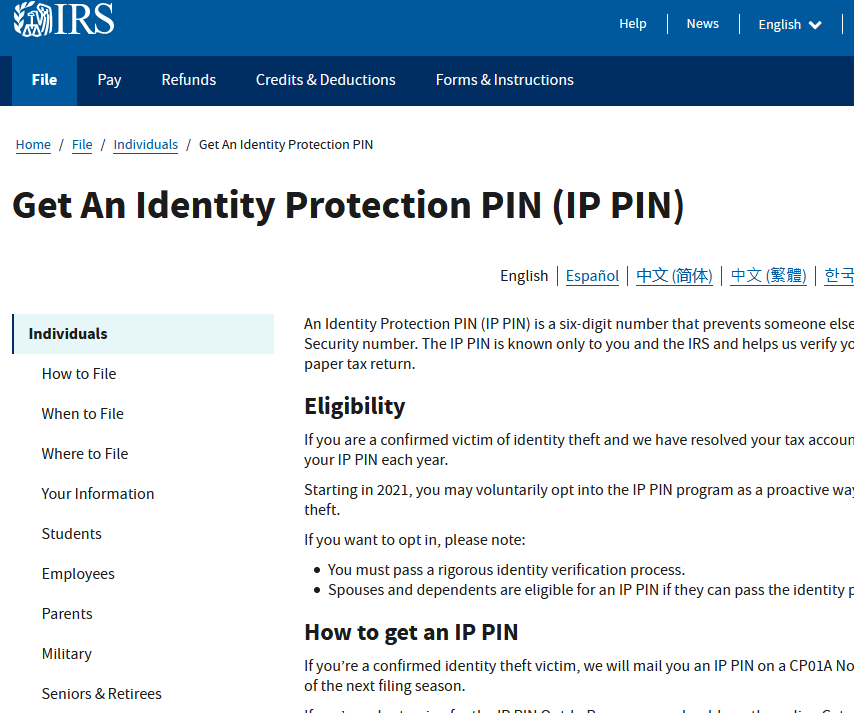
An IP PIN is a unique, six-digit number known only to you and the Internal Revenue Service (IRS). Its primary purpose is to help prevent identity thieves from filing fraudulent tax returns using your Social Security number (SSN) or Individual Taxpayer Identification Number (ITIN). When you have an IP PIN, it must be entered correctly on any electronic or paper tax return filed with your SSN/ITIN. If it’s not included or is incorrect, the IRS will reject the return, effectively stopping a fraudulent filing attempt dead in its tracks.
Think of your IP PIN as an extra layer of authentication for your tax return, akin to the two-factor authentication you might use for your online banking. In an era where data breaches are increasingly common, proactive measures like the IP PIN are invaluable for anyone serious about personal finance and protecting their assets from digital theft. Without it, a thief could potentially file a return in your name, claim a fraudulent refund, and create significant headaches and financial disruptions for you.
Who is Eligible for an IP PIN?
The IP PIN program caters to several categories of taxpayers, primarily focusing on those most at risk or those who wish to proactively enhance their security.
-
Victims of Tax-Related Identity Theft: If the IRS has already notified you that you are a victim of tax-related identity theft, you will automatically be issued an IP PIN for the following tax year. This is a crucial step the IRS takes to prevent future fraudulent activity associated with your identity.
-
Opt-In Program Participants: Even if you haven’t been a victim of identity theft, you can proactively choose to opt into the IP PIN program. This is a highly recommended step for anyone looking to add an extra layer of security to their financial life. It signifies a proactive approach to personal finance management and protection.
-
Spouses and Dependents: Importantly, an IP PIN is unique to an individual’s SSN or ITIN. This means that if you file a joint return, and both you and your spouse have been issued IP PINs, both must be entered correctly. Similarly, dependents listed on a return who have been issued their own IP PINs (e.g., if they were victims of identity theft or opted in) must also have their respective PINs included. Each IP PIN is generated annually, meaning you will receive a new one each year.
Primary Methods to Obtain Your IP PIN
The IRS offers several convenient methods for taxpayers to obtain their IP PIN, catering to different situations and levels of digital access. Choosing the right method depends on whether you’re a victim of identity theft, opting into the program, or simply retrieving a lost PIN.
Online: The IRS Get an IP PIN Tool
The fastest and most efficient way for most eligible taxpayers to obtain their IP PIN is through the IRS’s dedicated online tool: “Get an IP PIN.” This tool is accessible 24/7 and provides instant access to your current year’s IP PIN.
-
Accessing the Tool: Navigate to the IRS website (IRS.gov) and search for “Get an IP PIN.” You will be required to verify your identity.
-
Identity Verification Process (ID.me): The IRS utilizes a third-party service called ID.me for secure identity verification. This is a robust process designed to protect your sensitive financial information. It typically involves:
-
Providing personal information (name, address, SSN/ITIN).
-
Uploading images of a government-issued photo ID (e.g., driver’s license, state ID, passport).
-
Taking a live video selfie to match your face to your ID.
-
Potentially answering knowledge-based authentication questions about your credit history (e.g., questions about past loans or addresses that only you would know).
-
-
Benefits: Once your identity is successfully verified through ID.me, you’ll gain immediate access to your current IP PIN. This method is ideal for those who have access to a computer or smartphone and can navigate online verification processes.
-
Limitations: The identity verification process can be challenging for some, especially if your credit history has discrepancies, you’ve recently moved, or you have a security freeze on your credit report. If you fail the online verification multiple times, you may need to explore alternative methods.
By Mail: Requesting an IP PIN through Form 15227
For those unable to verify their identity online, or for specific situations, requesting an IP PIN via mail is an alternative, albeit slower, method.
-
Form 15227, Identity Protection PIN Opt-In Request: If you are not a victim of identity theft but wish to opt into the IP PIN program, you can use Form 15227. This form allows you to request an IP PIN to be mailed to your address of record with the IRS.
-
Process: Complete the form accurately and mail it to the IRS address specified in the instructions.
-
Timeline: After the IRS processes your request, your IP PIN will be mailed to you within approximately four to six weeks. It’s crucial that your address with the IRS is current to ensure delivery.
-
Important Consideration: Form 15227 is primarily for opting into the program. If you are already enrolled and simply lost your current year’s IP PIN, the online “Get an IP PIN” tool is the primary retrieval method. The IRS generally does not reissue current-year IP PINs by mail if you have access to the online tool.
By Phone: Direct IRS Assistance (for specific circumstances)
In certain limited circumstances, particularly for victims of identity theft or those with specific IRS notices, you may be able to obtain assistance over the phone.
-
When to Use:
-
If you’ve been notified by the IRS that you are a victim of identity theft, and you haven’t received your IP PIN by mail, you may be able to call the IRS Identity Protection Specialized Unit.
-
If you received a CP01A Notice with a new IP PIN but have lost or misplaced it, and cannot access the online tool.
-
-
IRS Phone Numbers: For identity theft related issues or IP PIN inquiries that cannot be resolved online, you can call the IRS at 1-800-908-4490. Be prepared for potentially long wait times.
-
Verification: Just like online, you will undergo extensive identity verification questions over the phone. Have your prior tax returns and personal information readily available.
-
Limitations: This method is typically reserved for more complex situations or when other avenues have been exhausted. It’s not the primary method for routine IP PIN retrieval or enrollment.
What to Do Once You Have Your IP PIN
Acquiring your IP PIN is only half the battle; knowing how to safeguard it and use it correctly is equally vital for maintaining your personal financial security. Treat this number with the same diligence you would your bank account PIN or Social Security Number.
Safeguarding Your IP PIN
Your IP PIN is a sensitive piece of information. Misplacing it or allowing it to fall into the wrong hands could compromise your financial security.
-
Treat it as Confidential: Do not write your IP PIN on your tax return before giving it to a tax preparer unless they specifically ask for it at the time of filing. Never share it via unsecured email or text messages.
-
Secure Storage: Store your IP PIN in a secure location, such as a locked drawer, a password-protected document on your computer, or a reputable password manager. Avoid saving it on easily accessible notes or digital files that are not encrypted.
-
Annual Renewal: Remember that your IP PIN changes every year. Do not assume your old PIN will work for the current tax year. The IRS will typically mail you a new CP01A notice each year with your updated IP PIN.
Using Your IP PIN During Tax Filing
Properly using your IP PIN during tax season is critical to avoid delays and rejections.
-
Electronic Filing: If you use tax software (e.g., TurboTax, H&R Block, FreeTaxUSA), there will be a specific field where you must enter your IP PIN. Ensure you enter it accurately.
-
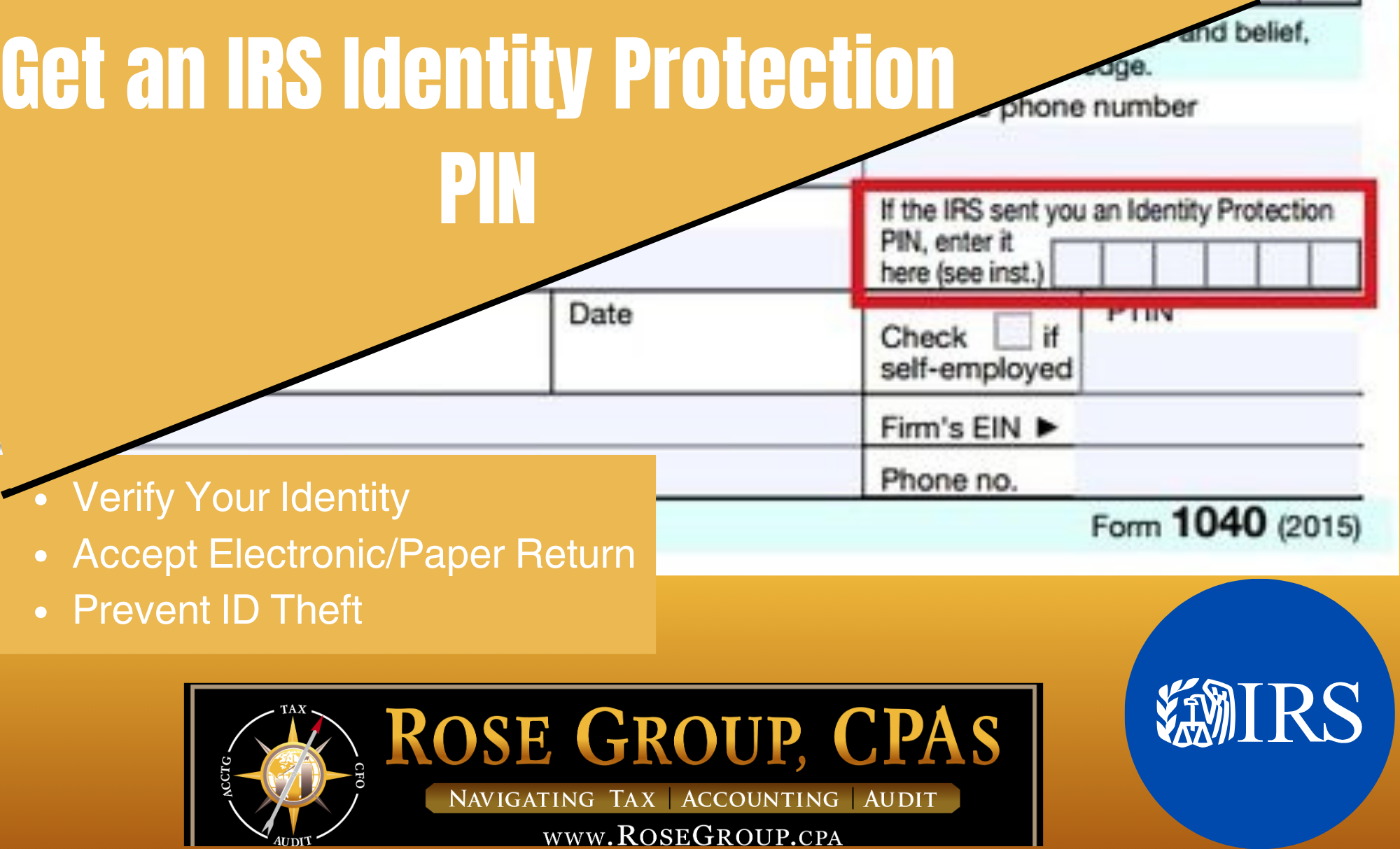
Paper Filing: If you file a paper return, write your IP PIN clearly in the designated space provided on Form 1040 (or relevant tax form).
-
Tax Preparer: If you use a tax preparer, provide them with your IP PIN when they prepare and file your return. They will need it to successfully submit your filing to the IRS.
-
Joint Returns: If both spouses on a joint return have been issued IP PINs, both must be entered for the return to be accepted.
-
Consequences of Omission: Failing to include a required IP PIN or entering an incorrect one will result in the rejection of your electronic return or significant delays in processing a paper return. This can hold up your refund and create administrative hassles.
What if You Forget or Lose Your IP PIN?
Even with the best intentions, it’s possible to misplace or forget your IP PIN.
-
Primary Retrieval Method: The “Get an IP PIN” online tool on IRS.gov remains the most reliable and immediate method for retrieving your current year’s IP PIN if you are already enrolled in the program. You will need to complete the identity verification process again if you don’t have an existing ID.me account linked to the IRS.
-
No Mail Reissues (Typically): As mentioned, for enrolled taxpayers, the IRS generally does not reissue lost current-year IP PINs by mail if the online tool is available. This underscores the importance of accessing the online tool.
-
Annual CP01A Notice: Remember that the IRS mails a new IP PIN (via CP01A Notice) to enrolled taxpayers each year, usually in December or early January. Keep an eye out for this important mail.
Common Issues and Expert Tips for IP PIN Management
Navigating government processes can sometimes present unique challenges. Being aware of potential roadblocks and having expert tips can streamline your IP PIN management and enhance your overall financial security.
Overcoming Online Verification Challenges
The ID.me verification process, while robust, can sometimes be a hurdle for taxpayers.
-
Common Reasons for Failure:
-
Credit History Discrepancies: If your credit report has errors, or if you’ve recently paid off significant debts, the knowledge-based authentication questions might be difficult to answer.
-
Recent Address Changes: If your address has recently changed and the IRS or credit bureaus haven’t updated their records, it can cause verification issues.
-
Security Freezes: If you have a credit freeze in place, you may need to temporarily lift it to complete the credit-based identity verification.
-
-
Alternatives: If online verification repeatedly fails, and you’re not a victim of identity theft, requesting your IP PIN via Form 15227 by mail might be your next best option, though it will take longer.
IP PINs for Spouses and Dependents
It’s a common misconception that one IP PIN covers an entire family. This is not the case.
-
Individual IP PINs: Each individual with an SSN or ITIN who has an IP PIN must use their own. This includes spouses filing jointly and dependents if they have been issued one.
-
How to Obtain for Dependents: If a dependent needs an IP PIN (e.g., if they were a victim of identity theft), their parent or guardian can typically use the “Get an IP PIN” online tool on their behalf, provided they can pass the identity verification for the dependent.
The Future of Tax Security and Your Role
The IP PIN is a cornerstone of current tax security measures, but the landscape of financial fraud is constantly evolving. Your proactive engagement is key.
-
Embrace Proactive Measures: Beyond the IP PIN, regularly monitor your credit reports for suspicious activity. Use strong, unique passwords for all financial accounts. Be vigilant against phishing emails and scams that impersonate the IRS.
-
Stay Informed: The IRS periodically updates its security protocols and offers new tools. Staying informed about these changes through official IRS channels can empower you to better protect your financial interests.
-
The IP PIN as a Cornerstone: The Identity Protection PIN represents a significant step forward in personal financial security against tax fraud. By understanding how to obtain, use, and safeguard this crucial number, you actively participate in protecting your financial well-being and ensuring the integrity of your tax filings.
Conclusion
The question “how do I get my tax PIN number?” leads to a critical discussion about personal financial security and proactive tax management. The Identity Protection PIN is more than just a number; it is an indispensable defense against tax-related identity theft, a growing concern in our digital age.
By taking the initiative to understand the IP PIN, utilizing the IRS’s online tool, or leveraging alternative methods when necessary, taxpayers empower themselves against potential fraud. Safeguarding this unique identifier and using it correctly during tax filing ensures that your financial information remains secure and your tax returns are processed without delay. In the dynamic world of personal finance, understanding and utilizing tools like the IP PIN is not just recommended, it’s essential for peace of mind and financial integrity.
aViewFromTheCave is a participant in the Amazon Services LLC Associates Program, an affiliate advertising program designed to provide a means for sites to earn advertising fees by advertising and linking to Amazon.com. Amazon, the Amazon logo, AmazonSupply, and the AmazonSupply logo are trademarks of Amazon.com, Inc. or its affiliates. As an Amazon Associate we earn affiliate commissions from qualifying purchases.