
In the modern financial landscape, moving money efficiently and securely is the cornerstone of personal and business management. Whether you are setting up your first direct deposit, paying a large invoice via wire transfer, or linking your checking account to a third-party investment app, you will inevitably be asked for two specific pieces of information: your account number and your routing number.
While most people can easily locate their account number on a statement, the routing number often remains a source of confusion. However, understanding what a routing number is and how to find it is essential for anyone looking to navigate the complexities of personal finance. This guide explores the diverse methods for locating this nine-digit code and explains its critical role in the global financial ecosystem.

Understanding the Anatomy of a Routing Number
Before searching for the number, it is helpful to understand what it actually represents. A routing number—formally known as an ABA Routing Transit Number (RTN)—is a nine-digit code used to identify a specific financial institution within the United States. Established by the American Bankers Association in 1910, this system was designed to facilitate the sorting, bundling, and shipment of paper checks. Today, it serves as the digital “address” for electronic transactions.
What is an ABA Routing Transit Number (RTN)?
The RTN acts as a unique identifier for your bank. Just as a zip code helps the postal service deliver a letter to the correct neighborhood, the routing number ensures that funds are sent to the correct bank and branch. Without it, the vast network of the Federal Reserve and private clearinghouses would be unable to process the billions of transactions that occur daily.
How to Read the Nine-Digit Code
A routing number is not a random string of digits. It follows a specific format required by the financial industry:
- Digits 1–4: These represent the Federal Reserve Bank district where the institution is located.
- Digits 5–8: These identify the specific financial institution (the bank or credit union).
- Digit 9: This is a “check digit,” calculated using a complex mathematical formula involving the first eight digits. It allows computers to instantly verify that the routing number is valid before attempting a transfer.
The Difference Between Routing and Account Numbers
It is a common mistake to confuse the routing number with the account number. While the routing number identifies the bank, the account number identifies your specific pocket within that bank. For a transaction to be successful, both must be accurate. If you provide the wrong routing number, the money may go to a completely different bank. If you provide the wrong account number, the money may bounce back or, in rare cases, end up in someone else’s account.
Reliable Methods to Find Your Routing Number
Locating your routing number is usually a straightforward process, but the method you choose may depend on whether you have physical or digital access to your accounts.
The Bottom of Your Physical Checkbook
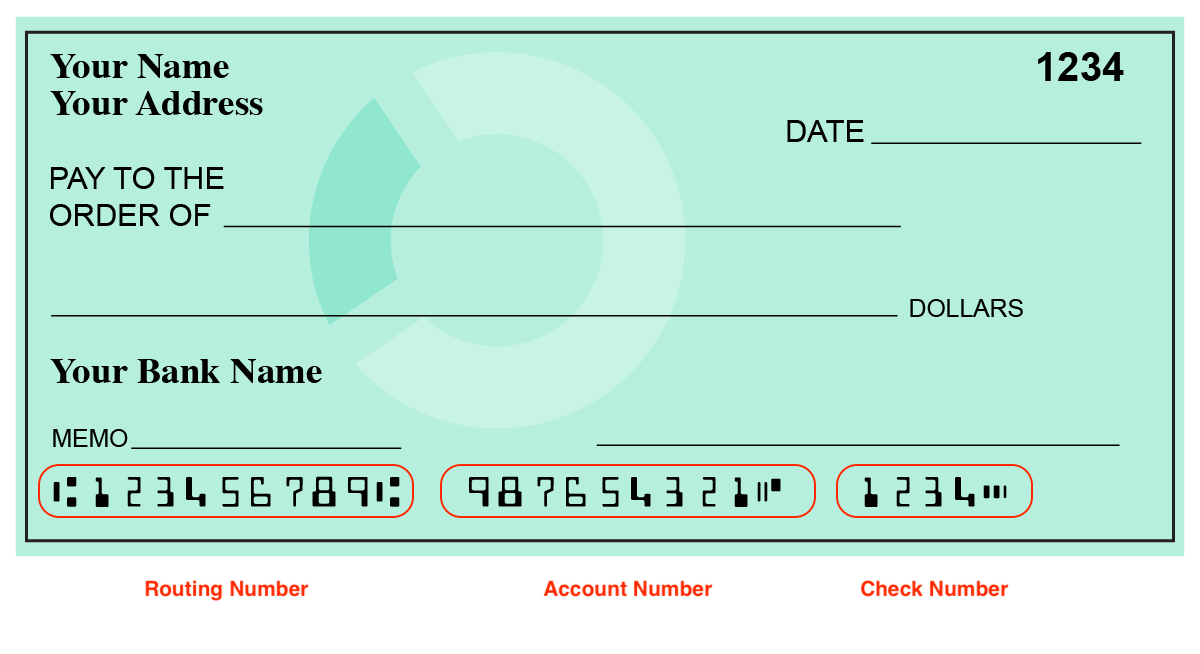
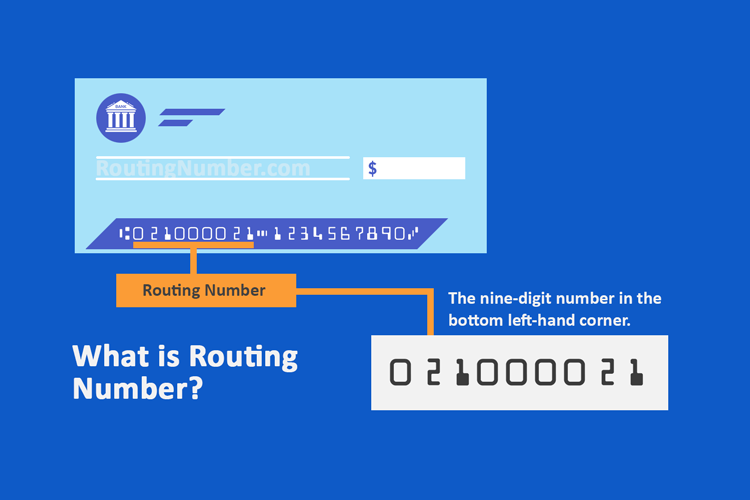
The most traditional way to find your routing number is by looking at a physical check. If you have a checkbook handy, look at the bottom-left corner. You will see three sets of numbers printed in a unique “MICR” font (Magnetic Ink Character Recognition).
- The first set of nine digits on the far left is your routing number.
- The second set of digits (usually in the middle) is your account number.
- The third, shorter set of digits is the check number.
Note: Do not use the numbers found on a deposit slip. While they look similar, some banks use a different internal code for deposit slips that will not work for external transfers or direct deposits.
Online Banking and Mobile Apps
As the world shifts toward paperless banking, most consumers find their routing numbers through digital portals. Once you log into your bank’s website or mobile app, navigate to the “Account Details” or “Account Information” section. Most institutions will display the routing number alongside your current balance.
For larger institutions like Chase, Bank of America, or Wells Fargo, there may even be a dedicated “Routing Number” link in the footer or help section of the app. Because digital security is paramount, these numbers are usually kept behind a login wall, even though the routing number itself is public information.
Monthly Statements and Official Bank Documents
If you don’t have a checkbook and aren’t registered for online banking, your monthly paper or PDF statement is your best resource. Look at the header of the statement where your name and address are listed. Banks typically include the routing number in this summary area. Additionally, if you have your original account opening documents or a “Direct Deposit Authorization” form provided by your bank, the routing number will be clearly labeled there.
When and Why You Need Your Routing Number
Knowing where to find the number is only half the battle; understanding when to use it is crucial for managing your financial health and avoiding costly delays.
Setting Up Direct Deposits and Payroll
One of the most frequent uses for a routing number is setting up a direct deposit for your salary. When you start a new job, the HR department will require a voided check or your routing and account numbers. This allows your employer’s bank to communicate with yours through the Automated Clearing House (ACH) network, ensuring your paycheck arrives in your account on time every pay period.
Electronic Bill Payments and Automated Clearing House (ACH)
Many service providers—such as utility companies, mortgage lenders, and insurance firms—offer discounts if you pay via “e-check” or ACH rather than a credit card. To set this up, you must provide your routing number. This allows the company to pull funds directly from your checking account, bypassing the high transaction fees associated with credit card processors.
Domestic Wire Transfers vs. International Transfers (SWIFT/BIC)
It is important to distinguish between a standard ACH routing number and a wire transfer routing number. Some banks use the same nine-digit code for both, but many larger banks have a separate routing number specifically for domestic wire transfers.
If you are sending or receiving an international transfer, a domestic routing number is insufficient. You will instead need a SWIFT code (Society for Worldwide Interbank Financial Telecommunications) or a BIC (Bank Identifier Code). These are alphanumeric codes that serve as the international equivalent of a routing number.
Security and Fraud Prevention in Modern Finance
Because routing numbers are essential for moving money, many people worry about the security implications of sharing them. In the world of personal finance, knowledge is the best defense against fraud.
Is Sharing Your Routing Number Safe?
Generally speaking, a routing number is public information. You can often find a bank’s routing number simply by searching their name on Google or visiting their official website. However, when combined with your account number, this information can be used to authorize withdrawals. You should only share your routing and account numbers with trusted entities, such as your employer, the government (for tax refunds), or reputable billing companies.
How Financial Institutions Protect Your Data
Banks employ multiple layers of security to ensure that knowing a routing number isn’t enough to steal funds. Features such as Two-Factor Authentication (2FA), encryption, and sophisticated fraud-detection algorithms monitor for suspicious ACH activity. Furthermore, federal regulations (such as Regulation E in the U.S.) protect consumers from unauthorized electronic fund transfers, provided the fraud is reported in a timely manner.
Best Practices for Digital Financial Security
To maintain the integrity of your financial tools, follow these best practices:
- Never email your routing and account numbers in plain text.
- If you must provide a voided check, write “VOID” in large letters across the front to prevent it from being cashed.
- Regularly review your bank statements for any “micro-deposits” or unauthorized ACH pulls.
- Use secure, encrypted portals when linking your bank account to third-party apps like Venmo, PayPal, or investment platforms.
Common Challenges and Troubleshooting
Even with the right tools, finding or using a routing number can occasionally present challenges, especially during shifts in the banking industry.
Why Some Banks Have Multiple Routing Numbers
Large national banks often have dozens of routing numbers. This is usually a result of the bank’s history of mergers and acquisitions. For example, if a large bank in New York buys a smaller bank in California, they may continue to use the original California routing number for customers in that region to avoid the logistical nightmare of changing everyone’s direct deposits. Always ensure you are using the routing number assigned to your specific branch or state of residence.
What Happens During Bank Mergers and Acquisitions?
When banks merge, they typically phase out the old routing numbers over several years. During this transition, the bank will “map” the old number to the new one, meaning transactions sent to the old number will still reach your account. However, you should eventually update your records to the new routing number to ensure long-term compatibility with the Federal Reserve’s systems.
Finding Routing Numbers for Non-Traditional Financial Services
In the era of FinTech, many people use “neo-banks” or digital wallets that do not have physical branches. These companies often partner with established traditional banks to hold customer funds. For instance, a popular app might use a partner bank like Stride Bank or Evolve Bank & Trust for its routing services. If you use a digital-only service, your routing number is usually found in the “Direct Deposit” or “Bank Transfer” settings within the app, and it may not list the name of the app itself, but rather the name of the partner bank.
By mastering the use of your routing number, you gain greater control over your financial life. Whether you are automating your savings or ensuring your bills are paid on time, this nine-digit code is the key to a seamless and professional financial experience. Always double-check the digits, stay informed about your bank’s specific requirements, and treat your banking identifiers with the respect and security they deserve.
aViewFromTheCave is a participant in the Amazon Services LLC Associates Program, an affiliate advertising program designed to provide a means for sites to earn advertising fees by advertising and linking to Amazon.com. Amazon, the Amazon logo, AmazonSupply, and the AmazonSupply logo are trademarks of Amazon.com, Inc. or its affiliates. As an Amazon Associate we earn affiliate commissions from qualifying purchases.