
In the modern financial landscape, the ability to quickly and accurately identify your banking credentials is a fundamental skill for managing personal and business finances. Whether you are setting up a direct deposit for a new job, authorizing an automated bill payment, or initiating a high-value wire transfer, your routing number is the primary identifier that ensures funds reach the correct destination. For customers of JPMorgan Chase, one of the largest financial institutions in the world, finding this nine-digit code is a straightforward process, yet it requires an understanding of how these numbers function across different types of transactions.

A routing number, also known as an ABA (American Bankers Association) routing transit number (RTN), acts as an “address” for your financial institution. While your account number identifies your specific individual holding, the routing number identifies the bank itself and the specific region or branch system where your account was originally established. Because Chase has a massive geographical footprint, it utilizes multiple routing numbers based on the state where the account was opened. This guide provides a comprehensive breakdown of the various methods available to retrieve your Chase routing number and the essential financial contexts in which you will need it.
Primary Methods for Locating Your Chase Routing Number
Chase provides several digital and physical avenues for customers to access their routing information. Depending on your preference for mobile technology or traditional banking methods, you can retrieve this information in seconds.
Utilizing the Chase Mobile App
For most modern consumers, the Chase Mobile app is the most efficient tool for retrieving account information on the go. The app is designed with a user-centric interface that prioritizes quick access to account details. To find your routing number via the app, follow these steps:
-
Log in to the Chase Mobile app using your biometric data or password.
-
Select the specific checking or savings account for which you need the routing number.
-
Once the account summary page opens, scroll down to the “Account Details” section.
-
Tap on “See more” or look specifically for the “Routing Number” and “Account Number” fields.
-
Most versions of the app will display both the “Electronic” routing number (used for ACH transfers and direct deposits) and the “Wire” routing number if it differs.
The convenience of the app allows you to copy and paste the number directly into other applications, such as payroll portals or investment platforms, minimizing the risk of manual entry errors.
Accessing the Chase Online Banking Portal
If you are working from a desktop or laptop, the Chase online banking portal offers a robust view of your financial data. This is often the preferred method for business owners or individuals managing complex financial tasks.
-
Navigate to the official Chase website and sign in to your account.
-
On the main dashboard, click on the account name you wish to inspect.
-
Look for the “Account services” or “More options” tab, or simply check the top header of the account activity page.
-
Click on the “Show details” link next to your account number. This will expand a view that displays your nine-digit routing number alongside your full account number.
The online portal is particularly useful because it often provides downloadable PDF versions of your monthly statements. These statements are official documents that contain your routing and account numbers, which may be required as proof of account ownership for certain legal or financial applications.
Reading a Physical Check
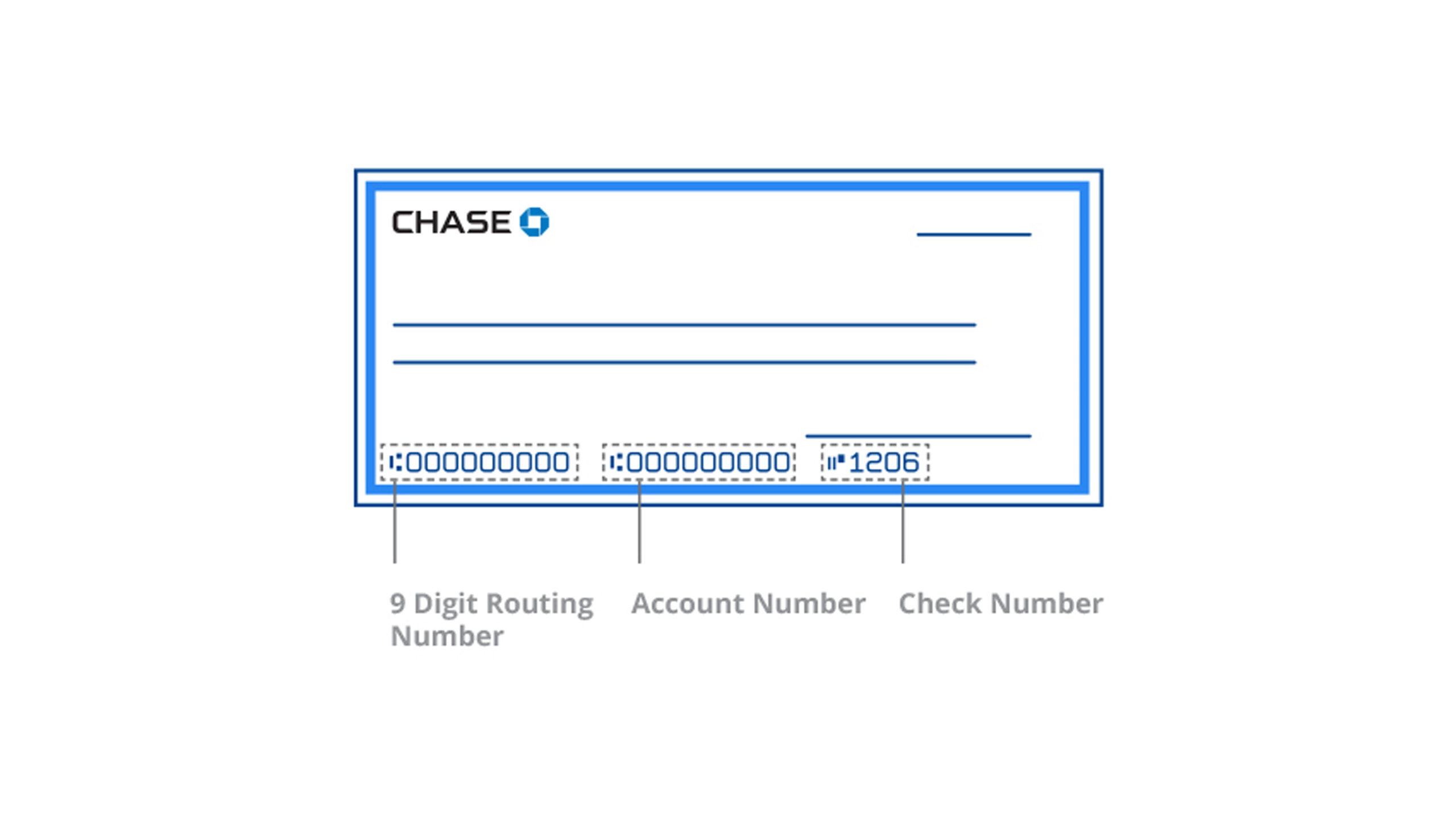
Despite the rise of digital payments, physical checks remain a reliable source of account information. Every Chase check features a standardized layout at the bottom, known as the MICR (Magnetic Ink Character Recognition) line. This line consists of three distinct sets of numbers:
-
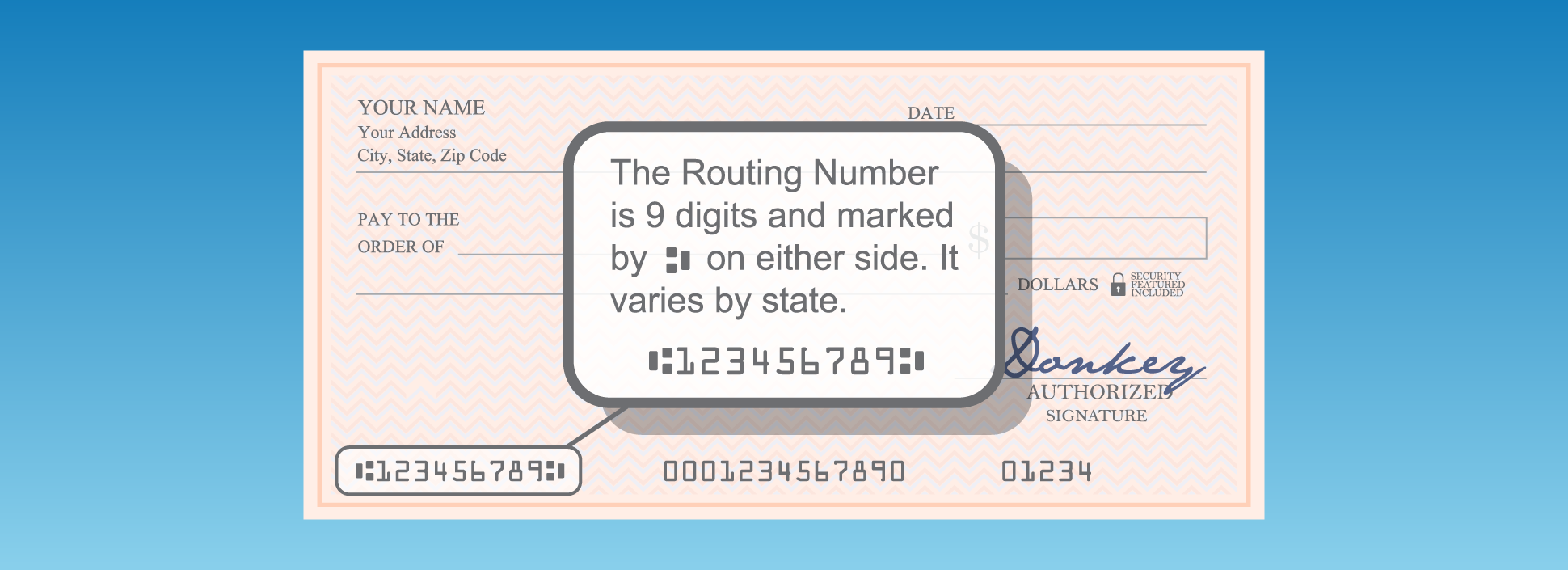
The Routing Number: This is the first nine-digit number on the far left. It is encased by a specific symbol that looks like a vertical bar and a colon.
-
The Account Number: This is the second set of numbers, typically located in the center.
-
The Check Number: This is the final, shorter set of digits on the far right, which corresponds to the check number printed in the top-right corner.
It is important to note that the routing number on a check is generally the “Electronic” or “ACH” routing number. If you are attempting to set up an international wire transfer, the number on the bottom of your check might not be the correct code to use.
Using the Chase Public Website Directory
If you do not have immediate access to your login credentials or a checkbook, you can find Chase routing numbers through their public-facing website. Chase maintains a comprehensive list of routing numbers organized by state. To use this method:
-
Search for “Chase routing numbers by state” on a search engine or navigate to the “Routing Number” help page on Chase.com.
-
Locate the state where you originally opened your account. This is a critical distinction; if you opened your account in New York but now live in California, you must use the New York routing number associated with your account’s origin.
-
Identify whether you need the number for “Paper,” “Electronic,” or “Wire” transfers, as these can occasionally differ.
Understanding the Role of Routing Numbers in Your Financial Ecosystem
A routing number is more than just a random sequence of digits; it is a vital component of the United States’ financial infrastructure. Understanding how Chase utilizes these numbers can help you avoid transaction delays and potential fees.
The Difference Between Electronic and Wire Transfer Routing Numbers
One of the most common points of confusion for bank customers is the existence of different routing numbers for different types of transfers. Chase, like many large national banks, may utilize one routing number for Automated Clearing House (ACH) transactions and a different one for domestic or international wire transfers.
-
Electronic (ACH) Routing Numbers: These are used for “low-speed” transactions that usually take one to three business days to clear. This includes direct deposits of your paycheck, monthly gym membership drafts, and payments made through online bill pay services.
-
Wire Transfer Routing Numbers: Wire transfers are “high-speed” transactions that often occur in real-time or within a few hours. Because these transactions are handled through the Federal Reserve’s Fedwire service, they often require a specific routing number dedicated to wire traffic. Using an ACH routing number for a wire transfer can result in the transaction being rejected or returned, often incurring a fee from both the sending and receiving institutions.
Regional Variations and the Impact of State-Specific Codes
Chase’s history is one of expansion and acquisition. Over decades, Chase has merged with numerous regional banks, such as WaMu (Washington Mutual) and Bank One. As a result, the bank inherited various routing systems. Even today, Chase maintains regional routing numbers to manage the flow of capital effectively.
When you ask, “How do I get my Chase routing number?” you must also ask, “Where was my account opened?” If you moved across the country but kept the same account, your routing number remains tied to the state of origin. If you were to open a new account in your new state, that account would have a different routing number. This regionality helps the banking system direct funds to the correct regional processing center, ensuring accuracy in the clearing process.
How to Use Your Routing Number for Essential Financial Tasks
Once you have successfully retrieved your routing number, you will likely use it to facilitate several key personal finance activities. Mastering these processes is essential for maintaining a healthy and efficient financial life.
Streamlining Income with Direct Deposit
Direct deposit is perhaps the most common use for a routing number. By providing your employer with your Chase routing and account numbers, you eliminate the need for physical checks and gain faster access to your earnings. To set this up, most employers require a direct deposit authorization form. You will need to input the “Electronic” routing number. Many Chase customers choose to download a pre-filled direct deposit form directly from the Chase mobile app or website, which automatically includes the correct routing and account numbers to prevent errors.
Automating Expenses through Bill Pay and ACH
Automating your recurring expenses is a hallmark of good personal finance management. Whether it is your mortgage, car insurance, or utility bills, using your routing number to set up ACH transfers ensures that payments are made on time, helping you avoid late fees and maintain a high credit score. When a service provider asks for your “Bank Account Info,” they are looking for the combination of your Chase routing number and your unique account number.
Facilitating Large-Scale Capital Movements via Wire Transfers
For significant financial milestones—such as paying a down payment on a home or sending money to a family member overseas—a wire transfer is the standard protocol. In these instances, you must ensure you are using the specific Chase Wire Routing Number. Additionally, for international wires, you will also need a SWIFT code (also known as a BIC), which identifies Chase on a global scale. Providing the wrong routing number for a high-value wire can lead to significant stress and delays during time-sensitive transactions.
Security Protocols and Safeguarding Your Banking Credentials
While routing numbers are technically public information (anyone can find the routing number for Chase in Ohio with a simple search), they are the “first half” of the key to your bank account. When combined with your account number, they provide the necessary information for someone to withdraw or deposit funds.
Protecting Your Information from Phishing and Fraud
As a general rule, you should only provide your routing and account numbers to verified and trusted entities. Fraudsters often use phishing emails or fraudulent phone calls, pretending to be from Chase or a government agency like the IRS, to solicit this information. Chase will never call you to ask for your routing and account numbers over the phone, as they already have this information on file.
Always ensure that any website where you enter your banking details is secure (look for the “https” and the padlock icon in the browser bar). If you are using a third-party financial app to track your spending or invest, ensure that it uses high-level encryption and, preferably, connects to your Chase account via a secure API rather than requiring you to share your raw credentials.
When to Share Your Routing Number (and When Not To)
Legitimate reasons to share your routing number include:
-
Providing it to your employer’s HR department for payroll.
-
Linking your bank account to a reputable brokerage or investment platform.
-
Setting up automatic payments for verified utility or loan providers.
-
Giving it to a trusted person for a person-to-person (P2P) transfer if they are not using a service like Zelle.
Conversely, you should be wary of sharing this information on social media, via unencrypted email, or with any individual or company that has reached out to you unsolicited.
Common Challenges and Frequently Asked Questions
Even with the right tools, certain situations can complicate the process of using your Chase routing number.
Managing Routing Numbers After a Move
If you relocate to a different state, there is no immediate need to change your routing number. Your account will continue to function perfectly with the routing number from the state where it was opened. However, if you prefer to have a local routing number, you would typically need to open a new account in your current state and transfer your funds. For most users, this is an unnecessary hurdle, as digital banking makes regionality largely invisible in day-to-day use.
Verifying Information for External Financial Tools
When connecting your Chase account to apps like Mint, YNAB, or Venmo, the app may ask for your routing number to verify your account via “micro-deposits.” In this process, the app sends two very small amounts (pennies) to your account. You then check your Chase activity, find the amounts, and report them back to the app. This confirms that you have access to the account associated with that routing number. Using the “Electronic” routing number is the correct choice for these integrations.
In conclusion, getting your Chase routing number is a simple task that can be accomplished through the mobile app, online portal, or by looking at a checkbook. However, the value of that number lies in its correct application. By distinguishing between ACH and wire numbers, understanding the regional nature of banking, and maintaining strict security standards, you can ensure that your financial transactions remain swift, secure, and accurate. Whether you are building wealth or managing daily expenses, these nine digits are a cornerstone of your financial identity.
aViewFromTheCave is a participant in the Amazon Services LLC Associates Program, an affiliate advertising program designed to provide a means for sites to earn advertising fees by advertising and linking to Amazon.com. Amazon, the Amazon logo, AmazonSupply, and the AmazonSupply logo are trademarks of Amazon.com, Inc. or its affiliates. As an Amazon Associate we earn affiliate commissions from qualifying purchases.