
In the rapidly evolving landscape of personal finance, peer-to-peer payment applications like Venmo have become indispensable tools for managing everyday transactions. Far beyond just splitting dinner bills or contributing to group gifts, Venmo offers a streamlined, user-friendly platform for individuals and even small businesses to receive money quickly and efficiently. For many, the question “how do I get money from Venmo?” isn’t just about initiating a transfer, but understanding the entire ecosystem of receiving, managing, and ultimately utilizing funds within this popular digital wallet. This guide delves into the practicalities, financial implications, and best practices for securely receiving money through Venmo, firmly positioning it within the realm of personal finance and financial tools.

Understanding Venmo’s Role in Modern Personal Finance
Venmo has transcended its initial purpose as a simple payment app to become an integral part of how millions manage their daily finances. Its unique blend of social interaction and financial utility makes it a standout player, offering convenience that traditional banking sometimes lacks for smaller, informal transactions. Grasping its fundamental mechanics and its place in your financial toolkit is the first step to maximizing its benefits.
What is Venmo and How Does it Facilitate Money Transfers?
At its core, Venmo is a mobile payment service owned by PayPal that allows users to transfer money to one another quickly and easily using a mobile app or web interface. It’s designed for person-to-person (P2P) payments, making it ideal for situations where cash or traditional bank transfers might be cumbersome. When someone sends you money on Venmo, they initiate a payment through their linked bank account, debit card, or Venmo balance. This payment then reflects in your Venmo account balance almost instantly.
The appeal of Venmo lies in its simplicity and speed. Instead of exchanging bank details or waiting days for transfers to clear, Venmo transactions are typically immediate. This instant gratification has made it a preferred method for everything from rent payments among roommates to collecting dues for a sports league. Furthermore, Venmo integrates a social feed, allowing users to add notes, emojis, and even publicly share the purpose of their transactions (though privacy settings allow for full discretion). This social element, while optional, has fostered a sense of community around money transfers, making financial interactions feel less transactional and more communal. From a financial perspective, Venmo acts as a digital intermediary, holding funds temporarily and facilitating their movement between users or to external bank accounts, effectively bridging gaps that traditional banking systems might leave.
Why Individuals and Small Businesses Choose Venmo for Transactions
The widespread adoption of Venmo by individuals is largely driven by its unparalleled convenience. For splitting bills, repaying friends, or collecting small amounts of money, the process is far less cumbersome than other methods. A few taps on a smartphone, and the transaction is complete. The network effect also plays a significant role; as more people use Venmo, its utility grows, making it easier to find others who can send or receive money through the platform. This creates a powerful incentive for new users to join, further cementing its position as a go-to financial tool.
Beyond personal use, Venmo has also carved out a niche for many small businesses, freelancers, and independent contractors. For micro-businesses, pop-up shops, or individuals selling goods and services informally, Venmo provides a no-fuss way to accept payments without needing a traditional point-of-sale system or merchant account. Artists, tutors, dog walkers, and landscapers often find Venmo to be an excellent solution for clients who prefer digital payments over cash or checks. The ability to create a business profile, separate from a personal one, offers some distinct advantages, including clearer transaction tracking and potentially lower processing fees for certain types of business-related payments compared to credit card processors. This flexibility positions Venmo as more than just a personal finance app; it’s a versatile financial instrument that adapts to a range of transactional needs, offering speed and ease where traditional methods might falter.
The Venmo Balance: Your Digital Wallet Explained
When someone sends you money on Venmo, it doesn’t automatically land in your bank account. Instead, it first resides in your “Venmo balance.” Think of your Venmo balance as a digital wallet within the app, similar to a prepaid card or a digital bank account that’s tied specifically to your Venmo profile. Funds in your Venmo balance are immediately available for use within the Venmo ecosystem. This means you can use your Venmo balance to send money to others, make purchases at approved merchants that accept Venmo, or even spend it using a Venmo Debit Card.
Understanding your Venmo balance is crucial for effective money management. It offers a convenient holding place for funds, allowing for quick re-transfers or immediate spending. However, it’s not a traditional bank account and does not typically accrue interest or offer the same level of FDIC insurance as a regulated bank (though funds held by Venmo are generally protected by specific regulations, it’s important to understand the distinctions). Keeping a significant amount of money in your Venmo balance might be convenient for active users, but for larger sums or long-term savings, transferring funds to a traditional bank account or investment vehicle is generally recommended. Venmo’s transparency regarding your balance, accessible directly from the app’s home screen, empowers users to monitor their funds and make informed decisions about when to keep money in the digital wallet versus when to cash it out.
Step-by-Step: Receiving Funds into Your Venmo Account
Receiving money on Venmo is generally straightforward, whether it’s a direct payment from a friend or a specific request you’ve made. However, knowing the nuances of each method can help ensure smooth and secure transactions, keeping your personal finance management efficient.
Accepting Direct Payments from Friends and Family
The most common way to receive money on Venmo is through a direct payment from another user. When someone sends you money, it almost instantly appears in your Venmo balance. You’ll receive a notification from the Venmo app (if notifications are enabled) and often an email confirming the transaction. The payment will show up in your personal transaction feed within the app, detailing who sent the money, the amount, and any associated note or emoji.
Unlike some other payment platforms, Venmo typically doesn’t require you to “accept” each individual payment manually, especially from personal profiles. The funds are automatically deposited into your balance. However, it’s always good practice to verify the receipt of funds by checking your Venmo balance and transaction history within the app. This ensures the correct amount was received and helps you keep track of your incoming funds. For business profiles, or in certain cases involving goods and services, Venmo might have specific dispute resolution processes, but for person-to-person payments, the process is designed for seamless, immediate crediting. This instant crediting mechanism is a cornerstone of Venmo’s appeal, contributing significantly to its role as a quick and reliable financial tool for everyday use.
How to Request Money from Others Effectively
Sometimes, instead of waiting for someone to send you money, you need to initiate the process by requesting it. Venmo makes this very simple. To request money, you’ll typically:
- Open the Venmo app and tap the “Pay/Request” icon (often a pencil and paper or a universal payment symbol).
- Select “Request.”
- Choose the person (or people) you want to request money from. You can select them from your Venmo friends list, search for their username, or use their phone number/email.
- Enter the amount you wish to request.
- Add a note detailing the reason for the request. This is crucial for clarity and can prevent confusion (e.g., “Dinner last night,” “Share of rent,” “Babysitting”). You can also add emojis for a personal touch.
- Tap “Request” to send the notification.
The recipient will then receive a notification about your request. They can choose to pay the request immediately, decline it, or send a different amount. For effective financial management, always be clear and concise with your requests. If it’s a group payment, make sure to request the correct amount from each individual. Clear communication avoids misunderstandings and ensures you receive the correct funds in a timely manner, making the “request” feature a powerful tool for personal financial organization.
Navigating Group Payments and Split Bills
Venmo excels at simplifying group payments and splitting bills, a common financial chore among friends and families. If you’ve paid for a group expense and need to collect money from multiple individuals, Venmo offers integrated features to streamline this. You can send individual requests to each person for their share, as described above. However, for a truly efficient approach, Venmo often has a “split” feature directly on the payment screen.
When you send a payment for a group expense (e.g., a dinner bill), you can often indicate that it’s a group payment and then select the friends involved. Venmo can then automatically calculate and send individual requests to each person for their share. This eliminates the need for manual calculations and sending multiple individual requests. This feature is particularly useful for shared living expenses, group travel, or any scenario where a single bill needs to be divided among several people. Properly utilizing Venmo’s group payment features ensures that everyone pays their fair share, simplifies financial reconciliation for the person who fronted the money, and keeps your personal financial records clearer by associating transactions with their specific purpose and participants.
Accessing and Cashing Out Your Venmo Balance
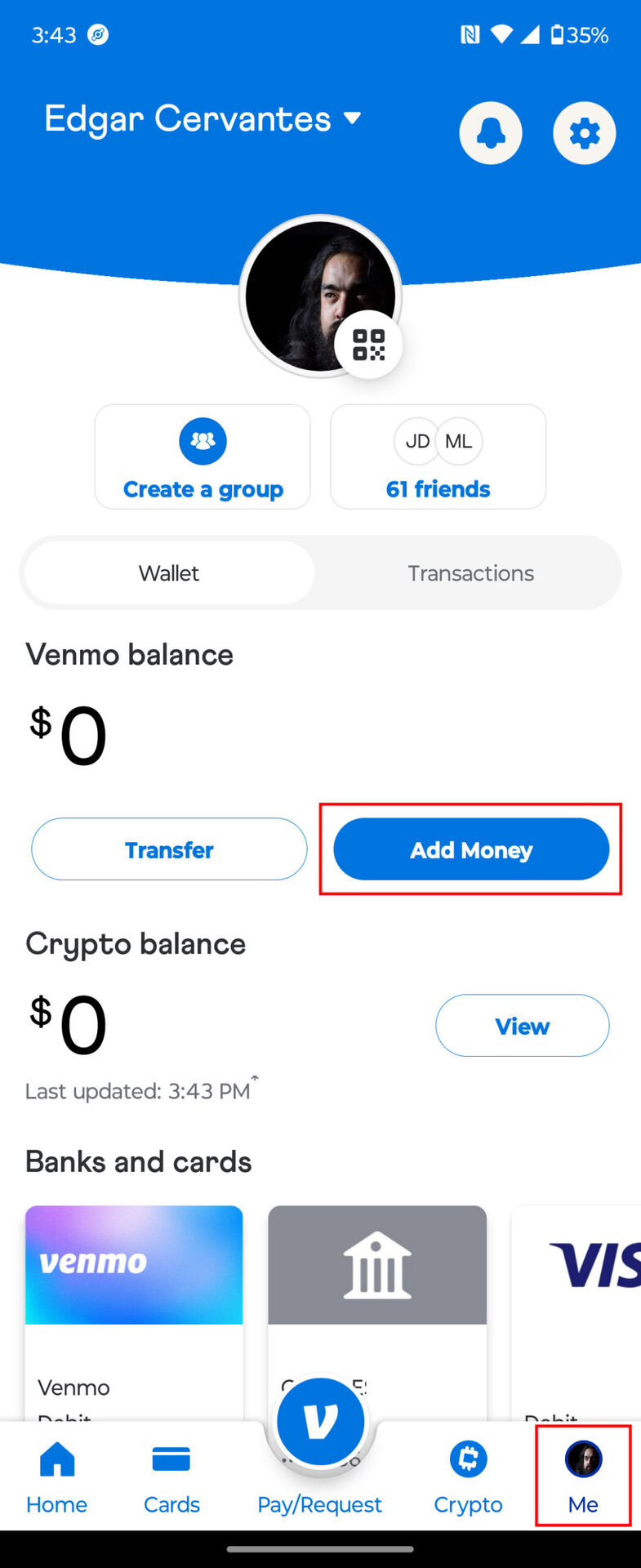
Once money resides in your Venmo balance, you have several options for how to use or withdraw it. These options range from keeping it within the Venmo ecosystem for future payments to transferring it to your traditional bank account, each with its own advantages and considerations for your personal finance strategy.
Standard vs. Instant Transfers to Your Bank Account
The most common way to get money out of your Venmo balance and into your actual bank account is through a bank transfer. Venmo offers two primary options for this:
-
Standard Transfer: This is a free service that typically takes 1-3 business days to process. When you initiate a standard transfer, Venmo sends the funds from your balance to your linked bank account. The exact timing can depend on your bank’s processing times, but it usually arrives within the stated window. This option is ideal when you’re not in a hurry and want to avoid any fees. It’s a reliable method for moving larger sums or for routine transfers to bolster your main checking account.
-
Instant Transfer: For those times when you need immediate access to your funds, Venmo offers an instant transfer option. This service moves money from your Venmo balance to your linked debit card or eligible bank account typically within minutes, even on weekends and holidays. However, instant transfers come with a fee, which is usually a percentage of the transferred amount (e.g., 1.75%, with a minimum fee of $0.25 and a maximum fee of $25). While the fee means you’re receiving slightly less than your full Venmo balance, the convenience of instant access can be invaluable for unexpected expenses or urgent financial needs.
Choosing between standard and instant transfers depends entirely on your urgency and willingness to pay a small fee for speed. For strategic personal finance, planning ahead and using the free standard transfer is usually preferable to maximize your funds.
Utilizing the Venmo Debit Card for Direct Spending
Another way to access and spend the money in your Venmo balance without transferring it to your bank is by using the Venmo Debit Card. This Mastercard-branded debit card is directly linked to your Venmo balance. When you make a purchase with the card, the funds are drawn directly from your Venmo balance. If your Venmo balance is insufficient for a purchase, the card can automatically draw from a linked bank account you’ve designated as a reload source, preventing declined transactions.
The Venmo Debit Card functions like any other debit card, allowing you to make purchases online, in stores, and withdraw cash from ATMs (though ATM withdrawals may incur fees). For individuals who frequently receive money on Venmo and prefer to spend it directly without the intermediate step of a bank transfer, the debit card offers unparalleled convenience. It essentially transforms your Venmo balance into a fully functional checking account for everyday spending, making it a powerful financial tool for managing received funds dynamically. It also provides a clear audit trail within the Venmo app for all your card transactions, helping with budgeting and expense tracking.
Understanding Transfer Limits and Potential Holds
While Venmo offers significant flexibility, it also operates with certain limits and, occasionally, holds on funds. Understanding these is crucial for effective financial planning and avoiding unexpected delays.
-
Weekly Limits: Venmo imposes weekly rolling limits on various activities, including sending money, receiving money, and transferring money to your bank account. These limits can vary based on whether your identity has been verified. For instance, unverified accounts often have lower limits for bank transfers than verified accounts. These limits are in place for security reasons and to comply with financial regulations. You can typically find your specific limits within your Venmo app settings or by checking their support documentation.
-
Holds on Funds: In certain situations, Venmo might place a hold on funds. This can happen for several reasons, such as:
- Suspicious Activity: If Venmo detects unusual or potentially fraudulent activity on your account.
- Large Transactions: Very large incoming payments might trigger a review.
- New Accounts: Newly created accounts might have temporary restrictions.
- Disputes: If a sender disputes a payment, Venmo might hold the funds while investigating.
- Business Payments: Payments marked for goods and services, especially for business profiles, can sometimes be subject to holds to ensure transaction legitimacy and allow for dispute resolution.
If your funds are on hold, Venmo will usually notify you and provide instructions on what information might be needed to release them. It’s important to respond promptly to any requests from Venmo’s support team. Being aware of these limits and potential holds allows you to plan your financial activities accordingly, ensuring smooth access to your money when you need it.
Financial Best Practices and Considerations for Venmo Users
While Venmo offers immense convenience, responsible use requires attention to security, understanding fees, and being mindful of tax implications. Adhering to best practices ensures your financial dealings on the platform remain secure and compliant.
Linking and Managing Your Bank Accounts and Debit Cards Securely
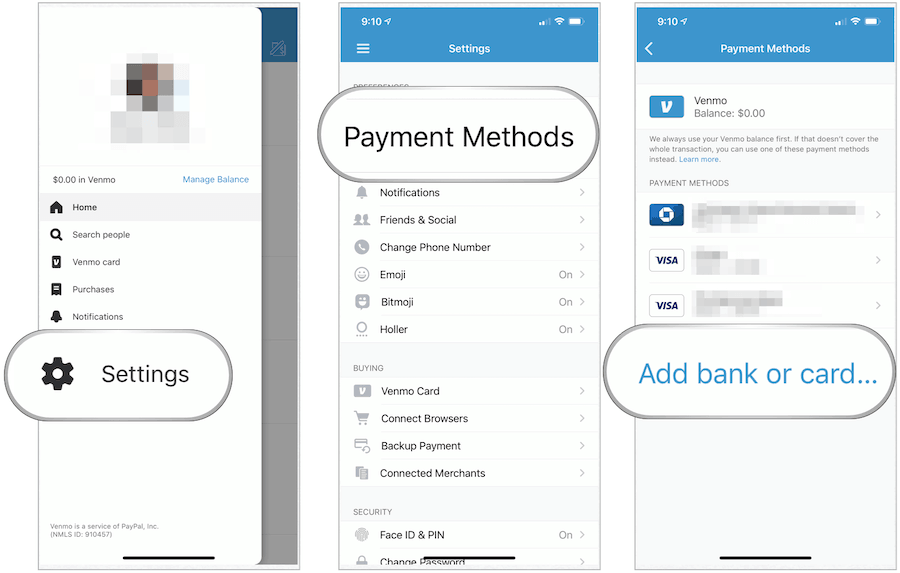
The foundation of your Venmo experience lies in securely linking and managing your funding sources. To receive money and, more importantly, to transfer it out, you’ll need a linked bank account or debit card.
- Linking: To link a bank account, you’ll typically provide your bank’s routing and account numbers. Venmo often uses micro-deposits (two small deposits followed by one withdrawal) to verify account ownership, which you’ll confirm by entering the amounts into the app. For debit cards, you simply enter the card number, expiration date, and security code.
- Management: Regularly review your linked payment methods. Remove any old or inactive cards/accounts to minimize potential security risks. If a card expires or a bank account closes, update your Venmo profile promptly.
- Security: Always ensure you’re using a secure, private network when linking or managing financial details. Never share your Venmo login credentials or bank information with anyone. Employ a strong, unique password for your Venmo account and enable multi-factor authentication for an added layer of protection. This diligent management of your payment methods is critical for safeguarding your funds and maintaining control over your financial ecosystem.
Navigating Fees, Taxes, and Regulatory Compliance
Understanding the financial implications beyond just receiving money is paramount for any Venmo user, especially those using it for more than casual personal transfers.
-
Fees: While sending and receiving money from your Venmo balance, linked bank account, or debit card is generally free for personal payments, certain actions incur fees:
- Instant Transfers: As discussed, transferring funds instantly to your bank or debit card incurs a percentage-based fee.
- Credit Card Payments: If you send money using a linked credit card, Venmo charges a 3% fee to the sender. This is why it’s generally advised to use bank accounts or debit cards for sending money to avoid unnecessary costs.
- Business Payments: While Venmo aims to be low-cost for small businesses, payments processed as “goods and services” may be subject to a seller transaction fee (e.g., 1.9% + $0.10 per transaction), which is deducted from the received amount. This is distinct from personal payments.
-
Taxes (1099-K): This is a critical point for anyone receiving money, particularly if it’s for goods and services or business income. The IRS requires payment processors like Venmo to report certain transaction volumes. Specifically, if you receive over $600 in a calendar year for goods and services transactions, Venmo is required to send you and the IRS a Form 1099-K. This threshold was reduced from $20,000 and 200 transactions. It’s crucial to understand that all income, regardless of the payment method or amount, is generally taxable unless specifically exempted by law. The 1099-K simply acts as an informational return for the IRS. Therefore, if you’re using Venmo for a side hustle, freelance work, or any form of business income, you must accurately track and report all your earnings, even if they don’t meet the 1099-K threshold. Consulting a tax professional for personalized advice is always recommended to ensure full compliance.
Protecting Your Funds: Security and Privacy on Venmo
Security and privacy are non-negotiable when dealing with your money online. Venmo, like any financial app, is a target for scammers and requires users to be vigilant.
- Strong Passwords and 2FA: Always use a unique, strong password for your Venmo account. Enable two-factor authentication (2FA), which adds an extra layer of security by requiring a code from your phone in addition to your password for logins.
- Privacy Settings: Venmo’s default settings can be quite public, with transactions visible to friends or even globally. Navigate to your privacy settings within the app and adjust them to your comfort level. You can set transactions to “Friends Only” or “Private.” For financial transactions, it’s often best to opt for “Private” to avoid sharing sensitive details publicly.
- Identifying Scams: Be highly suspicious of unsolicited requests for money or offers that seem too good to be true. Common Venmo scams include:
- “Accidental” Payments: A scammer sends you money, then claims it was an accident and asks you to send it back. They might use a stolen credit card, and when the original payment is reversed, you’ll be out the money you sent them.
- Fake Buyer Scams: If selling an item, a “buyer” might send you more than the asking price, then ask you to send the difference back. Again, the original payment often turns out to be fraudulent.
- Phishing Attempts: Emails or texts pretending to be from Venmo asking for your login credentials. Venmo will never ask for your password via email.
- What to Do if Compromised: If you suspect your account has been compromised, or you’ve fallen victim to a scam, immediately change your password, unlink any suspicious payment methods, and contact Venmo support. Quick action is crucial to mitigate potential financial losses.
By adopting these financial best practices, Venmo users can enjoy the convenience and speed of the platform while safeguarding their money and maintaining robust personal financial hygiene. Venmo is a powerful tool, but like any financial instrument, its effectiveness and safety depend significantly on informed and responsible usage.
aViewFromTheCave is a participant in the Amazon Services LLC Associates Program, an affiliate advertising program designed to provide a means for sites to earn advertising fees by advertising and linking to Amazon.com. Amazon, the Amazon logo, AmazonSupply, and the AmazonSupply logo are trademarks of Amazon.com, Inc. or its affiliates. As an Amazon Associate we earn affiliate commissions from qualifying purchases.