
In a world full of uncertainties, insurance stands as a vital financial safeguard, offering peace of mind and protection against unforeseen circumstances. Whether it’s shielding your health, your home, your car, or your loved ones’ financial future, understanding how to acquire the right insurance coverage is a fundamental aspect of sound personal finance. This comprehensive guide will demystify the process, helping you navigate the complexities of the insurance landscape to secure the protection you need.
At its core, insurance is a contract where an individual or entity (the policyholder) pays a regular premium to an insurer, who, in turn, promises to compensate the policyholder for specified losses or damages that may occur. It’s a mechanism for risk transfer, allowing you to mitigate potentially catastrophic financial burdens by pooling risk with many other policyholders. From unexpected medical emergencies and devastating property damage to the financial impact of a serious accident or even death, insurance provides a financial safety net that can prevent minor setbacks from becoming financial ruin.
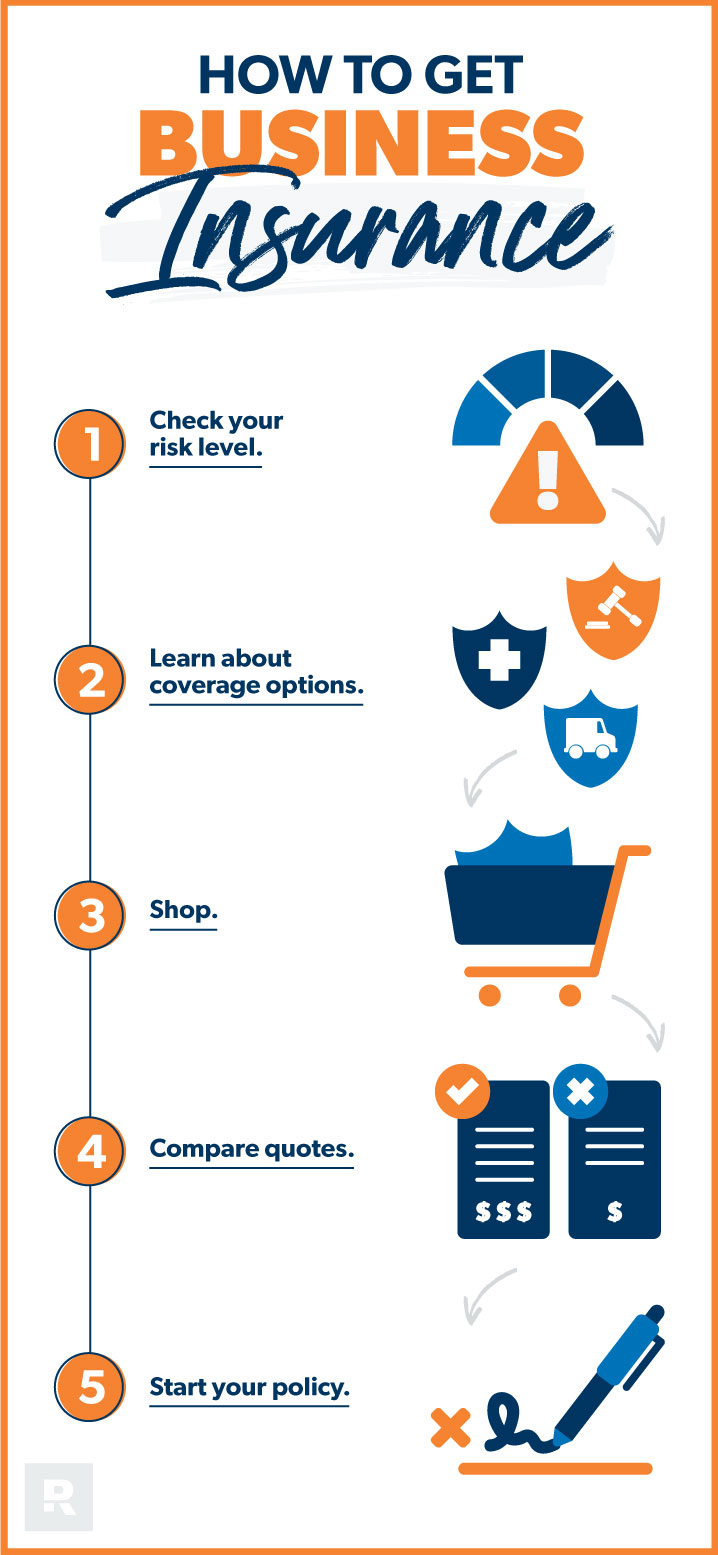
The sheer variety of insurance products can be overwhelming, leading many to postpone or completely avoid the process of getting covered. However, taking the time to understand your needs and the available options is one of the smartest financial decisions you can make. This article will break down the essential steps, considerations, and types of insurance to help you confidently answer the question, “How do I get insurance?”
Understanding Your Insurance Needs: The Foundation of Coverage
Before you can even begin shopping for insurance, it’s crucial to understand why you need it and what you need to protect. This involves a thoughtful assessment of your personal circumstances, assets, and potential risks. Without this foundational understanding, you risk purchasing insufficient coverage, unnecessary policies, or overpaying for protection you don’t truly require.
Assessing Your Risks and Life Stage
Your insurance needs are dynamic, evolving with your life stage, responsibilities, and assets. A young, single individual will have vastly different requirements than a homeowner with a family or a small business owner.
- Life Stage: Are you just starting your career, getting married, buying a home, having children, approaching retirement, or running a business? Each of these milestones introduces new risks and responsibilities that necessitate specific types of coverage. For example, having dependents makes life insurance a much higher priority. Buying a car necessitates auto insurance, and purchasing a home requires homeowner’s insurance.
- Health and Wellness: Your health status, lifestyle, and medical history are paramount when considering health and disability insurance. Do you have pre-existing conditions? Do you participate in risky hobbies? How would a long-term illness or injury impact your income?
- Assets: What do you own that needs protection? This includes your home, vehicles, valuable possessions (jewelry, art, electronics), and even your future earning potential. The more assets you accumulate, the more critical property and liability insurance become.
- Liabilities: Beyond your assets, consider your potential liabilities. If someone is injured on your property, or if you cause an accident, you could be held financially responsible. Liability coverage within policies like auto and homeowner’s insurance is designed to protect you from such claims.
- Income Protection: How reliant are you and your family on your current income? Disability insurance and, in some cases, life insurance, serve to protect against the financial fallout of losing that income due to illness, injury, or death.
Key Types of Insurance to Consider
While the world of insurance is vast, most individuals will primarily interact with a few core types. Understanding their purpose will help you identify what applies to you.
- Health Insurance: Crucial for covering medical expenses, from doctor visits and prescription drugs to hospital stays and emergency care. In many countries, it’s a legal requirement or provided through employers.
- Auto Insurance: Mandatory in most places for drivers, it protects against financial losses due to car accidents, theft, or damage to your vehicle, and covers liabilities for injuries or damage you cause to others.
- Homeowner’s/Renter’s Insurance: Protects your dwelling and personal belongings against perils like fire, theft, and natural disasters. Homeowner’s insurance also includes liability coverage, while renter’s insurance covers your possessions and liability but not the building itself.
- Life Insurance: Provides a financial payout to your beneficiaries upon your death, designed to replace lost income, cover debts, and ensure your loved ones’ financial stability. It typically comes in two main forms: Term Life (coverage for a specific period) and Whole Life (permanent coverage with a cash value component).
- Disability Insurance: Replaces a portion of your income if you become unable to work due to illness or injury. This can be short-term or long-term, providing a critical safety net for your most valuable asset: your ability to earn.
- Other Specialized Insurance: Depending on your unique circumstances, you might also consider travel insurance, pet insurance, umbrella insurance (for extended liability coverage), long-term care insurance, or even business insurance if you’re an entrepreneur.
The Insurance Acquisition Process: A Step-by-Step Guide
Once you have a clear picture of your needs, the next step is to actively seek out and purchase the right policies. This process involves research, comparison, and careful review.
Step 1: Research and Gather Information
Before you speak to anyone or get a single quote, arm yourself with knowledge. Understand the basics of each type of insurance you’re considering. What are common terms like “deductible,” “premium,” “coverage limits,” and “exclusions”?
- Online Resources: Websites of insurance companies, independent financial aggregators, and consumer protection agencies offer a wealth of information. They can provide general knowledge, explain different policy types, and often offer tools for preliminary quote estimations.
- Identify Potential Providers: Create a list of reputable insurance companies that offer the types of coverage you need. Look for companies with strong financial ratings and good customer service reviews.
- Prepare Your Data: Gather all necessary personal information. This might include your Social Security number, driver’s license number, vehicle identification number (VIN), home details (square footage, age, construction type), medical history, income information, and details about your beneficiaries. Having this ready will streamline the quoting process.
Step 2: Compare Quotes and Policy Details

This is arguably the most critical step. Never settle for the first quote you receive. Insurance is a competitive market, and prices and coverage can vary significantly between providers for seemingly similar policies.
- Obtain Multiple Quotes: Contact at least 3-5 different insurance providers, including both large national companies and smaller regional ones. You can do this directly through their websites, by phone, or through an insurance agent or broker.
- Work with Agents or Brokers:
- Captive Agents: Work exclusively for one insurance company (e.g., State Farm, Allstate). They are experts in their company’s products and can guide you through their specific offerings.
- Independent Agents/Brokers: Represent multiple insurance companies. They can shop around on your behalf, providing you with a range of options from different insurers and helping you compare them side-by-side. This can save you significant time and effort.
- Beyond the Premium: While the monthly or annual premium is important, it should not be your sole deciding factor. Look closely at:
- Coverage Limits: The maximum amount the insurance company will pay out for a covered claim. Ensure these limits are sufficient to protect your assets and meet your potential liabilities.
- Deductibles: The amount you must pay out-of-pocket before your insurance coverage kicks in. A higher deductible usually means a lower premium, but be sure you can afford the deductible if a claim arises.
- Exclusions: What the policy doesn’t cover. Be aware of these limitations to avoid surprises later. For example, some homeowner’s policies might exclude flood or earthquake damage, requiring separate policies.
- Perils Covered: What specific events or risks the policy protects against.
- Customer Service and Claims Process: Research the insurer’s reputation for handling claims efficiently and fairly. A low premium is meaningless if the company makes it impossible to get paid when you need them most.
Step 3: Understand and Purchase the Policy
Once you’ve compared quotes and chosen a policy that best fits your needs and budget, it’s time to finalize the purchase.
- Read the Policy Document Carefully: Before signing anything or making a payment, thoroughly read the entire policy document. It’s a legal contract. If anything is unclear, ask your agent or the insurer for clarification. Pay special attention to the declarations page, which summarizes your coverage, limits, and premiums.
- Ask Questions: Don’t hesitate to ask about anything you don’t understand. What are the payment options? How do I file a claim? What happens if I move or change vehicles?
- Payment: Once satisfied, you’ll make your first premium payment, and your coverage will become active. You’ll receive physical or digital policy documents, which you should keep in a safe, accessible place.
Smart Insurance Shopping: Maximizing Value and Protection
Getting insurance isn’t a one-time event; it’s an ongoing financial strategy. There are several smart practices that can help you get the best value and maintain adequate protection over time.
Leverage Discounts and Bundling
Insurance companies often offer various discounts that can significantly reduce your premiums.
- Bundling: Purchasing multiple policies (e.g., auto and homeowner’s) from the same insurer can often lead to substantial discounts on all policies.
- Good Driver/Student Discounts: For auto insurance, a clean driving record, defensive driving courses, or good grades for young drivers can lower rates.
- Home Safety Features: Smoke detectors, security systems, deadbolts, and sprinkler systems can reduce homeowner’s insurance premiums.
- Health and Wellness Programs: Some health insurers offer discounts or rewards for participating in wellness programs or maintaining a healthy lifestyle.
- Higher Deductibles: As mentioned, choosing a higher deductible can lower your premium, but ensure it’s an amount you can comfortably afford in an emergency.
Review Your Policies Annually
Your life changes, and so should your insurance coverage. A yearly review is essential.
- Life Events: Did you get married, have a child, buy a new car, renovate your home, or get a new job? Any major life event can impact your insurance needs.
- Asset Changes: Have you acquired valuable new possessions? Have the values of your home or car changed significantly?
- Market Changes: Insurance rates can change due to market conditions, inflation, or your claims history. Shopping around annually can ensure you’re still getting a competitive rate.
- Coverage Adequacy: Ensure your coverage limits still match your current assets and liabilities. For example, the cost to rebuild your home may have increased, meaning your current coverage could be insufficient.
Understand the Claims Process
The true test of any insurance policy is when you need to file a claim. Understand what to do before an incident occurs.
- Know Your Policy: Be familiar with what your policy covers and the steps required to file a claim.
- Contact Your Insurer Promptly: Report incidents as soon as possible.
- Document Everything: Take photos, gather evidence, get witness statements, and keep detailed records of all communications with your insurer.
- Ask for Explanations: If a claim is denied or adjusted in a way you don’t understand, ask for a clear explanation and understand your options for appeal.

Conclusion: Empowering Your Financial Future
Getting insurance doesn’t have to be a daunting task. By systematically understanding your needs, thoroughly researching your options, carefully comparing policies, and engaging in smart shopping practices, you can confidently acquire the protection necessary to safeguard your financial well-being. Insurance is an investment in your peace of mind and a cornerstone of a resilient financial plan. Don’t view it as an expense, but rather as an essential financial tool that empowers you to face life’s uncertainties with greater security and confidence. Take the time today to assess your needs, explore your options, and secure the insurance coverage that is right for you and your future.
aViewFromTheCave is a participant in the Amazon Services LLC Associates Program, an affiliate advertising program designed to provide a means for sites to earn advertising fees by advertising and linking to Amazon.com. Amazon, the Amazon logo, AmazonSupply, and the AmazonSupply logo are trademarks of Amazon.com, Inc. or its affiliates. As an Amazon Associate we earn affiliate commissions from qualifying purchases.