
Navigating the complex world of health insurance can feel like a daunting task, especially when the primary goal is affordability without compromising essential care. In an era where healthcare costs continue to climb, finding “cheap” health insurance isn’t about sacrificing quality but rather about smart financial planning, understanding your options, and strategically selecting a plan that aligns with your specific needs and budget. This article will demystify the process, offering a comprehensive guide for individuals and families seeking cost-effective health coverage within the realm of personal finance.
Understanding the Health Insurance Landscape and Your Needs
Before diving into specific strategies for finding cheaper health insurance, it’s crucial to grasp the foundational elements of the system and accurately assess your own healthcare requirements. A well-informed decision starts with a clear understanding of what you’re buying and why.

Decoding Health Insurance Costs
The “cost” of health insurance extends beyond the monthly premium. While a low premium might seem attractive, it often comes with higher out-of-pocket expenses when you actually need care. Key financial components to consider include:
- Premiums: The regular payment (usually monthly) you make to your insurance provider to maintain coverage. This is the most visible cost.
- Deductibles: The amount you must pay out of your own pocket for covered healthcare services before your insurance plan starts to pay. High deductibles often correlate with lower premiums.
- Co-payments (Co-pays): A fixed amount you pay for a covered service, like a doctor’s visit or prescription drug, after you’ve met your deductible (though some plans offer co-pays for certain services before the deductible is met).
- Coinsurance: Your share of the cost for a covered service, calculated as a percentage (e.g., 20%) after you’ve met your deductible.
- Out-of-Pocket Maximum: The most you’ll have to pay for covered services in a plan year. Once you reach this limit, your insurance plan pays 100% of the cost for covered benefits. This ceiling is a critical financial safeguard.
Understanding the interplay between these elements is vital. A plan with a low premium but a high deductible and coinsurance might be cheap upfront but could prove very expensive if you face significant medical issues. Conversely, a higher premium might offer greater financial predictability and lower out-of-pocket costs when care is needed.
Assessing Your Healthcare Requirements
Your ideal health insurance plan is deeply personal. What constitutes “cheap” or “affordable” for one person might be entirely inadequate or excessive for another. To make an informed financial decision, consider:
- Your current health status: Are you generally healthy with minimal medical needs, or do you have chronic conditions requiring regular doctor visits, prescriptions, or specialist care?
- Anticipated future needs: Are you planning to start a family, undergo a specific medical procedure, or expect to need mental health services?
- Prescription medications: Do you take regular prescriptions? Check if they are covered by potential plans and what your co-pay or coinsurance would be.
- Preferred doctors and hospitals: Do you have specific providers you want to continue seeing? Ensure they are within the plan’s network.
- Financial risk tolerance: Are you comfortable with a higher deductible in exchange for lower monthly premiums, assuming you won’t need much care, or do you prefer the peace of mind of a lower deductible and more predictable costs?
Answering these questions honestly will help you narrow down plan types and benefit structures, leading you toward a financially sensible choice.
Navigating Pathways to Affordable Coverage
Once you understand your needs, the next step is to explore the various avenues through which health insurance is offered. Each pathway has unique characteristics that can impact affordability and accessibility.
The Health Insurance Marketplace (ACA)
Created by the Affordable Care Act (ACA), the Health Insurance Marketplace (also known as the exchange) is a government-regulated platform where individuals and families can shop for health plans. This is often the primary source for people who don’t get insurance through an employer or government program. Plans are categorized into metal tiers (Bronze, Silver, Gold, Platinum) indicating the level of cost-sharing:
- Bronze plans: Lowest premiums, highest deductibles and out-of-pocket costs. Best for those who want protection from catastrophic costs and rarely need medical care.
- Silver plans: Moderate premiums and moderate deductibles. Offer extra savings for those who qualify for Cost-Sharing Reductions (CSRs), making them a strong financial choice for many lower-income individuals.
- Gold plans: Higher premiums, lower deductibles and out-of-pocket costs. Suitable for those who expect to use a lot of medical services.
- Platinum plans: Highest premiums, lowest deductibles. Offer the most comprehensive coverage and lowest out-of-pocket costs for medical care.
Crucially, the Marketplace is where eligible individuals can receive financial assistance in the form of premium tax credits and cost-sharing reductions, significantly lowering the out-of-pocket cost of health insurance.
Employer-Sponsored Plans: A Common Route
For many, employer-sponsored health insurance is the most common and often most affordable option. Employers typically subsidize a significant portion of the premium, making it cheaper than purchasing a comparable plan on the individual market. These plans also often come with a broader range of options and established provider networks. If you have this option, it’s usually a strong contender for cost-effectiveness. However, review the plan’s financial details (deductibles, co-pays, out-of-pocket max) carefully, as even employer plans can vary widely in their actual cost of care.
Government Programs: Medicaid, CHIP, and Medicare
For individuals and families meeting specific income or age criteria, government programs can offer extremely affordable, or even free, health insurance:
- Medicaid: A joint federal and state program that provides health coverage to low-income individuals and families. Eligibility rules vary by state, especially whether a state has expanded Medicaid under the ACA. If you qualify, Medicaid offers comprehensive benefits at little to no cost.
- Children’s Health Insurance Program (CHIP): Provides low-cost health coverage for children in families who earn too much to qualify for Medicaid but cannot afford private insurance. Some states also cover pregnant women.
- Medicare: A federal health insurance program primarily for people aged 65 or older, some younger people with disabilities, and people with End-Stage Renal Disease. While not “free,” Medicare Part A (hospital insurance) is often premium-free if you or your spouse paid Medicare taxes for a certain period. Other parts (B, C, D) involve premiums but are generally comprehensive.
These programs represent a vital safety net and are often the cheapest possible options for eligible individuals.
Short-Term Health Insurance and Other Alternatives
For those who are healthy, temporarily between jobs, or missed open enrollment, short-term health insurance might seem like an attractive “cheap” option. However, it’s essential to understand its limitations:
- Limited coverage: These plans typically don’t cover pre-existing conditions, maternity care, mental health services, or prescription drugs, which are essential benefits under ACA-compliant plans.
- Duration limits: They are designed for temporary coverage (often 3 months to less than a year, though some states allow longer).
- Not ACA compliant: They do not qualify as minimum essential coverage under the ACA, meaning you could be subject to penalties in some states (though the federal penalty was eliminated).
While offering very low premiums, short-term plans are generally not a substitute for comprehensive coverage and should be approached with extreme caution, primarily as a bridge in specific situations. Other alternatives like health care sharing ministries also exist but operate differently from traditional insurance and carry their own risks and limitations.
Strategic Approaches to Lower Your Premiums
Once you’ve identified the potential pathways, specific financial strategies can help reduce your monthly health insurance premiums further.
Maximizing Subsidies and Tax Credits
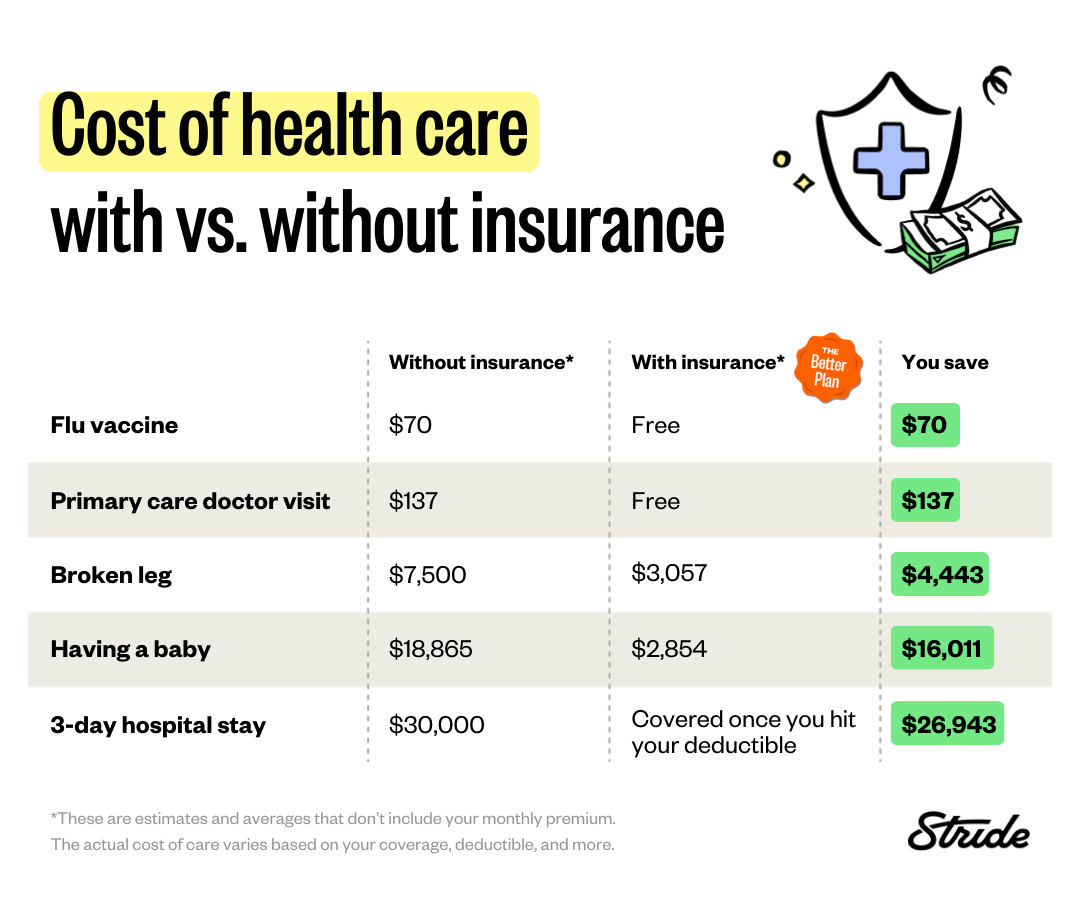
The most significant way many individuals find affordable health insurance is through financial assistance offered via the Health Insurance Marketplace.
- Premium Tax Credits (APTCs): These reduce your monthly premium payment. Eligibility is based on your household income relative to the federal poverty level (FPL) and household size. The higher the credit, the lower your monthly payment. It’s crucial to accurately estimate your income when applying to maximize these credits.
- Cost-Sharing Reductions (CSRs): Available only for those who enroll in a Silver-tier plan on the Marketplace and meet specific income thresholds. CSRs reduce your deductible, co-payments, and coinsurance, effectively making a Silver plan much more generous than its standard form, offering exceptional value for lower-income individuals.
It’s critical to re-evaluate your eligibility for these subsidies annually, or whenever your income or household size changes, to ensure you’re receiving the maximum financial aid.
Opting for Higher Deductible Plans (HDHPs)
If you are generally healthy and anticipate minimal healthcare needs, an HDHP can be a financially savvy choice. These plans typically have lower monthly premiums in exchange for higher deductibles. The trade-off is that you pay more out-of-pocket before your insurance kicks in, but your regular monthly expense is significantly reduced. This strategy is best for those who can afford to cover the full deductible in an emergency.
Exploring Health Savings Accounts (HSAs)
HSAs are powerful financial tools that pair exclusively with qualifying HDHPs. They allow you to save money tax-free for future medical expenses. Key financial benefits include:
- Tax-deductible contributions: Money you put into an HSA is tax-deductible.
- Tax-free growth: The funds grow tax-free.
- Tax-free withdrawals: Withdrawals are tax-free when used for qualified medical expenses.
- Portability: The account belongs to you, even if you change jobs or insurance plans.
An HSA can effectively make an HDHP even cheaper by providing a tax-advantaged way to save for and pay your deductible and other qualified medical costs, significantly reducing your overall healthcare financial burden.
Leveraging Group Discounts and Association Plans
Beyond employer plans, some professional organizations, alumni associations, or other affinity groups offer access to group health insurance plans. These plans can sometimes offer lower premiums or better benefits than individual plans due to the larger risk pool. Investigate any such affiliations you might have to see if this option is available to you.
Smart Shopping and Enrollment Tips
Finding cheap health insurance isn’t just about knowing your options; it’s also about smart shopping and continuous evaluation.
Comparing Plans Effectively
Don’t just look at the premium. Use the “total cost of care” mentality, factoring in deductibles, co-pays, coinsurance, and the out-of-pocket maximum. Use online comparison tools provided by the Marketplace or private brokers, and pay close attention to the “Summary of Benefits and Coverage” (SBC) document for each plan, which standardizes information for easy comparison.
Understanding Network Types (HMO, PPO, EPO, POS)
The type of provider network significantly impacts not only your choice of doctors but also your out-of-pocket costs:
- HMO (Health Maintenance Organization): Typically lower premiums but requires you to choose a primary care provider (PCP) and get referrals to see specialists. Coverage usually limited to in-network providers.
- PPO (Preferred Provider Organization): More flexibility to see out-of-network providers (though at a higher cost) and no need for referrals. Generally higher premiums than HMOs.
- EPO (Exclusive Provider Organization): Similar to an HMO in that you must use in-network providers, but often no referral needed for specialists.
- POS (Point of Service): A hybrid of HMO and PPO, offering lower costs for in-network care and higher costs for out-of-network.
Choosing a network type that matches your preferences for flexibility versus cost is a key financial decision.
Reviewing Your Plan Annually
Healthcare needs and insurance offerings change. During the annual Open Enrollment Period (typically November 1st to December 15th for coverage starting January 1st), review your current plan and compare it with new options. Your income might have changed, new plans might be available, or your health needs might have shifted. This annual review can ensure you’re always on the most cost-effective plan.
Seeking Professional Guidance
For complex situations or if you feel overwhelmed, consider consulting a licensed insurance broker or navigator. These professionals can help you understand your options, compare plans, and apply for subsidies, often at no direct cost to you (they are usually compensated by the insurance companies). Their expertise can be invaluable in finding the truly cheapest and most suitable plan.
Beyond Premiums: Maximizing Value and Staying Healthy
Ultimately, “cheap” health insurance isn’t just about the lowest monthly payment; it’s about the best financial value for your health and peace of mind.
Utilizing Preventive Care
Most health insurance plans, especially ACA-compliant ones, cover a range of preventive services at no cost (no co-pay or deductible). These include annual physicals, screenings, and immunizations. Regularly utilizing preventive care can catch potential health issues early, preventing more serious and expensive problems down the line. It’s an investment in your long-term financial and physical well-being.
Understanding Your Benefits
Take the time to read your plan’s Summary of Benefits and Coverage (SBC) and understand what’s covered, what’s not, and the specific costs associated with different services. This prevents unexpected bills and allows you to make informed decisions about your care, optimizing your spending.

Advocating for Yourself
Don’t be afraid to ask questions about billing, negotiate prices, or appeal denied claims. Understanding your rights as an insured individual and being an active participant in your healthcare journey can lead to significant cost savings.
In conclusion, securing “cheap” health insurance requires a diligent, informed approach rooted in personal finance principles. By thoroughly understanding your needs, exploring all available pathways, strategically leveraging financial assistance and plan structures, and engaging in smart shopping habits, you can find a health insurance solution that provides essential protection without breaking the bank. It’s an investment in your health that can, with careful planning, be remarkably affordable.
aViewFromTheCave is a participant in the Amazon Services LLC Associates Program, an affiliate advertising program designed to provide a means for sites to earn advertising fees by advertising and linking to Amazon.com. Amazon, the Amazon logo, AmazonSupply, and the AmazonSupply logo are trademarks of Amazon.com, Inc. or its affiliates. As an Amazon Associate we earn affiliate commissions from qualifying purchases.