
In an era where educational expenses continually climb, every opportunity to save money becomes invaluable for students. From textbooks and stationery to everyday essentials and even leisure items, the cost of living while pursuing higher education can quickly accumulate. Recognizing this financial burden, many companies offer special student discounts, and Amazon, the global e-commerce giant, is no exception. Accessing these discounts isn’t just about saving a few dollars; it’s about strategic financial planning, maximizing your budget, and making your academic journey more sustainable.
For students navigating the complexities of tuition fees, accommodation, and daily expenses, understanding how to leverage platforms like Amazon for financial benefit is a critical life skill. This guide delves into the specifics of obtaining a student discount on Amazon, primarily through its highly beneficial “Prime Student” program, and explores additional strategies to optimize your spending and stretch your budget further. We’ll walk through the eligibility criteria, the step-by-step process, and tips to ensure you’re making the most of every financial advantage available to you, transforming casual shopping into a calculated financial move.
Unlocking the Value of Amazon Prime Student
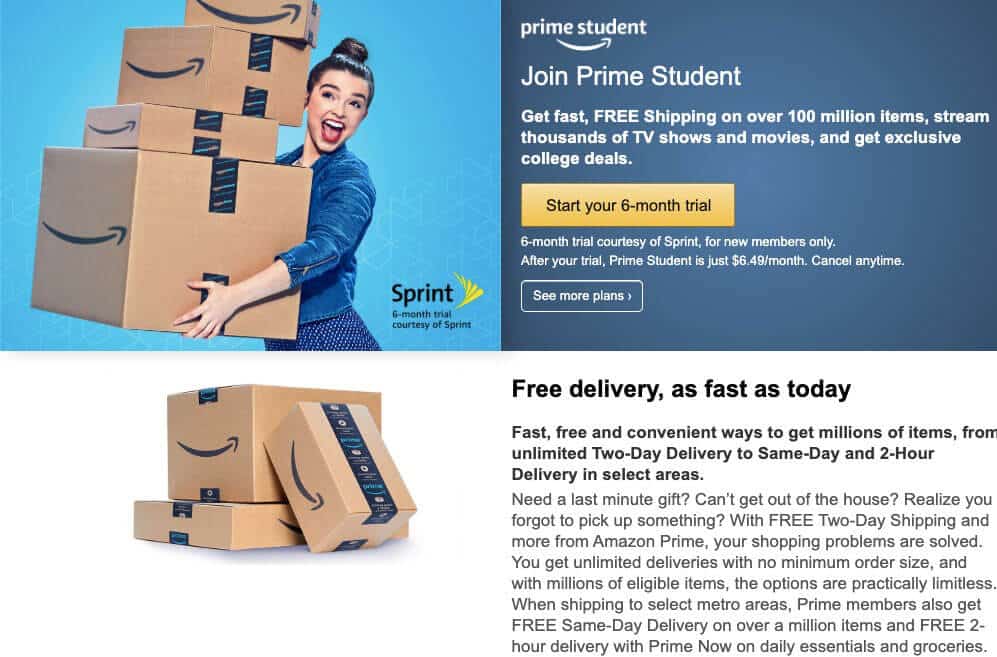
The cornerstone of student discounts on Amazon is undoubtedly its “Prime Student” program. This initiative is Amazon’s dedicated effort to support students by offering a significantly discounted version of its premium Prime membership, replete with a host of benefits designed to cater to academic and personal needs. Understanding and utilizing Prime Student is not merely about convenience; it’s a crucial step in intelligent personal finance for any college or university student.
Eligibility Requirements and Verification Process
To qualify for Amazon Prime Student, you must meet a few key criteria, primarily centered around your enrollment status and age. Amazon typically requires you to be:
-
Currently enrolled in a two-year or four-year college or university: This usually means you must be actively pursuing a degree. Some vocational or technical programs might also qualify, but generally, it’s geared towards higher education institutions.
-
Able to provide proof of enrollment: This is a critical step for verification. Amazon will usually ask for an “.edu” email address associated with your university. If you don’t have one, or if it doesn’t work for verification, they might request alternative proof, such as:
-
A student ID card displaying the current academic year.
-
An acceptance letter for an upcoming term.
-
A tuition bill or transcript showing current enrollment.
-
An official enrollment verification letter from your school.
-
-
At least 18 years of age: While some students might enroll in college earlier, the program is generally limited to those who have reached the age of majority.
The verification process is designed to be straightforward but thorough, ensuring that the benefits are reserved for legitimate students. You will typically be prompted to provide your academic email address, and Amazon will send a verification link. Clicking this link confirms your student status. In cases where an “.edu” email isn’t available or verification fails, Amazon’s customer service will guide you through submitting alternative documentation, often via an upload portal or email. This rigor, while sometimes perceived as an extra step, protects the integrity of the program and ensures its continued financial viability for Amazon, which in turn benefits students.
Step-by-Step Enrollment Guide
Enrolling in Amazon Prime Student is a relatively simple process once you have your eligibility criteria confirmed and necessary documentation at hand. Following these steps will quickly get you access to the program’s substantial financial benefits:
-
Visit the Amazon Prime Student Page: Start by navigating directly to the Amazon Prime Student homepage. This can usually be found by searching “Prime Student” on Amazon or through a direct link on Amazon’s main website.
-
Click “Start your 6-month free trial”: This prominent button initiates the enrollment process. Ensure you are logged into your Amazon account, or create one if you don’t already have an account.
-
Provide Your Student Information: You will be prompted to enter details such as your university name, expected graduation date, and your “.edu” email address. This is where the primary verification occurs.
-
Confirm Your Email: Amazon will send an email to your provided “.edu” address containing a verification link. Click this link to confirm your student status. If you don’t receive it, check your spam folder or re-enter your email.
-
Enter Payment Information: Even for the free trial, Amazon requires a valid payment method on file. This is standard practice for subscription services to seamlessly transition you to a paid membership after the trial period, unless you choose to cancel.
-
Complete Sign-Up: Once your email is verified and payment information is entered, you’re officially enrolled in Prime Student! You can immediately begin enjoying all the associated benefits.
It’s crucial to complete each step accurately to avoid delays. If you encounter any issues during the verification or enrollment process, Amazon’s customer service can provide assistance, often with a dedicated team for Prime Student inquiries.
Understanding the Trial Period and Subsequent Pricing
One of the most attractive financial perks of Amazon Prime Student is its generous trial period, followed by a significantly reduced membership fee.
-
6-Month Free Trial: New Prime Student members typically receive a six-month free trial. This is a substantial financial benefit, allowing students to experience all the core Prime benefits – free two-day shipping, streaming, exclusive deals, and more – without any upfront cost. This trial period is ample time to determine if the membership truly aligns with your academic and personal financial needs before committing to a paid subscription.
-
Discounted Annual Rate: After the six-month free trial concludes, your membership will automatically renew into a paid Prime Student membership, but at a heavily discounted rate. Historically, this rate has been around 50% off the standard Amazon Prime membership fee. This reduced cost makes Prime a much more accessible and financially sound investment for students, offering continued access to all perks at a fraction of the regular price.
-
Comparison to Standard Prime: To put this into perspective, a standard Amazon Prime membership carries a full annual fee. Prime Student offers the same suite of benefits—fast, free shipping on millions of items, unlimited streaming of movies and TV shows with Prime Video, ad-free listening with Amazon Music, unlimited photo storage, and access to Prime Day deals—but at a significantly lower financial outlay. This cost saving over multiple years of study can amount to substantial financial relief, making it a wise budgetary decision for many students.
It is important for students to be aware of the auto-renewal and the transition from the free trial to the paid membership. If you decide that Prime Student isn’t for you after the trial, make sure to cancel before the trial period ends to avoid being charged. However, for most students, the blend of convenience, entertainment, and essential services at half the price makes it an indispensable financial tool.
Beyond Prime Student: Maximizing Your Savings
While Amazon Prime Student is a powerful financial tool, it’s just one piece of the puzzle when it comes to maximizing your savings on Amazon. Smart students understand that a comprehensive approach to personal finance involves leveraging every available discount and strategic shopping habit. Amazon offers several avenues for additional savings that, when combined with Prime Student, can significantly reduce your overall expenditure.
Exclusive Student-Only Deals and Promotions
Beyond the core Prime benefits, Amazon frequently rolls out exclusive student-only deals and promotions, especially tailored to academic needs. These can include:
-
Software Discounts: Many software publishers partner with Amazon to offer discounted rates on essential academic software (e.g., Microsoft Office, Adobe Creative Cloud) to verified students. These savings can be substantial, as educational versions often cost a fraction of commercial licenses.
-
Textbook Promotions: Keep an eye out for specific promotions on textbooks, either new, used, or rental options. Amazon often has sales around the beginning of new semesters or provides unique coupon codes for Prime Student members on required reading materials.
-
Tech and Gadget Sales: Discounts on laptops, tablets, headphones, and other essential tech items for students are common. These offers often coincide with back-to-school periods or major shopping events like Prime Day or Black Friday, with additional percentages off for Prime Student members.
-
Specific Brand Offers: Certain brands may run flash sales or special promotions exclusively for Prime Student members, offering discounts on anything from dorm room essentials to fashion items.
To stay informed about these fleeting opportunities, regularly check the “Deals” section on Amazon, subscribe to Amazon’s promotional emails, and specifically look for “student offers” or “Prime Student exclusive deals.” Proactive searching for these specific promotions can lead to significant unexpected savings, further stretching a student’s budget.
Leveraging Amazon Warehouse and Renewed Items
Savvy student shoppers looking to save even more on their purchases should explore Amazon Warehouse and Amazon Renewed. These sections are goldmines for those who prioritize value and are comfortable with items that aren’t brand new.
-
Amazon Warehouse: This section features open-box, pre-owned, or customer-returned items that are in good condition but might have minor cosmetic imperfections or damaged packaging. These items are typically sold at a significant discount. For students on a tight budget, finding essentials like electronics, kitchen gadgets for a dorm, or even furniture for an apartment through Amazon Warehouse can lead to substantial financial savings without compromising much on functionality. Each item is inspected and graded by Amazon, providing transparency about its condition.
-
Amazon Renewed: This program offers refurbished, pre-owned, and open-box products that have been inspected and tested to work and look like new by Amazon-qualified suppliers. These items often come with a warranty, providing peace of mind. For high-ticket items like laptops, smartphones, or cameras, purchasing through Amazon Renewed can result in hundreds of dollars in savings compared to buying new, making expensive but necessary tech more financially accessible for students.
Integrating a search through these sections into your shopping routine can dramatically reduce costs, aligning perfectly with a frugal student budget. It’s a smart financial move to check these options before defaulting to brand-new, full-priced items.
Capitalizing on Amazon’s Textbook Rentals and Digital Resources
Textbooks are a notoriously expensive part of higher education. Amazon has developed solutions specifically to address this financial burden, offering significant savings opportunities for students.
-
Textbook Rentals: Amazon’s textbook rental service allows students to rent textbooks for an entire semester or quarter, often at a fraction of the purchase price. This is a game-changer for courses where a textbook is only needed for a limited time. The process is simple: rent the book, use it, and return it by the due date. This avoids the upfront cost of purchasing and the hassle of reselling, making it a financially sound and convenient option.
-
Digital Textbooks (Kindle): Many textbooks are available in digital Kindle format, which is often cheaper than physical copies. For students comfortable reading on a device, this can lead to considerable savings. Additionally, digital textbooks offer features like searchability, highlighting, and note-taking, which can enhance the learning experience.
-
Kindle Unlimited and Audible: While not exclusively for academic texts, subscriptions like Kindle Unlimited and Audible can provide access to a vast library of e-books and audiobooks, some of which may be relevant for coursework or general reading. For a monthly fee, students can access numerous titles that would otherwise be costly to purchase individually, offering broad financial value for avid readers and learners. Some universities even integrate with these services for required readings.
By strategically utilizing Amazon’s rental options and digital libraries, students can significantly cut down on one of their largest recurring educational expenses, freeing up funds for other necessities or savings goals.

Strategic Financial Planning for Student Shoppers
Accessing discounts is only one part of smart financial management. For students, developing strategic financial planning habits around their shopping, especially on a platform as vast as Amazon, is crucial. It’s about transforming passive consumption into active, mindful financial decision-making.
Budgeting for Amazon Purchases
The ease of one-click ordering on Amazon can be a double-edged sword for students. While convenient, it can lead to impulsive spending if not managed properly. Effective budgeting is paramount:
-
Set Clear Spending Limits: Before even browsing, decide how much you can realistically afford to spend on non-essentials from Amazon each month. Allocate specific amounts for categories like “academic supplies,” “personal care,” or “leisure.”
-
Track Your Expenses: Use budgeting apps, spreadsheets, or even a simple notebook to meticulously track every Amazon purchase. Seeing where your money goes can be a powerful motivator for smarter spending. Many banking apps offer expense tracking features that categorize transactions automatically.
-
Differentiate Needs vs. Wants: Before adding an item to your cart, take a moment to consider if it’s a genuine need (e.g., a required textbook, a broken essential) or merely a want. Postponing wants can save significant money over time.
-
Create a “Wish List” for Wants: Instead of immediate purchases for non-essentials, add them to an Amazon Wish List. Revisit it after a few days or weeks. Often, the urge to buy fades, or you might find the item on sale elsewhere.
A disciplined approach to budgeting ensures that the savings from student discounts aren’t negated by overspending elsewhere, reinforcing positive financial habits for the long term.
Utilizing Payment Methods Wisely (Student Credit Cards, Debit Cards)
The payment method chosen for Amazon purchases can have significant financial implications for students, impacting credit scores, interest accrual, and overall financial health.
-
Debit Cards: Using a debit card directly deducts funds from your bank account. This is generally the safest option for students who struggle with impulse control or are new to managing money, as it prevents debt. You can only spend what you have.
-
Student Credit Cards: Many banks offer credit cards specifically designed for students, often with lower credit limits and educational resources on responsible use. If used wisely (paying the full balance on time every month), a student credit card can be an excellent tool for building a positive credit history, which is crucial for future financial endeavors like renting an apartment or taking out a car loan. However, carrying a balance incurs interest, which can quickly erode any savings gained from discounts. Students should be acutely aware of interest rates and commit to full, timely payments.
-
Gift Cards/Amazon Balance: Purchasing items with Amazon gift cards or a pre-loaded Amazon balance can be an effective way to control spending. You’re limited to the amount pre-funded, making it harder to overspend. This can be a strategic choice for managing a specific budget for Amazon purchases.
The key is to understand the implications of each payment method and choose the one that aligns with your current financial discipline and goals, prioritizing avoiding unnecessary debt.
Comparing Prices and Exploring Alternatives
Even with student discounts, Amazon might not always offer the absolute best price. Strategic financial planning involves comparing prices and considering alternatives:
-
Price Comparison Tools: Utilize browser extensions or websites that compare Amazon’s prices with those of other retailers (e.g., Best Buy, Target, Walmart, eBay). A few minutes of research can often reveal lower prices elsewhere, even after Amazon’s student discount.
-
Used Marketplaces: For items like books, electronics, or dorm essentials, consider local used marketplaces (e.g., Facebook Marketplace, Craigslist, local thrift stores). These often offer significantly lower prices than even Amazon’s discounted rates for used items.
-
Borrowing or Sharing: For very specific or short-term needs (e.g., a power tool for a project, a book for a single chapter), consider borrowing from friends, family, or your university library. Group purchasing with roommates for shared items can also lead to collective savings.
-
Is it Truly Necessary? Before any purchase, especially for discretionary items, ask yourself if you truly need it. Sometimes, the most significant saving comes from not buying something at all. This simple question, rooted in mindful spending, can significantly impact your financial health.
Adopting these habits of comparison and critical assessment ensures that your financial resources are allocated as efficiently as possible, maximizing the value of every dollar you spend as a student.
Maintaining Your Student Discount Status
The financial benefits of Amazon Prime Student are not indefinite. To continue enjoying the discounted rate, students must understand the re-verification process and the eventual transition out of the program. Proactive management of your student status ensures uninterrupted access to savings and avoids unexpected charges.
Annual Verification and Re-enrollment
Amazon typically grants Prime Student membership for up to four years, but with periodic re-verification. This means that even after your initial six-month free trial and discounted annual renewal, Amazon will likely ask you to re-verify your student status annually or biannually.
-
Prompt Response is Key: When Amazon sends an email or notification requesting re-verification, respond promptly. Failure to do so can result in your Prime Student membership automatically converting to a full-price standard Prime membership, leading to an unexpected increase in your annual fee.
-
Prepare Documentation: Keep copies of your student ID, enrollment verification letters, or other proof of enrollment readily accessible. This makes the re-verification process smooth and quick.
-
Update Information: If your “.edu” email address changes or you transfer universities, update your information on your Amazon account to prevent issues with verification emails.
Staying on top of these re-verification requests is a simple yet crucial financial habit to maintain your discounted status throughout your academic career.
Understanding Expiration and Transition to Standard Prime
Eventually, your time as a student will come to an end, or you will exhaust the maximum duration of the Prime Student program (typically four years). When this occurs, your membership will transition:
-
Automatic Transition: At the end of your eligible student period, your Prime Student membership will automatically convert to a full-price standard Amazon Prime membership. You will be charged the current annual rate for standard Prime unless you take action.
-
Notification of Expiration: Amazon usually sends notifications via email well in advance of this transition, informing you when your student discount is expiring and what the new full price will be. Pay attention to these emails to avoid surprises.
-
Options at Transition:
-
Continue with Standard Prime: If you find the benefits of Prime indispensable, you can simply allow the membership to continue at the full annual rate.
-
Cancel Membership: If the full price is no longer financially viable or you no longer need the services, you can cancel your Prime membership before it renews at the higher rate.
-
Explore Other Options: You might consider sharing a Prime membership with family members (if Amazon’s household sharing features are applicable and financially beneficial) or exploring other subscription services that better fit your post-student budget.
-
Understanding this automatic transition is vital for post-graduation financial planning. It allows you to budget for the increased cost or make an informed decision to discontinue the service, maintaining control over your personal finances.
Troubleshooting Common Issues
While Amazon strives for a seamless experience, students might occasionally encounter issues with their Prime Student discount. Knowing how to troubleshoot these can save time and prevent financial frustration.
-
Verification Problems: If your “.edu” email isn’t working for verification, or if you haven’t received a verification link, first check your spam or junk folder. Ensure your email address is correctly entered. If problems persist, prepare alternative documentation (transcript, student ID) and contact Amazon Customer Service. They have dedicated teams for Prime Student issues and can often manually verify your status.
-
Unexpected Charges: If you’ve been charged the full Prime membership fee prematurely, or if you were charged after canceling your trial, immediately contact Amazon Customer Service. Have your order details and any relevant correspondence (like cancellation confirmations) ready. Amazon is usually prompt in resolving billing errors.
-
Difficulty Canceling: If you’re having trouble canceling your Prime Student membership, navigate to “Your Prime Membership” in your Amazon account settings. There should be an option to “End Membership” or “Manage Membership.” If you still face issues, customer service can assist. Remember to cancel before the renewal date to avoid charges.
Proactive problem-solving and timely communication with Amazon are key to ensuring that you consistently receive the financial benefits you’re entitled to as a student member, safeguarding your budget from avoidable complications.

Conclusion
Accessing student discounts on Amazon, particularly through the Amazon Prime Student program, is a strategic financial decision that offers substantial benefits to students. From the convenience of fast, free shipping and a vast library of entertainment to exclusive deals on academic essentials, Prime Student delivers significant value at a fraction of the cost of a standard membership.
Beyond the initial enrollment, a truly financially savvy student will integrate these discounts into a broader framework of intelligent personal finance. This includes diligently budgeting for purchases, wisely selecting payment methods, and consistently comparing prices to ensure every dollar spent on Amazon, or anywhere else, is maximized. Moreover, understanding the maintenance requirements and eventual transition from the program is crucial for long-term financial planning, preventing unexpected costs.
In the challenging financial landscape of higher education, every saving counts. By mastering how to get and maintain your student discount on Amazon, and by adopting smart shopping habits, you empower yourself to navigate your academic journey with greater financial ease and confidence, setting a strong foundation for future fiscal responsibility.
aViewFromTheCave is a participant in the Amazon Services LLC Associates Program, an affiliate advertising program designed to provide a means for sites to earn advertising fees by advertising and linking to Amazon.com. Amazon, the Amazon logo, AmazonSupply, and the AmazonSupply logo are trademarks of Amazon.com, Inc. or its affiliates. As an Amazon Associate we earn affiliate commissions from qualifying purchases.