
Securing funding is a universal challenge for small businesses, whether they are just starting out or looking to expand. While traditional options like bank loans and venture capital often involve debt repayment or equity dilution, small business grants present a highly attractive alternative: non-repayable funds. These grants are essentially free money, provided by various organizations to support specific initiatives, industries, or demographics. However, the appeal of “free money” makes the grant landscape highly competitive, requiring a strategic, well-prepared, and persistent approach. This comprehensive guide will navigate the intricacies of small business grants, equipping you with the knowledge and steps needed to significantly improve your chances of success.
Understanding the Landscape of Small Business Grants
Before diving into the application process, it’s crucial to understand what grants are, who provides them, and what types of projects they typically fund. This foundational knowledge will help you identify suitable opportunities and tailor your approach effectively.
What Exactly is a Grant?
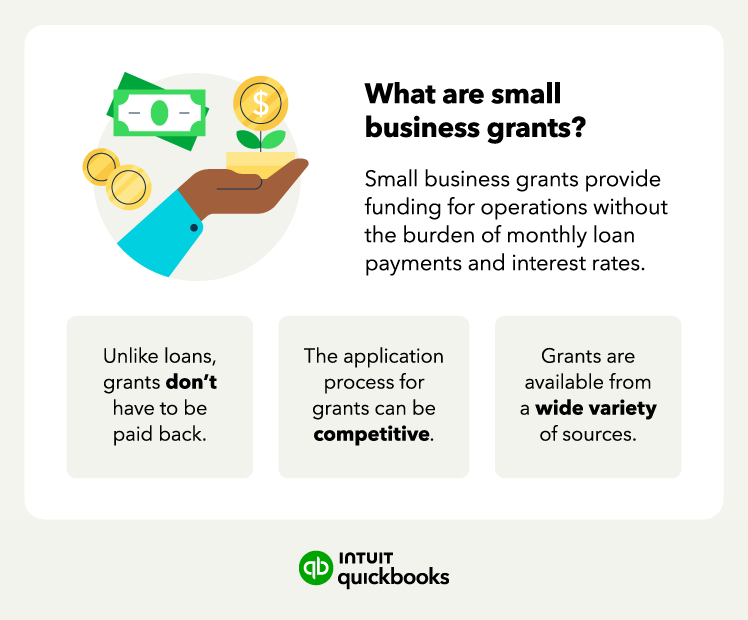
At its core, a grant is a sum of money awarded to an individual or organization for a specific purpose, without the expectation of repayment. Unlike a loan, which creates a debt obligation, or an investment, which involves giving up a portion of your company, a grant is non-dilutive and non-repayable, making it an incredibly valuable source of capital for small businesses. Grant providers typically have a specific mission or objective they aim to fulfill, and they award funds to projects or businesses that align with those goals. This means your business’s vision must resonate with the grantor’s mission.
Who Offers Grants?
The sources of small business grants are diverse, spanning multiple sectors. Understanding these categories can help narrow down your search:
- Government Grants: These are perhaps the most well-known.
- Federal Government: In the United States, grants.gov is the primary portal for federal grant opportunities. Agencies like the Small Business Administration (SBA), National Institutes of Health (NIH), National Science Foundation (NSF), and Department of Agriculture (USDA) offer grants for specific research, innovation, and economic development projects. Often, these grants are substantial but come with rigorous application processes and strict reporting requirements.
- State and Local Governments: Many states, counties, and cities offer grants to support local economic development, encourage specific industries (e.g., manufacturing, tourism), or assist businesses within particular geographic areas. These might be easier for very small businesses to access compared to federal grants.
- Corporate Grants: Many large corporations establish philanthropic arms or foundations to give back to the community and support initiatives aligned with their corporate social responsibility (CSR) goals. Examples include FedEx Small Business Grant Contest, Visa Everywhere Initiative, and various grants from tech giants to support local communities or innovative startups. These often focus on specific industries, underserved communities, or social impact.
- Non-profit Organizations and Foundations: Thousands of private foundations and non-profit organizations exist with specific missions, ranging from supporting environmental sustainability and arts to women’s empowerment or minority entrepreneurship. Organizations like the Rockefeller Foundation, Kresge Foundation, or local community foundations are examples. Their grants often target businesses that can demonstrate a clear social, environmental, or community benefit.
Common Grant Categories and Focus Areas
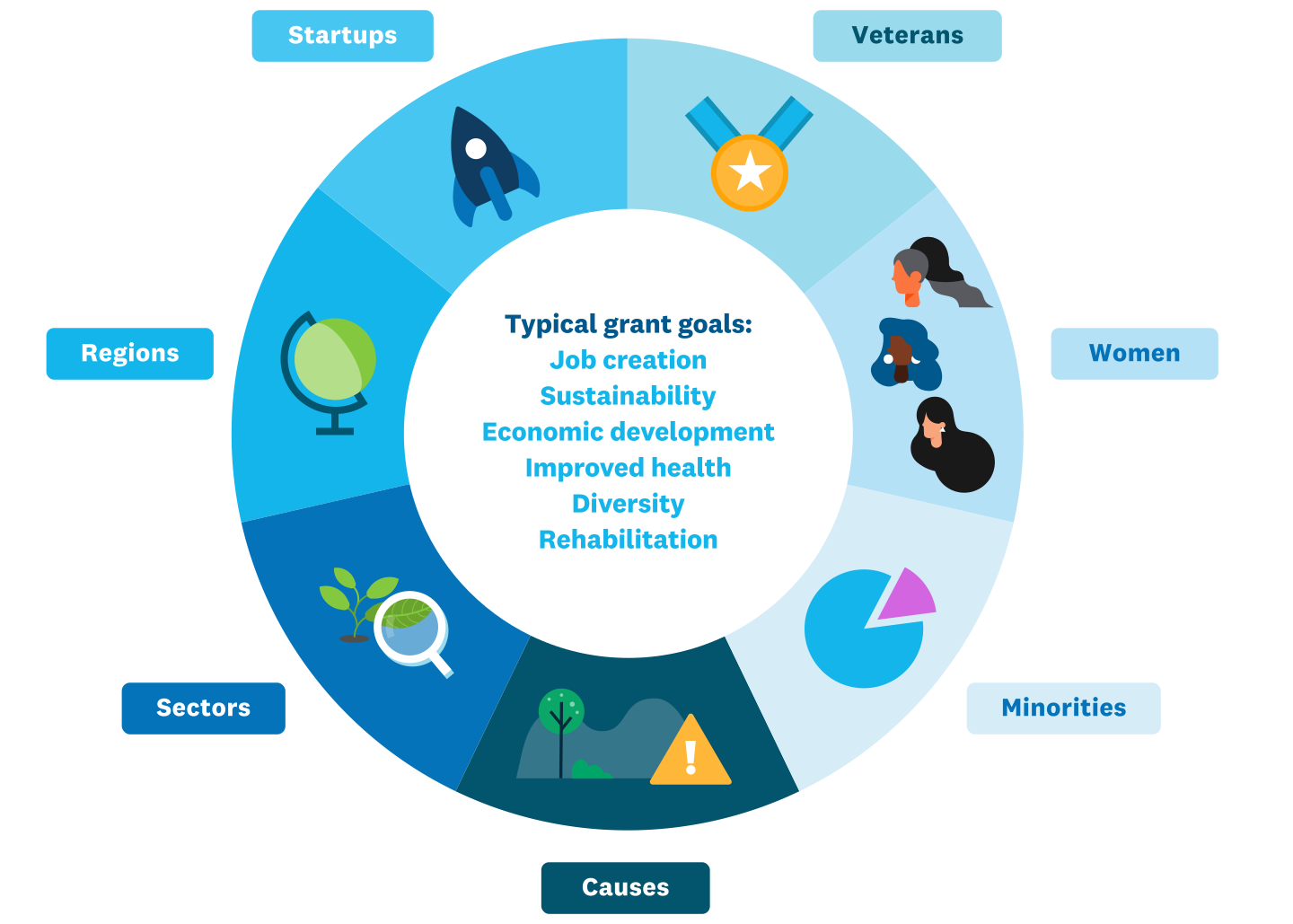
Grants are rarely “general purpose” funds. Instead, they are typically earmarked for specific types of projects or businesses. Common categories include:
- Research and Development (R&D): Grants for innovative projects, particularly in scientific, technological, or medical fields (e.g., SBIR/STTR grants).
- Specific Industries: Grants targeted at agriculture, sustainable energy, manufacturing, arts and culture, or healthcare.
- Underrepresented Groups: Grants specifically for women-owned businesses, minority-owned businesses, veteran-owned businesses, or businesses in economically disadvantaged areas.
- Community Development: Grants for businesses that aim to create jobs, revitalize neighborhoods, or provide essential services in specific communities.
- Environmental Initiatives: Grants for businesses focused on sustainability, green technology, or conservation efforts.
- COVID-19 Relief/Recovery: In recent years, many grants emerged to help businesses recover from the pandemic’s economic impact.
Identifying your business’s alignment with these categories is the first critical step in a successful grant search.
Preparing Your Business for Grant Applications
Securing a grant is not just about finding the right opportunity; it’s also about presenting your business as a strong, credible, and deserving candidate. Thorough preparation is paramount.
Solidifying Your Business Plan
A well-articulated, comprehensive business plan is the cornerstone of any successful grant application. It demonstrates to the grantor that you have a clear vision, a viable strategy, and a strong understanding of your market. Your plan should clearly outline:
- Executive Summary: A concise overview of your business, its mission, and what you aim to achieve.
- Company Description: Your business structure, history, and core values.
- Products/Services: Detailed description of what you offer and your competitive advantage.
- Market Analysis: Understanding your target market, industry trends, and competitive landscape.
- Marketing & Sales Strategy: How you plan to reach customers and generate revenue.
- Management Team: The experience and expertise of your leadership.
- Financial Projections: Realistic forecasts of revenue, expenses, and profitability, often for 3-5 years.
- Funding Request: How much money you need, how you plan to use it (specifically mentioning the grant funds), and what impact it will have.
Your business plan should align seamlessly with the grant’s objectives, showing how their funding will help you achieve mutually beneficial goals.
Legal and Financial Readiness
Grant providers scrutinize the legitimacy and financial health of applicants. Ensure your business is legally and financially prepared:
- Legal Entity: Your business should be properly registered with the state (e.g., LLC, Corporation) and have an Employer Identification Number (EIN) from the IRS.
- Separate Business Finances: Maintain distinct business bank accounts, credit cards, and accounting records separate from personal finances. This demonstrates professionalism and makes financial tracking easier.
- Clear Financial Records: Have up-to-date profit & loss statements, balance sheets, and cash flow projections readily available. Grantors want to see a history of sound financial management and a clear picture of how funds will be managed.
- Compliance: Ensure your business complies with all local, state, and federal regulations and licensing requirements.
Demonstrating Impact and Need
Grantors are not just investing in a business; they are investing in impact. Your application must clearly articulate why your business deserves the funds and what difference the grant will make.
- Problem-Solution Fit: Clearly define the problem your business solves and how your product/service provides an effective solution.
- Societal/Community Benefit: Emphasize how your business contributes to job creation, economic development, environmental sustainability, social equity, or innovation. Quantify this impact where possible (e.g., “projected to create 10 new jobs within 18 months,” “reduce carbon emissions by X tons”).
- Innovation: If your business offers a unique approach, technology, or service, highlight its innovative aspects and potential to disrupt the market or solve long-standing challenges.
- Need Justification: Explain precisely why the grant funding is critical. Is it for a specific project that wouldn’t happen otherwise? To scale operations to meet growing demand? To overcome a market barrier? Avoid simply stating you need money; justify the need with a compelling narrative.
Building a Strong Online Presence
While not directly financial, a professional online presence lends significant credibility to your business. A well-designed website, active social media profiles, and positive online reviews demonstrate that you are a legitimate, forward-thinking entity. Grantors will likely research your business online, and a robust digital footprint can reinforce your application.
The Strategic Search for Suitable Grants
With your business prepared, the next crucial step is to identify grants that are a perfect fit. This requires a strategic, targeted search, not a scattergun approach.
Leveraging Grant Databases and Search Engines
Numerous platforms are dedicated to listing grant opportunities:
- Grants.gov: The official federal government website for finding and applying for federal grants. It’s comprehensive but can be overwhelming; use its filters effectively.
- SBA Local Resource Partners: The Small Business Administration (SBA) offers various resources, including local SBDCs (Small Business Development Centers) and SCORE mentors, who can provide guidance on finding grants specific to your region or industry.
- Foundation Directory Online (Candid): A comprehensive database of private foundations and corporate giving programs. This is a paid service but invaluable for serious grant seekers.
- Other Online Portals: Websites like GrantWatch, Philanthropy News Digest, and various industry-specific associations often list grants. Many state and local government websites also have dedicated business resource pages.
- Google Searches: Use specific keywords like “[your industry] small business grants,” “[your city/state] economic development grants,” “grants for [minority/women/veteran] owned businesses.”
Networking and Professional Associations
Don’t underestimate the power of human connection.
- Industry Associations: Membership in your industry’s professional associations often comes with access to exclusive resources, including grant announcements or information about funding programs relevant to your niche.
- Local Chambers of Commerce: Your local chamber is an excellent resource for information on local grant programs, economic incentives, and networking opportunities.
- Community Leaders: Engage with local leaders, non-profits, and economic development organizations. They are often aware of funding opportunities before they become widely publicized.
Understanding Eligibility Criteria
This is where many aspiring grant recipients fall short. Before investing time in an application, meticulously review the eligibility requirements.
- Location: Is the grant restricted to businesses in a specific city, state, or region?
- Industry: Does your business operate within the target industry (e.g., tech, agriculture, arts)?
- Business Size/Revenue: Are there limits on annual revenue or number of employees?
- Ownership Demographics: Is the grant specifically for businesses owned by women, minorities, veterans, or other specific groups?
- Project Scope: Does your proposed project align with what the grant aims to fund (e.g., R&D, expansion, community service)?
- Time in Business: Some grants require a minimum operating history.
Be ruthless in your assessment. If you don’t meet all the core criteria, move on to the next opportunity.
Reading the Fine Print: Grant Guidelines
Once you find a potentially suitable grant, download and thoroughly read the full grant guidelines, Request for Proposal (RFP), or Notice of Funding Opportunity (NOFO). Pay close attention to:
- Application Deadlines: Mark these clearly on your calendar.
- Required Documents: A checklist of everything needed, from financial statements to letters of recommendation.
- Formatting Requirements: Page limits, font sizes, specific file types – adherence is critical.
- Evaluation Criteria: Understand how your application will be scored. This is your blueprint for tailoring your proposal.
- Reporting Requirements: Understand what accountability measures will be in place if you receive the grant.
Crafting a Winning Grant Proposal
The grant proposal is your opportunity to tell your story, showcase your vision, and convince the grantor that your business is the best investment. It needs to be clear, compelling, and meticulously crafted.
Storytelling with Data
A strong grant proposal blends compelling narrative with concrete data. Don’t just list facts; weave them into a story that highlights your business’s journey, its impact, and its potential.
- Problem Statement: Clearly define the problem or need your business addresses.
- Solution: Explain how your business effectively solves that problem.
- Vision & Impact: Articulate your long-term vision and the specific, measurable outcomes (Key Performance Indicators or KPIs) you expect to achieve with the grant funding. Use numbers to quantify your potential impact on customers, employees, or the community.
- Sustainability: Demonstrate how your business will continue to thrive and achieve its mission beyond the grant period.
Budget Justification
This section is critical. Grantors want to know precisely how their money will be used and that it will be used responsibly and effectively.
- Detailed Breakdown: Provide a line-item budget that categorizes all proposed expenditures (e.g., equipment, salaries, marketing, rent).
- Direct Link to Goals: Each budget item should directly support a specific project goal outlined in your proposal. Justify why each expense is necessary and how it contributes to the overall success of the project.
- Realism: Ensure your budget is realistic and well-researched. Inflated or underestimated costs can undermine your credibility.
- Other Funding Sources: If you have other funding (even if it’s your own capital), mention it. It shows commitment and resourcefulness.
Executive Summary: The Hook
Often, the executive summary is the first (and sometimes only) part of your proposal that reviewers will read in detail initially. It must be a concise, powerful, and compelling overview of your entire application.
- Problem: Briefly state the problem you address.
- Solution: Briefly describe your business’s solution.
- Impact: Summarize the anticipated positive outcomes.
- Funding Request: State the amount requested and its primary use.
- Why You: Briefly explain why your business is uniquely positioned to succeed and why you align perfectly with the grantor’s mission.
Keep it to one page, if possible, and make it captivating enough to entice the reviewer to read the full proposal.
Proofreading and Professionalism
A sloppy application reflects poorly on your business.
- Meticulous Review: Proofread your entire proposal multiple times for typos, grammatical errors, and awkward phrasing.
- Adherence to Guidelines: Double-check that you’ve followed all formatting requirements, page limits, and submission instructions.
- Clarity and Conciseness: Use clear, professional language. Avoid jargon where possible, or explain it if necessary.
- Get a Second Opinion: Ask someone else (a trusted advisor, mentor, or even a friend with good writing skills) to review your proposal for clarity and errors.
- Professional Appearance: Ensure all attached documents are clearly labeled, easy to read, and professionally presented.
What Happens After You Apply?
Submitting your grant application is a significant milestone, but the process doesn’t end there. Understanding the post-application phase is crucial for managing expectations and preparing for future steps.
Patience and Persistence
Grant review processes can be lengthy, often taking weeks or even months. Many grant programs receive hundreds, if not thousands, of applications, each requiring careful evaluation. Resist the urge to constantly check for updates, as this can be distracting. Instead, use this time to focus on your business operations, continue searching for other funding opportunities, and refine future grant applications. Patience is key, but so is persistence in your overall funding strategy.
Follow-Up (Within Guidelines)
While a general rule is to avoid incessant pestering, some grantors may outline specific windows or methods for follow-up inquiries. If the guidelines permit, a polite, concise email expressing continued interest and offering to provide additional information can be appropriate. However, if the guidelines state “no calls” or “no unsolicited contact,” respect those instructions strictly. Over-eager follow-ups can sometimes work against you.
If You Get Denied
Grant funding is highly competitive, and rejection is a common part of the journey. Do not view a denial as a failure of your business, but rather as a learning opportunity.
- Seek Feedback: If possible, politely inquire if the grantor offers feedback on applications. Understanding the reasons for denial can provide invaluable insights into strengthening future proposals. Was it a lack of alignment? Insufficient data? A weak budget justification?
- Analyze and Refine: Use any feedback received, or your own critical self-assessment, to identify weaknesses in your proposal or gaps in your business preparation. Refine your business plan, improve your storytelling, or seek further mentorship.
- Keep Trying: Many successful grant recipients faced multiple rejections before securing funding. Learn from each experience, apply what you’ve learned, and continue to seek out new opportunities. The grant landscape is constantly evolving, with new programs emerging regularly.

If You Win: Grant Management and Reporting
Congratulations! Winning a grant is a significant achievement, but it comes with responsibilities.
- Understand Your Obligations: Carefully review the grant agreement. It will detail the terms and conditions, specific deliverables, reporting schedule, and permissible use of funds.
- Track Spending Meticulously: Maintain separate, detailed financial records for all grant expenditures. This is crucial for accountability and future audits. Most grantors require specific documentation for how funds are utilized.
- Fulfill Reporting Requirements: Grantors will typically require periodic progress reports (quarterly, semi-annually, or annually) detailing your activities, milestones achieved, challenges faced, and how funds have been spent. Timely and accurate reporting is vital for maintaining a good relationship with the grantor and enhancing your eligibility for future funding opportunities.
- Communicate: If challenges arise that impact your ability to meet grant objectives or timelines, communicate proactively and transparently with the grantor. They often prefer to work with you to find solutions rather than be surprised by issues.
Securing a small business grant is a challenging but immensely rewarding endeavor. It requires meticulous preparation, strategic searching, compelling storytelling, and unwavering persistence. By thoroughly understanding the grant landscape, meticulously preparing your business, strategically targeting opportunities, crafting an impeccable proposal, and responsibly managing any awarded funds, you can significantly enhance your chances of tapping into this valuable, non-dilutive source of capital. While the journey may be long and fraught with competition, the potential impact on your small business makes every effort worthwhile.
aViewFromTheCave is a participant in the Amazon Services LLC Associates Program, an affiliate advertising program designed to provide a means for sites to earn advertising fees by advertising and linking to Amazon.com. Amazon, the Amazon logo, AmazonSupply, and the AmazonSupply logo are trademarks of Amazon.com, Inc. or its affiliates. As an Amazon Associate we earn affiliate commissions from qualifying purchases.