
In the intricate world of personal finance, a routing number serves as a critical identifier, acting as the digital address for your bank. It’s a fundamental piece of information often required for a myriad of financial transactions, from setting up direct deposits to initiating wire transfers. Understanding what a routing number is, why it’s important, and precisely how to locate yours is essential for efficient and secure money management. This guide will demystify the routing number, providing clear, actionable steps to ensure you always have this crucial detail at your fingertips.

Understanding the Backbone of Financial Transactions: What is a Routing Number?
At its core, a routing number is a nine-digit code that identifies your bank or credit union within the U.S. financial system. Officially known as an ABA (American Bankers Association) routing transit number, it was established over a century ago to facilitate the processing of paper checks. Today, its role has expanded significantly, becoming indispensable for electronic funds transfers (EFTs) as well. Think of it as a postal code for your financial institution, directing funds to the correct bank, ensuring your money lands exactly where it’s supposed to.
The Anatomy of a Nine-Digit Code
Each digit in a routing number holds significance. The first four digits identify the Federal Reserve Bank district where the financial institution is located. The next four digits identify the specific institution itself, and the final digit is a checksum digit used to validate the entire number, preventing errors during processing. This meticulous structure ensures accuracy and minimizes misdirection of funds, a vital aspect of maintaining trust and efficiency in the financial ecosystem. Without this unique identifier, transactions would lack the precise guidance needed to reach their intended destination amongst thousands of financial institutions nationwide.
Why Your Routing Number Matters
The importance of your routing number cannot be overstated in modern personal finance. It’s not just a legacy code from the era of paper checks; it’s a cornerstone for virtually all electronic money movement. Whether you’re receiving your paycheck, paying bills online, or moving money between accounts, your routing number is likely involved. It acts as the initial filter, ensuring that once a transaction is initiated, it first arrives at the correct bank before your specific account number guides it to your personal funds. This foundational role makes knowing your routing number a basic requirement for anyone managing their finances effectively in the digital age.
Your Go-To Sources for Locating Your Routing Number
Finding your routing number is typically a straightforward process, as banks make this information readily accessible for their customers. There are several reliable methods you can employ, ranging from traditional paper documents to modern digital platforms. Each method offers convenience depending on your immediate access and preference, ensuring you can quickly retrieve this vital piece of information whenever it’s needed.
The Traditional Method: Your Checkbook
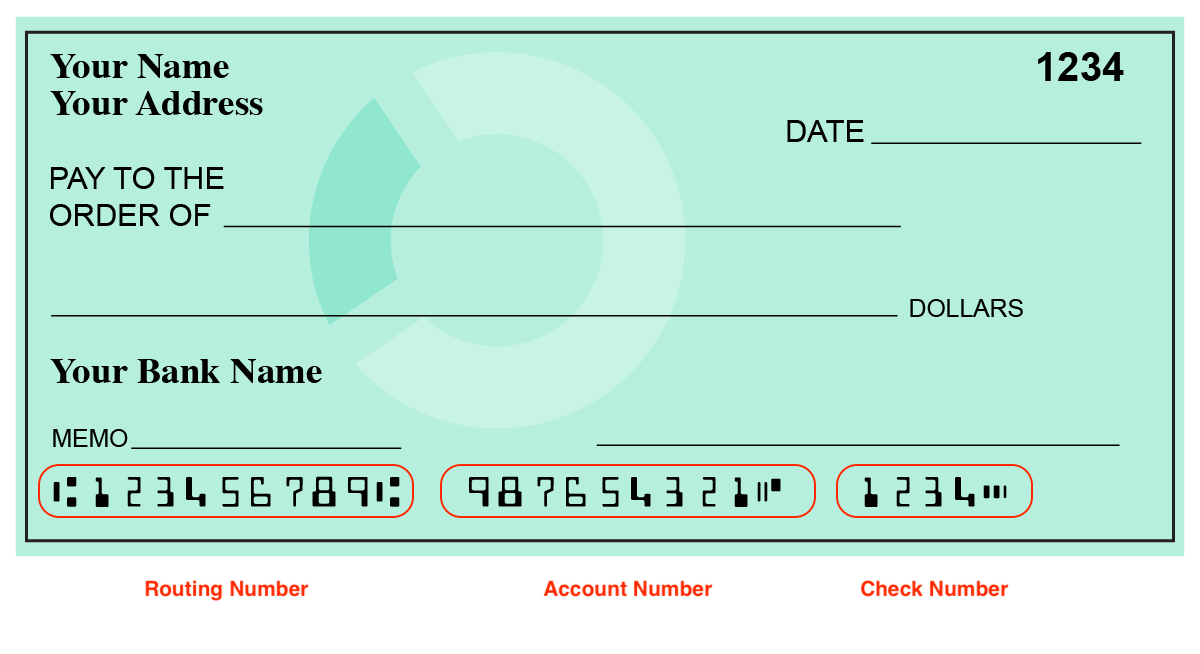
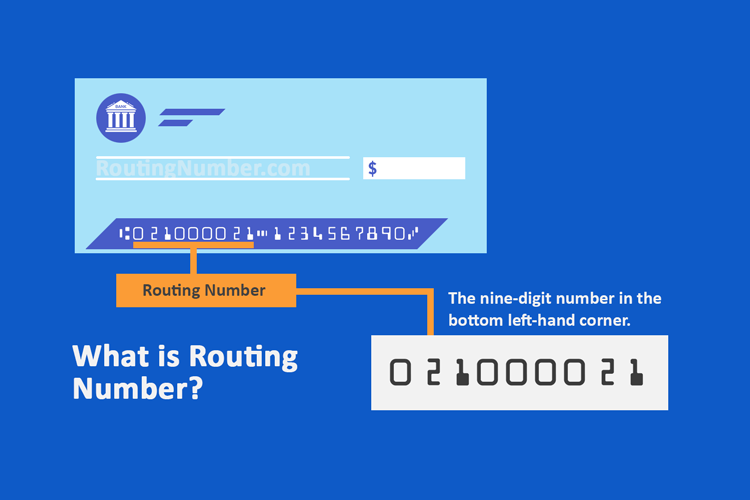
For many, the most classic and reliable place to find a routing number is on a personal check. Look at the bottom of a check from your checking account. You’ll typically find three sets of numbers printed there. From left to right, these are usually:
- Your routing number: This is the first set of nine digits.
- Your account number: This is the second set of digits, which identifies your specific account.
- The check number: This is the third set of digits, identifying the individual check.
Always double-check to ensure you’re pulling the correct number, as the font and spacing can sometimes make it appear ambiguous. It’s important to use a check from your primary checking account, as different account types (like savings or money market) or even different branches might have different routing numbers, especially if your bank operates across a wide geographical area.
Digital Convenience: Online Banking and Mobile Apps
In today’s digital-first financial landscape, your bank’s online portal or mobile app is often the quickest way to access your routing number.
- Online Banking: After logging into your bank’s website, navigate to your account details. You’ll typically find your routing number displayed prominently, often alongside your account number. Look for sections like “Account Summary,” “Account Information,” or “Direct Deposit Information.”
- Mobile Apps: Most bank mobile applications offer similar functionality. Once logged in, tap on your specific account (e.g., “Checking Account”) and look for an option like “Account Details” or “Show Routing Number.” Some apps might even have a dedicated “Direct Deposit” section that provides both your routing and account numbers.
These digital methods are not only fast but also ensure you’re getting the most up-to-date information directly from your bank, which is particularly useful if your bank has multiple routing numbers for different services or regions.
Your Monthly Snapshot: Bank Statements
Another reliable source is your monthly bank statement. Whether you receive it in paper form or as a digital e-statement, your routing number is usually printed on it. For paper statements, look near your account number and other bank information at the top or bottom of the statement. For e-statements, you’ll find it within the digital document, often in a similar location. Bank statements provide a comprehensive overview of your account, making them a secure and verified source for your routing number, along with other critical financial details.
Direct Assistance: Contacting Your Bank
If you’re unable to find your routing number using the methods above, or if you prefer direct confirmation, contacting your bank is always an option.
- Customer Service: Call your bank’s customer service line. Be prepared to verify your identity (e.g., account number, last four digits of your Social Security number, address) before they provide the information.
- Visit a Branch: If convenient, a visit to a local branch can also provide you with your routing number. A teller can quickly look it up for you and often print out a slip with the relevant details.
While slightly less immediate than online methods, direct contact ensures accuracy and provides an opportunity to ask any other related questions you might have about your account.
Public Resources: The ABA Website
In some specific cases, you might be able to find a routing number using the American Bankers Association (ABA) website or other financial directory services. These resources often allow you to search for a bank’s routing number by its name and location. However, it’s crucial to exercise caution with third-party websites. Always verify any routing number obtained this way with your bank directly, especially since some banks have multiple routing numbers depending on the type of transaction or geographical region. Using unofficial sources carries a higher risk of error, which can lead to significant financial inconvenience.
Common Scenarios Requiring a Routing Number
Your routing number isn’t just a static piece of information; it’s a dynamic key that unlocks numerous financial operations crucial for daily life and long-term financial planning. Understanding these common scenarios will highlight why keeping your routing number accessible is an essential aspect of proactive personal finance management.
Setting Up Direct Deposits
Perhaps the most frequent use of a routing number is for setting up direct deposits. Whether it’s your paycheck, government benefits (like Social Security), or tax refunds, direct deposit ensures your funds are electronically transferred straight into your bank account. To initiate this, your employer or the paying agency will require both your bank’s routing number and your specific account number. Providing accurate information is paramount; an incorrect routing number could delay your funds or, in rare cases, send them to the wrong institution, leading to significant headaches and recovery efforts.
Initiating Online Bill Payments
While many online bill pay services allow you to pay directly from a debit card or by linking your bank account through a third-party service, some billers (especially utilities, mortgage lenders, or smaller service providers) may ask for your bank’s routing number and your account number to set up recurring payments or one-time transfers directly from your checking account. This method ensures timely payments without the need for manual checks, helping you avoid late fees and manage your budget more effectively.
Facilitating Wire Transfers
Wire transfers are a method of electronically sending money between banks, often used for larger sums or international transactions. When sending or receiving a domestic wire transfer, both the sender and recipient typically need the bank’s routing number (sometimes specifically called a “wire routing number” which might differ from the standard ACH routing number), along with the account number, the bank’s name, and the account holder’s name and address. For international wires, a SWIFT/BIC code is also often required, in addition to the routing number for the receiving U.S. bank. Given the speed and finality of wire transfers, accuracy of all details, particularly the routing number, is critically important.
Automating Payments and Transfers
Beyond direct deposit and bill payments, your routing number facilitates various automated financial operations. This includes setting up automatic transfers between your own accounts (e.g., moving money from checking to savings each month), linking your bank account to investment platforms for contributions, or enabling automatic withdrawals for loan payments. These automated processes streamline your financial life, helping you stick to a budget, build savings, and manage debt without constant manual intervention, all powered by the correct routing and account numbers.
Avoiding Pitfalls: Accuracy and Security
While obtaining a routing number is generally straightforward, the financial implications of using an incorrect or compromised number necessitate a keen awareness of accuracy and security. Missteps can lead to delays, errors, or even expose your financial information to risk. Therefore, understanding the nuances and best practices for managing this sensitive data is vital for safeguarding your financial well-being.
Routing Number vs. Account Number: A Critical Distinction
One of the most common mistakes people make is confusing their routing number with their account number. While both are nine digits on a check, they serve fundamentally different purposes:
- Routing Number: Identifies your bank or credit union.
- Account Number: Identifies your specific account within that bank.
Using the wrong number for a transaction can lead to funds being sent to the wrong account within your bank, returned due to an invalid account, or even worse, sent to another bank entirely if an invalid routing number happens to correspond to a different institution. Always ensure you differentiate these two critical pieces of information when providing them for any financial transaction. Double-checking both numbers against your bank statement or online banking portal is a simple yet effective preventative measure.
Verifying Your Number: The Importance of Double-Checking
Never assume the routing number you’ve noted down is correct without verifying it.
- Consistency Check: If you’ve previously used a routing number for a direct deposit or online payment, compare it to the one you’re currently using.
- Official Sources: Always cross-reference with one of the primary sources mentioned earlier: your bank’s website, mobile app, a physical check, or a bank statement.
- New Accounts: If you’ve recently opened a new account or your bank has undergone a merger, always confirm the routing number, as it might have changed or be different from older accounts.
A few seconds spent on verification can save hours, or even days, of troubleshooting and stress if a transaction goes awry due to an incorrect number.
Protecting Your Financial Information
Your routing number, when combined with your account number, represents direct access to your funds. Therefore, protecting this information is crucial.
- Be Discerning: Only provide your routing and account numbers to trusted entities, such as your employer, legitimate financial institutions, or reputable billers.
- Secure Platforms: When entering this information online, ensure you are on a secure website (look for “https://” in the URL and a padlock icon).
- Avoid Public Sharing: Never share your routing or account numbers in public forums, social media, or via insecure email. Be wary of unsolicited requests for this information, as they could be phishing attempts.
- Shred Documents: When disposing of old checks, bank statements, or any document containing your banking information, shred them thoroughly to prevent identity theft.
While your routing number alone is generally not enough for someone to compromise your account, when paired with your account number and other personal details, it can open doors to unauthorized transactions. Maintaining vigilance and employing secure practices are key to keeping your financial information safe and your money secure.
In conclusion, your bank’s routing number is a small but mighty piece of financial data that underpins much of our modern banking system. Knowing where to find it, understanding its purpose, and exercising diligence in its use and protection are fundamental aspects of sound personal finance. By following the advice outlined above, you can confidently navigate the world of electronic transactions, ensuring your money moves smoothly and securely.
aViewFromTheCave is a participant in the Amazon Services LLC Associates Program, an affiliate advertising program designed to provide a means for sites to earn advertising fees by advertising and linking to Amazon.com. Amazon, the Amazon logo, AmazonSupply, and the AmazonSupply logo are trademarks of Amazon.com, Inc. or its affiliates. As an Amazon Associate we earn affiliate commissions from qualifying purchases.