
Securing a mortgage loan is arguably the most significant financial transaction most individuals will undertake in their lifetime. It is not merely a loan to purchase a property; it is a complex financial contract that requires meticulous planning, a deep understanding of personal creditworthiness, and a strategic approach to long-term debt management. Navigating the path from house hunter to homeowner involves a series of calculated steps designed to prove to a lender that you are a reliable investment. To successfully obtain a mortgage, one must master the interplay between credit scores, debt-to-income ratios, and the various loan products available in today’s competitive financial market.
Evaluating Your Financial Readiness
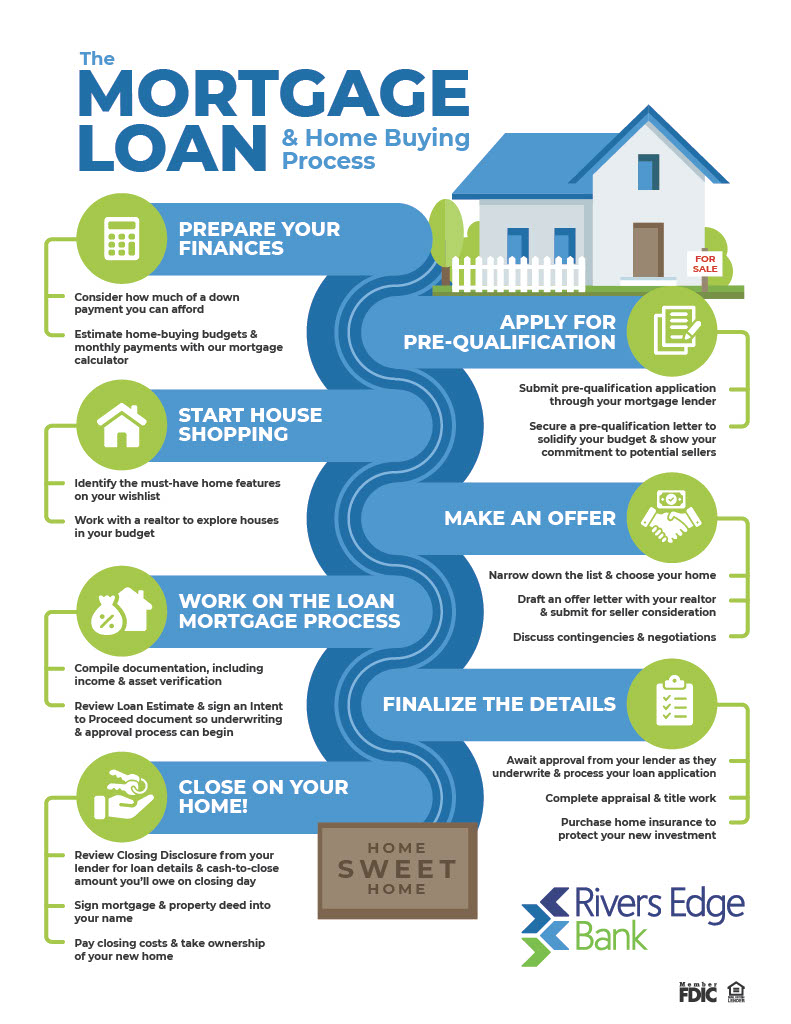
Before you even browse a single real estate listing, you must conduct a rigorous internal audit of your financial health. Lenders do not just look at your income; they look at the stability of your financial ecosystem. Getting a mortgage starts months—sometimes years—before the actual application is filed.
The Critical Role of Your Credit Score
Your credit score is the primary metric lenders use to determine your risk profile. In the realm of personal finance, your FICO score dictates not only whether you qualify for a loan but also the interest rate you will pay over the next 15 to 30 years. Even a 0.5% difference in interest rates can translate into tens of thousands of dollars over the life of the loan.
To prepare for a mortgage, you should aim for a score of at least 620 for conventional loans, though scores above 740 are typically required to unlock the most competitive rates. It is essential to pull your credit reports from the three major bureaus (Equifax, Experian, and TransUnion) to check for errors. Disputing inaccuracies or paying down high-interest credit card debt to lower your credit utilization ratio are effective strategies to boost your score in the months leading up to your application.
Calculating Your Debt-to-Income Ratio (DTI)
Beyond your credit score, lenders scrutinize your Debt-to-Income (DTI) ratio. This is a percentage that represents how much of your gross monthly income goes toward paying debts, such as student loans, car payments, and credit card minimums. Most conventional lenders prefer a DTI ratio of 43% or lower, including the projected cost of your new mortgage payment, property taxes, and insurance.
Lowering your DTI is a powerful way to increase your borrowing power. If your current debts consume too much of your income, you may find that the maximum loan amount you qualify for is insufficient to purchase a home in your desired area. Prioritizing the elimination of small, high-payment debts can provide the necessary leverage to satisfy a lender’s requirements.
Building a Robust Down Payment Strategy
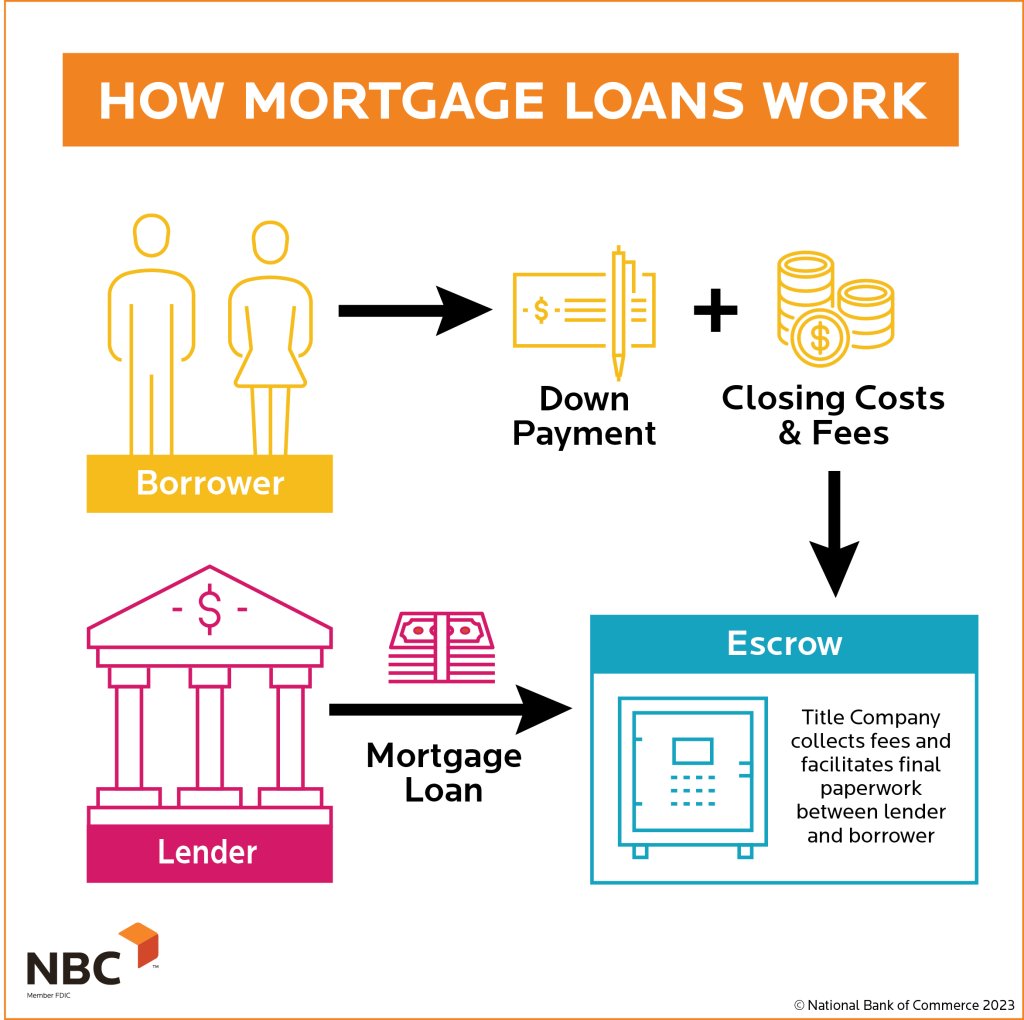
While the traditional 20% down payment is often cited as the gold standard, it is no longer a strict requirement for many buyers. However, the size of your down payment significantly influences your loan’s terms. A larger down payment reduces the lender’s risk and typically eliminates the need for Private Mortgage Insurance (PMI), which is an added monthly cost that protects the lender in case of default.
When planning your down payment, you must also account for closing costs, which generally range from 2% to 5% of the home’s purchase price. These costs cover appraisals, title insurance, and loan origination fees. Successful mortgage applicants often utilize a combination of personal savings, liquidated investments, or documented gift funds to assemble their upfront capital.
Choosing the Right Mortgage Product for Your Goals
Not all mortgage loans are created equal. The “Money” niche offers a variety of financial instruments tailored to different economic circumstances. Choosing the wrong product can lead to unnecessary expenses or financial instability if market conditions change.
Conventional vs. Government-Backed Loans
Conventional loans are the most common and are backed by private lenders rather than the government. They typically require higher credit scores and down payments but offer more flexibility once you reach 20% equity.
Conversely, government-backed loans provide pathways for those who might not qualify for conventional financing. Federal Housing Administration (FHA) loans are popular for first-time buyers because they allow for down payments as low as 3.5% and are more lenient with credit scores. Veterans Affairs (VA) loans offer zero-down payment options for service members and veterans, while USDA loans target buyers in designated rural areas. Each of these carries specific insurance requirements and fee structures that must be weighed against your long-term financial objectives.
Fixed-Rate vs. Adjustable-Rate Mortgages (ARMs)
The structure of your interest rate is a pivotal decision. A fixed-rate mortgage offers stability; your interest rate remains the same for the entire duration of the loan, protecting you from market volatility. This is the preferred choice for those planning to stay in their home for a decade or more.
Adjustable-Rate Mortgages (ARMs) typically offer a lower “teaser” rate for an initial period (such as 5, 7, or 10 years), after which the rate adjusts based on market indexes. ARMs can be a savvy financial move if you plan to sell the home or refinance before the initial period ends, but they carry the risk of significantly higher payments in the future. In a rising interest rate environment, the predictability of a fixed-rate loan is often worth the slightly higher initial cost.
Understanding Loan Terms: 15-Year vs. 30-Year Options
The term of the loan—how long you have to pay it back—affects both your monthly budget and the total interest paid. A 30-year mortgage is the standard choice because it offers lower monthly payments, providing more “breathing room” in your monthly cash flow. However, because the principal is paid down more slowly, you will pay a much larger amount of interest over time.
A 15-year mortgage usually comes with a lower interest rate, but the monthly payments are significantly higher. From an investment perspective, the 15-year option is superior because it builds equity at an accelerated rate and saves you tens of thousands in interest. The choice depends on whether you value monthly liquidity or long-term interest savings.
The Path to Pre-Approval: From Application to Approval
Once you have identified your financial standing and the type of loan you need, the next step is to obtain a pre-approval. This is a formal letter from a lender stating exactly how much they are willing to lend you based on a preliminary review of your finances.
Gathering Essential Financial Records
The mortgage application process is document-intensive. To expedite the process, you should organize a digital and physical folder containing:
-
Proof of Income: Recent pay stubs, W-2 forms from the last two years, and federal tax returns.
-
Asset Verification: Bank statements for the last sixty days, brokerage account statements, and retirement account summaries.
-
Employment History: A list of employers and contact information for the past two years.
-
Liability Documentation: Information on all outstanding debts, including student loans and child support obligations.
Self-employed borrowers face additional scrutiny and are often required to provide year-to-date profit and loss statements and multiple years of business tax returns.
Shopping for Lenders and Comparing Loan Estimates
You should never settle for the first lender you speak with. Different institutions—ranging from large national banks and credit unions to online mortgage brokers—have different “appetites” for risk and different fee structures.
When you apply, each lender is required by law to provide you with a “Loan Estimate.” This three-page document breaks down the interest rate, monthly payment, and total closing costs. By comparing Loan Estimates side-by-side, you can see which lender is offering the best value. Look closely at the “Origination Charges” and “Points,” as these are the fees the lender is charging you to process the loan.
The Difference Between Pre-Qualification and Pre-Approval
It is vital to understand that a pre-qualification and a pre-approval are not the same thing. A pre-qualification is a surface-level estimate based on unverified information you provide. In a competitive real estate market, a pre-qualification holds little weight. A pre-approval, however, involves the lender running your credit and reviewing your documentation. It signals to sellers that you are a serious buyer whose financing is likely to go through, which is often the deciding factor in a bidding war.
Navigating the Underwriting Maze and Closing the Deal
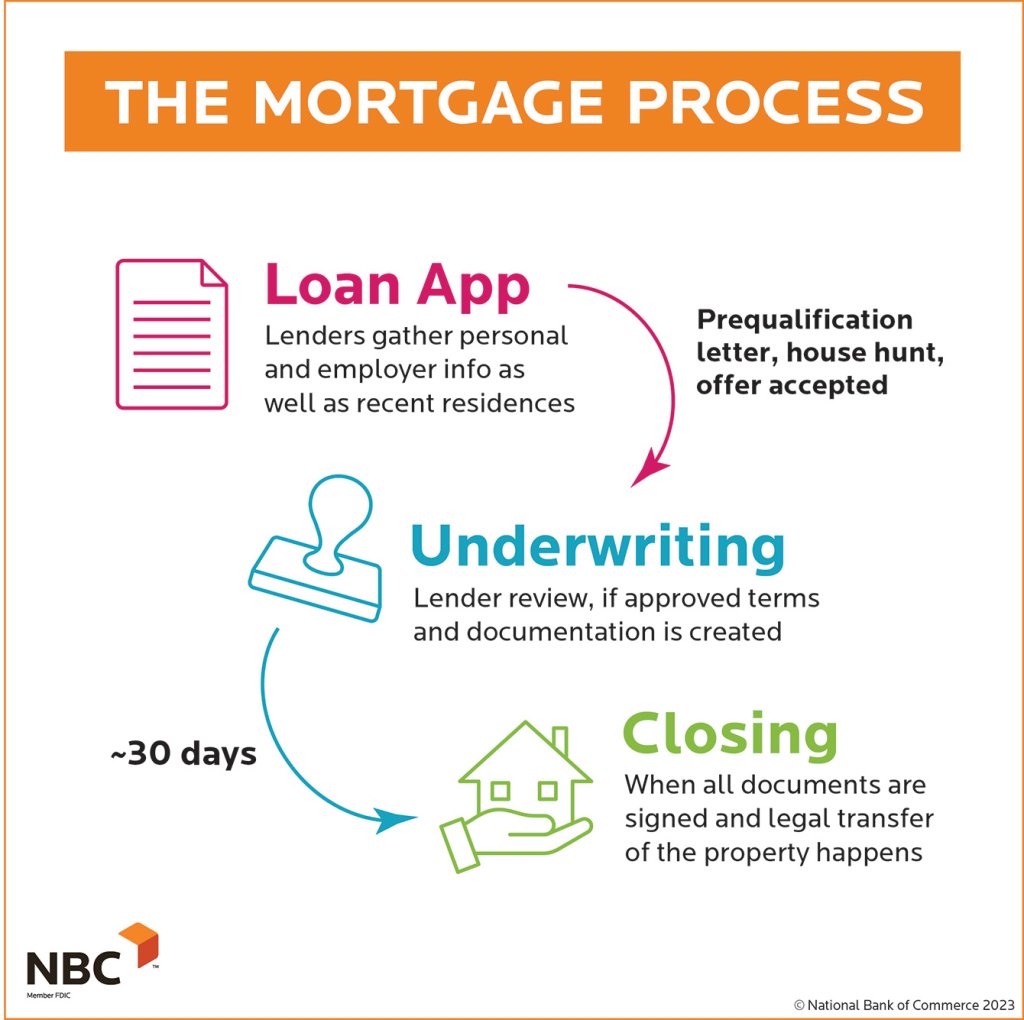
After you find a home and your offer is accepted, the loan moves into the underwriting phase. This is the period of “financial stasis” where the lender performs a deep dive into the property and your personal finances to ensure everything meets their guidelines.
Navigating the Appraisal and Inspection
The lender will hire a third-party appraiser to determine the fair market value of the property. This is a critical safeguard for the lender; they will not lend more than the home is worth. If the appraisal comes in low, you may have to bridge the gap with cash, renegotiate the price with the seller, or walk away from the deal. While the lender requires an appraisal, you should also hire a professional home inspector to identify potential structural or mechanical issues that could become financial liabilities down the road.
Surviving the Underwriting Scrutiny
Underwriters are the gatekeepers of the mortgage process. They verify every detail of your application. During this phase, it is imperative that you do not make any major financial changes. Do not open new credit cards, do not buy a new car, and do not change jobs. Even a small shift in your credit profile or income can cause the underwriter to deny the loan at the last minute. If the underwriter requests additional “letters of explanation” regarding specific bank deposits or past credit issues, respond promptly to keep the process moving.
The Closing Disclosure and Final Walkthrough
A few days before closing, you will receive the Closing Disclosure (CD). This document summarizes the final terms of your loan and the exact amount of cash you need to bring to the closing table. You must compare the CD to your original Loan Estimate; if there are significant discrepancies in fees, you have the right to ask for an explanation.
Finally, you will attend the closing meeting, sign the mortgage note and the deed of trust, and pay your down payment and closing costs via wire transfer or cashier’s check. Once the documents are recorded by the county, the loan is funded, and you officially transition from a loan applicant to a homeowner.
Getting a mortgage loan is a marathon of financial discipline. By managing your credit, choosing the right financial product, and preparing a meticulous application, you can navigate this complex process and secure a foundation for long-term wealth through real estate.
aViewFromTheCave is a participant in the Amazon Services LLC Associates Program, an affiliate advertising program designed to provide a means for sites to earn advertising fees by advertising and linking to Amazon.com. Amazon, the Amazon logo, AmazonSupply, and the AmazonSupply logo are trademarks of Amazon.com, Inc. or its affiliates. As an Amazon Associate we earn affiliate commissions from qualifying purchases.