
Navigating the world of personal and business finance can often feel daunting, especially when you need to secure funding. Whether you’re looking to buy a home, finance an education, consolidate high-interest debt, or inject capital into a growing business, a bank loan can be a powerful financial tool. Banks remain one of the most reliable and established sources of funding, offering competitive rates and structured repayment plans. However, the process of obtaining a loan can seem complex if you’re unsure where to start. This comprehensive guide aims to demystify the bank loan application process, providing you with the insights and steps needed to successfully secure the financing you require from your bank.
Understanding Bank Loans and Their Types
Before you even consider applying, it’s crucial to understand the different types of loans available and which one best suits your needs. Each loan product is designed for a specific purpose and comes with its own set of terms, conditions, and eligibility criteria.
Personal Loans
Personal loans are typically unsecured loans, meaning they don’t require collateral like a car or house. They offer flexibility, allowing borrowers to use the funds for various purposes, such as debt consolidation, medical expenses, home improvements, or unexpected financial needs. Repayment terms usually range from one to seven years, with fixed interest rates. Eligibility often hinges on your creditworthiness and income stability.
Mortgage Loans
Mortgage loans are arguably the most significant loans many individuals will take out. They are secured loans used to purchase a home or other real estate, with the property itself serving as collateral. Mortgages come in various forms, including fixed-rate mortgages (FRM), adjustable-rate mortgages (ARM), FHA loans, VA loans, and USDA loans, each with distinct features regarding interest rates, down payment requirements, and eligibility. Understanding the nuances of each can significantly impact your long-term financial health.
Auto Loans
Auto loans are secured loans specifically for purchasing a vehicle. The car itself acts as collateral. These loans typically have shorter terms than mortgages, often ranging from three to seven years. Interest rates can vary widely based on your credit score, the loan term, and the vehicle’s age and condition. Banks offer both new and used car loans, sometimes with different rates.
Business Loans
For entrepreneurs and small business owners, bank business loans are vital for growth, operational expenses, or starting a new venture. These can include term loans, lines of credit, SBA loans (backed by the Small Business Administration), equipment financing, and commercial real estate loans. The application process for business loans often involves a more rigorous review of the business’s financial health, business plan, and the owner’s personal credit history.
Secured vs. Unsecured Loans
A key distinction across all loan types is whether they are secured or unsecured.
- Secured loans require collateral (e.g., a car, house, savings account) that the lender can seize if you default on the loan. Because they pose less risk to the lender, secured loans often come with lower interest rates and higher borrowing limits.
- Unsecured loans do not require collateral and are granted based on your creditworthiness and ability to repay. They typically carry higher interest rates due to the increased risk for the lender. Personal loans are a common example of unsecured loans.
Preparing Your Application: Key Requirements
Once you’ve identified the type of loan that aligns with your needs, the next critical step is to prepare your financial profile and gather the necessary documentation. Banks are meticulous in their assessment to ensure borrowers can repay the loan, and meeting their requirements is paramount to approval.
Credit Score and History
Your credit score is often the first thing lenders look at. It’s a three-digit number that summarizes your creditworthiness, reflecting your payment history, amounts owed, length of credit history, new credit, and credit mix. A higher credit score (generally 670 or above for most personal loans, higher for mortgages) indicates a lower risk to lenders and can unlock better interest rates and terms. Lenders will also review your full credit report for any derogatory marks, such as bankruptcies, foreclosures, or a history of late payments.
Income and Employment Verification
Banks need assurance that you have a stable and sufficient income to make your loan payments. This typically involves providing proof of income, such as recent pay stubs (usually 2-3 months), W-2 forms (for salaried employees), or tax returns (for self-employed individuals). They will also verify your employment status and history to ensure stability. For business loans, lenders will scrutinize the business’s revenue, profit and loss statements, and cash flow projections.
Debt-to-Income Ratio (DTI)
Your Debt-to-Income (DTI) ratio is a crucial metric that compares your total monthly debt payments to your gross monthly income. Lenders use DTI to assess your ability to manage monthly payments and take on additional debt. A DTI ratio below 36% is generally considered favorable, although some lenders may accept higher, especially for specific loan products like FHA mortgages. A high DTI can signal to lenders that you might be overextended financially.
Collateral (for Secured Loans)
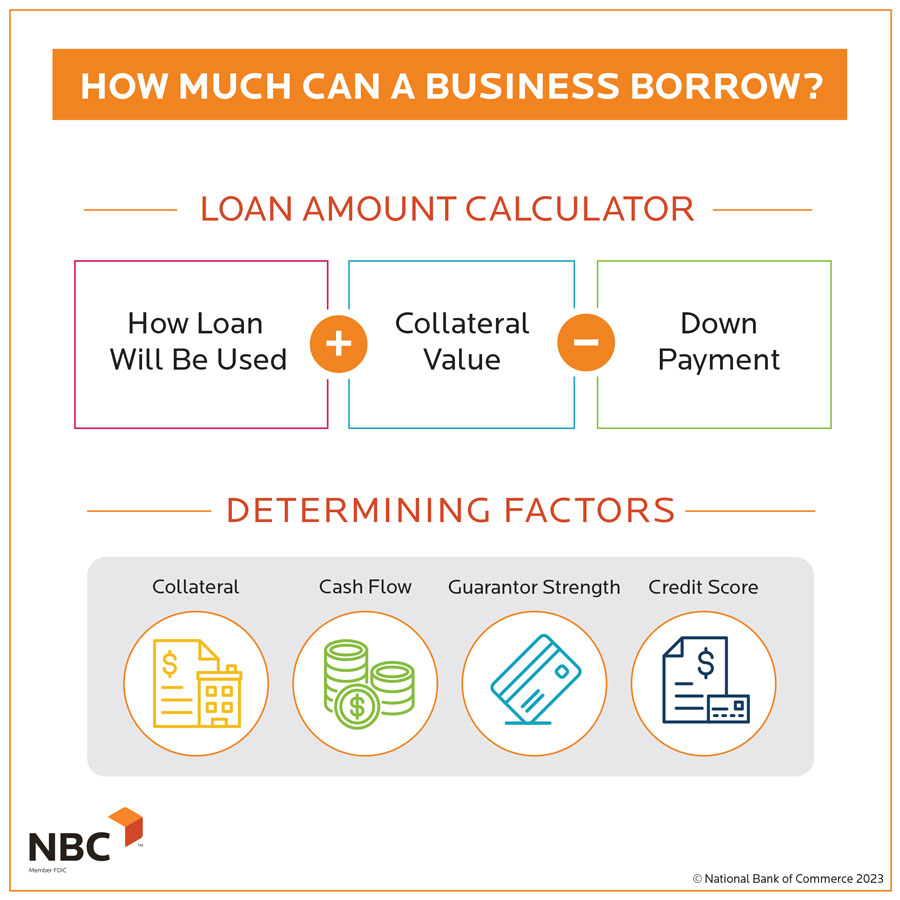
If you’re applying for a secured loan (e.g., mortgage, auto loan, or some business loans), the collateral you offer is a key component of your application. The bank will assess the value and liquidity of the asset to ensure it adequately covers the loan amount in case of default. For mortgages, this involves an appraisal; for auto loans, it’s the car’s market value. For business loans, it could be equipment, real estate, or even accounts receivable.
Required Documentation Checklist
The exact documents will vary by loan type and bank, but a general checklist includes:
- Identification: Government-issued ID (driver’s license, passport).
- Proof of Address: Utility bills, lease agreement, or mortgage statement.
- Income Verification: Pay stubs, W-2s, 1099s, tax returns (2-3 years).
- Bank Statements: Recent statements (2-3 months) to show cash flow and account balances.
- Credit Report: While banks pull this themselves, understanding your own report beforehand is beneficial.
- For Secured Loans: Documentation related to the collateral (e.g., property deed, vehicle title).
- For Business Loans: Business plan, financial statements (P&L, balance sheet, cash flow), tax returns, legal business documents.
The Application Process: Step-by-Step
With your financial house in order and documents prepared, you’re ready to embark on the loan application journey. Understanding each phase will help you navigate it more smoothly and efficiently.
Researching Banks and Loan Products
Don’t just go to your primary bank without comparing options. Different banks specialize in different types of loans, and their interest rates, fees, and customer service can vary significantly. Research multiple lenders, including credit unions, which often offer competitive rates. Look at their specific loan products, eligibility criteria, and customer reviews. Online comparison tools can be helpful here.
Pre-Qualification vs. Pre-Approval
These terms are often used interchangeably but have distinct meanings.
- Pre-qualification is an informal assessment based on self-reported financial information. It gives you a rough idea of how much you might be able to borrow. It’s a quick check and doesn’t involve a hard credit inquiry.
- Pre-approval is a more thorough process where the lender verifies your financial information and performs a hard credit inquiry. If approved, you receive a conditional commitment letter stating the maximum loan amount you qualify for, typically valid for a specific period (e.g., 60-90 days). Pre-approval is particularly important for competitive markets like real estate, as it shows sellers you’re a serious buyer.
Submitting Your Application
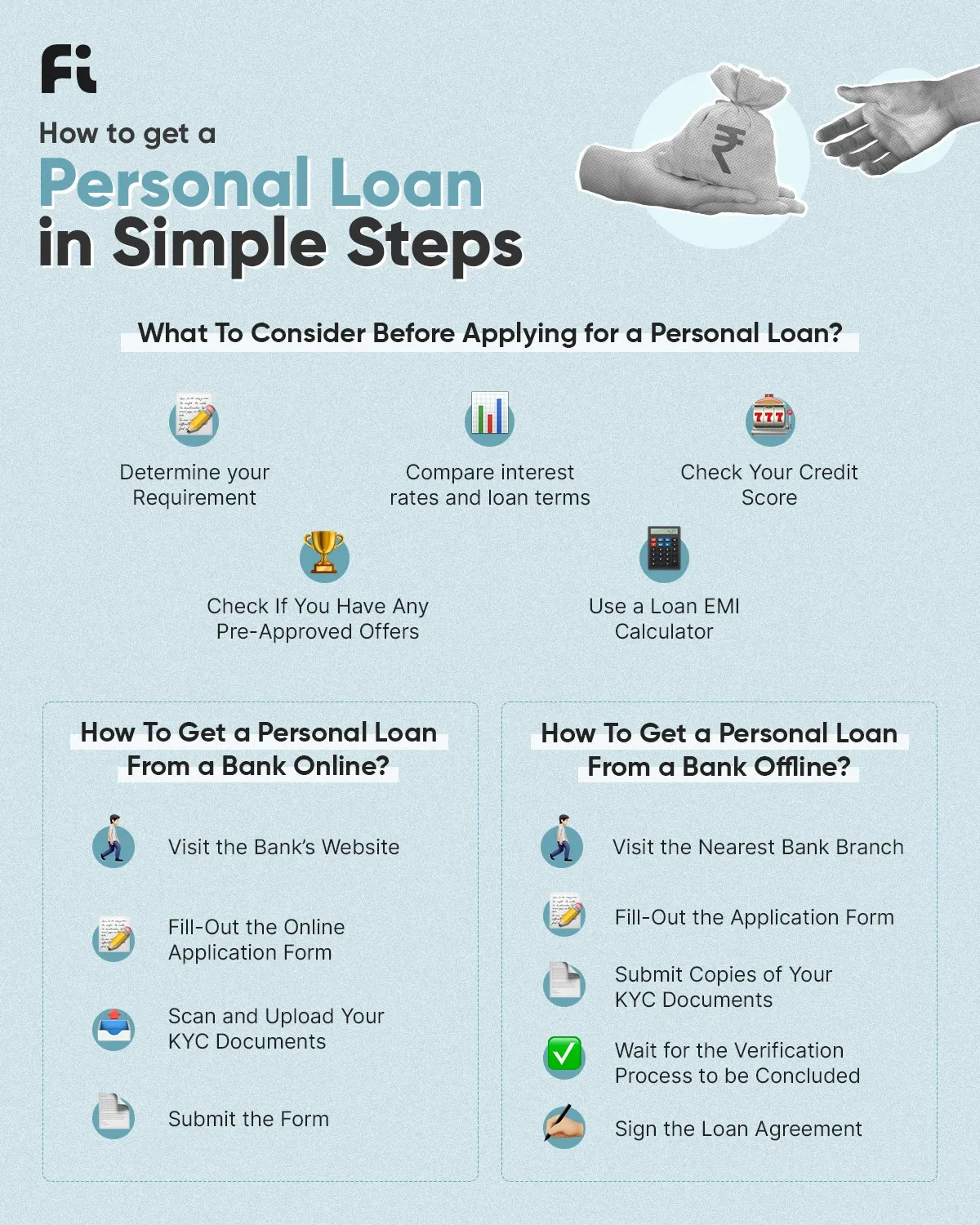
Once you’ve chosen a bank and loan product, you’ll complete a formal application. This can often be done online, in person, or over the phone. You’ll provide all the documentation you’ve gathered and answer detailed questions about your financial history, employment, and the purpose of the loan. Be truthful and thorough; any discrepancies can delay or derail your application.
Underwriting and Review
After submission, your application enters the underwriting phase. Underwriters meticulously review your financial information, credit history, DTI, collateral (if applicable), and all supporting documents. They assess the risk involved in lending to you and ensure your application meets the bank’s lending guidelines and regulatory requirements. This can involve further requests for information or verification calls. This stage is often the longest part of the process.
Loan Decision and Closing
Finally, the bank will render a decision.
- Approval: If approved, you’ll receive a loan offer outlining the interest rate, repayment schedule, terms, and any associated fees. You’ll then proceed to closing, where you sign the final loan documents. For mortgages, this involves a formal closing meeting with all parties. For personal loans, funds are often disbursed directly into your bank account.
- Conditional Approval: The bank might approve you with certain conditions (e.g., pay off another debt, provide additional documentation).
- Denial: If your application is denied, the bank is legally required to provide you with the reasons for denial. This information is valuable for understanding areas where you need to improve your financial profile before reapplying.
Maximizing Your Approval Chances
While the requirements can seem stringent, there are proactive steps you can take to strengthen your application and increase your likelihood of approval.
Improving Your Credit Score
If your credit score isn’t ideal, dedicate time to improving it before applying. Pay all your bills on time, reduce your credit card balances to keep utilization low (ideally below 30%), avoid opening new credit accounts unnecessarily, and dispute any errors on your credit report. Consistent positive credit behavior will gradually build your score.
Reducing Existing Debt
A high DTI ratio is a common reason for loan denials. Prioritize paying down existing debts, especially those with high interest rates, to lower your DTI. This demonstrates financial responsibility and improves your capacity to handle new loan payments.
Having a Clear Purpose for the Loan
For some loan types, especially business loans, having a well-defined and viable purpose for the funds is crucial. A clear business plan with robust projections, for example, can significantly bolster a business loan application. Even for personal loans, being able to articulate a responsible use of funds can be beneficial, though not always a strict requirement.
Building a Relationship with Your Bank
Sometimes, simply being a long-standing customer of a bank can work in your favor. If your current bank knows your financial habits, has seen consistent deposits, and you have other accounts with them (checking, savings, investments), they may be more inclined to approve your loan, especially if your application is borderline. This isn’t a guarantee, but a strong banking relationship can sometimes provide an edge.
Considering a Co-signer
If your credit score or income isn’t strong enough on its own, a co-signer with excellent credit and a stable income can significantly improve your chances of approval. A co-signer legally agrees to be responsible for the loan if you default, reducing the risk for the lender. However, this is a serious commitment for the co-signer, as it impacts their credit and financial liability.
After Approval: Managing Your Loan
Securing a loan is a significant achievement, but it’s just the beginning. Responsible loan management is crucial to protect your financial health and credit standing.
Understanding Your Loan Agreement
Before signing, read every word of your loan agreement. Understand the interest rate (APR), the total amount you’ll repay, the monthly payment amount, the repayment term, any fees (origination, late payment, prepayment penalties), and the consequences of default. If anything is unclear, ask questions until you fully comprehend the terms.
Making Timely Payments
This is the most critical aspect of loan management. Set up automatic payments or create reminders to ensure you never miss a payment. Late payments can result in fees, negatively impact your credit score, and can eventually lead to default, which has severe financial repercussions.
Monitoring Your Credit
Even after approval, continue to monitor your credit report regularly. Ensure all payments are reported correctly and check for any unauthorized activity or errors. A well-managed loan will positively contribute to your credit history, opening doors to better financial opportunities in the future.
Refinancing Options
As market interest rates change or your financial situation improves, you might consider refinancing your loan. Refinancing involves taking out a new loan to pay off an existing one, often with a lower interest rate, different terms, or to switch from an adjustable to a fixed rate. This can potentially save you a significant amount over the life of the loan. However, there might be fees associated with refinancing, so calculate the potential savings carefully.
Conclusion
Obtaining a loan from your bank is a structured process that requires preparation, understanding, and diligent follow-through. By understanding the different types of loans, meticulously preparing your application with all necessary documentation, navigating the application steps with awareness, and proactively maximizing your approval chances, you can significantly increase your success rate. Remember that securing a loan is a partnership with your bank, and responsible management post-approval is key to maintaining a healthy financial future. With the right approach, a bank loan can be a vital stepping stone toward achieving your personal or business financial goals.
aViewFromTheCave is a participant in the Amazon Services LLC Associates Program, an affiliate advertising program designed to provide a means for sites to earn advertising fees by advertising and linking to Amazon.com. Amazon, the Amazon logo, AmazonSupply, and the AmazonSupply logo are trademarks of Amazon.com, Inc. or its affiliates. As an Amazon Associate we earn affiliate commissions from qualifying purchases.