
The rising cost of healthcare is one of the most significant challenges in modern personal finance. For many individuals and families, prescription medication represents a recurring, non-negotiable expense that can quickly erode a monthly budget. Navigating the complexities of pharmaceutical pricing, insurance co-pays, and deductible thresholds requires a strategic approach. One of the most effective financial tools available for managing these costs is the GoodRx card.
Whether you are uninsured, underinsured, or simply looking to bypass high insurance co-pays, obtaining and using a GoodRx card is a fundamental step in optimizing your healthcare spending. This guide provides a comprehensive overview of how to secure a card, the mechanics of how it functions within the financial ecosystem of healthcare, and how to integrate it into your broader personal finance strategy.
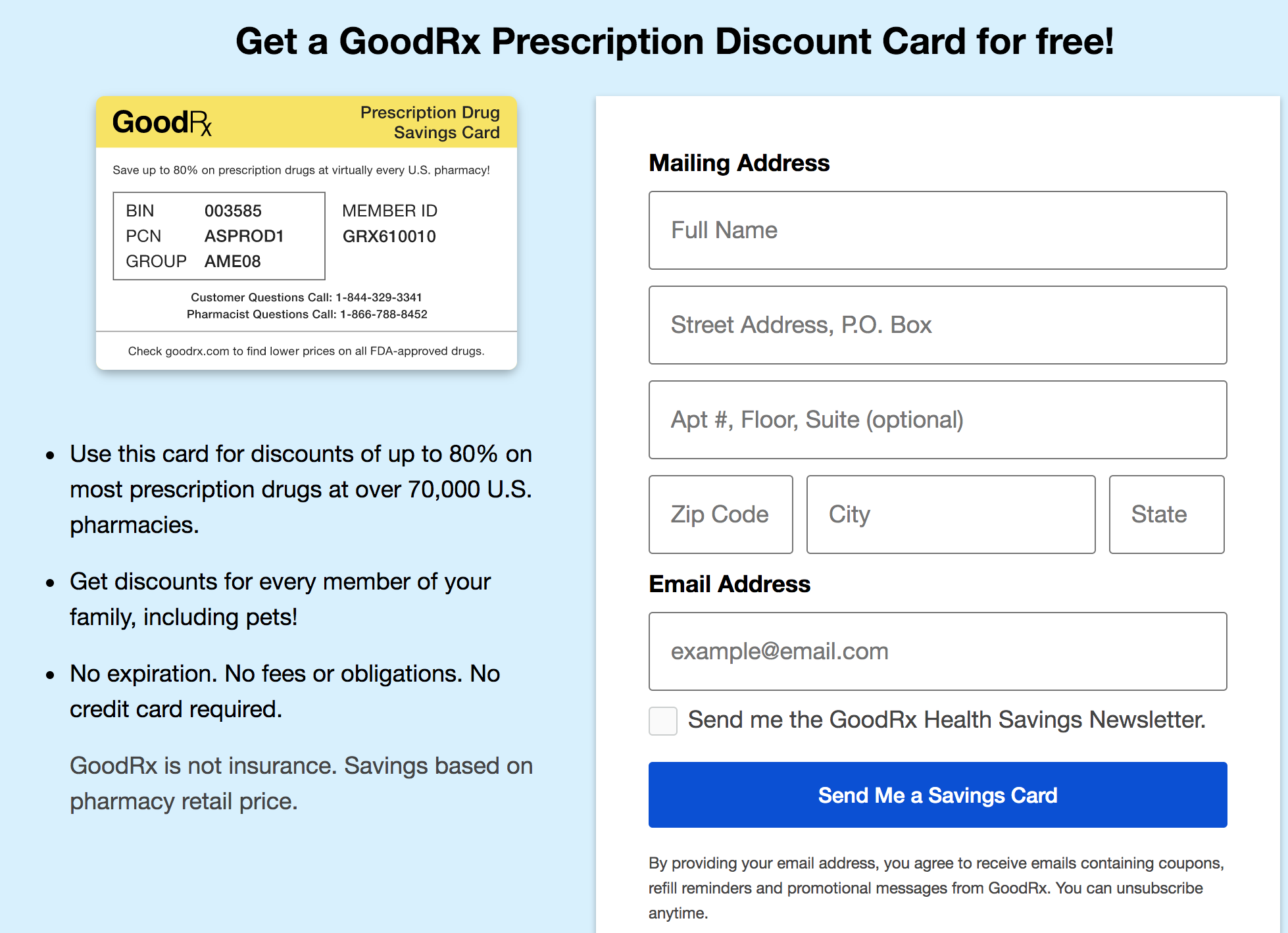
How to Obtain Your GoodRx Card: A Multi-Channel Approach
Securing a GoodRx card is a straightforward process, designed to be accessible regardless of your technological proficiency. There are four primary methods to obtain your discount credentials, each serving different user preferences and immediate needs.
1. The Digital Savings Pass via Mobile App
For the modern consumer, the most efficient way to “get” a card is to download the GoodRx mobile application. This transforms your smartphone into a dynamic financial tool. Once the app is installed, you do not need a physical card; the digital coupons generated within the app contain the same Member ID, Group ID, and BIN numbers found on a physical card.
The advantage of the digital route is real-time price tracking. Prescription prices fluctuate similarly to commodities or stock prices. Having the digital version allows you to compare costs across different pharmacies in your immediate vicinity before you even leave your home, ensuring you are capturing the highest possible ROI on your healthcare spend.
2. Printing a Card from the Website
If you prefer a physical reference but do not want to wait for mail delivery, you can visit the GoodRx website. By navigating to the “Discount Card” section, you can generate a personalized card and print it immediately. This paper version is accepted at over 70,000 pharmacies across the United States. It is a one-time setup; once the pharmacist enters your information into their system, it often stays on file for future refills, though it is always prudent to check for updated coupons.
3. Requesting a Physical Card by Mail
For those who prefer a durable, plastic card to keep in their wallet alongside their debit and credit cards, GoodRx offers a mail-order option. By filling out a simple request form on their website, you can have a physical card sent to your home address at no cost. This is an excellent option for individuals who may not be comfortable navigating apps during a pharmacy checkout or for those who want a backup in case of technology failure.
4. Sending Coupons via Text or Email
If you are in a hurry and standing at the pharmacy counter without a card, you can use the GoodRx website on a mobile browser to search for your specific medication and select “Text” or “Email.” This sends the necessary billing information directly to your inbox or messages. This “virtual card” is a localized, one-off version of the savings card that is often specific to the medication you just searched for.
The Financial Mechanics of GoodRx
To use a GoodRx card effectively, one must understand its place in the financial landscape. GoodRx is not insurance; rather, it is a platform that provides access to negotiated rates between Pharmacy Benefit Managers (PBMs) and pharmacies.
Understanding the PBM Gap
Pharmacy Benefit Managers are the middlemen of the pharmaceutical world. They negotiate lower prices with drug manufacturers and pharmacies for insurance companies. GoodRx taps into these pre-negotiated “contract rates” and makes them available to the general public. When you use a GoodRx card, you are essentially opting out of your insurance’s “contract price” and opting into the “GoodRx contract price.”
In many cases, particularly with generic medications, the GoodRx price is lower than an insurance co-pay. From a personal finance perspective, this represents a unique opportunity for “price arbitrage” in healthcare, where you choose the payment vehicle—insurance or discount card—that offers the lowest out-of-pocket cost.
The Cash-Price Advantage
Many consumers assume that using insurance is always the most cost-effective route. However, with the proliferation of High Deductible Health Plans (HDHPs), many patients find themselves paying the full “negotiated rate” of a drug until they hit a deductible that may be several thousand dollars. In these instances, the GoodRx card serves as a vital bridge, significantly lowering the “cash price” of the medication and preserving your liquid savings.

Maximizing Your Savings Strategy
Simply having the card is the first step; using it strategically is how you maximize your financial health. Because pharmacy prices are not regulated in the same way other medical services are, the cost of a single medication can vary by 400% or more between two pharmacies on the same street.
Zip Code Sensitivity and Price Comparison
When you use your GoodRx card or app, it is essential to search by zip code. Prices are localized based on the density of pharmacy competition and regional PBM contracts. If you live in an urban area, checking a zip code just a few miles away might reveal a significantly lower price at a different chain. For chronic medications, a ten-minute drive once a month could result in hundreds of dollars of annual savings.
The Role of Generic vs. Brand Name
GoodRx provides the most significant financial benefit on generic medications. If your doctor prescribes a brand-name drug, the card may still offer a discount, but the most impactful way to use this tool is in conjunction with a conversation about generic alternatives. From a budgeting standpoint, the combination of a generic prescription and a GoodRx discount can often reduce a $100 monthly expense to under $15.
Handling Pharmacy Pushback
Occasionally, a pharmacy technician may be hesitant to process a discount card, especially if they are busy. It is important to remember that most major pharmacy chains (CVS, Walgreens, Rite Aid, Kroger, Walmart, etc.) have corporate agreements to honor these codes. If you encounter resistance, professionally ask the pharmacist to run the BIN and PCN numbers provided on your card. This is a standard financial transaction for them, similar to processing a secondary insurance claim.
GoodRx Gold: Analyzing the ROI of a Healthcare Subscription
For individuals with multiple recurring prescriptions, the standard free GoodRx card might be just the beginning. GoodRx offers a premium tier called “GoodRx Gold.” To determine if this is a sound financial move, one must conduct a simple Return on Investment (ROI) analysis.
Subscription Costs vs. Incremental Savings
GoodRx Gold carries a monthly membership fee (typically around $9.99 for individuals or $19.99 for families). The financial question is: Will the incremental savings provided by the Gold tier exceed the annual cost of the subscription?
GoodRx Gold often provides even deeper discounts than the free card and, more importantly, offers a flat-rate pricing model for many common generics (e.g., $5 or $10 for a 30-day supply). For a family managing five or six different medications, the Gold membership can pay for itself within a single month, making it a high-yield tool for household budget management.
Telehealth and Integrated Benefits
Beyond drug discounts, the Gold membership often includes access to discounted telehealth visits. In a traditional financial model, a visit to an urgent care clinic for a minor ailment (like a sinus infection or a refill request) could cost between $100 and $200. GoodRx Gold members can often access online consultations for a fraction of that cost. When calculating the value of the card, you must factor in these avoided costs of traditional care.
Integrating Healthcare Savings into Your Personal Finance Plan
The ultimate goal of obtaining a GoodRx card is to achieve greater control over your financial life. Healthcare is often the “wild card” in a budget—the unexpected expense that leads to credit card debt or the depletion of an emergency fund.
Protecting Your Emergency Fund
By using a discount card to lower recurring medication costs, you are effectively increasing your monthly cash flow. These small, consistent savings should be diverted toward an emergency fund or an interest-bearing account. Saving $30 a month on a single prescription results in $360 a year—a sum that could cover a car repair or an unexpected utility bill.
Coordinating with HSAs and FSAs
One common question is whether you can use a Health Savings Account (HSA) or a Flexible Spending Account (FSA) with a GoodRx card. The answer is yes. While you cannot use your insurance and GoodRx at the same time for the same transaction, you can use your GoodRx card to get a lower price and then pay for that transaction using your HSA or FSA debit card.
This creates a powerful “double-win” for your finances: you are paying the lowest possible price for the drug, and you are paying for it with pre-tax dollars. This strategy effectively reduces the “real” cost of your medication by your marginal tax rate, further stretching your healthcare dollars.

Long-Term Financial Health
In the broader context of personal finance, the GoodRx card is more than just a way to save a few dollars at the pharmacy. It is a symbol of proactive financial management. It represents a shift from being a passive consumer of healthcare to an active participant in the marketplace. By taking the simple step of obtaining and using the card, you are asserting control over one of the most volatile sectors of your personal economy, ensuring that your hard-earned money stays where it belongs: in your pocket.
aViewFromTheCave is a participant in the Amazon Services LLC Associates Program, an affiliate advertising program designed to provide a means for sites to earn advertising fees by advertising and linking to Amazon.com. Amazon, the Amazon logo, AmazonSupply, and the AmazonSupply logo are trademarks of Amazon.com, Inc. or its affiliates. As an Amazon Associate we earn affiliate commissions from qualifying purchases.