
Applying for your first credit card—or even your fifth—is a significant financial milestone. A credit card is more than just a piece of plastic or a digital entry in your mobile wallet; it is a sophisticated financial tool that, when used correctly, can help you build a robust credit history, earn valuable rewards, and provide a safety net for unexpected expenses. However, the process of obtaining one can often feel opaque and intimidating. From understanding credit scores to deciphering the fine print of Schumer boxes, there is a steep learning curve for the uninitiated.
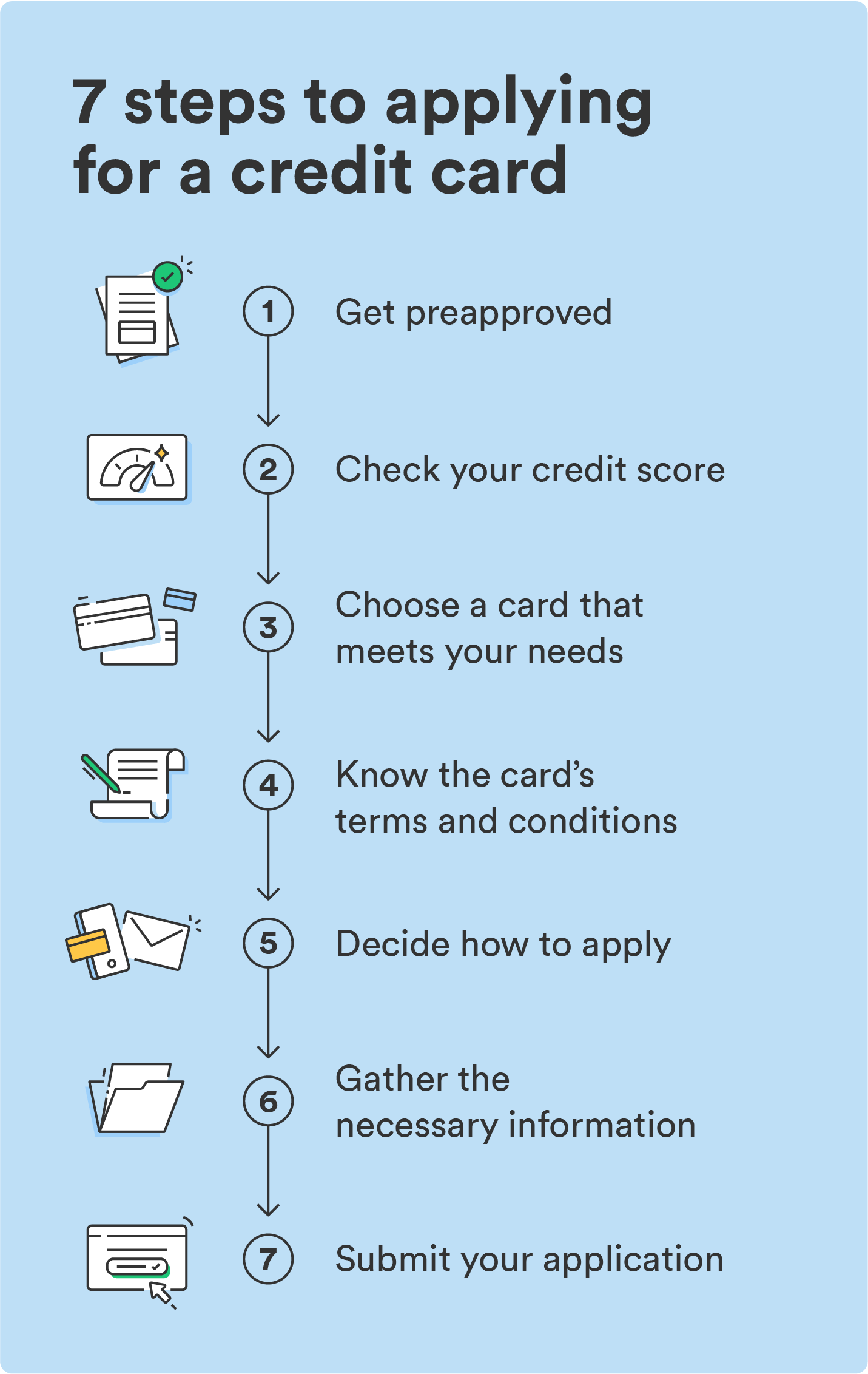
In this guide, we will break down the journey of obtaining a credit card into manageable, actionable steps. Whether you are a student looking to build credit from scratch or a professional seeking to optimize your financial portfolio, understanding the nuances of the credit landscape is essential for long-term financial health.
Understanding Your Financial Baseline Before Applying
Before you click the “Apply Now” button on a flashy banking website, you must conduct a thorough audit of your current financial standing. Lenders do not grant credit based on whim; they use specific metrics to determine your “creditworthiness,” which is essentially a measure of how likely you are to pay back what you borrow.
The Importance of Your Credit Score
Your credit score is arguably the most critical factor in the approval process. Most lenders in the United States use the FICO score model, which ranges from 300 to 850. A score above 670 is generally considered “good,” while scores above 740 are “very good” or “exceptional.”
Your score is calculated based on several factors: payment history (35%), amounts owed or credit utilization (30%), length of credit history (15%), new credit inquiries (10%), and credit mix (10%). If you have never had a loan or a credit card before, you may have a “thin file” or no score at all. In this case, your strategy will differ from someone who already has an established history but is looking to improve their score. Before applying, use a free service to check your score so you know which tier of cards you realistically qualify for.
Assessing Your Debt-to-Income Ratio
While your credit score tells a lender how you’ve handled debt in the past, your income tells them how much debt you can handle in the future. During the application process, you will be asked for your gross annual income. Lenders use this to calculate your Debt-to-Income (DTI) ratio.
Even if you have a perfect 850 credit score, a lender might deny your application if your monthly debt obligations (like student loans, car payments, or rent) consume too high a percentage of your monthly income. Generally, lenders prefer a DTI ratio below 36%, though some credit card issuers are more flexible than mortgage lenders. Being honest and accurate about your income—including bonuses, side-hustle earnings, and investment dividends—is crucial for a successful application.
Choosing the Right Credit Card for Your Financial Goals
The credit card market is incredibly diverse. There is no “one-size-fits-all” card. The card that is right for a frequent international traveler is vastly different from the card that is right for a college student or a small business owner.
Secured vs. Unsecured Credit Cards
If you are just starting out or rebuilding your credit after a financial setback, you will likely need to choose between a secured and an unsecured card.
An unsecured card is the standard type of credit card. The lender extends you a line of credit based on your creditworthiness, and no collateral is required. These typically offer better rewards and lower interest rates.
A secured card, on the other hand, requires a refundable security deposit, which usually serves as your credit limit. For example, if you provide a $500 deposit, you have a $500 credit limit. This deposit protects the lender if you fail to make payments. For those with poor or no credit, a secured card is an excellent “stepping stone” tool. Most issuers will review your account after six to twelve months of on-time payments and may “graduate” you to an unsecured card, returning your deposit.
Rewards, Cash Back, and Low-Interest Options
If your credit score is in the good-to-excellent range, you have the luxury of choosing a card based on its perks.
- Cash Back Cards: These are ideal for those who want a simple, direct return on their spending. Some cards offer a flat rate (e.g., 2% on everything), while others offer higher percentages on specific categories like groceries or gas.
- Travel Rewards Cards: These cards earn points or miles that can be redeemed for flights, hotels, or travel experiences. They often come with higher annual fees but offer perks like lounge access and travel insurance.
- Low-Interest or 0% APR Cards: If you plan to make a large purchase and pay it off over several months, a card with an introductory 0% APR (Annual Percentage Rate) period can save you hundreds of dollars in interest.
The Step-by-Step Application Process
Once you have identified the right card for your profile, the actual application process is relatively straightforward but requires attention to detail. Most applications are completed online and provide a decision within minutes.
Documentation and Personal Information Required
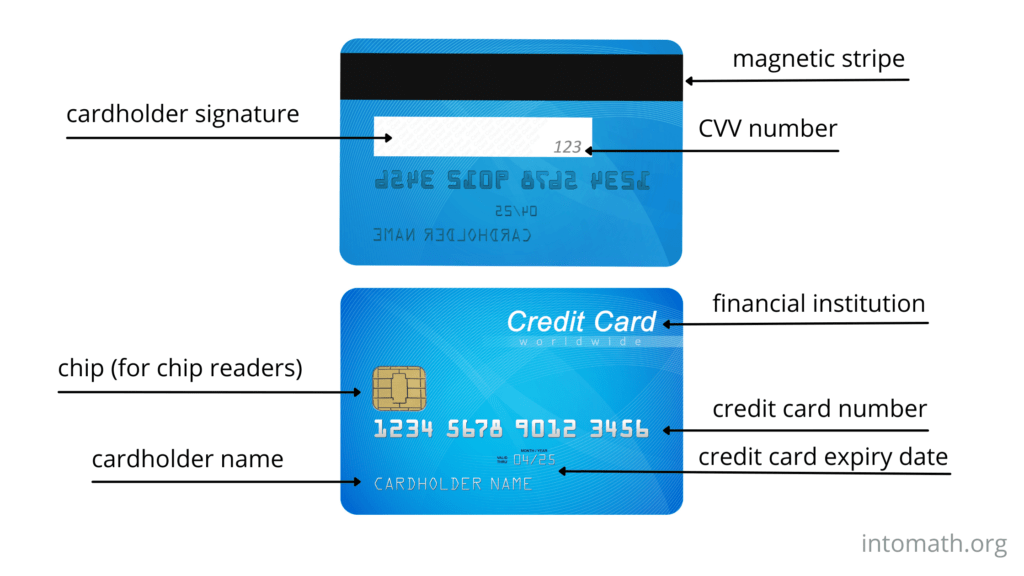
To comply with federal regulations (such as the “Know Your Customer” or KYC laws), banks require specific personal information to verify your identity. You will typically need:
- Full Legal Name and Date of Birth: You must be at least 18 to apply for a card in your own name (and those under 21 often face stricter income verification requirements).
- Social Security Number (SSN) or Individual Taxpayer Identification Number (ITIN): This is used to pull your credit report.
- Contact Information: This includes your physical address (not a P.O. Box), email, and phone number.
- Financial Details: Total annual gross income and your monthly housing payment (rent or mortgage).
What Happens During the Credit Inquiry?
When you submit your application, the issuer performs a “hard pull” or “hard inquiry” on your credit report. This allows them to see your full credit history. Unlike a “soft pull” (which happens when you check your own score), a hard inquiry can cause your credit score to drop by a few points—usually five points or less.
Because of this, it is wise to avoid “shotgunning” applications. If you apply for five cards in one week, lenders may view this as a sign of financial distress, and the cumulative impact on your credit score can be significant. It is better to research, find the card you are most likely to qualify for, and apply for that single card.
What to Do After You Receive Your Card
Approval is just the beginning. The way you handle the card in the first 90 days can set the tone for your financial future and significantly impact your credit score.
Activating and Securing Your Card
When your card arrives in the mail (usually 7–10 business days after approval), you must activate it via the issuer’s website, mobile app, or a dedicated phone line. Once activated, the first thing you should do is set up your online account and download the mobile app.
Security is paramount. Enable two-factor authentication (2FA) and set up “push notifications” for every transaction. This ensures that if your card is ever compromised, you will know the moment an unauthorized purchase is made. Additionally, consider setting up “autopay” for at least the minimum amount due. This guarantees you will never suffer a late fee or a hit to your credit score due to a missed payment.
Best Practices for Building Long-Term Credit Health
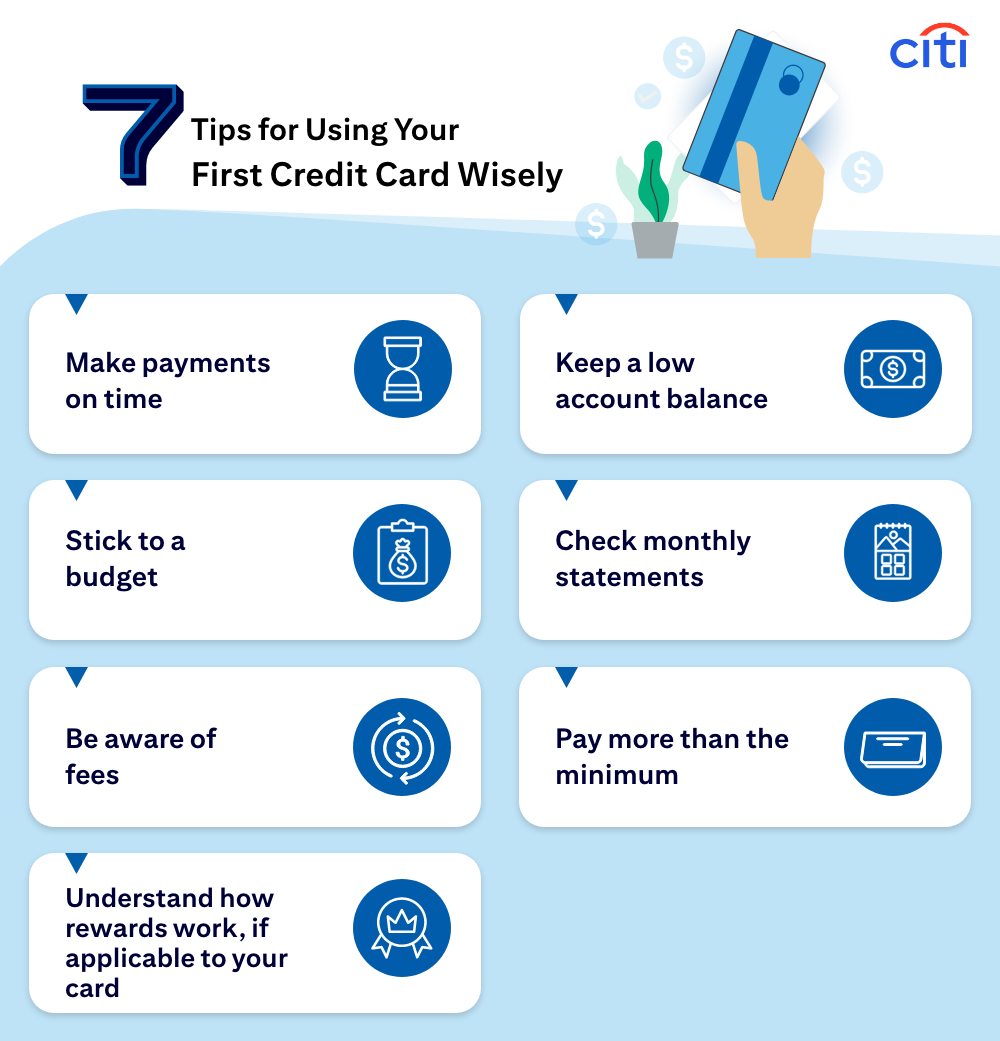
To maximize the benefits of your new card, follow the “Golden Rules” of credit management:
- Pay in Full Every Month: To avoid paying interest, you should aim to pay your “statement balance” in full by the due date. Credit card interest rates are often high (18%–29% APR), and carrying a balance can quickly lead to a debt spiral.
- Keep Utilization Low: Your credit utilization ratio is the amount of credit you are using compared to your total limit. For example, if you have a $1,000 limit and a $300 balance, your utilization is 30%. Financial experts recommend keeping this ratio below 30%, and ideally below 10%, to maintain a high credit score.
- Monitor Your Statements: Check your transactions weekly to ensure there are no errors or fraudulent charges.
Overcoming Potential Roadblocks
Not every application results in an instant approval. If you face a setback, it is important to view it as a diagnostic tool rather than a final failure.
What to Do if Your Application is Denied
If your application is denied, the lender is legally required to send you an “Adverse Action Notice.” This document will explain the specific reasons for the denial (e.g., “credit score too low” or “insufficient income”).
Before giving up, you can call the issuer’s reconsideration line. Sometimes, an application is flagged by an automated system for a simple reason, such as a typo in your address or an unverified income source. Speaking to a human representative allows you to explain your situation, provide additional context, and potentially get the decision reversed. If the denial stands, use the feedback in the notice to improve your profile before applying again in six months.
Alternatives for Those with No Credit History
If you are struggling to get approved for even basic cards, consider these alternatives:
- Become an Authorized User: If a family member has a long-standing credit card account with a perfect payment history, they can add you as an authorized user. Their history with that card will often reflect on your credit report, giving your score a significant boost.
- Credit Builder Loans: Offered by many credit unions and some fintech companies, these are “reverse loans” where you make payments into a locked savings account, and the lender reports those payments to the credit bureaus. Once the term is over, you receive the money back.
- Student Cards: If you are currently enrolled in higher education, many issuers offer cards specifically designed for students with no credit history. These often have lower limits but are much easier to obtain.
By following these steps and maintaining a disciplined approach to your finances, you can successfully secure a credit card and use it as a powerful engine for building wealth and financial stability. Remember, a credit card is a tool; its value depends entirely on the skill and responsibility of the person wielding it.
aViewFromTheCave is a participant in the Amazon Services LLC Associates Program, an affiliate advertising program designed to provide a means for sites to earn advertising fees by advertising and linking to Amazon.com. Amazon, the Amazon logo, AmazonSupply, and the AmazonSupply logo are trademarks of Amazon.com, Inc. or its affiliates. As an Amazon Associate we earn affiliate commissions from qualifying purchases.