
Securing a credit card, especially from a reputable issuer like Capital One, is a significant step in managing your personal finances. For many, a credit card is more than just a payment tool; it’s a gateway to building credit history, earning rewards, and accessing financial flexibility. Capital One, known for its diverse range of products tailored to various credit profiles, stands out as a popular choice for millions of consumers. However, navigating the application process requires a clear understanding of what’s involved, what issuers look for, and how to position yourself for approval.
This comprehensive guide will demystify the process of obtaining a Capital One credit card, walking you through the preparation, application, and subsequent steps to ensure you make an informed financial decision. We’ll delve into the nuances of creditworthiness, explore Capital One’s offerings, and provide actionable advice to maximize your chances of approval and future financial success. Whether you’re a first-time applicant or looking to expand your credit portfolio, understanding these intricacies is paramount.
Understanding Capital One and Its Offerings
Before you even consider applying, it’s crucial to understand Capital One as a financial institution and the breadth of credit card products it offers. This knowledge will help you identify the card that best aligns with your financial goals and current credit standing.
A Brief Overview of Capital One
Capital One Financial Corporation is a prominent American bank holding company specializing in credit cards, auto loans, banking, and savings products. Founded in 1994, it quickly grew to become one of the largest banks in the United States, largely due to its innovative approach to credit card marketing and its willingness to serve a wide spectrum of credit profiles, from those with excellent credit to individuals looking to build or rebuild their credit. This inclusivity is one of Capital One’s defining characteristics, setting it apart from some competitors who focus predominantly on prime borrowers. Their extensive digital presence and user-friendly mobile app also contribute to a seamless customer experience, making them a top choice for many consumers.
The Diverse Range of Capital One Credit Cards
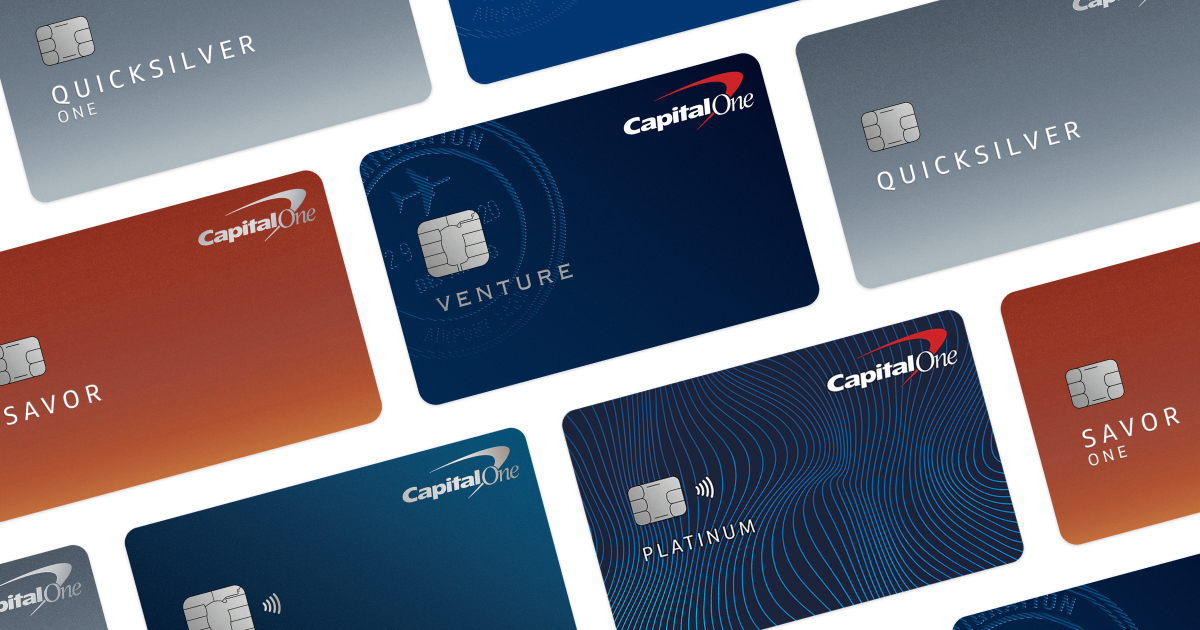
One of Capital One’s greatest strengths is its diverse portfolio of credit cards, designed to meet the needs of different consumers. This means there’s likely a Capital One card suited for you, regardless of your credit history.
- For Excellent Credit: Cards like the Capital One Venture X Rewards Credit Card, Capital One Venture Rewards Credit Card, and Capital One SavorOne Cash Rewards Credit Card are popular choices, offering premium travel rewards, high cash back rates, and lucrative sign-up bonuses for individuals with established, strong credit scores. These cards often come with higher credit limits and a suite of benefits such as travel insurance, airport lounge access, or dining perks.
- For Good Credit: Capital One QuicksilverOne Cash Rewards Credit Card or Capital One Platinum Secured Credit Card are often recommended for those with good to very good credit, providing solid rewards or a stepping stone to better credit products without requiring excellent credit.
- For Fair/Average Credit: Capital One often provides options for individuals with fair credit, helping them transition towards a stronger financial standing. These might include cards with more modest rewards or secured options.
- For Building Credit (Bad/Limited Credit): This is where Capital One truly shines. The Capital One Platinum Secured Credit Card is specifically designed for individuals with limited or poor credit history. With a secured card, you provide a refundable security deposit, which typically becomes your credit limit. This allows you to demonstrate responsible credit behavior without significant risk to the lender, making it an excellent tool for credit building.
- Student Credit Cards: Capital One also offers specialized cards for students, recognizing their unique financial situation and need to start building credit early. These cards often have lower credit requirements and may offer modest rewards.
Why Choose Capital One?
Beyond the variety, Capital One offers several compelling reasons to consider their credit cards:
- Accessibility: Their willingness to cater to a broad range of credit scores makes them accessible to a wider audience.
- No Foreign Transaction Fees: Many of their cards, even entry-level ones, come without foreign transaction fees, a significant perk for travelers.
- Competitive Rewards: From unlimited cash back to generous travel miles, Capital One’s rewards programs are often competitive and straightforward.
- CreditWise: Capital One offers CreditWise, a free credit monitoring tool available to everyone (not just Capital One customers), which provides insights into your credit score and alerts, empowering users to manage their financial health.
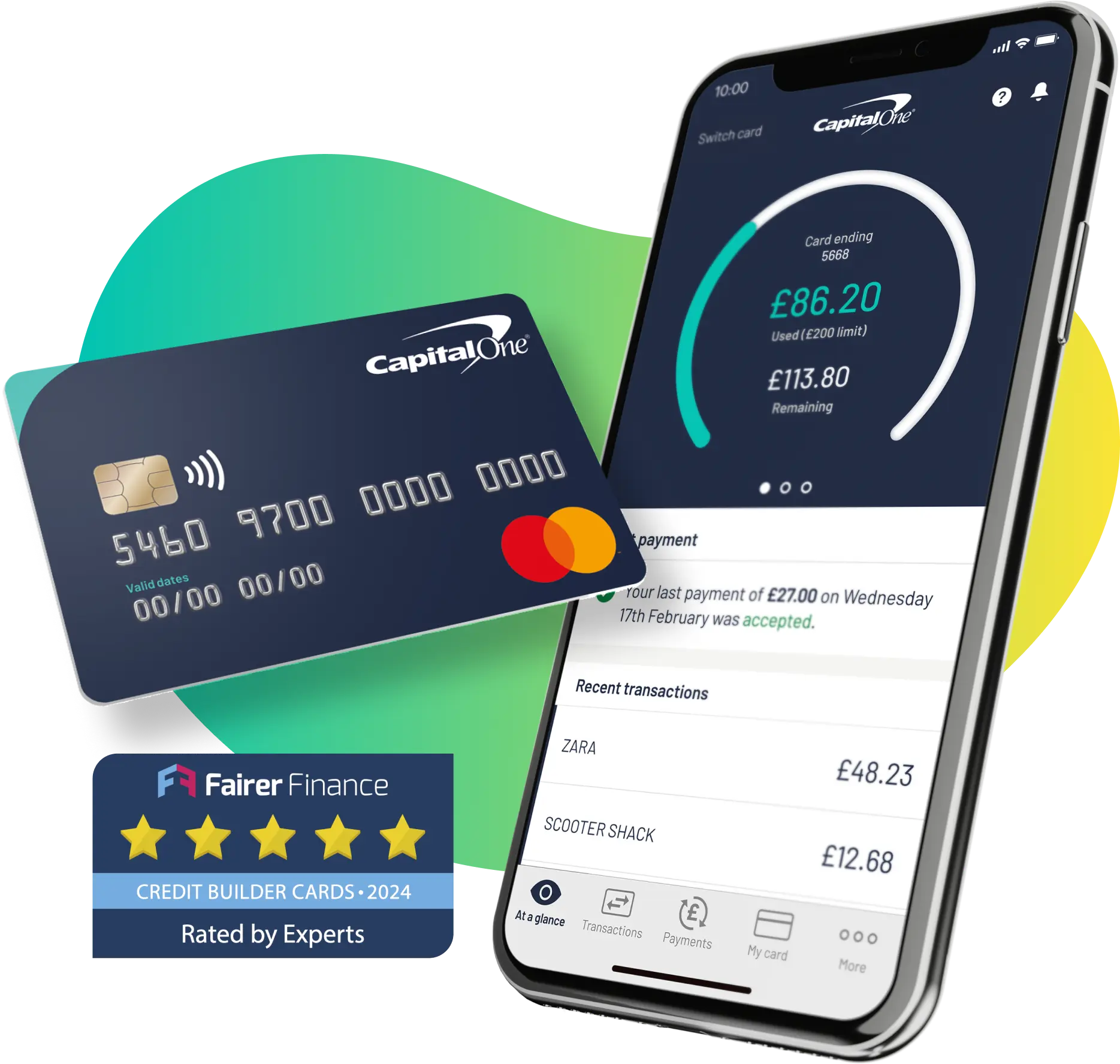
- User-Friendly App: Their mobile application consistently receives high ratings for its ease of use, allowing customers to manage their accounts, pay bills, and monitor transactions on the go.
Preparing for Your Application: Essential Steps
Applying for a credit card is not a decision to be taken lightly. Thorough preparation can significantly improve your chances of approval and ensure you select the most suitable product for your financial situation. This involves understanding your credit profile and financial health.
Checking Your Credit Score
Your credit score is the single most important factor an issuer like Capital One will consider. It’s a numerical representation of your creditworthiness, derived from your credit report. Before applying, obtain your credit score and a copy of your credit report. You can do this for free through services like Credit Karma, CreditWise by Capital One, or directly from the three major credit bureaus (Experian, EquiFax, TransUnion) annually at AnnualCreditReport.com.
- Excellent Credit: Generally FICO scores 800-850.
- Very Good Credit: FICO scores 740-799.
- Good Credit: FICO scores 670-739.
- Fair/Average Credit: FICO scores 580-669.
- Poor Credit: FICO scores 300-579.
Knowing your score allows you to target cards designed for your credit tier, avoiding unnecessary denials that could temporarily ding your credit score with a hard inquiry.
Understanding Credit Card Types and Their Requirements
Each Capital One credit card is designed for a specific credit profile.
- If your credit is excellent or very good, you’ll qualify for premium rewards cards with the best benefits.
- If you have good credit, you’ll have a wide selection of solid rewards cards.
- If your credit is fair or average, you should look for cards specifically marketed to those with “average credit.” You might get approved for a basic card with no annual fee or a modest rewards structure.
- If you have limited or poor credit, your best bet is often a secured credit card. These require a deposit but are an excellent way to build positive credit history.
Researching the specific requirements for each card, usually available on Capital One’s website, is crucial. Pay attention to the recommended credit score range for each product.
Assessing Your Financial Health
Beyond your credit score, lenders assess your overall financial health to determine your ability to manage new debt. Key factors include:
- Income: You must have a verifiable income to qualify for an unsecured credit card. Capital One will ask for your annual income, which can include wages, salaries, self-employment income, benefits, and even certain types of shared household income if you are 21 or older and reasonably expect to have access to it.
- Debt-to-Income (DTI) Ratio: This ratio compares your total monthly debt payments to your gross monthly income. A lower DTI indicates you have more disposable income to manage new credit card payments, making you a less risky borrower. While Capital One doesn’t publish a strict DTI cutoff, a ratio below 36% is generally considered favorable.
- Existing Debts: Your current credit obligations (mortgage, auto loans, student loans, other credit cards) will be factored in. Managing these responsibly (e.g., low credit utilization on existing cards) strengthens your application.
Pre-Qualification vs. Full Application
Capital One offers a pre-qualification tool on its website. This is an invaluable step for anyone considering applying.
- Pre-qualification: This process involves a “soft inquiry” on your credit report, which does not affect your credit score. You provide some basic personal and financial information, and Capital One tells you which of their cards you’re likely to be approved for. It’s a great way to gauge your eligibility without risk.
- Full Application: If you proceed with a full application after pre-qualification, Capital One will conduct a “hard inquiry” on your credit report. This inquiry can temporarily lower your credit score by a few points for a short period (typically a few months). A hard inquiry signals to other lenders that you are seeking new credit. Only submit a full application once you’re confident in your choice and eligibility.
The Capital One Application Process
Once you’ve done your homework and chosen a card, the actual application process is relatively straightforward, thanks to Capital One’s streamlined online system.
Navigating the Capital One Website
The easiest and most common way to apply for a Capital One credit card is directly through their official website. Navigate to the “Credit Cards” section. You can browse all their offerings or use the pre-qualification tool to see personalized options. Each card page will detail its features, benefits, fees, and recommended credit score range.

Information Required for Application
When you’re ready to apply, either through pre-qualification or directly, you’ll need to provide several pieces of information:
- Personal Information: Full legal name, date of birth, Social Security Number (SSN) or Individual Taxpayer Identification Number (ITIN), physical address (no P.O. boxes), and contact information (phone number, email).
- Financial Information: Annual income (as discussed above), employment status (employed, self-employed, retired, student, etc.), and monthly housing payment (rent or mortgage).
- Security Questions: You may be asked security questions to verify your identity.
Ensure all information is accurate and consistent with your credit report and financial documents. Any discrepancies could lead to delays or even denial.
Understanding Application Outcomes
After submitting your application, you’ll typically receive a decision within minutes.
- Approved: Congratulations! You’ll receive confirmation of your approval, often with details about your credit limit, APR, and an estimated arrival date for your card.
- Denied: If denied, Capital One is legally required to send you an Adverse Action Notice (typically via mail or email) explaining the primary reasons for the denial. This information is crucial for understanding what areas of your financial profile need improvement.
- Conditional Approval/Pending: Sometimes, an application might go into a pending status if Capital One needs more information or further review. They may contact you via email or phone for additional verification.
What to Do if Denied
A denial isn’t the end of the road. It’s an opportunity to improve.
- Review the Adverse Action Notice: Understand why you were denied. Common reasons include a low credit score, high debt-to-income ratio, insufficient income, or too many recent credit inquiries.
- Call for Reconsideration: Capital One has a reconsideration line. If you believe there was an error, or if you can provide additional context or information not initially captured (e.g., a recent pay raise not yet reflected), calling may lead to an approval. Be polite, explain your situation, and be ready to answer questions.
- Improve Your Credit: If the denial was due to a low credit score, focus on improving it. This involves:
- Paying all bills on time.
- Reducing existing debt, especially credit card balances (aim for utilization below 30%).
- Disputing any errors on your credit report.
- Avoiding new credit applications for a while.
- Consider a secured credit card or a credit builder loan to establish positive history.
- Wait and Reapply: Give it at least 6-12 months to improve your credit profile before reapplying for the same or a similar card.
Maximizing Your Capital One Credit Card Benefits
Being approved for a Capital One credit card is just the beginning. Responsible use and strategic leveraging of its features are key to long-term financial health and getting the most value from your card.
Responsible Credit Card Use
Your credit card is a powerful financial tool, but it requires discipline.
- Pay Your Bill On Time, Every Time: This is the most critical factor influencing your credit score (35% of FICO). Set up automatic payments or calendar reminders. Late payments incur fees and severely damage your credit.
- Keep Credit Utilization Low: Aim to keep your credit card balances below 30% of your total credit limit. For optimal credit health, strive for even lower (e.g., under 10%). High utilization signals higher risk to lenders.
- Pay in Full: Whenever possible, pay your statement balance in full each month to avoid interest charges. Credit card interest rates can be high, and carrying a balance can quickly erode the value of any rewards earned.
- Avoid Cash Advances: Cash advances typically come with high fees and immediately accrue interest, making them a costly form of borrowing.
Leveraging Rewards Programs
If you chose a rewards-earning Capital One card, make sure you understand and utilize its program effectively.
- Understand Earning Categories: Some cards offer accelerated rewards in specific spending categories (e.g., dining, groceries, travel). Tailor your spending to these categories to maximize points or cash back.
- Redeem Strategically: Understand the redemption options. Cash back might be a statement credit or direct deposit. Travel points might be transferable to airline partners or used for travel bookings through Capital One’s portal. Optimize your redemptions to get the most value for your points.
- Utilize Sign-Up Bonuses: Many Capital One cards offer lucrative sign-up bonuses for meeting a specific spending threshold within a certain timeframe. Factor this into your initial spending plans but avoid overspending just to hit a bonus.
Utilizing Card Features
Capital One provides several features to enhance your card experience and security.
- Mobile App: Use the Capital One mobile app for easy account management, transaction monitoring, bill payment, and setting up alerts.
- Fraud Alerts and Security: Capital One is proactive in fraud detection. Be familiar with their security features and report any suspicious activity immediately.
- Virtual Card Numbers: Some Capital One cards offer virtual card numbers, providing an extra layer of security for online purchases by masking your actual card number.
- CreditWise: Continuously monitor your credit score and report for free through Capital One’s CreditWise tool, allowing you to track your progress and detect potential issues.
Beyond the Application: Managing Your Financial Future
Obtaining a Capital One credit card is a tool, not an end goal. Its true value lies in how it integrates into your broader financial strategy.
The Role of Credit Cards in Financial Health
Credit cards, when managed responsibly, are indispensable for:
- Building Credit History: A strong credit history opens doors to lower interest rates on mortgages, auto loans, and other financial products.
- Emergency Fund Supplement: In a true emergency, a credit card can provide a short-term financial bridge.
- Convenience and Security: They offer a convenient way to pay and provide better fraud protection than debit cards or cash.
- Rewards and Perks: The benefits can translate into significant savings or valuable experiences over time.
However, they can also lead to debt if misused. Maintaining a balanced perspective is key.
Continuous Credit Monitoring
Your credit profile is dynamic. Regularly review your credit report for accuracy and monitor your credit score. Identity theft and errors can occur, and early detection is crucial for mitigation. Capital One’s CreditWise and other free services make this process straightforward.
Long-Term Financial Planning
As your financial situation evolves, so should your credit card strategy. Periodically assess if your current Capital One card still meets your needs. You might consider upgrading to a card with better rewards, a higher credit limit, or different benefits as your income grows and your credit score improves. Always integrate your credit card decisions into your overall budget, savings goals, and investment plans to ensure they contribute positively to your financial well-being.
Getting a Capital One credit card is a journey that starts with informed preparation, moves through a transparent application process, and continues with disciplined management. By understanding the intricacies of credit, leveraging Capital One’s diverse offerings, and committing to responsible financial habits, you can effectively use this powerful tool to enhance your financial standing and achieve your long-term goals.
aViewFromTheCave is a participant in the Amazon Services LLC Associates Program, an affiliate advertising program designed to provide a means for sites to earn advertising fees by advertising and linking to Amazon.com. Amazon, the Amazon logo, AmazonSupply, and the AmazonSupply logo are trademarks of Amazon.com, Inc. or its affiliates. As an Amazon Associate we earn affiliate commissions from qualifying purchases.