
In the intricate world of personal finance, certain numerical sequences hold profound significance, acting as silent facilitators for countless transactions that underpin our daily lives. Among these, the bank routing number stands out as a crucial identifier, often overlooked until a moment of necessity arises. Whether you’re setting up direct deposit for your paycheck, automating bill payments, or sending funds to a loved one, knowing your bank’s routing number is as fundamental as knowing your account number. It’s the digital equivalent of a postal code for your financial institution, ensuring that your money safely and efficiently reaches its intended destination.

This comprehensive guide aims to demystify the process of locating your bank’s routing number, providing clear, actionable steps and vital insights into its purpose and importance. We’ll delve into the various methods available, from traditional paper records to modern digital interfaces, and highlight critical considerations to ensure accuracy and security in all your financial dealings. Understanding where and how to find this nine-digit code is not just a matter of convenience; it’s a cornerstone of effective personal financial management, empowering you to navigate the banking landscape with confidence and precision.
Understanding the Essence of a Routing Number
Before we dive into the “how-to,” it’s essential to grasp the fundamental nature and purpose of a bank routing number. This often-misunderstood identifier is more than just a random sequence; it’s a critical component of the financial infrastructure that enables seamless money movement across the nation.
What Exactly is a Routing Number?
A bank routing number, officially known as an ABA (American Bankers Association) Routing Transit Number (RTN), is a nine-digit code that uniquely identifies a financial institution within the United States. Established in 1910 by the American Bankers Association, its primary role is to facilitate the routing of electronic funds transfers (EFTs), such as direct deposits, wire transfers, and automated clearing house (ACH) transactions, to the correct bank. Think of it as a street address for your bank, directing financial traffic precisely where it needs to go.
Each digit in the nine-digit sequence carries specific information. The first four digits typically identify the Federal Reserve Bank district where the financial institution is located. The next four digits identify the specific bank, and the final digit is a check digit used to validate the entire routing number, preventing errors in transactions. This sophisticated system ensures that when you send money, it doesn’t get lost in the vast network of financial institutions but lands squarely in the intended bank’s hands.
Why is Your Routing Number Indispensable?
The need for a routing number extends across a broad spectrum of financial activities, making it an indispensable piece of information for almost every bank account holder. Without it, many common transactions would be impossible or significantly delayed.
- Direct Deposit: This is perhaps one of the most common reasons individuals need their routing number. To receive your paycheck directly from your employer, government benefits like Social Security, or tax refunds, you’ll provide your employer or the relevant agency with both your routing number and account number. This eliminates the need for paper checks and ensures timely access to your funds.
- Automated Bill Payments: Setting up recurring payments for utilities, loans, rent, or subscriptions often requires your bank’s routing number. This allows the biller to directly debit funds from your account on scheduled dates, simplifying your financial management and reducing the risk of late payments.
- ACH (Automated Clearing House) Transactions: The ACH network is a backbone for electronic fund transfers in the U.S. Any transaction involving a transfer between banks, such as peer-to-peer payments, setting up recurring transfers to a savings account, or paying merchants online, typically utilizes the routing number to identify the sending and receiving banks.
- Wire Transfers: For sending larger sums of money, especially internationally or with a high degree of urgency, wire transfers are often used. While these sometimes use different routing numbers (more on this later), the principle remains the same: the routing number directs the funds to the correct financial institution.
- External Account Linking: If you use budgeting apps, investment platforms, or need to link your bank account to another financial service (e.g., PayPal, Venmo, or another bank account), your routing number will be required for verification and transaction purposes.
In essence, the routing number is the silent workhorse behind the scenes, making countless digital financial interactions possible and secure. Its accurate use is paramount to avoiding delays, fees, and the frustration of misdirected funds.
Primary Methods to Locate Your Routing Number
Finding your routing number is usually a straightforward process, thanks to its prominent placement on various official bank documents and digital platforms. Here are the most common and reliable methods:
The Ubiquitous Checkbook
For many, the quickest and most traditional way to find a routing number is by looking at a personal check. This method has been reliable for decades and remains a primary source of this information.
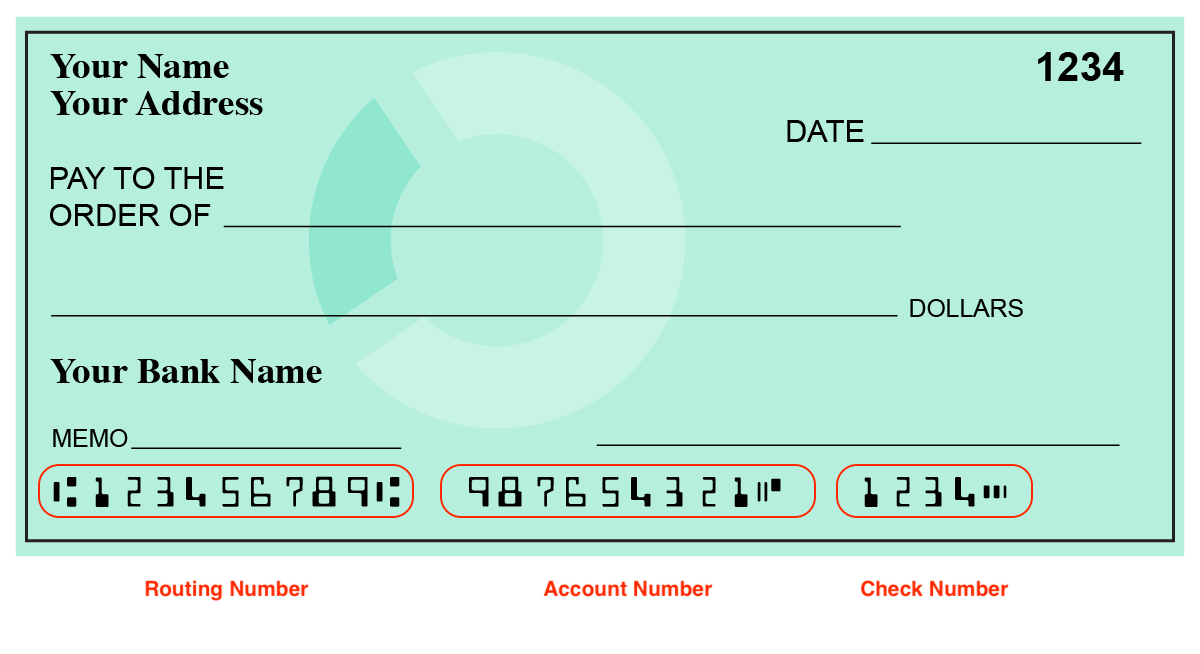
- Location: On most personal checks, you’ll find three sets of numbers printed along the bottom edge. From left to right, these typically represent:
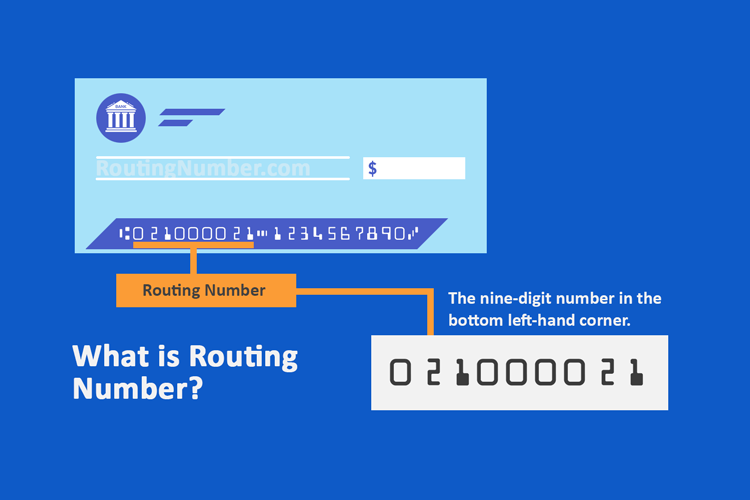
- Your bank’s routing number (9 digits): This is the first set of numbers.
- Your bank account number (variable length): This is the second set.
- The check number (variable length): This is the third set, which matches the number printed on the top right corner of the check.
- Illustration: Imagine a check with numbers like
123456789 987654321 0001. In this example,123456789would be the routing number. - Caveat: Always ensure you are looking at a check from your current bank account. If you’ve recently changed banks or account types, old checks may carry outdated or incorrect routing information, leading to failed transactions. Also, be aware that business checks might have the routing number in a slightly different position, though it’s almost always on the bottom left.
Leveraging Your Bank’s Digital Platforms
In today’s digital age, your bank’s online portals and mobile applications are incredibly convenient and secure sources for finding your routing number.
- Online Banking Portal: Log into your bank’s website using your credentials. Once logged in, navigate to your account details. This information is often found under sections like “Account Summary,” “Account Information,” “My Profile,” or “Statements.” Your routing number is usually clearly displayed alongside your account number. Some banks might require you to click on a specific account (e.g., checking or savings) to view its details.
- Mobile Banking App: Most modern banking apps provide quick access to your account information. Open your bank’s mobile app, log in, and typically you’ll find the routing number listed on the main account summary screen, or within the “Account Details,” “Settings,” or “Profile” sections for a specific account. Many apps have a dedicated icon or link (e.g., an ‘i’ symbol for information) that, when tapped, reveals your routing and account numbers.
- Advantages: Using digital platforms is often the quickest way to get the most up-to-date routing number. It’s accessible 24/7 from anywhere with an internet connection and provides a secure, verified source of information directly from your bank.
Delving Into Your Bank Statements
Whether you receive paper statements by mail or view them digitally, they are an authoritative source for your bank’s routing number.
- Location: The routing number is typically printed on your bank statement. For paper statements, look for it near the top or bottom of the document, often grouped with your account number and bank’s address. For digital statements accessed through online banking, the location will be similar.
- Format: Digital statements usually come in a PDF format, making it easy to search for “routing number” using your browser’s or PDF viewer’s search function (Ctrl+F or Cmd+F).
- Benefits: Bank statements provide official, verified information directly from your financial institution. They are particularly useful if you don’t have a checkbook or prefer not to log into your online banking portal at that moment. Just like with checks, ensure you’re using a recent statement to avoid any outdated information.
Alternative Avenues and Important Considerations
While checks, online banking, and statements are the most common methods, there are other ways to obtain your routing number, and crucial nuances to keep in mind to ensure accuracy and security.
Directly Visiting Your Bank’s Official Website
Even without logging into your personal account, a bank’s public website is often a treasure trove of information, including routing numbers.
- Where to Look: Most banks have a “Contact Us,” “FAQ,” “Help,” or “About Us” section on their main website. Within these sections, you’ll frequently find a dedicated page or paragraph listing the routing number(s) for the institution. Some banks even have a direct “Routing Number” link in their footer or navigation menu.
- Search Function: Utilize the website’s search bar. Typing “routing number” will almost always lead you directly to the relevant information.
- General vs. Account-Specific: Be aware that a large bank might have different routing numbers for different regions, states, or even specific types of transactions (e.g., one for ACH and another for domestic wire transfers). While the general routing number found on the website is usually correct for most ACH transactions and direct deposits, it’s always best to verify if you have a specific account type or if your bank operates across many states.
Direct Communication with Your Bank
If all other methods fail, or if you have specific questions about which routing number to use for a particular transaction, directly contacting your bank is always a reliable option.
- Customer Service: Call your bank’s customer service line. Be prepared to verify your identity (e.g., account number, last four digits of SSN, security questions) to ensure you receive accurate and secure information. The representative will be able to provide the correct routing number for your specific account and transaction needs.
- In-Person Visit: If you prefer face-to-face interaction, visit your local bank branch. A teller or customer service representative can quickly provide you with the routing number and answer any detailed questions you might have. This is also a good option if you feel more comfortable verifying sensitive information in person.
- When to Use: This method is particularly useful if you’re dealing with complex transactions (like international wires, which definitely use different routing information), or if you’re simply unsure after trying other methods.
Navigating Multiple Routing Numbers and Security
It’s a common misconception that every bank has only one routing number. For larger institutions, this is often not the case, and understanding these variations is crucial.
- Geographic Variations: Large national banks, or banks that have acquired other financial institutions, may have different routing numbers based on the geographic region or state where the account was opened. For instance, a customer who opened an account in California might have a different routing number than one who opened an account with the same bank in New York.
- Transaction Type Specificity: This is one of the most critical distinctions. While one routing number typically suffices for most ACH transactions (direct deposits, bill payments), domestic and international wire transfers often require a completely different routing number. This is because wire transfers operate on a different network than ACH, necessitating a specific “wire transfer routing number.” Always double-check with your bank if you are initiating a wire transfer to ensure you use the correct number; using the wrong one can lead to significant delays and fees.
- Security Best Practices: Your routing number, combined with your account number, is sensitive information.
- Never share your routing or account number with unverified sources. Be wary of unsolicited requests for this information, especially via email or text messages, as they could be phishing attempts.
- Double-check before initiating transactions. A single incorrect digit can cause funds to be misdirected or transactions to fail, incurring fees and delays. Always verify the routing number with the recipient or your bank before finalizing a transfer.
- Distinguishing Routing from Account Number: This might seem obvious, but mixing up these two numbers is a common and costly error. The routing number identifies the bank, while the account number identifies your specific account within that bank. Both are essential, and using them interchangeably will result in failed transactions.
Common Pitfalls and Ensuring Accuracy
Even with various methods at your disposal, certain pitfalls can lead to errors when seeking your routing number. Being aware of these can save you time, money, and frustration.
The Peril of Outdated Information
Financial institutions are dynamic entities; they merge, get acquired, and sometimes update their internal systems. These changes can, in turn, alter routing numbers.
- Bank Mergers/Acquisitions: If your bank has undergone a merger or acquisition, its routing number might have changed. While banks usually inform customers of such changes, it’s easy to overlook these notices. Always prioritize the most current information.
- Old Checks/Statements: Relying on a checkbook you’ve had for years or a very old bank statement can be risky, especially if your bank has experienced changes. While the routing number typically remains stable for long periods, it’s not immune to modification.
- Always Seek the Most Up-to-Date Information: When in doubt, default to checking your bank’s online banking portal or a recent bank statement. These sources are most likely to reflect current and accurate information.
Verifying the Routing Number’s Authenticity
The integrity of your financial transactions hinges on the accuracy of the routing number. A small error can have significant consequences.
- Cross-Reference: Whenever possible, cross-reference the routing number using multiple reliable sources. For example, check your online banking portal against a physical check or a recent statement. If all sources align, you can be highly confident in the number’s accuracy.
- ABA Website (for general lookup): The American Bankers Association (ABA) maintains a public website where you can look up routing numbers by bank name or check existing numbers. While this can confirm a bank’s general routing number, always remember that specific branches or transaction types might have variations, so your bank’s direct source is always superior for your specific account.
- Consequences of Incorrect Number: Using an incorrect routing number can lead to:
- Delayed Transactions: Funds might bounce back, or sit in a pending state, delaying access to your money.
- Returned Payments: Automated payments might fail, leading to late fees from creditors.
- Potential Fees: Your bank or the receiving bank might charge fees for returned or incorrect transactions.
- Misdirected Funds (rare but serious): In extremely rare cases, if the incorrect routing number happens to belong to another valid bank and the account number is also incorrect but valid for that other bank, funds could be misdirected. This is why double-checking all details is paramount.
When to Seek Expert Financial Advice
While finding a routing number is usually straightforward, certain situations warrant extra caution or even professional guidance.
- Complex Transactions: If you are setting up international wire transfers (which typically use a SWIFT/BIC code in addition to, or instead of, a routing number), or engaging in large, complex business-to-business payments, it’s wise to consult directly with your bank’s wire transfer department or a financial advisor.
- Uncertainty: If you’re unsure about the correct routing number for a specific purpose, or if different sources provide conflicting information, err on the side of caution and contact your bank’s customer service. It’s better to spend a few minutes on the phone than to deal with the repercussions of an incorrect transaction.
- Fraud Concerns: If you suspect unauthorized access to your account, or if you’re being asked for your routing number under suspicious circumstances, immediately contact your bank’s fraud department. They can guide you on securing your account and investigating any potential threats.
In conclusion, the bank routing number, while seemingly a small detail, is a mighty component of your financial toolkit. Knowing how to accurately and securely locate it empowers you to manage your money efficiently, whether through direct deposits, automated payments, or significant transfers. By leveraging checks, digital platforms, bank statements, and direct communication with your bank, you can ensure that your financial transactions always hit their mark. Always prioritize accuracy, be mindful of potential variations for different transaction types, and never hesitate to confirm details with your bank to safeguard your financial well-being. Proactive financial literacy, even in seemingly minor details like routing numbers, is the bedrock of robust personal finance.
aViewFromTheCave is a participant in the Amazon Services LLC Associates Program, an affiliate advertising program designed to provide a means for sites to earn advertising fees by advertising and linking to Amazon.com. Amazon, the Amazon logo, AmazonSupply, and the AmazonSupply logo are trademarks of Amazon.com, Inc. or its affiliates. As an Amazon Associate we earn affiliate commissions from qualifying purchases.