
In an era defined by data and digital solutions, understanding and managing our calorie intake has transcended traditional methods, evolving into a sophisticated interplay with technology. Gone are the days of manual food diaries and rough estimates; today, a myriad of digital tools, from mobile applications to wearable devices, empowers individuals to precisely monitor their nutritional input and energy expenditure. This article delves into the technological landscape that facilitates accurate calorie tracking, offering insights into how these innovations can be harnessed for optimal health and fitness outcomes.
The Imperative of Calorie Awareness in the Digital Age
Before diving into the “how,” it’s crucial to understand the “why.” Calorie intake, the measure of energy derived from food and drink, forms the cornerstone of weight management, athletic performance, and overall metabolic health. An imbalance – consuming too many or too few calories relative to one’s needs – can lead to weight gain, weight loss, or compromised bodily functions. In our fast-paced world, where dietary information can be overwhelming and often contradictory, leveraging technology provides a structured, objective, and often personalized approach to navigating our nutritional landscape.
Understanding Your Body’s Energy Needs
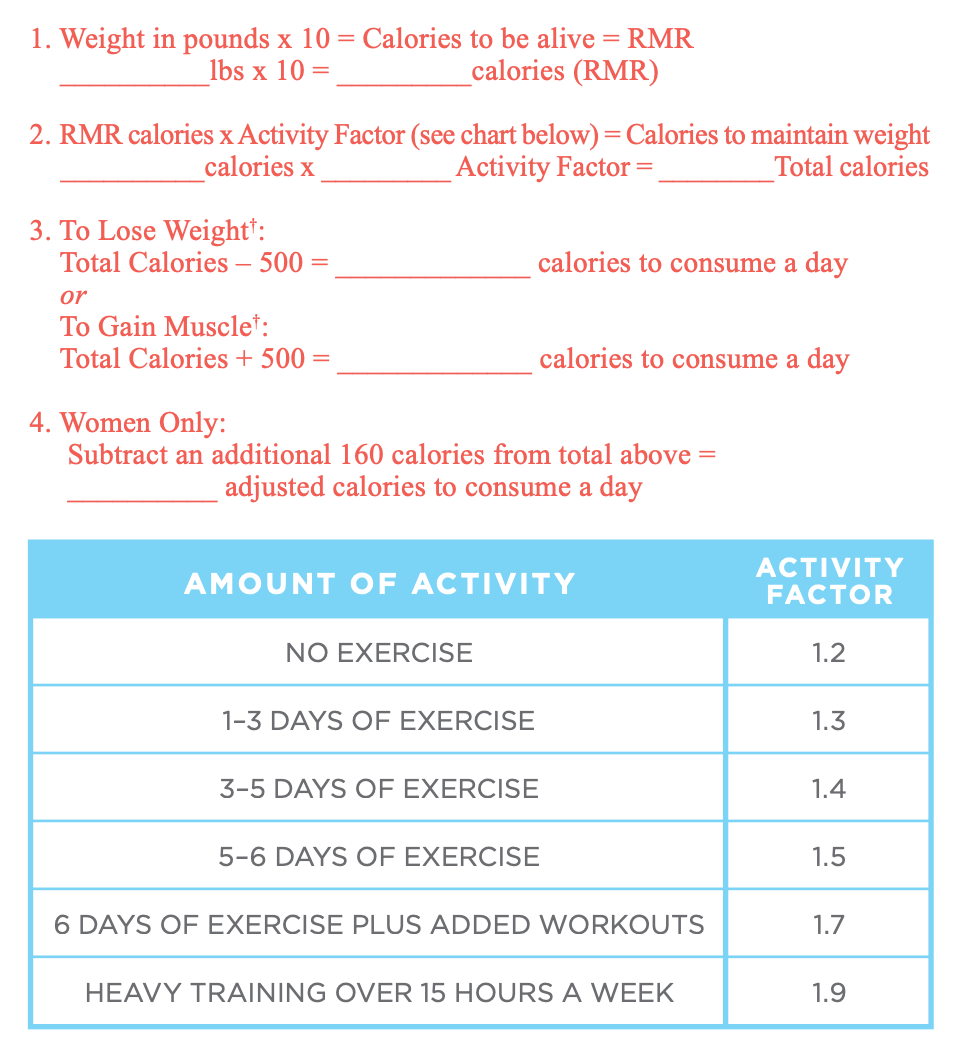
Every individual possesses a unique metabolic rate influenced by factors such as age, sex, weight, height, and activity level. This rate determines the number of calories required to maintain basic bodily functions (Basal Metabolic Rate or BMR) and to fuel daily activities (Total Daily Energy Expenditure or TDEE). Technology offers a powerful means to estimate these personalized energy requirements more accurately than ever before. Online calculators and integrated app features utilize sophisticated algorithms to process your biometrics and activity data, providing a scientific starting point for your calorie goals. Without understanding these fundamental energy needs, any attempt at dietary modification becomes largely a shot in the dark. Technology brings precision to this foundational step, offering a clearer picture of your body’s specific demands.
Why Precision Matters for Health Goals
For anyone serious about achieving specific health goals—be it weight loss, muscle gain, or simply maintaining a healthy lifestyle—precision in calorie tracking is paramount. General dietary guidelines can only go so far. A difference of just a couple hundred calories per day, sustained over weeks or months, can significantly impact progress. Digital tools elevate tracking beyond mere estimation, offering granular data on macronutrient breakdowns (proteins, fats, carbohydrates), micronutrient intake, and even hydration levels. This level of detail empowers users to make informed adjustments, identify nutritional gaps, and optimize their diet for specific objectives, whether it’s fueling an intense training regimen or managing a chronic health condition. The analytical capabilities embedded in modern tech solutions transform raw data into actionable insights, making health goals more attainable and sustainable.
Digital Tools for Accurate Calorie Tracking
The digital ecosystem for calorie tracking is vast and continually evolving, offering a suite of tools designed to simplify and enhance the process. From comprehensive mobile applications to wearable devices and smart kitchen gadgets, technology has revolutionized how we monitor our food intake and energy output.
Comprehensive Nutrition Tracking Applications
Mobile apps are arguably the most popular and accessible tools for calorie tracking. Platforms like MyFitnessPal, Lose It!, Cronometer, and MacroFactor have extensive food databases, often crowdsourced and regularly updated, making it easy to log virtually any food item.
Detailed Features: Food Databases, Barcode Scanners, Custom Entries
The backbone of any effective nutrition app is its food database. These databases typically contain millions of entries, ranging from raw ingredients to packaged foods and restaurant meals, complete with calorie and macronutrient information. Barcode scanners offer a quick and convenient way to log packaged goods, eliminating manual entry and reducing errors. For homemade meals or unique recipes, apps provide features for creating custom food entries, allowing users to input ingredients and nutritional information, which the app then saves for future use. This adaptability ensures that even complex diets can be accurately tracked.
User Experience: Logging Meals, Portion Sizes, Macronutrient Breakdown
A well-designed app prioritizes ease of use. Logging meals should be intuitive, often requiring just a few taps to search for and select food items. Crucially, these apps allow for precise adjustment of portion sizes, enabling users to log anything from a single gram to multiple servings. Beyond just calories, these applications typically break down intake into macronutrients (proteins, carbohydrates, and fats), offering valuable insights for individuals adhering to specific dietary ratios (e.g., ketogenic, high-protein). Some advanced apps also track micronutrients (vitamins and minerals), giving a holistic view of nutritional adequacy.
Integration Capabilities: Linking with Other Health Apps and Devices
One of the most powerful aspects of modern tracking apps is their ability to integrate with other health platforms and devices. This creates a cohesive digital health ecosystem. Data from wearable fitness trackers, for instance, can automatically sync with nutrition apps, providing a real-time estimation of calories burned, which then adjusts daily calorie goals. Similarly, integration with other health apps allows for a broader understanding of overall well-being, connecting diet with sleep patterns, activity levels, and even stress metrics. This interconnectedness provides a more complete picture of an individual’s health journey.
The Role of Wearable Technology
Wearable fitness trackers have moved beyond simple step counting to become sophisticated health monitoring devices that play a significant role in estimating calorie expenditure. Devices from brands like Fitbit, Apple Watch, Garmin, and Whoop offer continuous data streams that contribute to a more accurate understanding of daily energy balance.
Activity Tracking and Estimated Calorie Burn
These devices utilize accelerometers, gyroscopes, and sometimes GPS to track physical activity throughout the day, including steps, distance walked or run, and workout intensity. Based on these metrics, along with personal data (age, weight, height), they estimate the number of calories burned. While these are estimates and not always perfectly precise, they provide a valuable counterbalance to calorie intake, helping users understand their net energy balance. This is crucial for weight management, as it accounts for both sides of the energy equation.
Heart Rate Monitoring for Metabolic Insights
Many modern wearables include optical heart rate sensors that provide continuous monitoring. Heart rate data is a key component in more accurately estimating calorie expenditure, particularly during exercise. Higher heart rates typically correlate with greater exertion and thus higher calorie burn. Advanced algorithms in these devices use heart rate variability and recovery metrics to offer deeper insights into fitness levels and recovery, indirectly informing metabolic efficiency.
Seamless Data Sync with Tracking Apps
The true power of wearables in calorie tracking comes from their seamless integration with nutrition apps. Data from your Fitbit, Apple Watch, or Garmin device automatically syncs with your chosen calorie tracking app, updating your daily calorie burn. This automation significantly reduces manual data entry and provides a more dynamic and responsive calorie goal, adjusting based on your activity levels throughout the day. This synergy between input and output tracking offers a comprehensive view of daily energy balance, crucial for informed decision-making.
Online Calculators and Digital Scales
Beyond apps and wearables, other tech tools serve as foundational components for accurate calorie assessment and measurement.
Basal Metabolic Rate (BMR) and Total Daily Energy Expenditure (TDEE) Calculators Explained
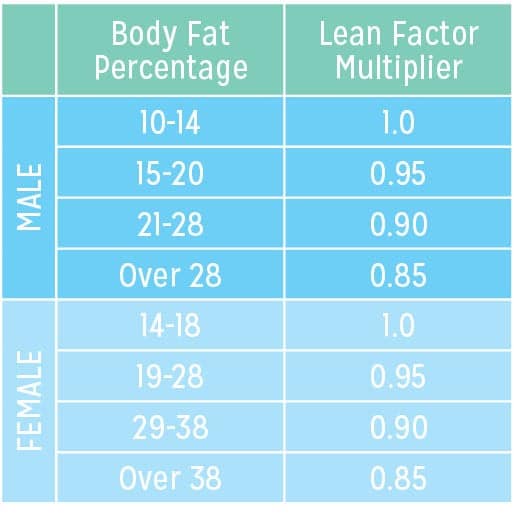
Online BMR and TDEE calculators are essential starting points for determining your baseline calorie needs. These tools use established formulas (e.g., Mifflin-St Jeor Equation, Harris-Benedict Equation) to estimate the calories your body burns at rest (BMR) and with daily activity (TDEE). Users input their age, sex, weight, height, and activity level. While these are predictive models, they provide a robust initial target for calorie intake, which can then be refined with actual tracking data. Understanding your estimated TDEE is critical for setting appropriate calorie deficits or surpluses for weight goals.
The Importance of Digital Food Scales for Precise Measurement
Even the most advanced app is only as accurate as the data input. This is where digital food scales become indispensable. Eyeballing portion sizes is notoriously inaccurate and can lead to significant discrepancies in logged calorie intake. A digital food scale allows you to precisely measure food in grams or ounces, ensuring that the portion size you log in your app truly matches what you’re consuming. This simple, affordable piece of technology dramatically enhances the accuracy of your calorie tracking, making your entire digital health strategy more reliable and effective. For anyone serious about precision, a food scale is a non-negotiable tech tool.
Mastering the Art of Digital Calorie Logging
While technology provides the tools, the effectiveness of calorie tracking ultimately hinges on the user’s ability to consistently and accurately input data. Mastering digital calorie logging requires strategy, discipline, and an understanding of the nuances involved.
Strategies for Consistent and Accurate Entry
Consistency is king when it comes to tracking. Irregular or incomplete logging will yield unreliable data.
Pre-logging Meals, Creating Custom Recipes
One highly effective strategy is to pre-log meals, especially for those with predictable eating patterns. Entering your planned breakfast, lunch, and dinner at the start of the day helps you stick to your calorie goals and avoid impulse eating. Many apps allow you to save frequently eaten meals or create custom recipes, where you input all ingredients, and the app calculates the nutritional content per serving. This saves significant time and ensures accuracy for complex dishes.
Mindful Portion Estimation Versus Precise Measurement
While a digital food scale is ideal for precise measurement, it’s not always feasible (e.g., eating out, at a friend’s house). In such scenarios, mindful portion estimation becomes crucial. Learning to visually estimate common portion sizes (e.g., a deck of cards for protein, a golf ball for nuts) can bridge the gap. However, it’s vital to acknowledge the inherent inaccuracy and err on the side of overestimation rather than underestimation when trying to create a calorie deficit. For critical tracking, always revert to precise measurement.
Dealing with Restaurant Meals and Unknown Ingredients
Restaurant meals pose a particular challenge due to unknown ingredients, cooking methods, and often generous portion sizes. Many apps include databases for popular chain restaurants, but local establishments are harder to track. Strategies include looking up nutritional information online if available, choosing simpler dishes with fewer sauces or hidden ingredients, estimating conservatively (often by adding a buffer), or simply treating these as “maintenance” meals and focusing on overall weekly averages rather than daily perfection.
Overcoming Common Tech Tracking Hurdles
Despite their sophistication, digital tools aren’t without their challenges. Recognizing and addressing these hurdles is key to sustained success.
Database Discrepancies, Food Misidentification
Food databases, especially user-contributed ones, can contain errors or outdated information. Always cross-reference entries with packaged food labels when possible. Be vigilant about misidentified foods – for example, selecting “chicken breast” when it’s actually “fried chicken breast.” Choosing verified entries or creating your own custom entries for accuracy can mitigate this.
Maintaining Motivation and Avoiding App Fatigue
The initial novelty of a new tracking app can wear off, leading to “app fatigue.” Logging every morsel can feel tedious and restrictive. To combat this, consider tracking in phases (e.g., a few weeks on, a few weeks off to apply learned habits), focusing on macronutrient targets rather than strict calorie counts once you have a good understanding, or simply using the app as a learning tool rather than a permanent fixture. Remember that the goal is sustainable health, not perpetual logging.
Analyzing Your Data for Optimized Outcomes
The true power of technological calorie tracking isn’t just in logging but in the insights derived from the accumulated data. These insights empower users to make informed decisions and continuously optimize their nutrition strategy.
Interpreting Trends and Patterns
Raw data points are useful, but trends and patterns reveal the bigger picture.
Identifying Dietary Habits, Recognizing Areas for Improvement
Over time, your logged data will reveal consistent dietary habits. Do you tend to consume more calories on weekends? Is your protein intake consistently low? Are there specific food groups you overconsume? Analyzing weekly or monthly summaries helps identify these patterns, highlighting areas where small, consistent changes can yield significant results. This data-driven self-awareness is invaluable for sustainable dietary improvements.
Adjusting Intake Based on Progress and Activity Levels
Your body’s needs are not static. As your weight changes, so does your BMR and TDEE. Your activity levels might fluctuate. Tracking data allows you to see if your current calorie target is yielding the desired results (e.g., weight loss, stable weight, muscle gain). If not, you can make data-informed adjustments to your intake. Many apps offer analytics tools that visualize progress against goals, making it easier to determine if an adjustment is necessary and by how much.
Connecting Calorie Data to Broader Health Insights
Calorie intake doesn’t exist in a vacuum. Its impact is intertwined with other aspects of health, and technology helps connect these dots.
Synergizing with Sleep, Exercise, and Stress Data
Modern health ecosystems allow calorie data to be viewed alongside metrics for sleep quality, exercise performance, and even stress levels (often tracked via heart rate variability). For example, consistently poor sleep might correlate with increased appetite and higher calorie intake. Understanding these interdependencies allows for a more holistic approach to health, where diet is seen as one piece of a larger wellness puzzle.

Utilizing Data for Informed Decisions and Personalized Nutrition Plans
Ultimately, the rich dataset generated by tech-driven calorie tracking empowers individuals to become proactive architects of their own health. It provides the objective evidence needed to make informed decisions, tailor nutrition plans to specific goals and physiological responses, and even collaborate more effectively with healthcare professionals or nutritionists. Instead of guesswork, individuals can present concrete data, leading to more personalized and effective health strategies.
In conclusion, finding out your calorie intake has transformed from a tedious manual process into an efficient, data-rich endeavor thanks to technology. By leveraging comprehensive apps, integrated wearables, and precise measurement tools, individuals can gain unprecedented clarity into their nutritional habits, leading to more informed decisions, sustainable lifestyle changes, and ultimately, a path to optimized health and well-being.
aViewFromTheCave is a participant in the Amazon Services LLC Associates Program, an affiliate advertising program designed to provide a means for sites to earn advertising fees by advertising and linking to Amazon.com. Amazon, the Amazon logo, AmazonSupply, and the AmazonSupply logo are trademarks of Amazon.com, Inc. or its affiliates. As an Amazon Associate we earn affiliate commissions from qualifying purchases.